Cedarhurst Senior Living of Blue Springs is described overall as a clean, well-appointed community with a strong emphasis on social engagement and personalized resident attention. Families and residents frequently praise the staff for warmth, compassion, and a family-like atmosphere; numerous individual caregivers and managers are singled out for attentive, hands-on care. The community’s life-enrichment program and dining service are often highlighted as central strengths—residents experience a variety of activities, outings, festive events, and varied menus that many find enjoyable. Therapy and fitness resources, including physical therapy and gym space, are noted positively by families looking for restorative services.
Care quality presents a mixed picture. When staffed and managed as intended, caregivers and clinical teams are viewed as skilled and resident-centered, with particular strengths in dignity-focused memory-care approaches for higher-functioning residents. At the same time, reviewers identify operational inconsistencies: staffing levels (including Med Techs and nurses) and the frequency of hands-on personal care such as bathing and dining assistance can vary, producing uneven experiences for some families. There are also recurring communication and administrative issues—billing questions, scheduling difficulties, and occasional errors—that can complicate families’ interactions with the community.
Dining and activities are clear attractors for many residents. The facility offers full-service meals, special dining menus, an open beverage bar, and event-driven programming that supports socialization. Several accounts note food that is restaurant-quality, while others describe variability in meal preparation and occasional service shortcomings. The activities team is widely praised for creativity and engagement, though some reviewers note that activity frequency and scheduling can be inconsistent across units or time periods.
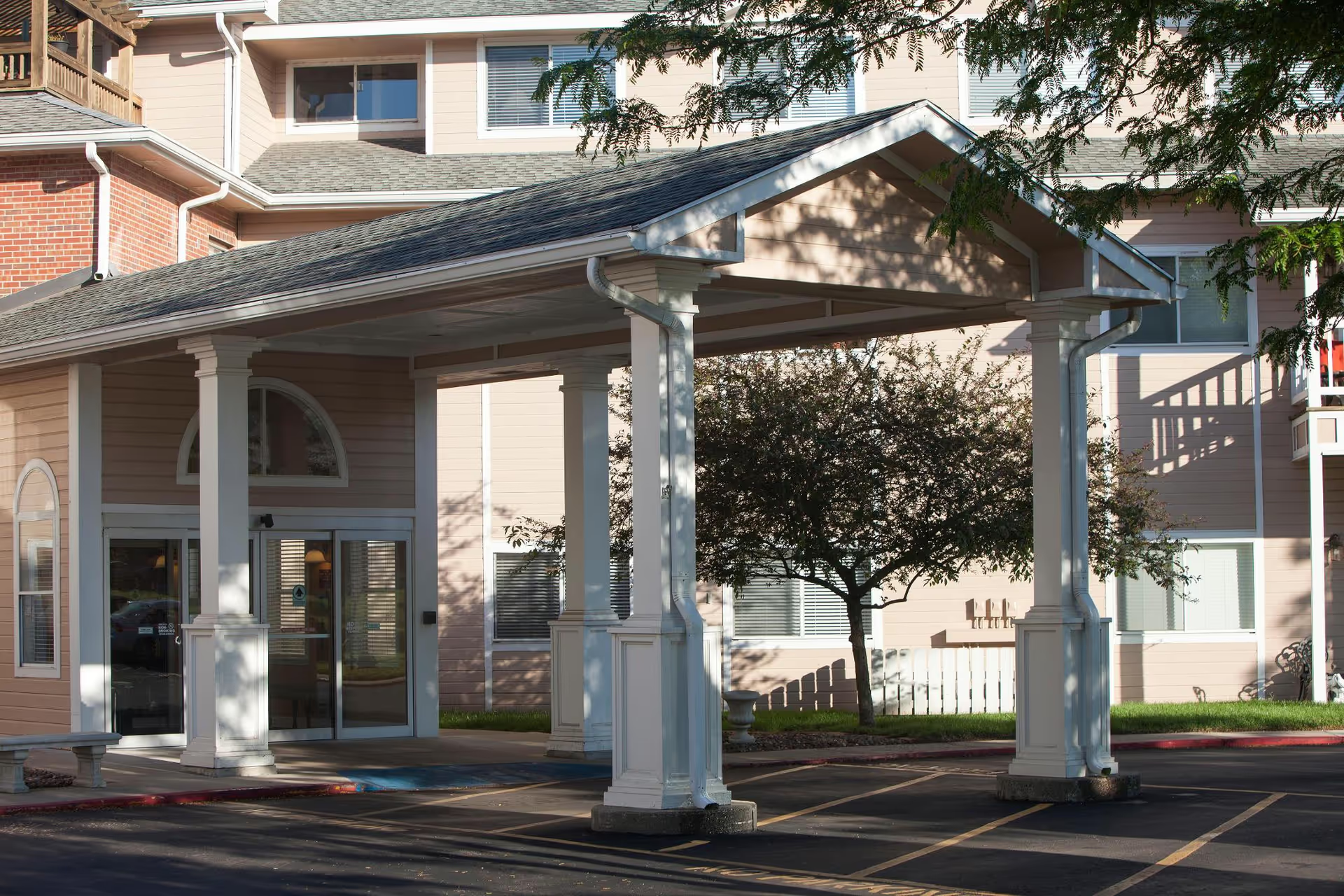
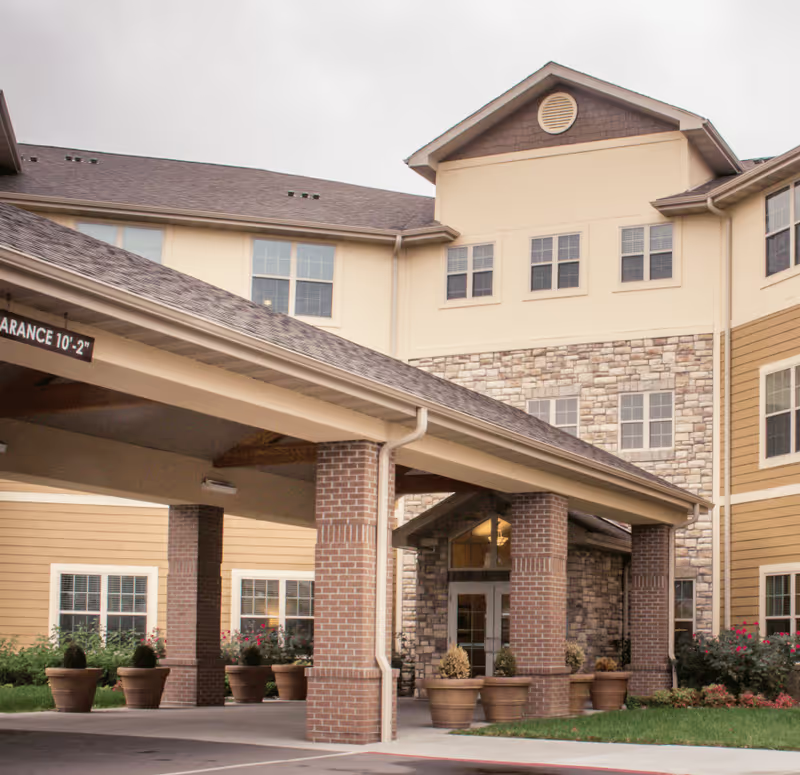
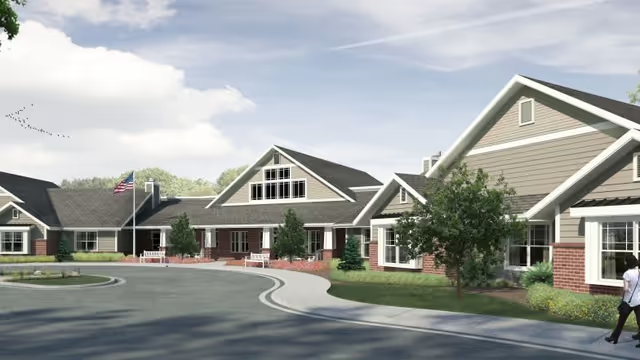
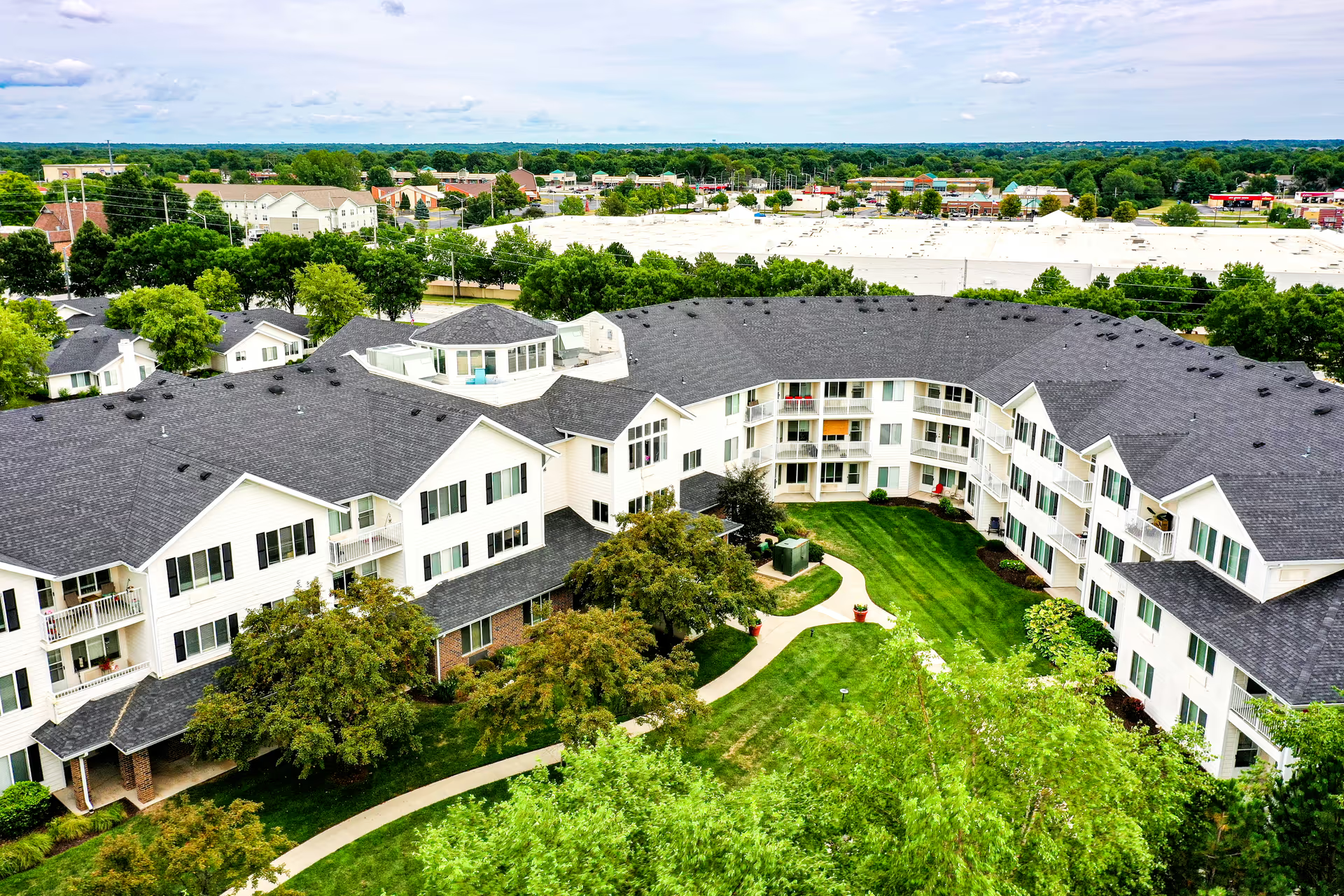
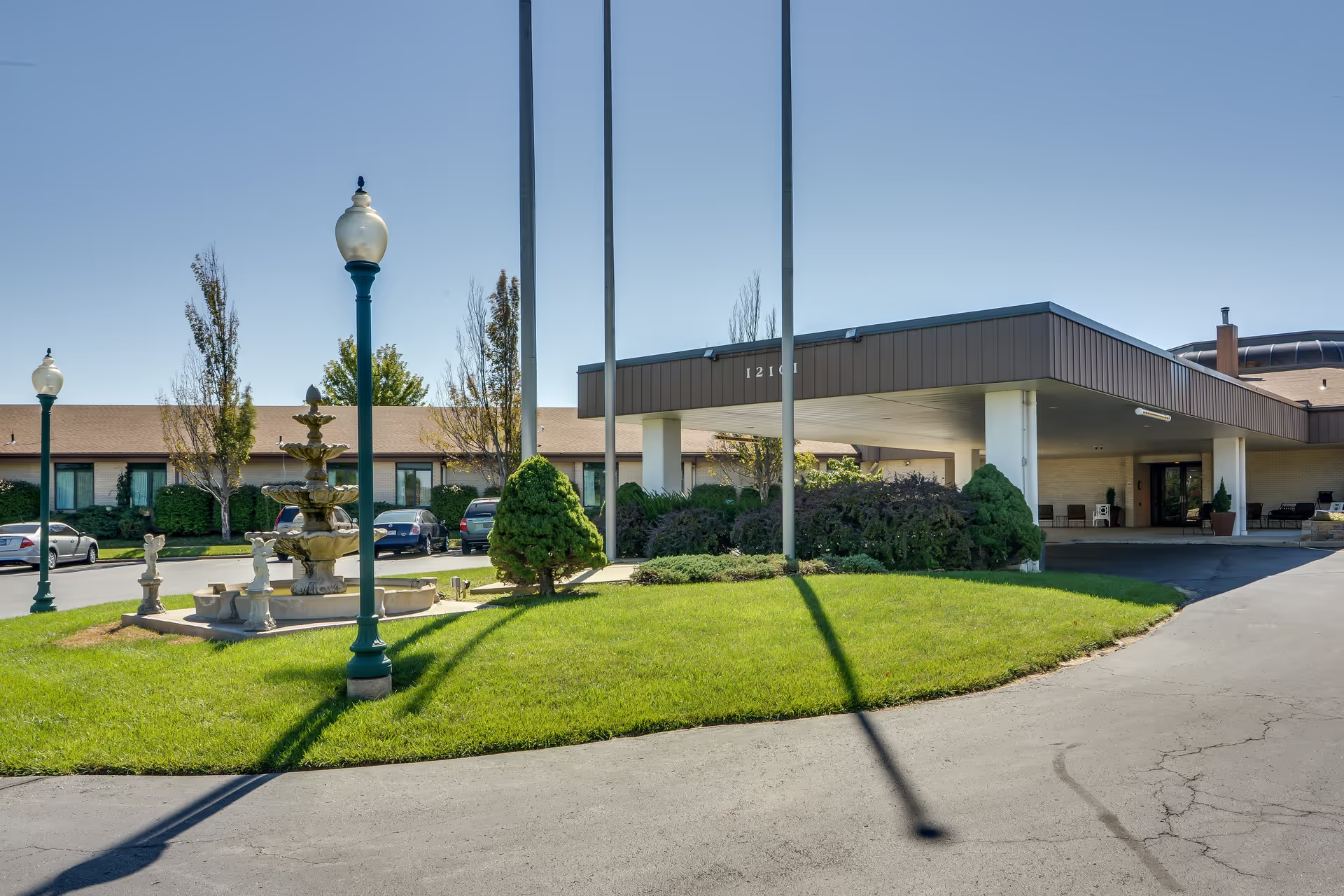
The physical environment is consistently described as modern, clean, and well-maintained, with accessible outdoor space, private-studio options, and amenities such as a movie theater and library. However, the community’s mixed assisted-living and memory-care layout raises practical issues for certain resident needs—some families pointed to limited secure outdoor space and unit placement that may not be ideal for advanced dementia care. Large facility layout and distant respite or dining rooms were mentioned as minor accessibility considerations for residents with limited mobility.
Management and business practices elicit both praise and concern. Positive notes include welcoming admissions experiences and hands-on directors who foster transition and family involvement. Conversely, reviewers mention high costs, add-on fees (medication, room service), and occasional discrepancies between marketing representations and actual room features. Leadership turnover and organizational changes have contributed to perceived instability at times. Separately, operational gaps such as property-security controls and end-of-life/post-mortem processes have been raised by families; these items suggest areas where protocol reinforcement and clearer family communication would be beneficial.
In summary, Cedarhurst of Blue Springs offers many attributes attractive to prospective residents—particularly around staff attentiveness, cleanliness, dining, therapy, and activity programming—but prospective families should evaluate the facility’s pricing structure, confirm the level and consistency of nursing and personal-care staffing for their loved one’s needs, review memory-care infrastructure if dementia is advanced, and clarify administrative policies (billing, property security, and end-of-life processes) during the touring and contract-review stages.