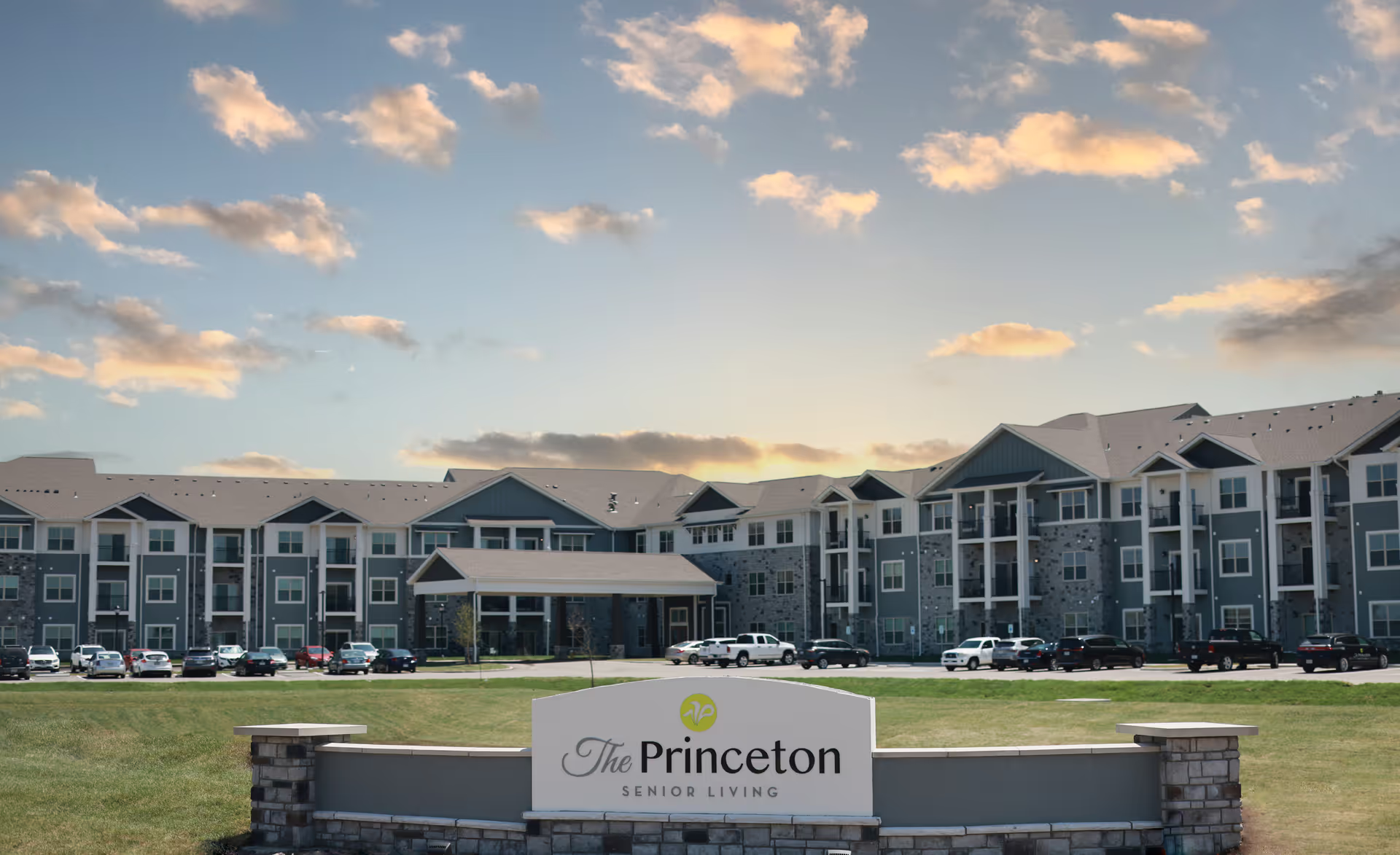
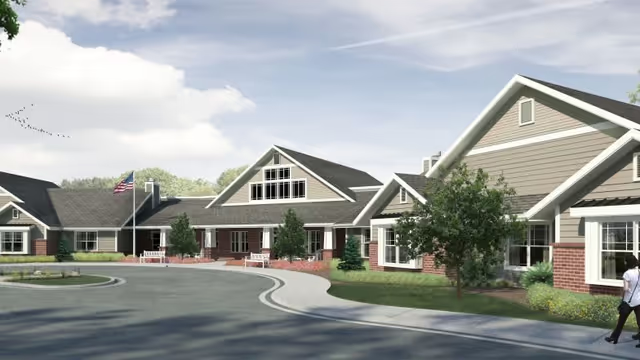
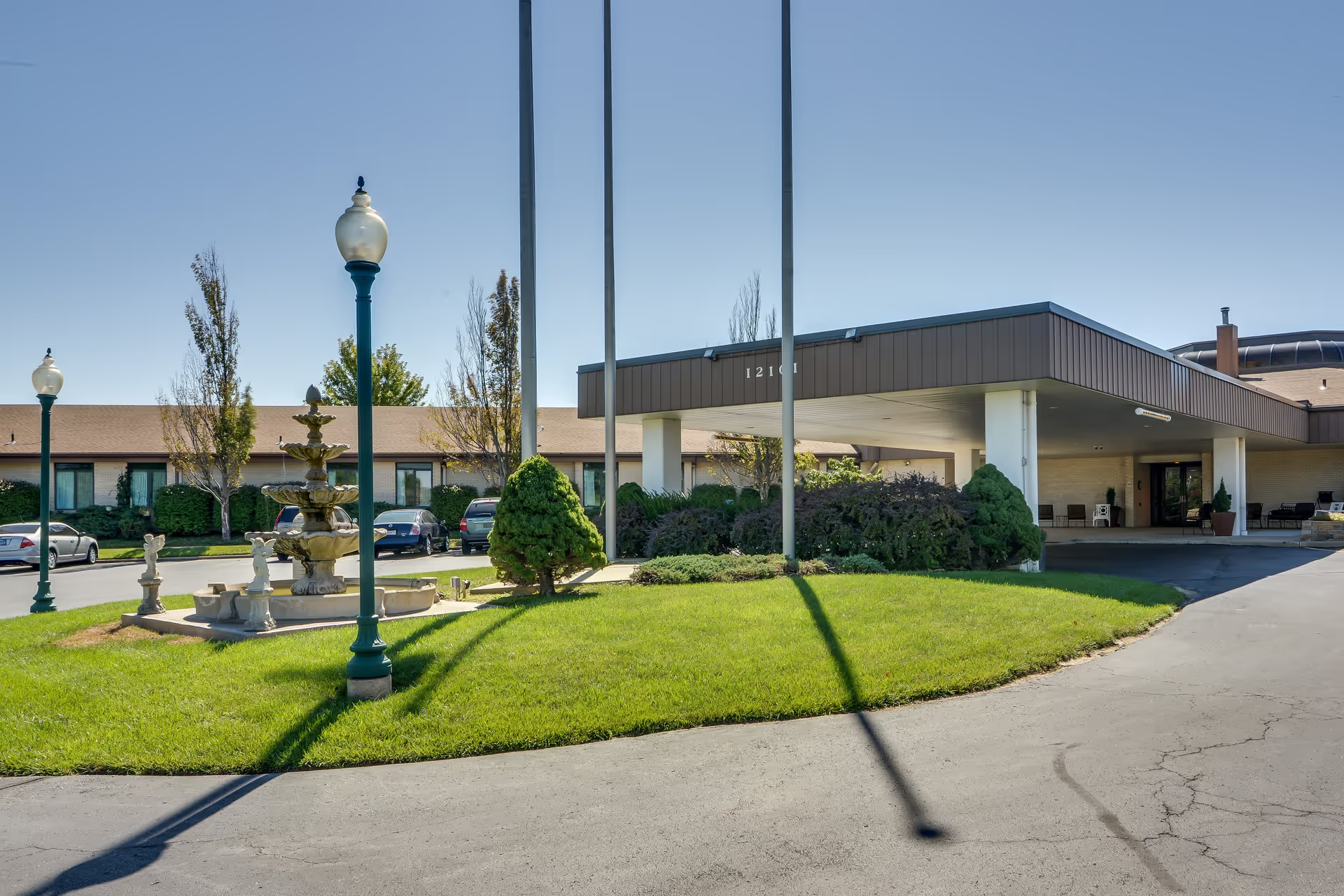
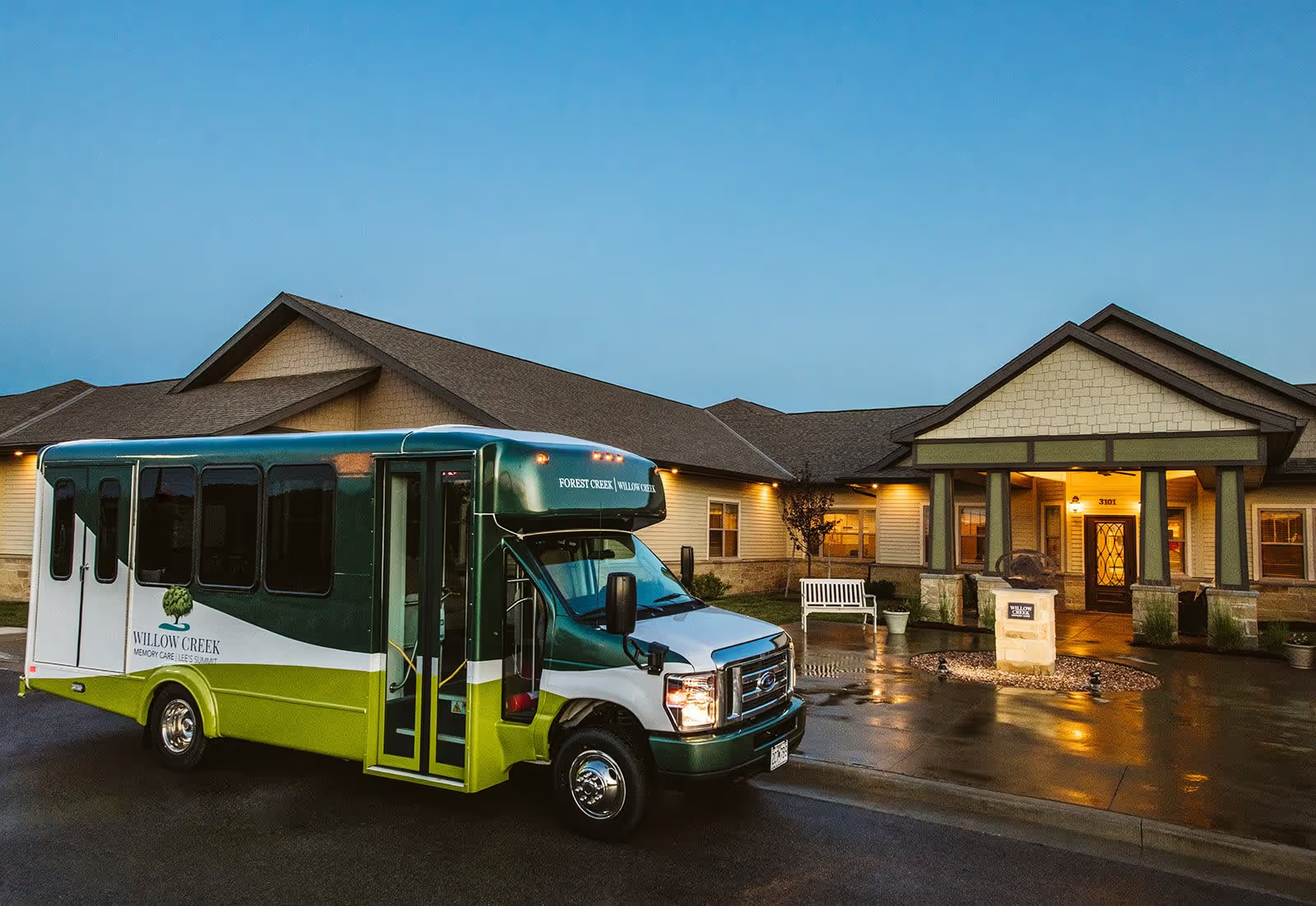
Solstice Senior Living at Lee's Summit elicits strongly mixed but consistent themes across reviews. On the positive side, families and residents frequently praise the staff’s day-to-day warmth and personal attention, a robust schedule of activities, and a clubhouse-style environment created by bright, recently remodeled common areas. The property’s grounds, larger cottages and apartment floor plans, on-site amenities (salon, library, fitness room, game spaces) and included services (meals, transportation, utilities in many plans) are repeatedly noted as strengths that support independent living and social engagement.
Care quality and staffing present a divided picture. Many reviewers describe attentive, compassionate caregivers, regular nursing checks, emergency-alert necklaces, and staff who learn residents’ names and preferences. At the same time, there are repeated operational concerns tied to staffing levels and turnover: slow maintenance response, intermittent housekeeping lapses, and periods when dining and service quality decline. These staffing pressures appear to affect both the timeliness and thoroughness of services more than the underlying intent of the caregiving teams.
Dining is a major driver of opinion. Several residents and families report consistently good meals, diverse menus, and generous portions; others report a decline over time, repetitive offerings, poor nutritional balance, late service, and missing items or substitutions. Operational patterns cited include limited entree choices at times, pre-plated or pre-made meal service during staffing gaps, and items running out when residents arrive late. These issues suggest variability in kitchen staffing and supply processes rather than a static culinary standard.
Activities and social programming are a clear strength. Reviews emphasize a busy calendar—bingo, crafts, Wii bowling, outings, religious services, volunteer vendors and resident-led events—that supports social connection and regular engagement. Many residents report feeling active and integrated into the community; for those less engaged, staff outreach and scheduling flexibility appear mixed.
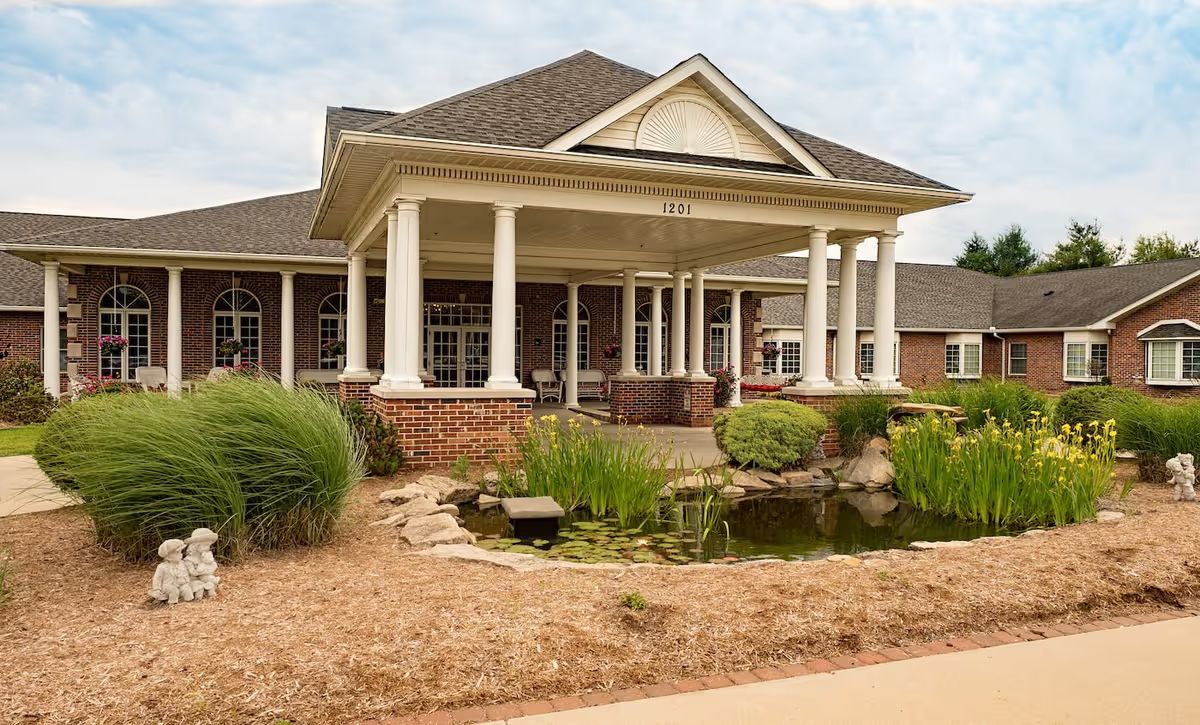
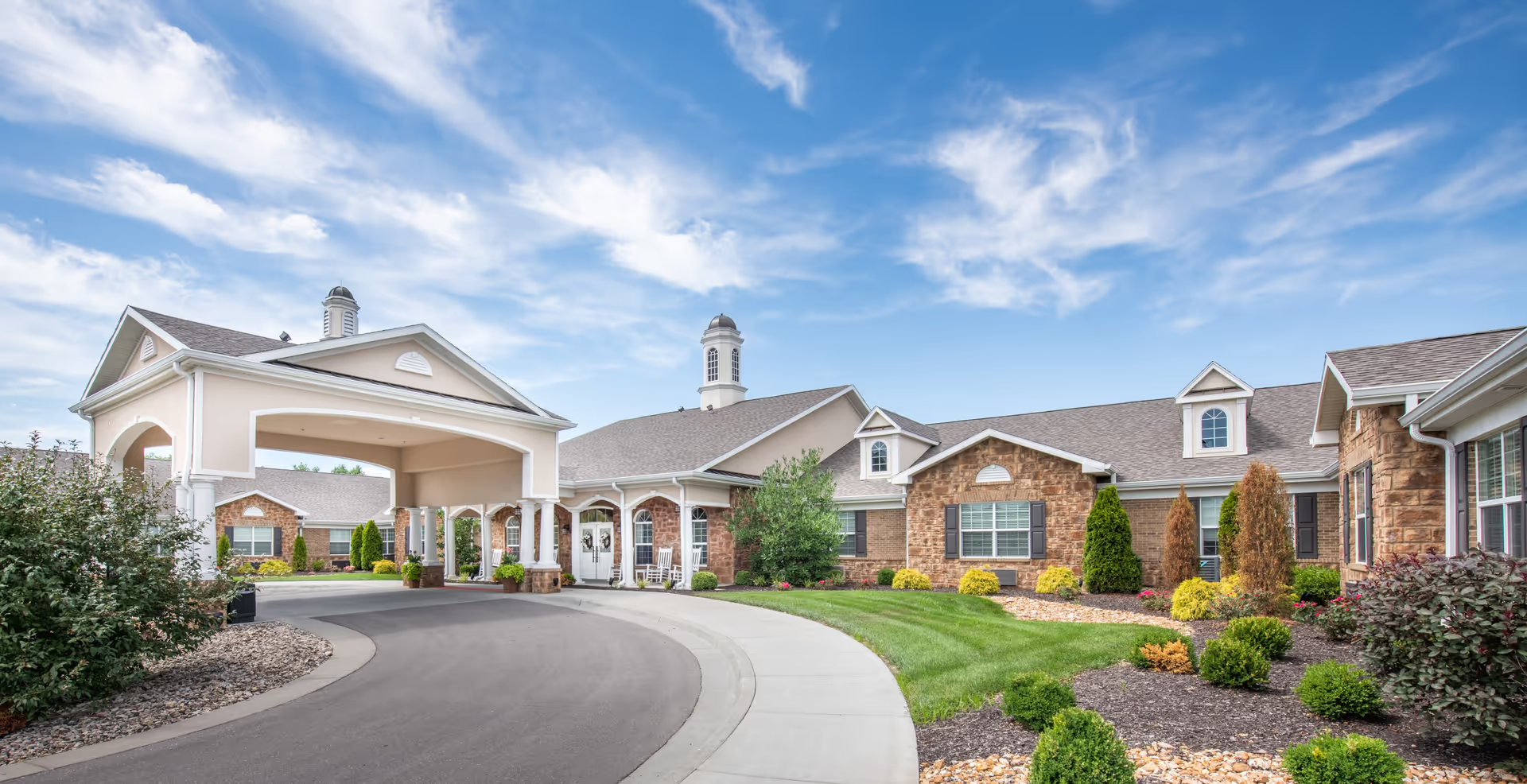
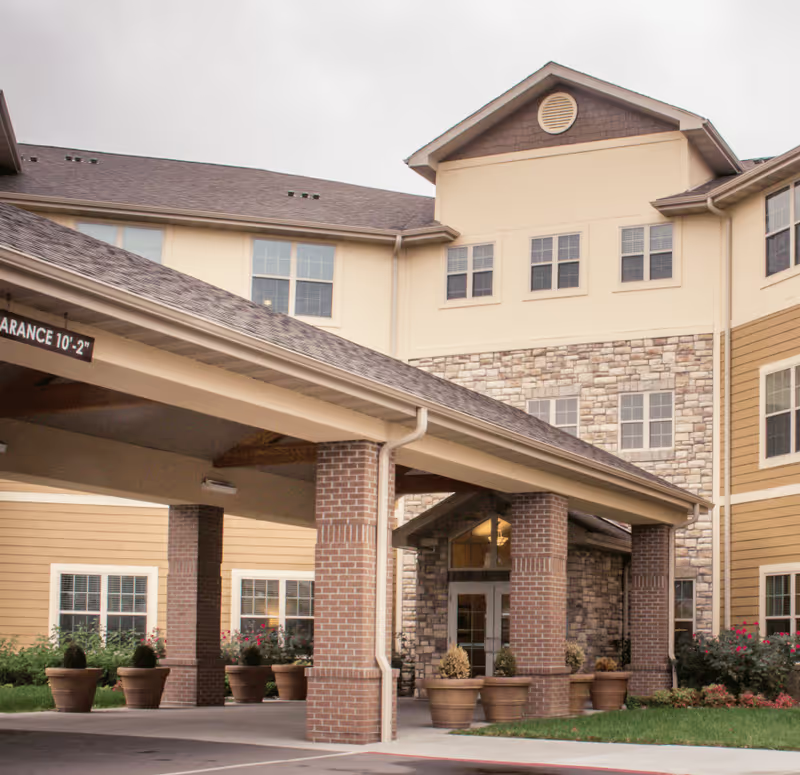
Facility features are generally praised: clean interiors, tasteful decor in renovated areas, private outdoor spaces in many units, and useful in-building services (laundry, salon). Practical limitations repeatedly mentioned include accessibility issues related to a single elevator in a multi-story building, long walks between units and dining areas for some residents, and the lack of full kitchens in most independent-living apartments—features that matter for prospective residents who prioritize independent meal preparation or have mobility challenges.
Management and governance show variability across time and reviewers. Positive accounts highlight managers who are hands-on, responsive, and resident-focused; critical accounts point to leadership turnover, perceived corporate decision-making, inconsistent communication about fees and rent increases, and policy enforcement that felt inflexible to families (for example, move-out penalties and access controls). Taken together, these accounts indicate a transitionary operational environment in which management style and effectiveness have a strong influence on resident experience.
Notable patterns for prospective residents and families to consider: 1) the community excels when core staff and kitchen teams are stable—yielding high satisfaction with food, activities, and housekeeping; 2) staffing shortages or leadership transitions correlate with declines in dining quality, maintenance responsiveness, and housekeeping consistency; and 3) independent-living residents should plan for limited in-unit kitchen facilities and evaluate accessibility needs carefully (elevator availability, distance to dining). Finally, review themes call for asking direct questions during tours about current staffing levels, recent management changes, emergency-call system reliability, fee escalation policies, and menu/nutrition planning to assess whether the facility’s present operations align with the prospective resident’s priorities.