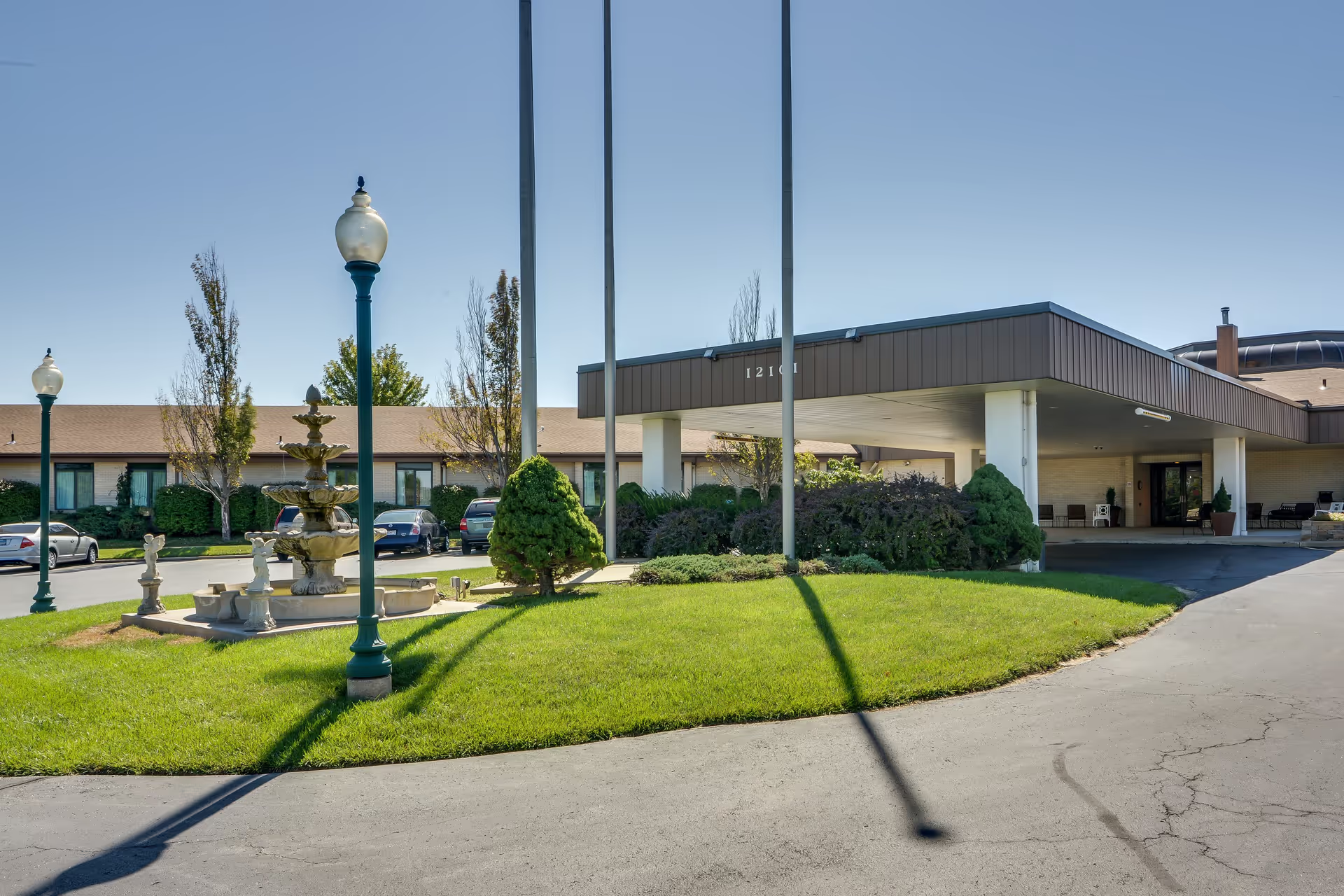
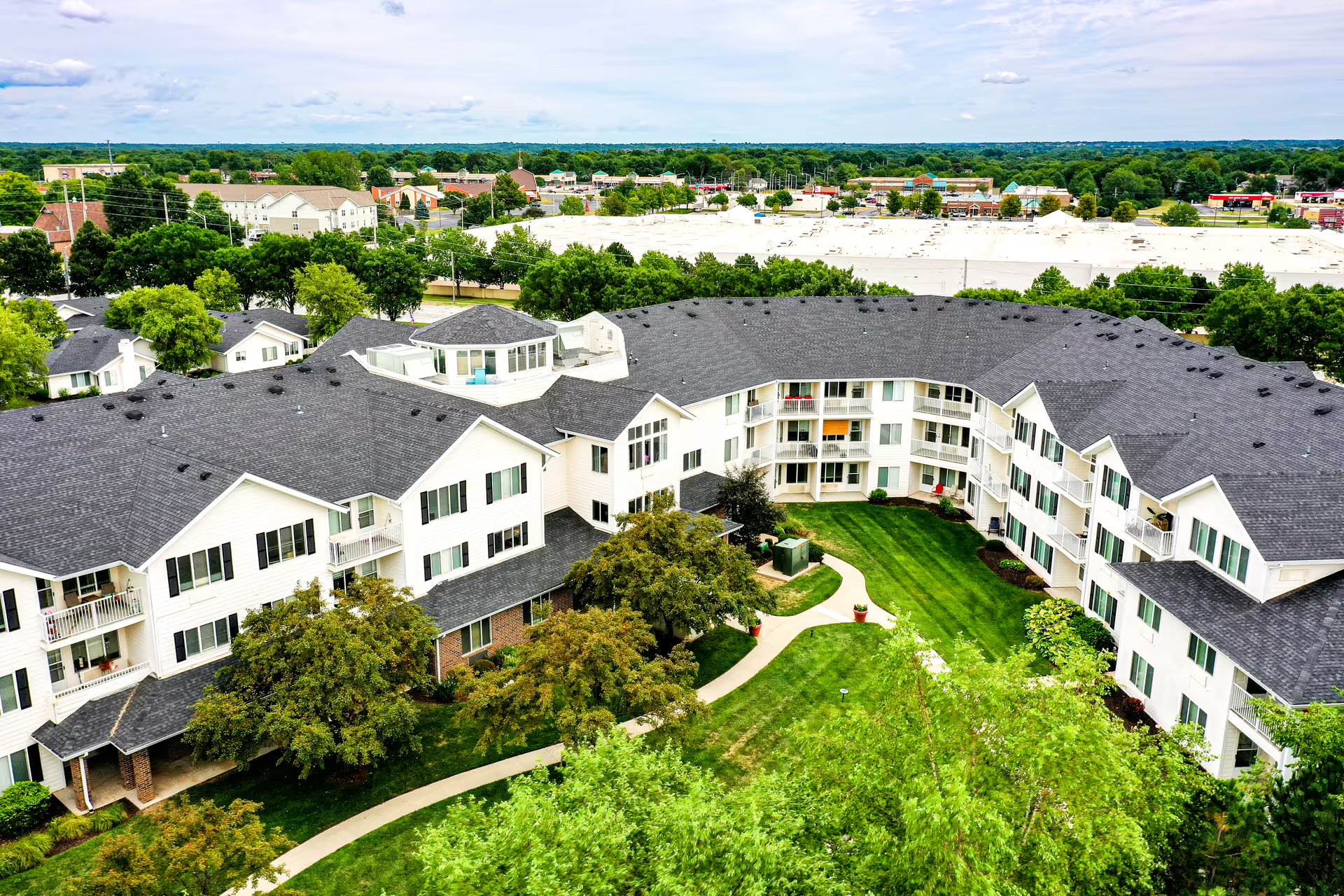
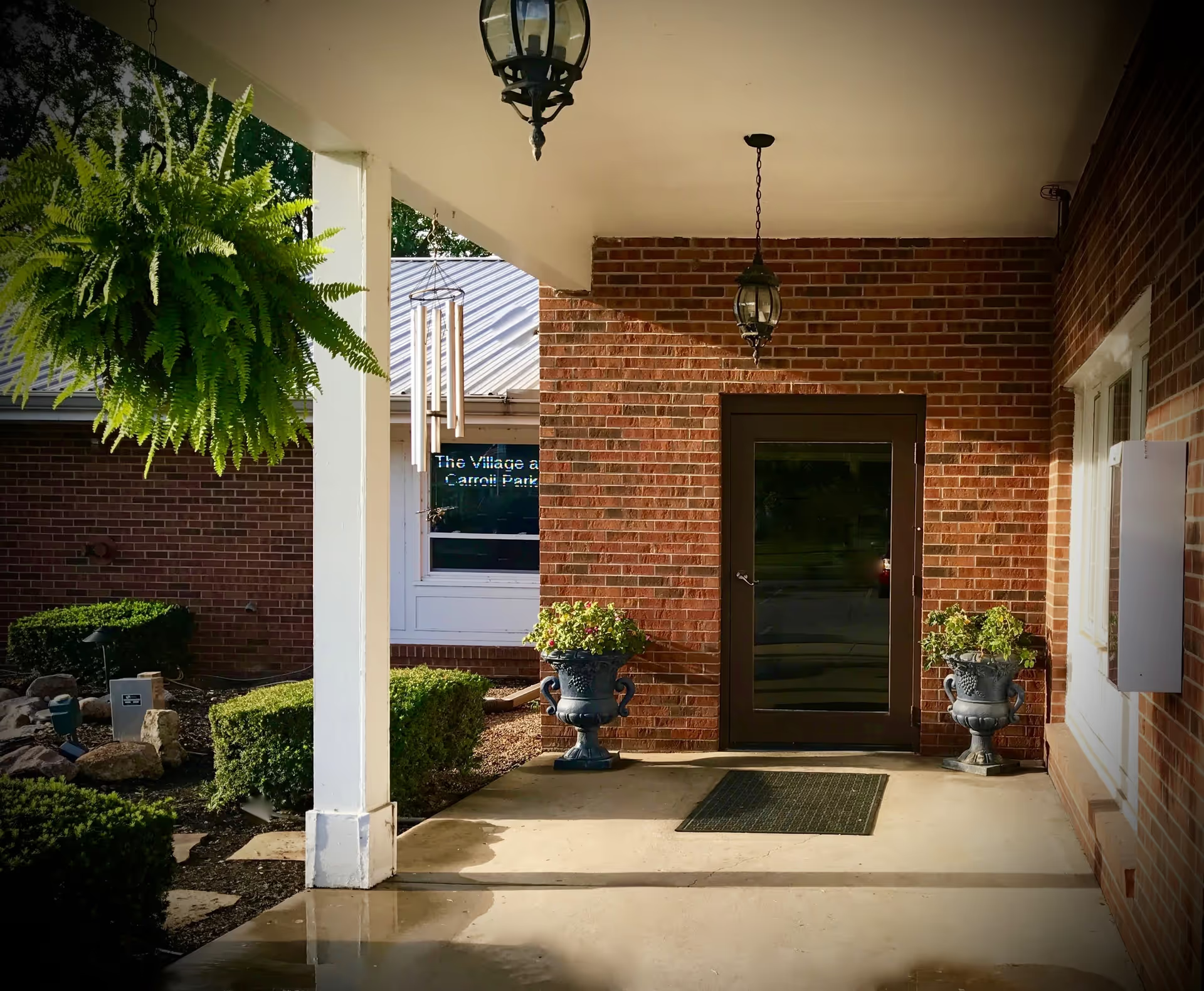
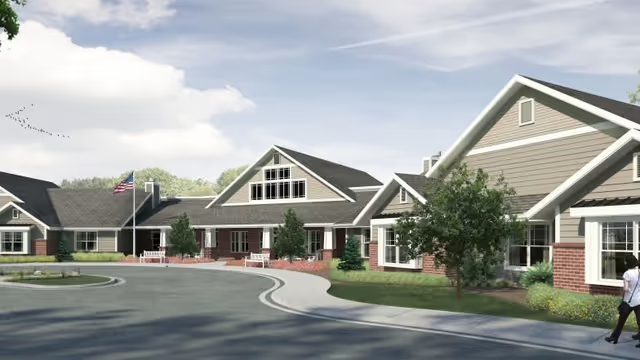
Silverado Lee's Summit is frequently described as a purpose-built memory-care community with a modern physical environment and a strong activity program. Many families praise the clean, recently updated building, private studio layouts with accessible bathrooms, secure courtyards, and amenities such as hydration stations and internet access. The facility's dementia focus—memory-care training, individualized care plans, and event-driven programming such as live music, crafts, and regular outings—receives notable positive attention. Several accounts highlight a family-oriented culture supported by a family ambassador role and monthly family support gatherings.
Care and staff performance produce mixed but distinct patterns. A substantial portion of feedback emphasizes warm, attentive, well-trained caregivers and nursing staff who know residents by name, provide compassionate interactions, and support meaningful engagement. At the same time, there are repeated operational concerns: inconsistent direct-care staffing levels and turnover, occasional delays in responding to call lights or incidents, and uneven application of personal-care and sanitation protocols. More serious clinical concerns are described in a limited number of accounts—including medication-management issues and delayed incident response—that have prompted regulatory attention in at least one instance. Prospective families should examine current staffing ratios, clinical oversight processes, medication administration checks, and emergency-response procedures during a tour.
Dining and activities are commonly cited strengths, with many families praising chef-prepared, customizable meals, a pleasant dining environment, and a wide variety of structured activities and outings that promote socialization. However, there are also reports of inconsistent dining-assistance availability and occasional interruptions to meal-service continuity; families should confirm how dining support is provided for residents with high support needs. The activity calendar appears robust and resident-centered, with purposeful programs tailored to cognitive needs and frequent community events.
Facility operations and management present a contrast: reviewers credit particular leaders and coordinators with strong communication and family support, yet others describe periods of leadership instability and staff role turnover that coincide with declines in care consistency. Pricing and level-of-care communication have been flagged as unclear by some families; verify current contract terms, what services are included in the monthly fee, and how level-of-care changes affect cost. Safety measures are generally noted—controlled entry, secure courtyards—but there are also specific concerns about elopement-prevention technology and exit security in some accounts; confirm current protocols and devices in use.
In summary, Silverado Lee's Summit shows many features that align with high-quality memory care: a clean, thoughtfully designed environment, dementia-focused programming, active social engagement, and many examples of compassionate staff and family-oriented practices. Those positives are tempered by recurring operational weaknesses—primarily around staffing consistency, clinical oversight, responsiveness to incidents, and management stability. Families considering this community should arrange an in-person visit, ask targeted questions about staffing ratios, clinical oversight and medication controls, incident-response times, elopement-prevention systems, sanitation and personal-care protocols, and the specifics of pricing and visitation policy to determine whether current operations meet their expectations.