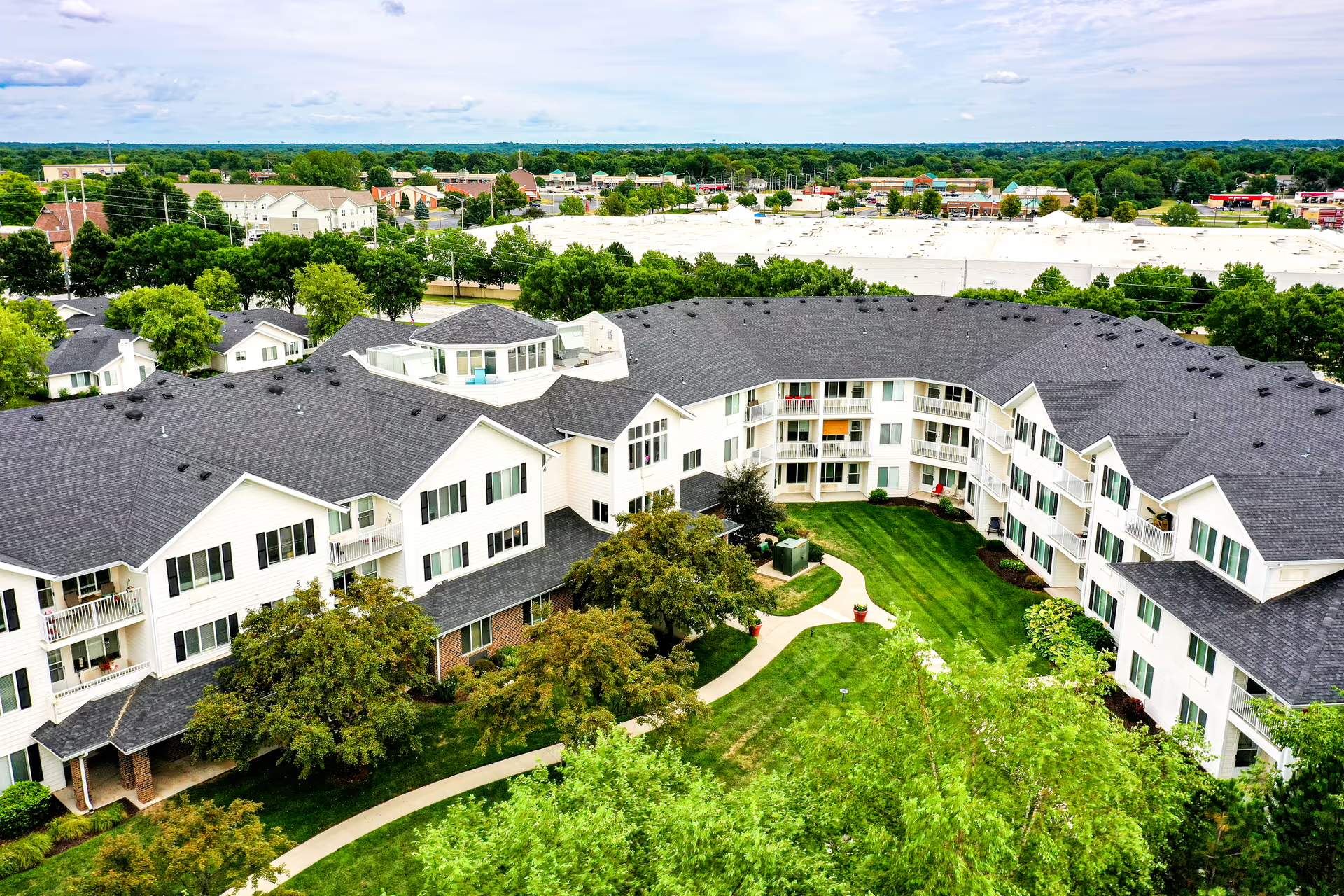
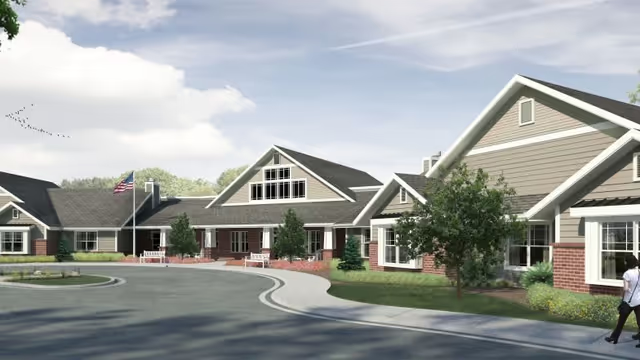
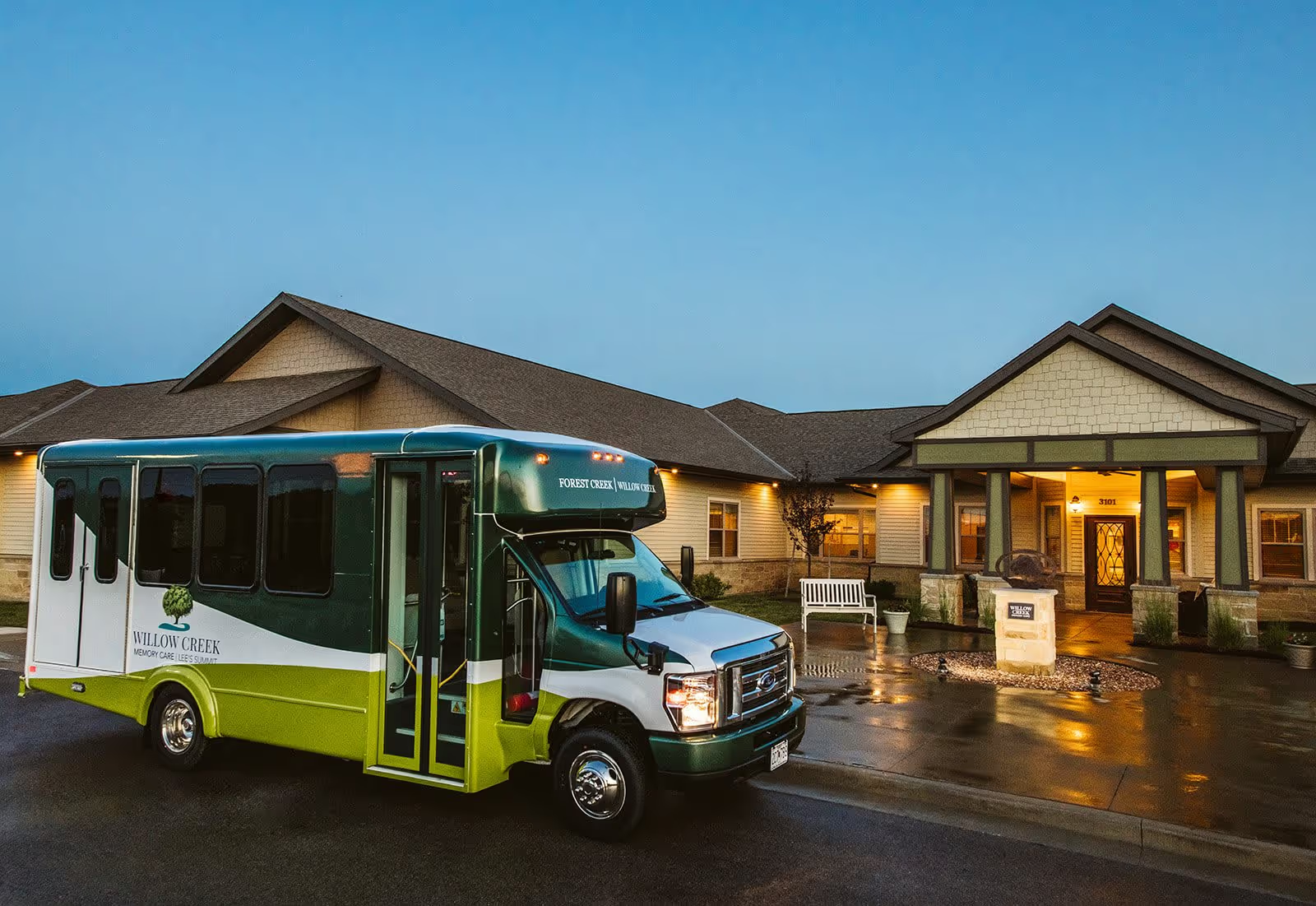
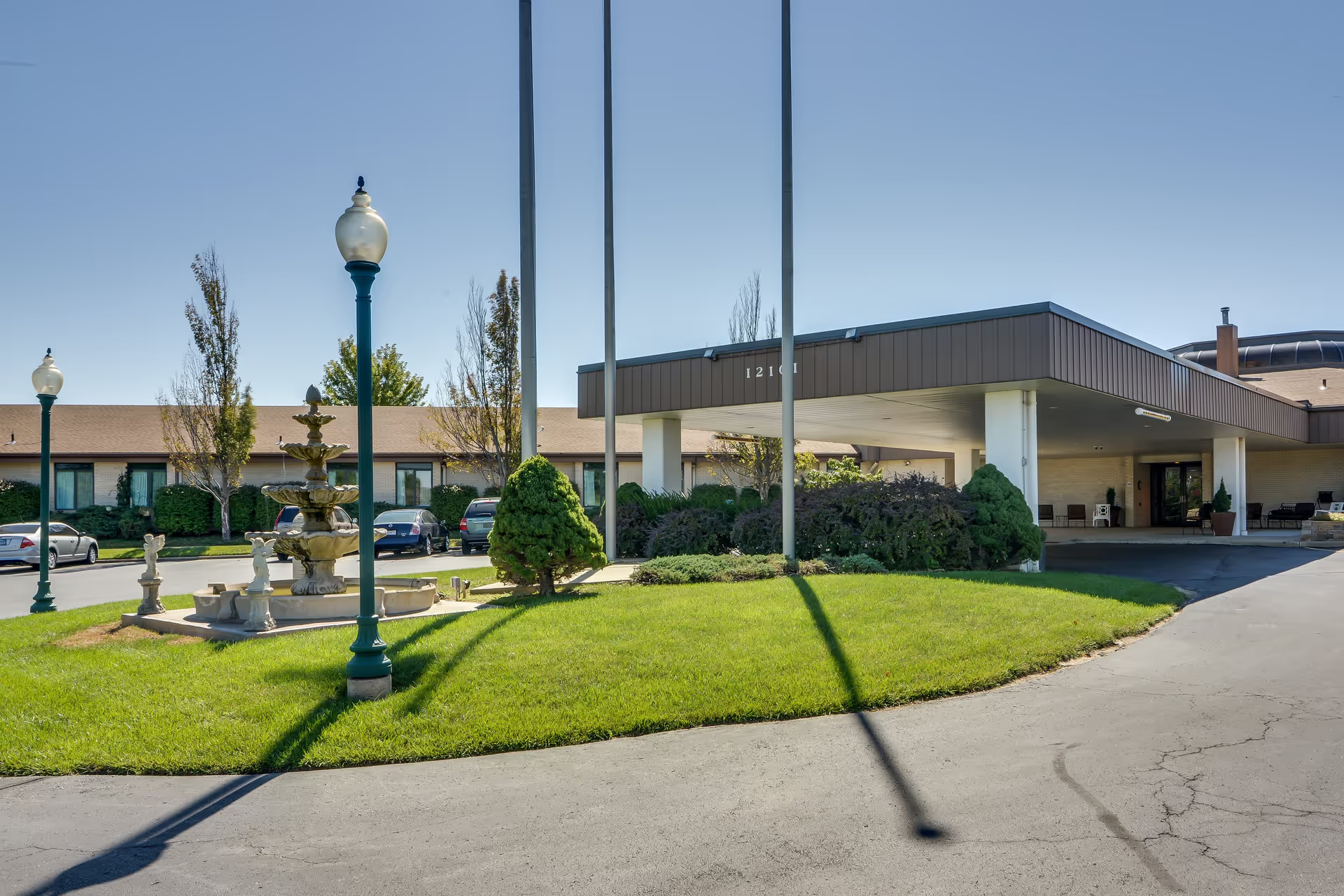
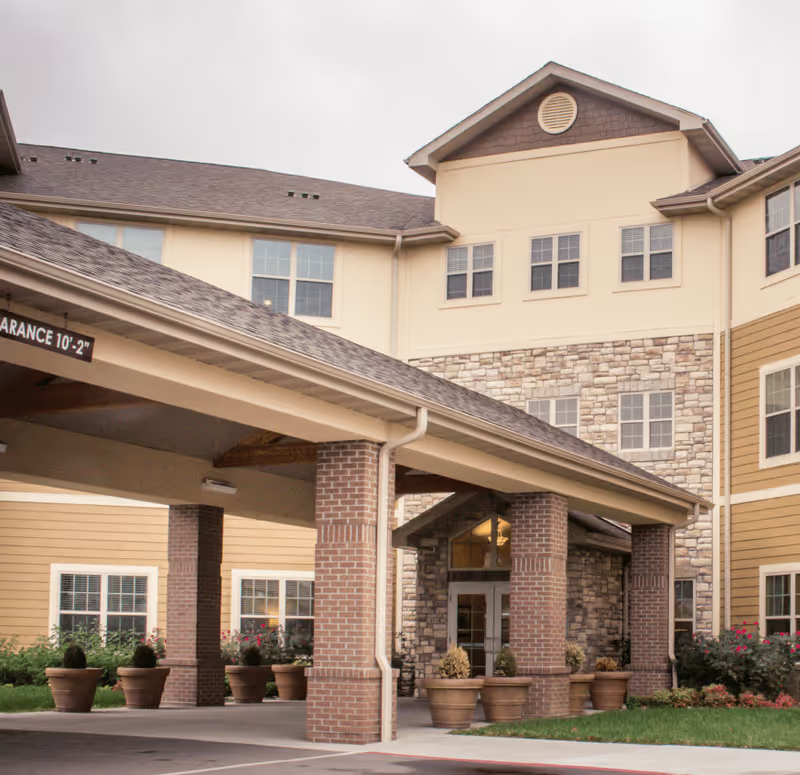
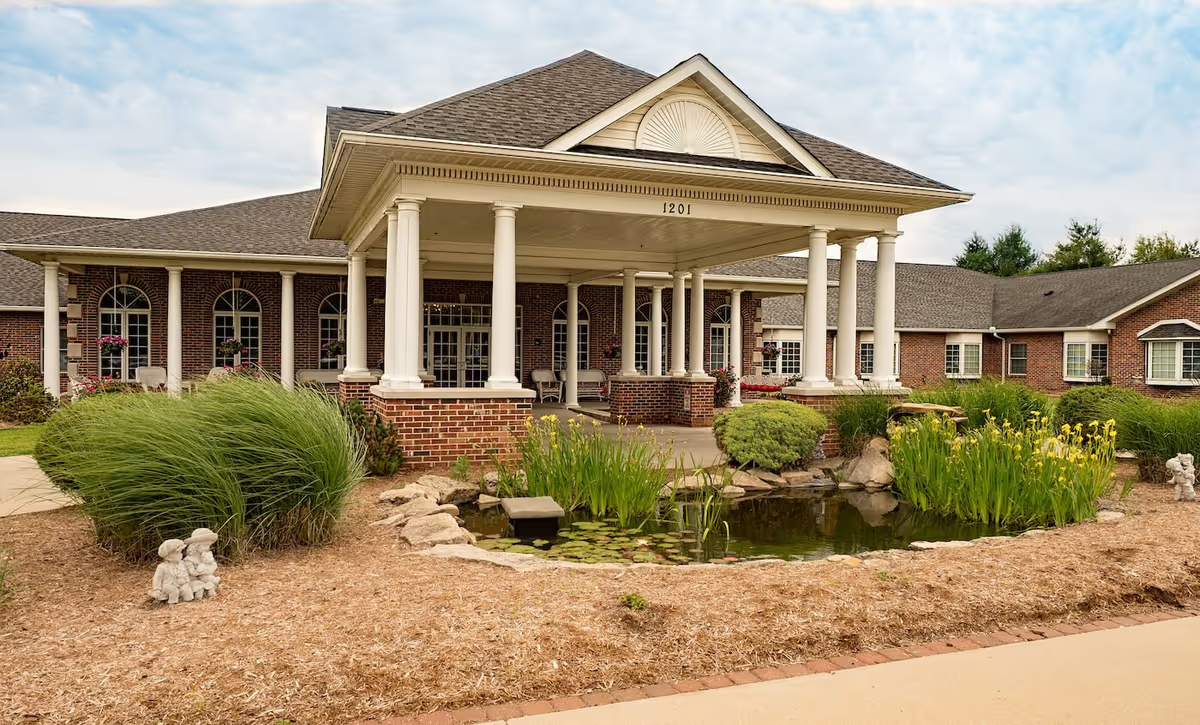
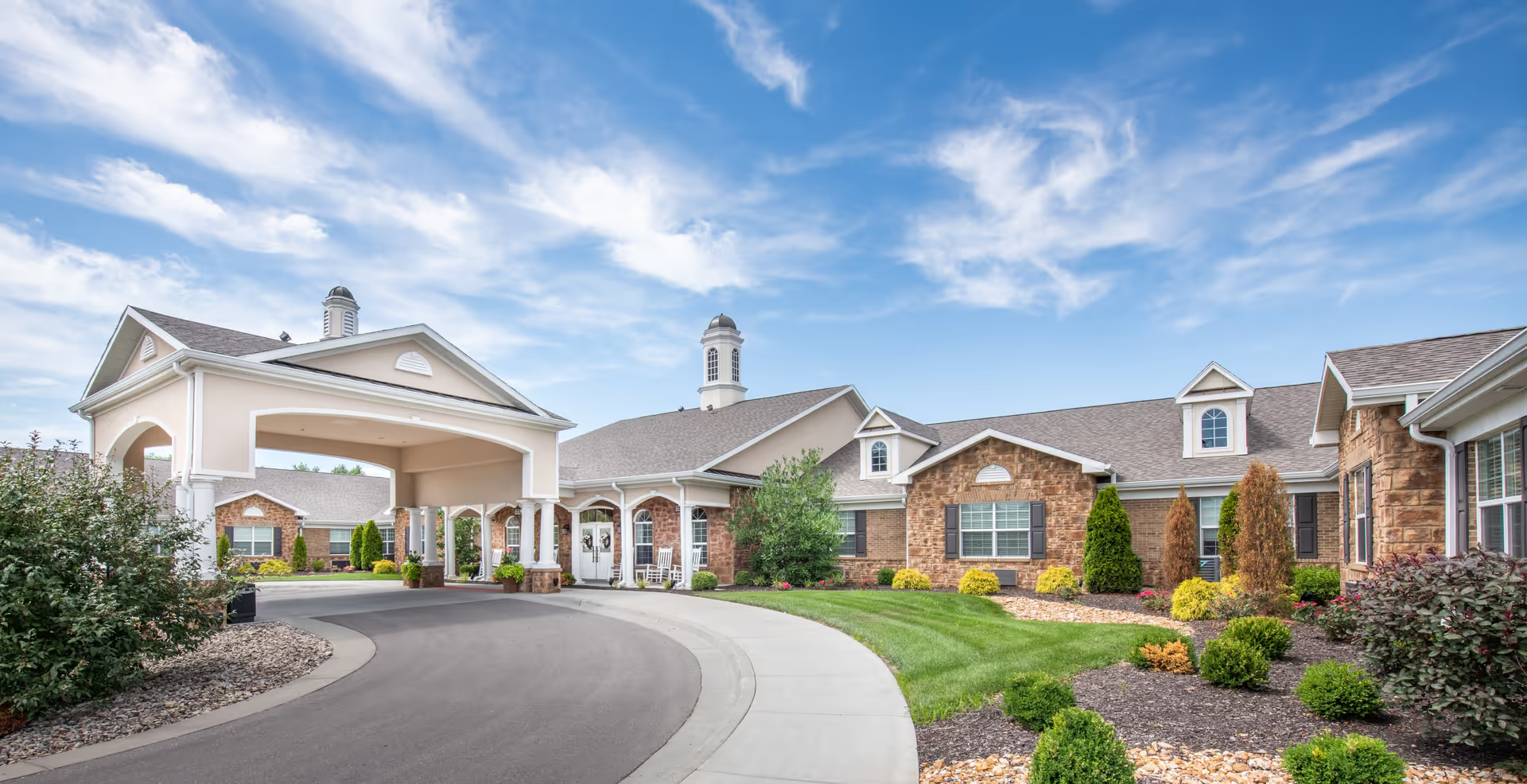
The Princeton Senior Living consistently presents as a new, well-appointed community with strong physical assets. Reviewers highlight an attractive, modern design, spacious apartment-style units (often with in-unit laundry), large common areas and outdoor spaces, and a robust set of amenities including an indoor pool, fitness center, salon and on-site therapy. The campus supports multiple levels of care—independent living, assisted living, and memory care—and offers transportation and weekly housekeeping as part of many service packages. Overall, the built environment and amenities are frequent strengths.
Dining and activities receive substantial positive comment. The community offers restaurant-style dining with an extensive menu, allergy-friendly and dietary accommodation options, and grab-and-go bistro choices. Food quality and variety are often described as a highlight, with several reviewers noting restaurant-quality cuisine and flexible dining options. The activity program is broad and diverse—fitness classes, arts and crafts, outings, short trips, holiday gatherings, and special events are commonly cited—supporting social engagement and opportunities for residents to remain active.
Direct-care staff are frequently praised for compassion and hands-on caregiving. Many families report attentive caregivers, kind nursing staff, and staff who preserve residents’ dignity. The community also uses technology and monitoring devices to support personalized care plans and proactive checks, which contributes to family confidence in safety and oversight for routine needs.
However, recurring operational concerns temper the overall positive impression. Reviews indicate high staff turnover and inconsistent staffing ratios, which can create gaps in continuity of care and role coverage. Relatedly, there are repeated comments about inconsistent clinical oversight—examples include uneven RN supervision and variability in medication administration procedures. Communication gaps between administration, nursing, and families are also noted; these include slow or unclear responses, difficulty reaching managers about clinical designations or care questions, and billing disputes or late fees. Administrative disorganization during pre-opening phases and through staffing transitions has contributed to unfulfilled service promises for some families.
Service reliability shows mixed performance. While food quality is often excellent, dining service reliability and meal delivery sometimes suffer during staffing or operational changes. Cleanliness is generally good in the new facility, but some reviews describe inconsistent sanitation standards in certain areas following role changes. There are also concerns about limited individualization of care for residents who require more tailored approaches—several reviewers observed that programming and routines may be more group-oriented, which may suit residents comfortable in larger-group routines but may not meet expectations for those needing highly individualized supports.
In summary, Princeton Senior Living appears to offer a high-quality physical environment, strong amenities, and many compassionate frontline caregivers. Prospective residents and families should weigh these strengths against operational patterns identified in reviews—particularly staffing stability, clinical oversight consistency, communication processes, and administrative/billing practices. During touring and decision-making, families may find it useful to ask specific questions about current staffing ratios, RN coverage and medication-management protocols, recent turnover, how individualized care plans are implemented, and how billing and extra-charge policies are handled to ensure the community’s operational practices match their expectations.