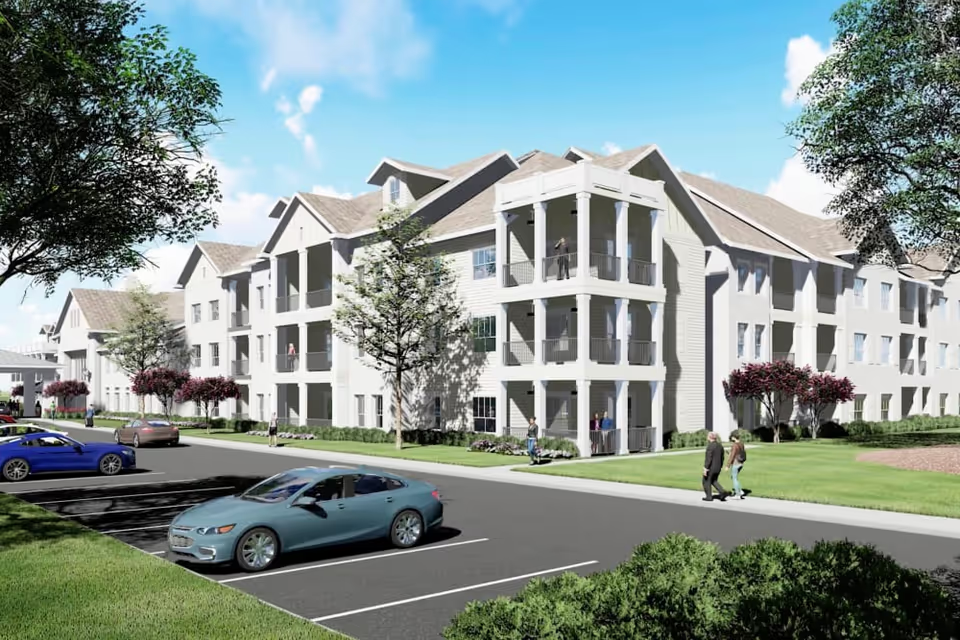
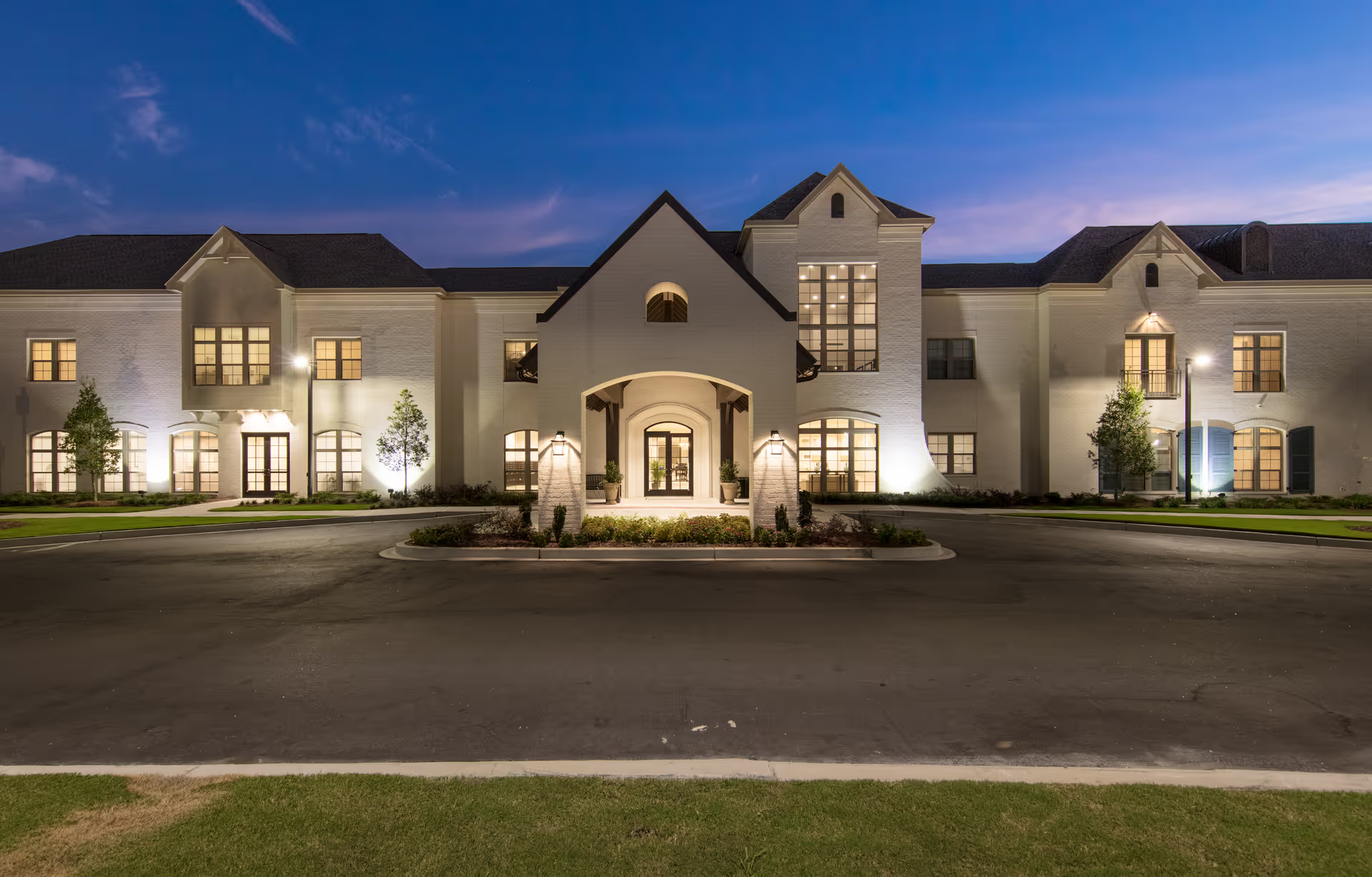
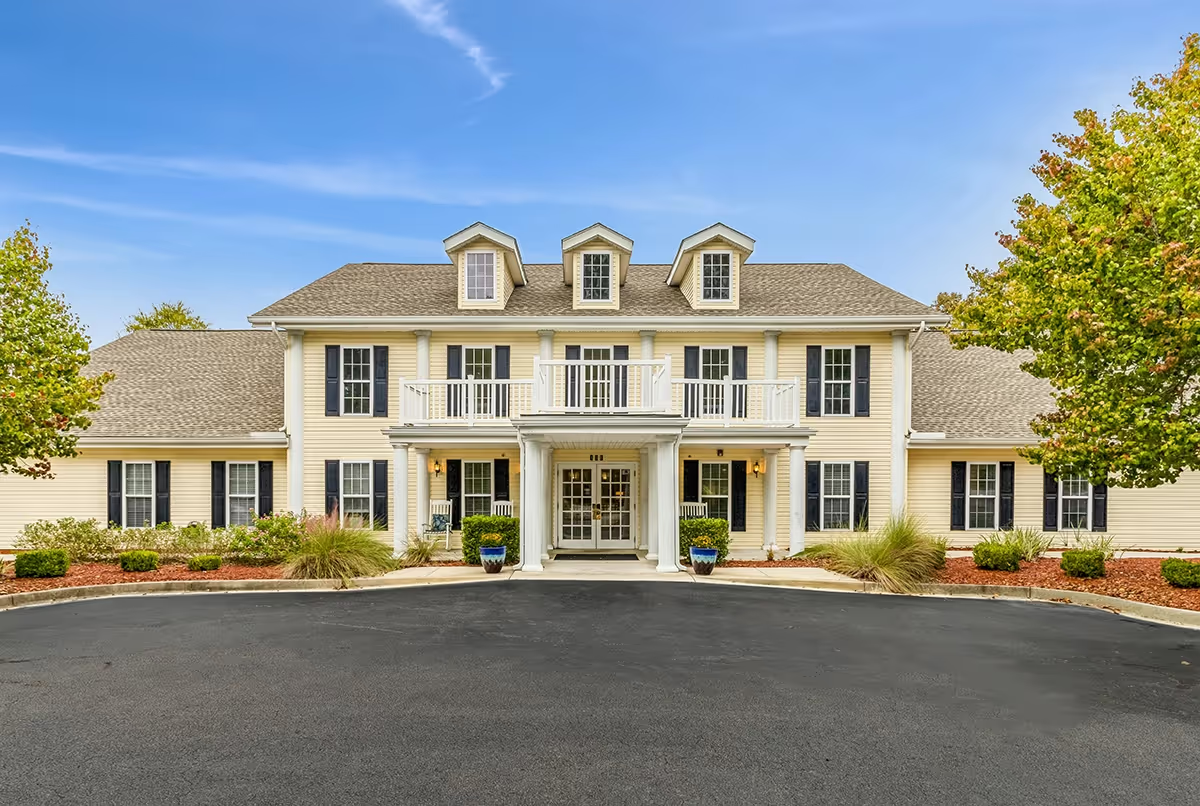
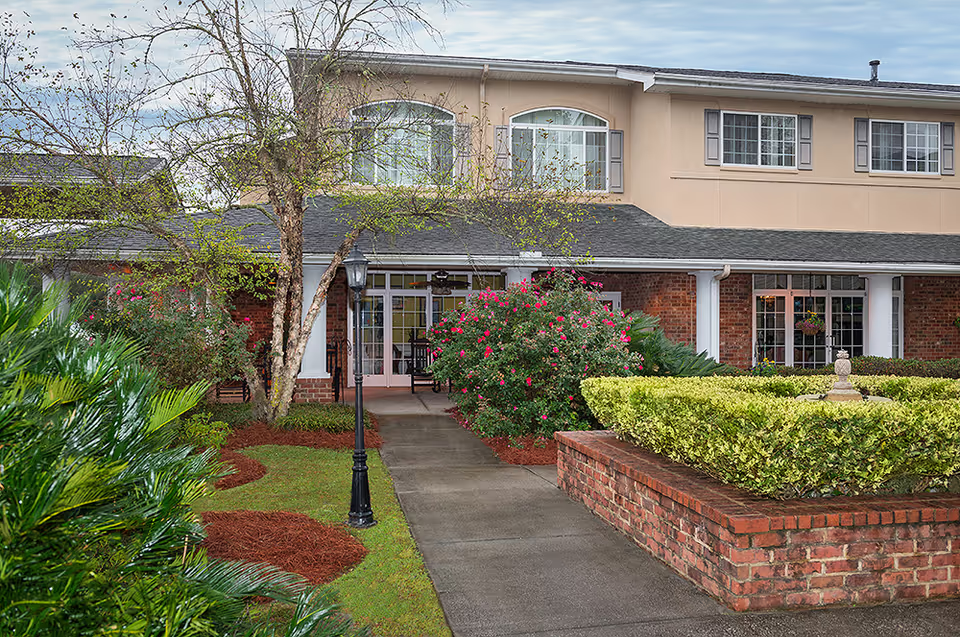
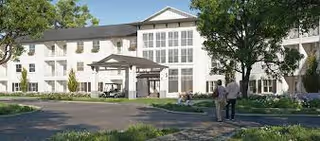
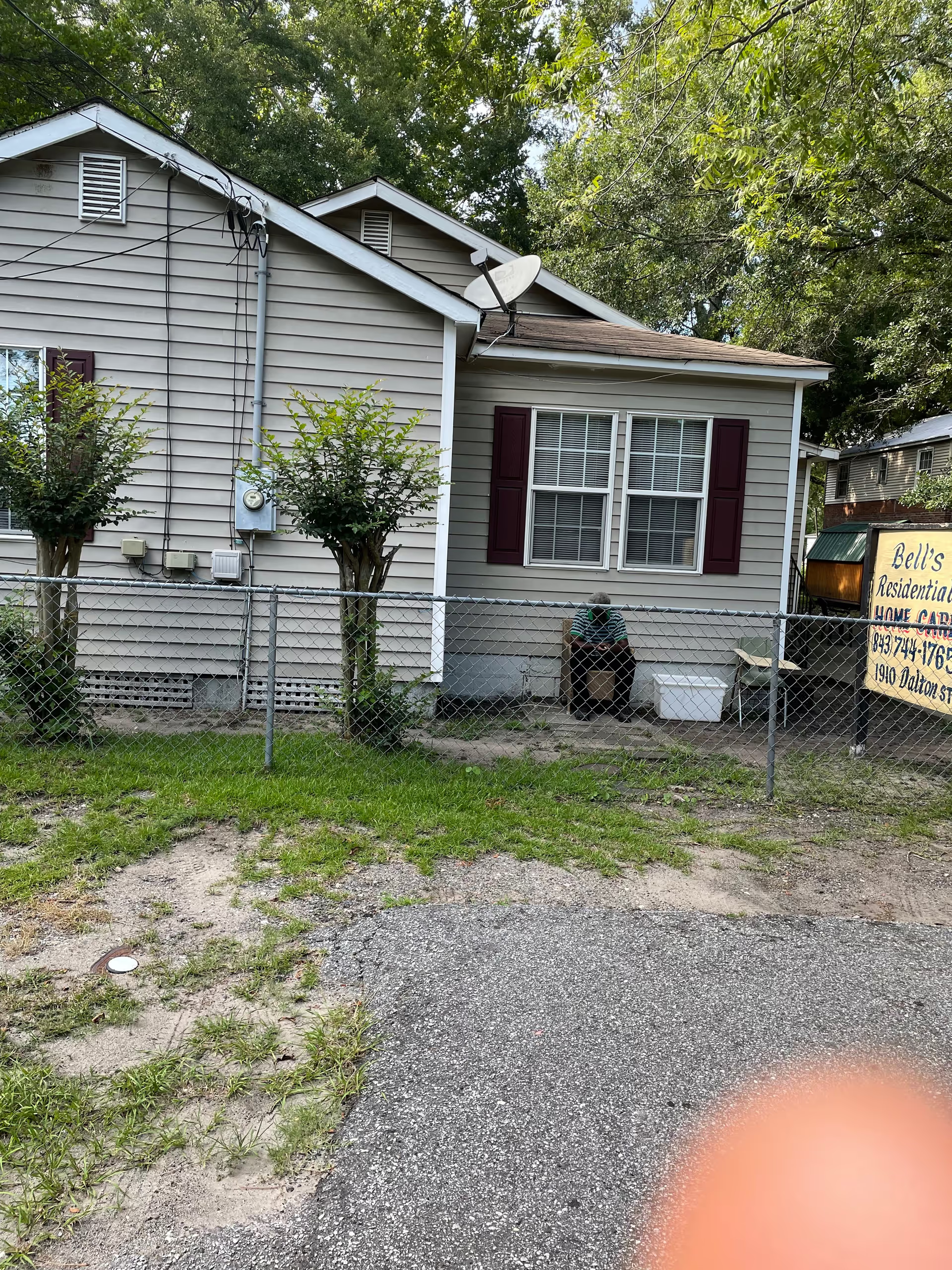
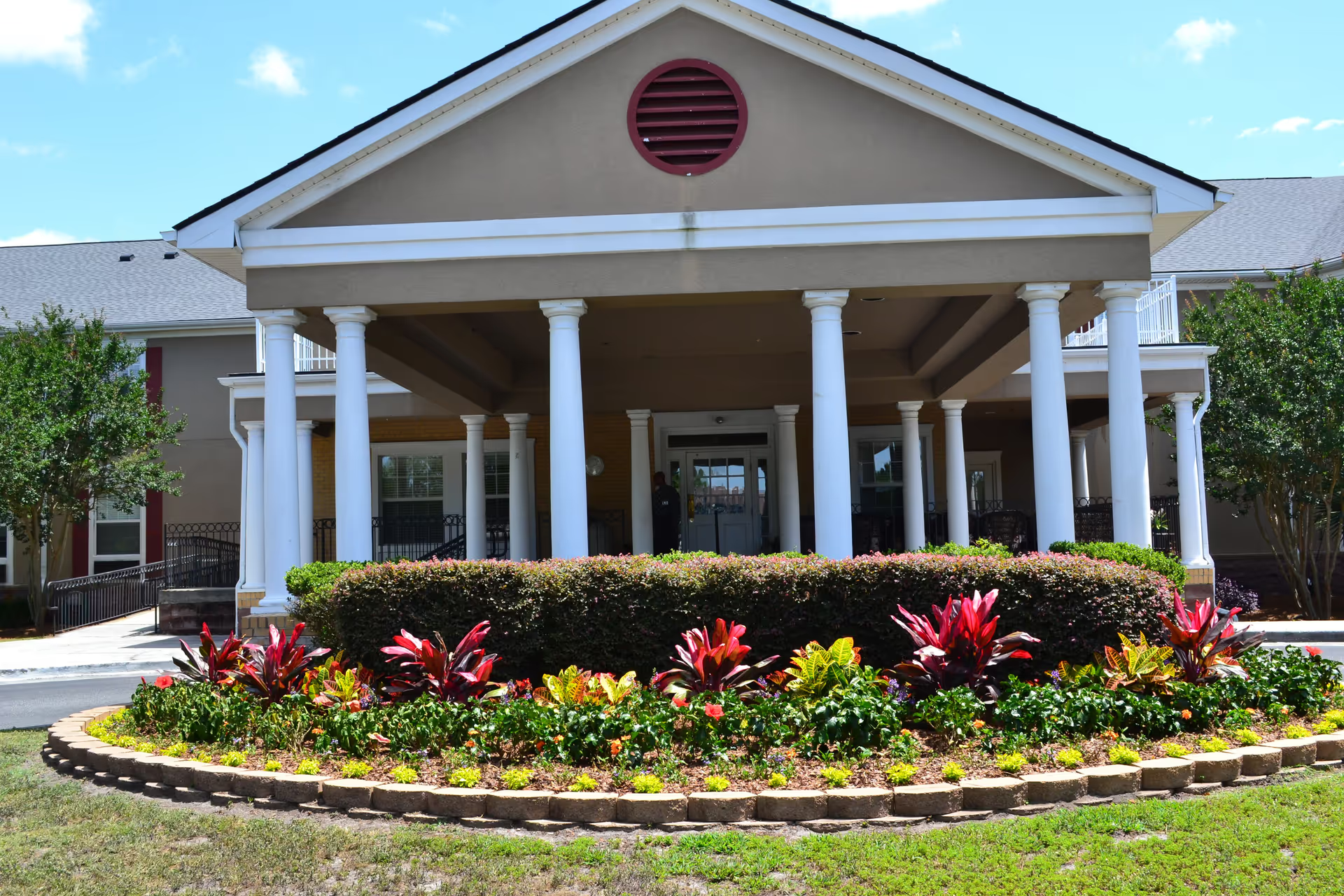
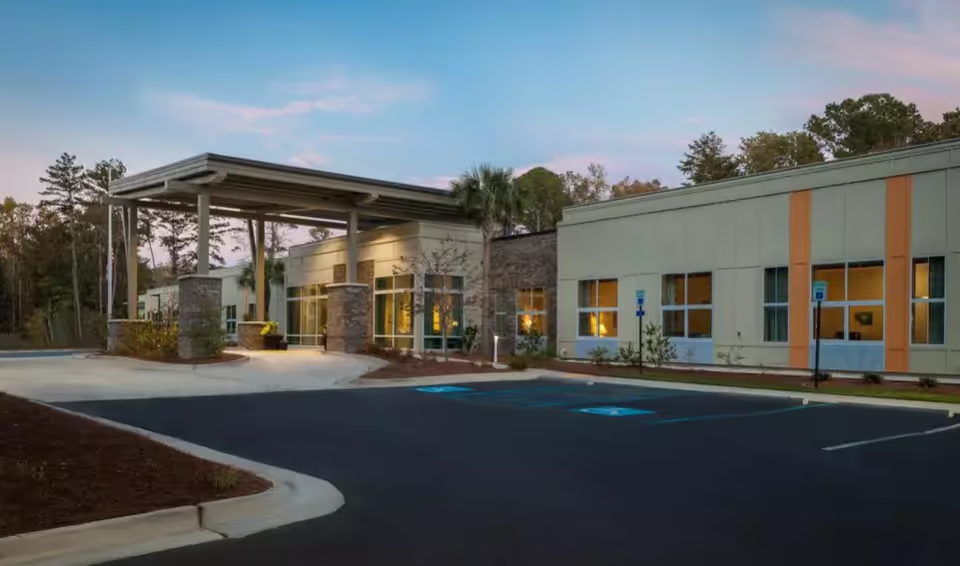
Summerville Estates projects a strong hospitality-oriented independent living model with a well-kept campus and an extensive set of amenities. The property is consistently described as clean, attractive and hotel-like, with thoughtfully landscaped grounds, ponds, and outdoor walking areas. Apartments are offered in a range of sizes (studios through two-bedrooms) and include accessible first-floor options, grab bars, emergency cords and elevator access. On-site amenities cited across accounts include a rehabilitation/therapy center, beauty/barber services, a small theater, library and computer room, salon, laundry support, and light housekeeping and maintenance services that many families find convenient.
Staff and care: Residents and families commonly describe staff as warm, welcoming and attentive; maintenance responsiveness and friendly dining-room staff receive frequent positive mentions. That said, reviewers also describe variability in staffing levels and service consistency. Several accounts indicate that the community is optimized for independent and lower-dependency residents; families contemplating higher-acuity care or progressive memory impairment are advised to confirm assessment processes and care-level capabilities. There are notes calling for more thorough care-level assessments to ensure appropriate placement and to identify residents who would benefit from enhanced clinical or memory care services.
Dining: Dining is a focal point of resident life at Summerville Estates. Many reviewers praise restaurant-style service, three daily meals, and plentiful snacks, and some describe high-quality, flavorful menus. At the same time, a notable pattern of inconsistent food quality, smaller portions at times, and limited entrée choices was described by other families. Several reviewers cited a decline in kitchen consistency following staffing and operational changes, and some suggested that meal schedules are relatively regimented with narrow choice windows. Prospective residents should sample dining and clarify menu flexibility, portioning, and special-diet handling during a tour.
Activities and social life: The community offers a broad menu of activities when fully staffed and programming is operating—examples include live music, sing-alongs, card groups, bingo, exercise classes, seasonal events and outings. Multiple reviewers appreciated the social opportunities and felt the environment became home-like and engaging. Conversely, activity availability has sometimes been reduced (notably during infection-control periods) and some residents described difficulty integrating into established social groups; prospective residents who prioritize an active social calendar should inquire about current, post‑pandemic programming and onboarding supports.
Management and operational patterns: Local management is frequently praised for being present, responsive and resident-focused, but several reviews point to inconsistencies between local leadership and corporate-level decisions. Families described instances of miscommunication around move-in logistics, sales interactions that felt heavy-handed to some, and uneven follow-through on certain amenities. Cost transparency and ancillary fees also emerged as a recurring theme—while many find the base pricing reasonable for the services offered, others view the overall cost and additional service charges as a financial drawback. There are also isolated sanitation and pest-control concerns noted; reviewers valued prompt local responses when those issues were raised, but these items suggest the need for ongoing oversight in housekeeping and facility maintenance programs.
Bottom line: Summerville Estates offers a well-appointed, hospitality-focused independent living environment with substantial on-site amenities, attractive grounds, and staff members who are often described as friendly and helpful. The community appears best suited to individuals seeking independent living with social programming and convenient services rather than those requiring regular skilled nursing or advanced memory care. Prospective residents and families should prioritize a comprehensive dining tasting, clarify care-level assessment and escalation procedures, confirm transportation accessibility for wheelchair users, and discuss all fee structures and onboarding practices during a tour to ensure the community matches their clinical and lifestyle needs.