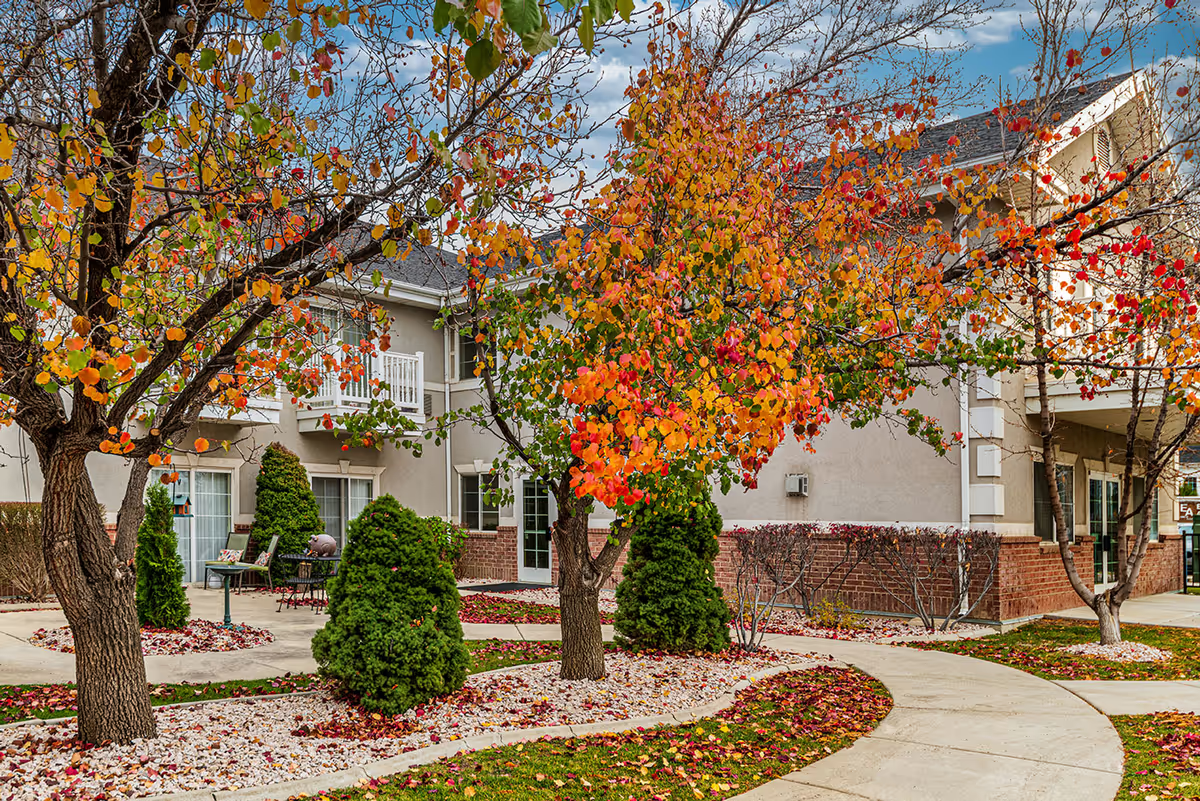
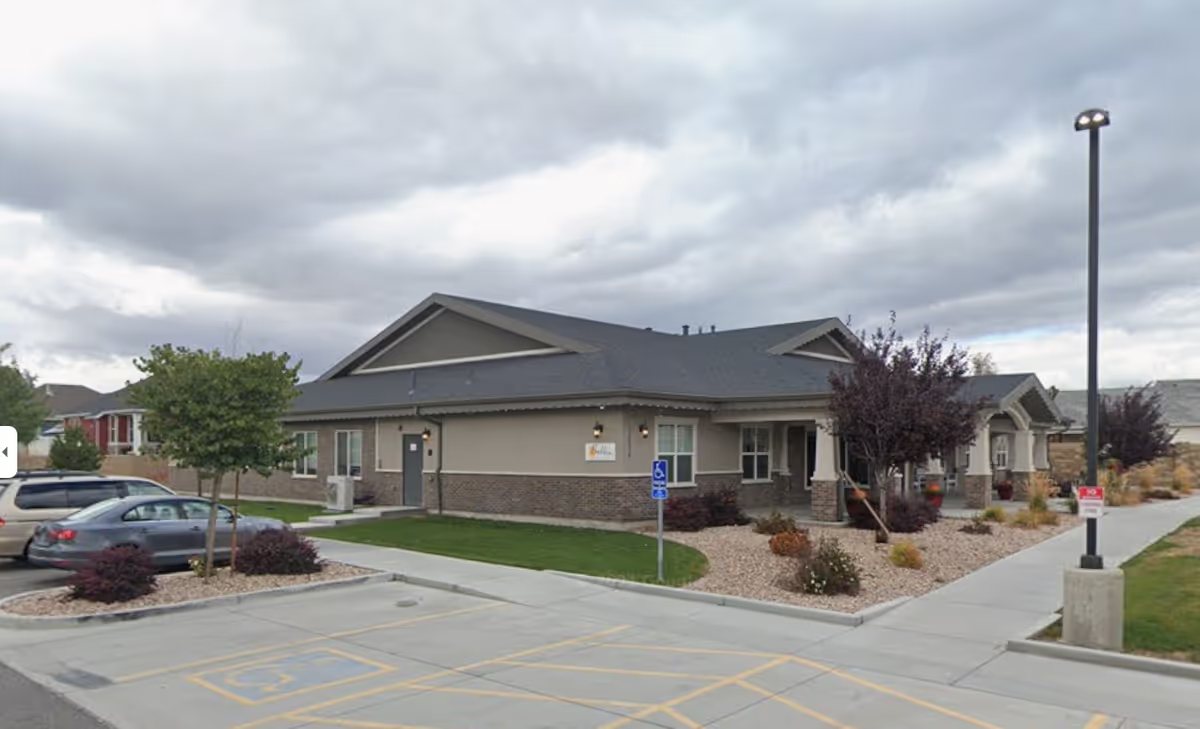
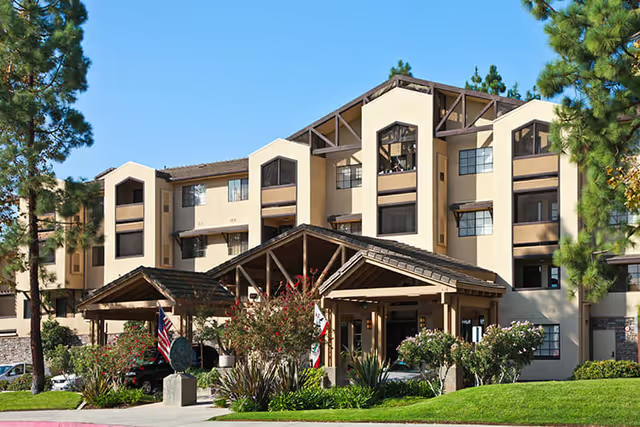
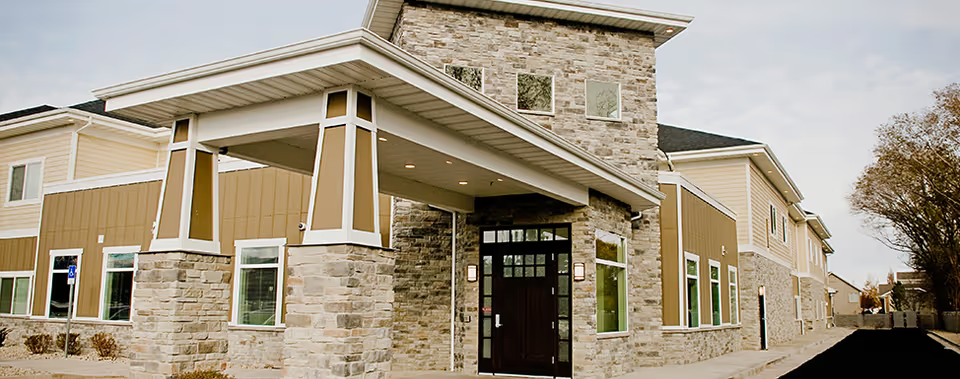
The Ivy at Draper operates as a senior apartment community (not an assisted-living facility) and is described by reviewers as convenient for residents who want independent living. Positive comments focus on an overall quiet atmosphere, dog-friendly grounds with a dog park, relatively spacious two-bedroom floor plans with large bathrooms, nearby retail and highway access, and on-site walking areas. Several reviewers also praised individual staff interactions and noted newer construction or recently updated units in parts of the property.
Care and services are limited by design: this community does not provide meal service or transportation and functions primarily as independent housing for self-sufficient seniors. While some residents found staff helpful, other comments indicate staffing instability and inconsistent conduct or communication from certain staff members. A recurring operational theme is slow or incomplete follow-through on maintenance requests, which reviewers linked to unresolved unit repairs and common-area issues.
Facility condition and building systems emerged repeatedly. Reviewers raised sanitation and cleanliness concerns in hallways and common rugs, inconsistent temperature control in corridors (hot in summer, cold in winter), intermittent lighting failures, and examples of broken common-area doors. There are also mentions of pest-control issues. Those items combine into broader concerns about infrastructure upkeep and routine property maintenance.
Financial and administrative practices are another notable pattern. Multiple comments referenced rising rents, added or high ancillary fees (for things like carports, exterior/hallway lighting, and utilities), occasional billing errors, and changes in ownership or management. Parking enforcement, guest-parking restrictions, and slow snow removal were described as ongoing operational pain points.
Safety-related observations included problems with exterior and interior lighting, some broken doors, and worries about electrical or fire risks in common areas. Given the mixed feedback on management responsiveness, prospective residents and families should verify current practices in writing: ask for a clear fee schedule, sample maintenance response times, pest-control protocols, emergency and safety procedures, and typical office hours. Visiting at different times (including mornings and during inclement weather) and speaking with current residents about ongoing maintenance and communication can help clarify whether the facility’s operational issues have been addressed by current management.