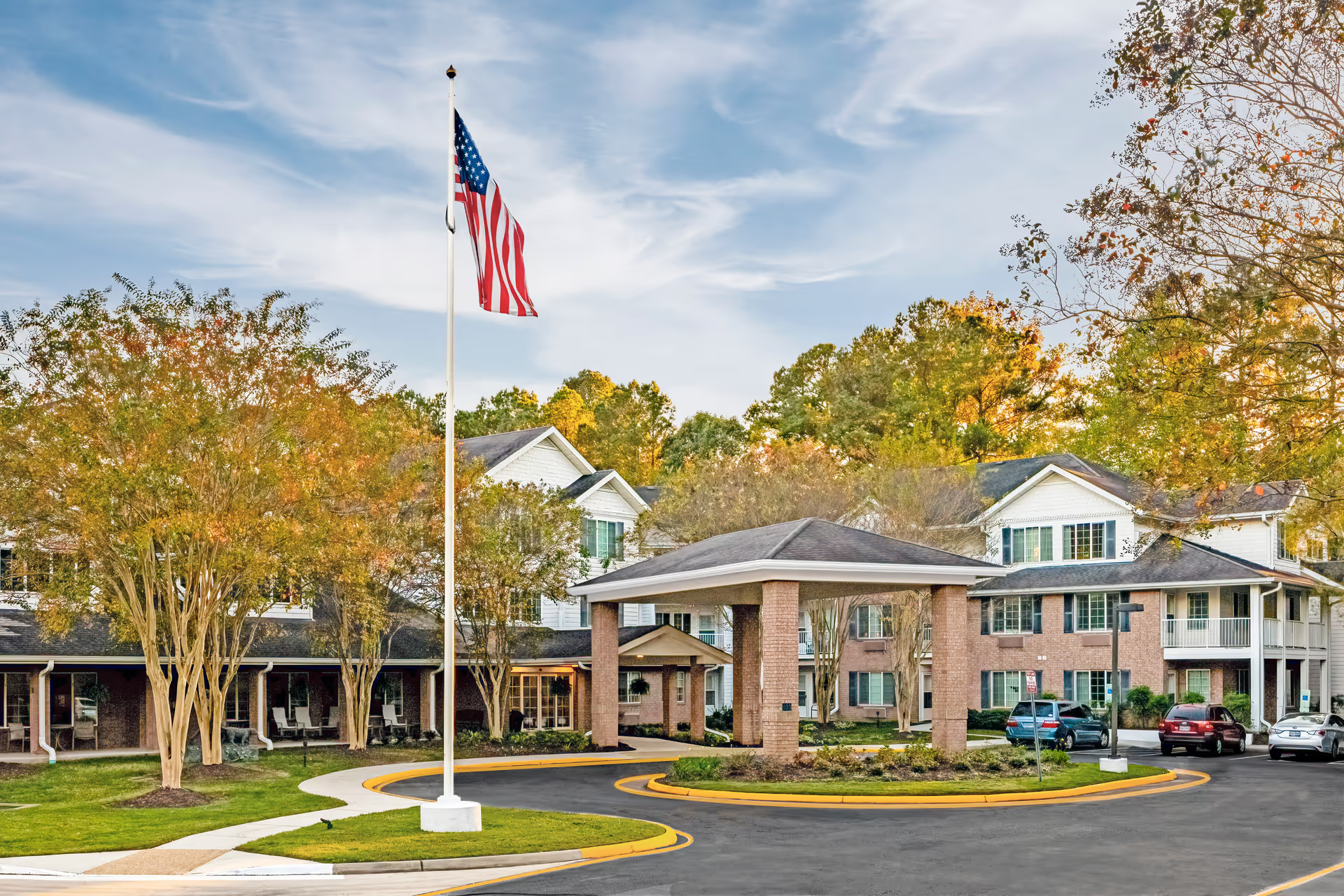
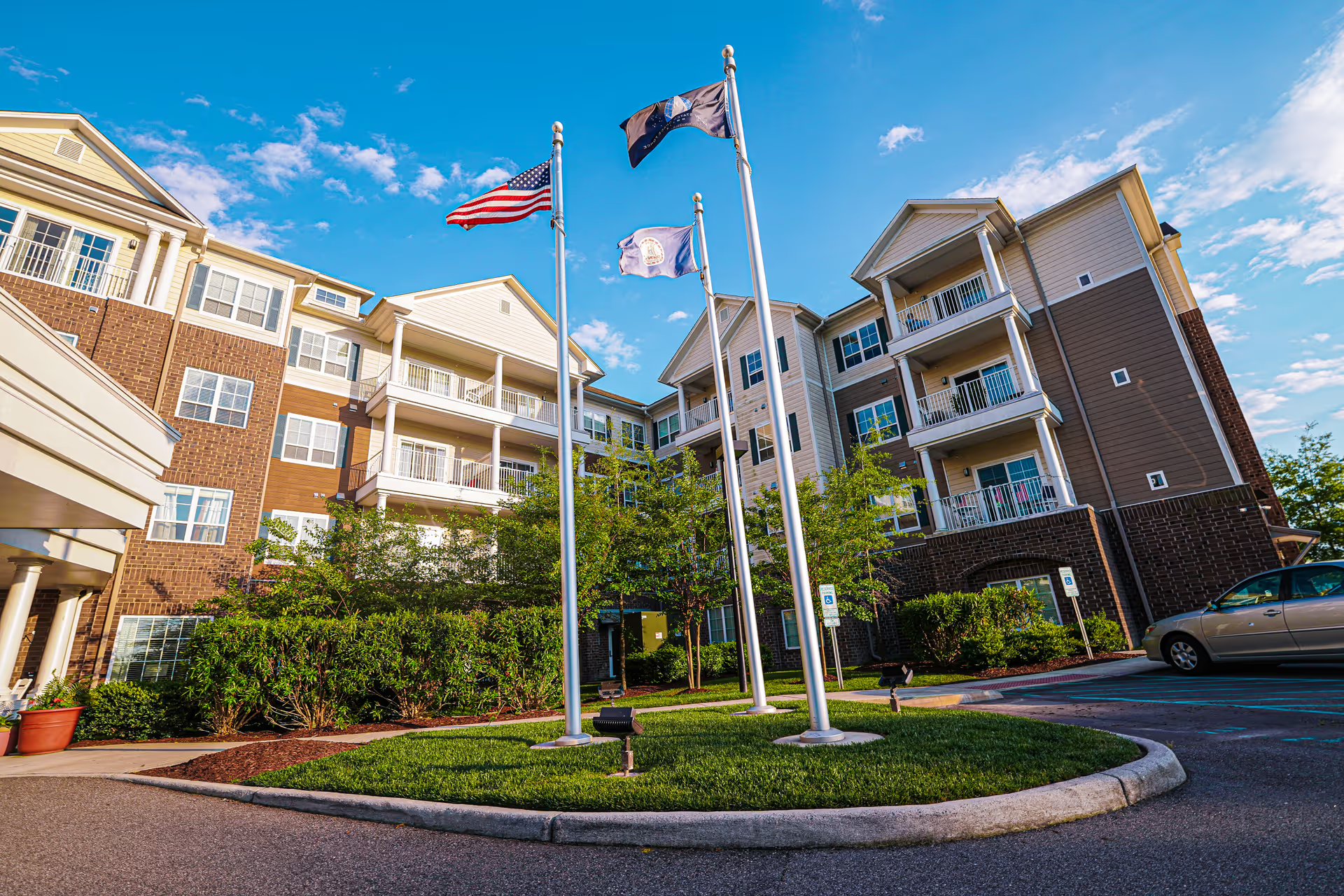
The Reserve at Greenbrier is primarily an independent-living community for adults 55 and older, rather than an assisted-living setting. Residents generally prepare their own meals and manage their daily needs, while the community offers social programming, shared spaces, and some supportive services. Reviews frequently praise the friendly, helpful staff and welcoming residents. Families and prospective residents particularly value the patient, detailed assistance provided during tours, application steps, and move-in planning. Residents also describe staff as responsive to questions and routine maintenance needs, though experiences with maintenance timing and management responses are not uniform.
Social connection is a prominent strength. Residents describe a busy calendar that can include exercise classes, games, music, crafts, educational programs, outings, and resident-led activities. On-site physical therapy is also noted. The clubhouse and other common areas appear to encourage residents to gather, and the courtyard, gardens, fountains, and koi pond contribute to the community’s appeal. Some feedback, however, describes activity choices as repetitive and notes limited transportation for off-site trips.
Apartments are often praised for their size, layout, storage, and full kitchens; some units also have features such as sunrooms, porches, or balconies. The grounds and shared spaces are frequently described as attractive and well maintained, and the location offers access to shopping, dining, services, and medical care. There are also contrary observations about hallway and grounds cleanliness, aging apartment finishes, and sound carrying between units. Elevator outages are a recurring concern because they can make access between floors inconvenient, particularly for residents with mobility devices.
Dining and transportation are important considerations when assessing fit. The community does not provide regular meals, so residents need to plan and prepare their own food. Transportation appears oriented more toward scheduled activities than routine errands or medical appointments; reviewers also differ on whether shuttle or outing options are available. Prospective residents should confirm current transportation arrangements and what is included in the rent.
Most feedback about staff and management is positive, but a few longer-term resident accounts raise concerns about rent increases, maintenance capacity, and the handling of significant apartment-condition complaints. Two accounts describe moisture or mold concerns and dissatisfaction with the remediation process and related communication; other feedback raises pest-control concerns. These accounts contrast with many descriptions of prompt repairs and supportive management, so prospective residents may wish to ask about inspection and remediation procedures, work-order timelines, elevator maintenance, rent policies, and how resident concerns are escalated. Overall, reviews portray a sociable, attractive independent-living community with notably strong personal assistance during the sales and transition process, alongside practical limitations in meals, transportation, and some aspects of building upkeep.