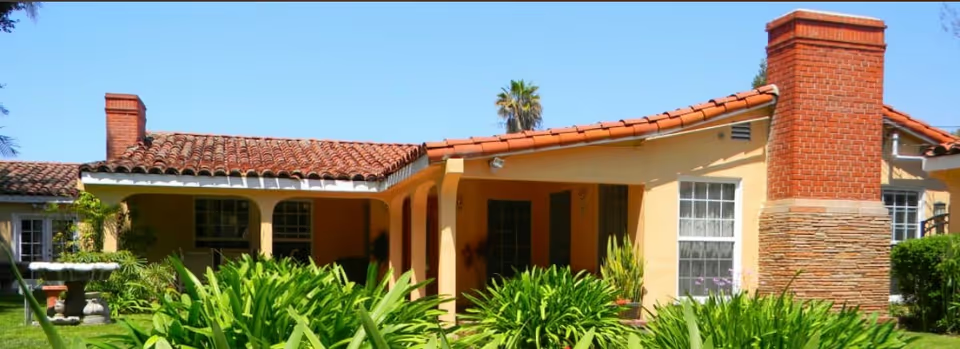
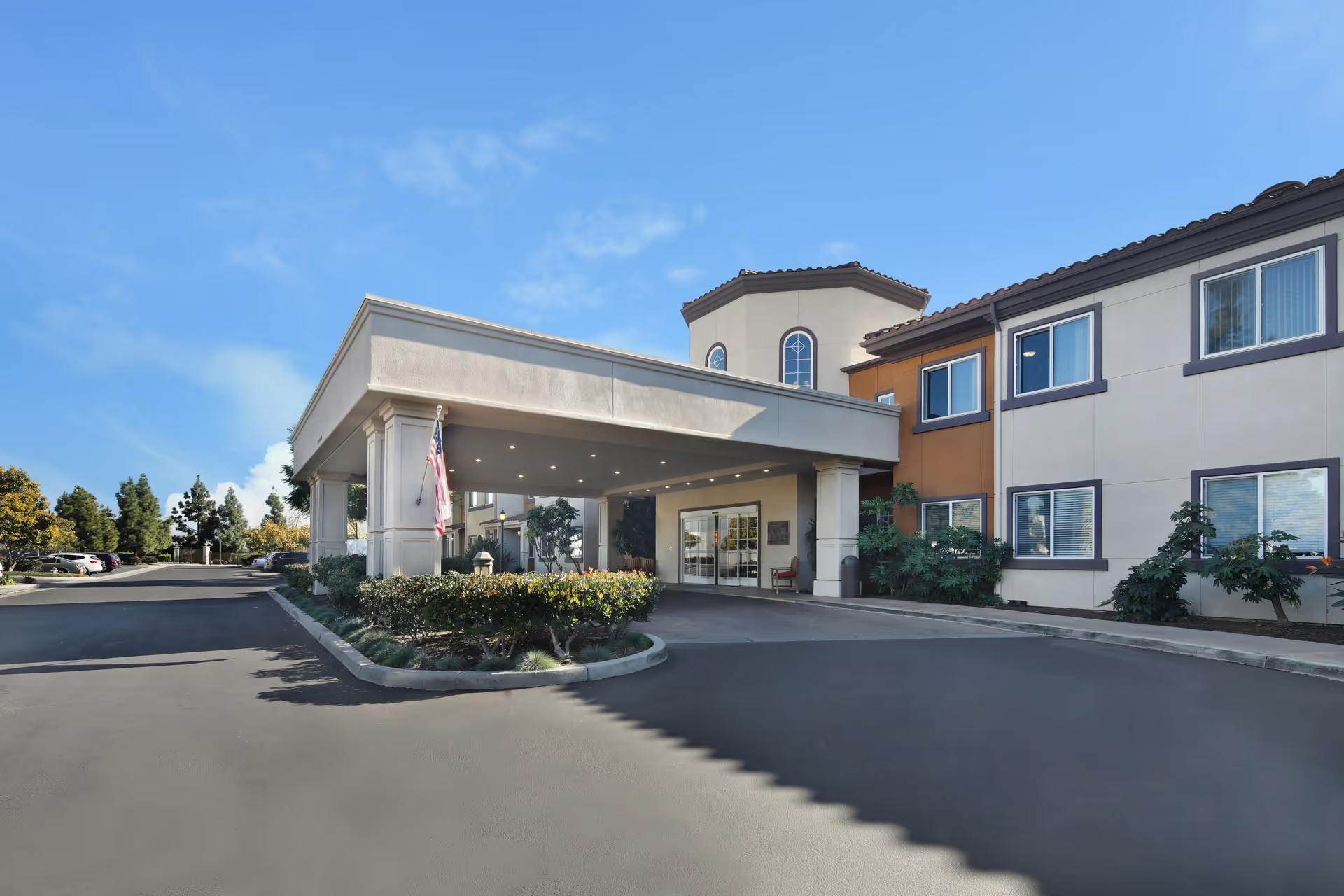
Lakewood Gardens positions itself as a dementia‑and‑Alzheimer’s‑specific memory care community with repeated strengths in caregiving and family engagement. Reviewers consistently note compassionate, dementia‑aware staff and knowledgeable med‑techs and nurses who provide routine clinical oversight. Many families highlight proactive communication, regular updates, and responsive leadership; several single caregivers and administrators received direct praise for accessibility and assistance with paperwork or care coordination. The facility’s single‑level layout, wide hallways, sliding doors, and enclosed outdoor patios are frequently cited as practical design features that support mobility and supervised outdoor activity.
Cleanliness and routine sanitation are commonly praised for interior areas: regular linen changes, equipment cleaning, and well‑maintained bathrooms were noted by numerous families. Programming includes a full activity schedule with sensory offerings (music, pets, crafts, baking) and family events, which help engage residents with moderate to severe dementia. On‑site medical coordination, hospice support, and periodic doctor visits are additional strengths that support end‑of‑life and higher‑acuity needs for many residents.
At the same time, a consistent pattern of operational limitations emerges. Medication management and shift handoffs are a recurrent concern; several accounts describe medication administration inconsistencies and communication lapses between shifts that families found worrying. Staffing levels, particularly overnight and on weekends, are described as constrained, which contributes to higher resident‑to‑staff ratios in activity areas and perceptions of insufficient individualized attention. For residents with earlier‑stage or higher‑functioning dementia, the group‑focused activity model may not provide adequate one‑to‑one cognitive stimulation.
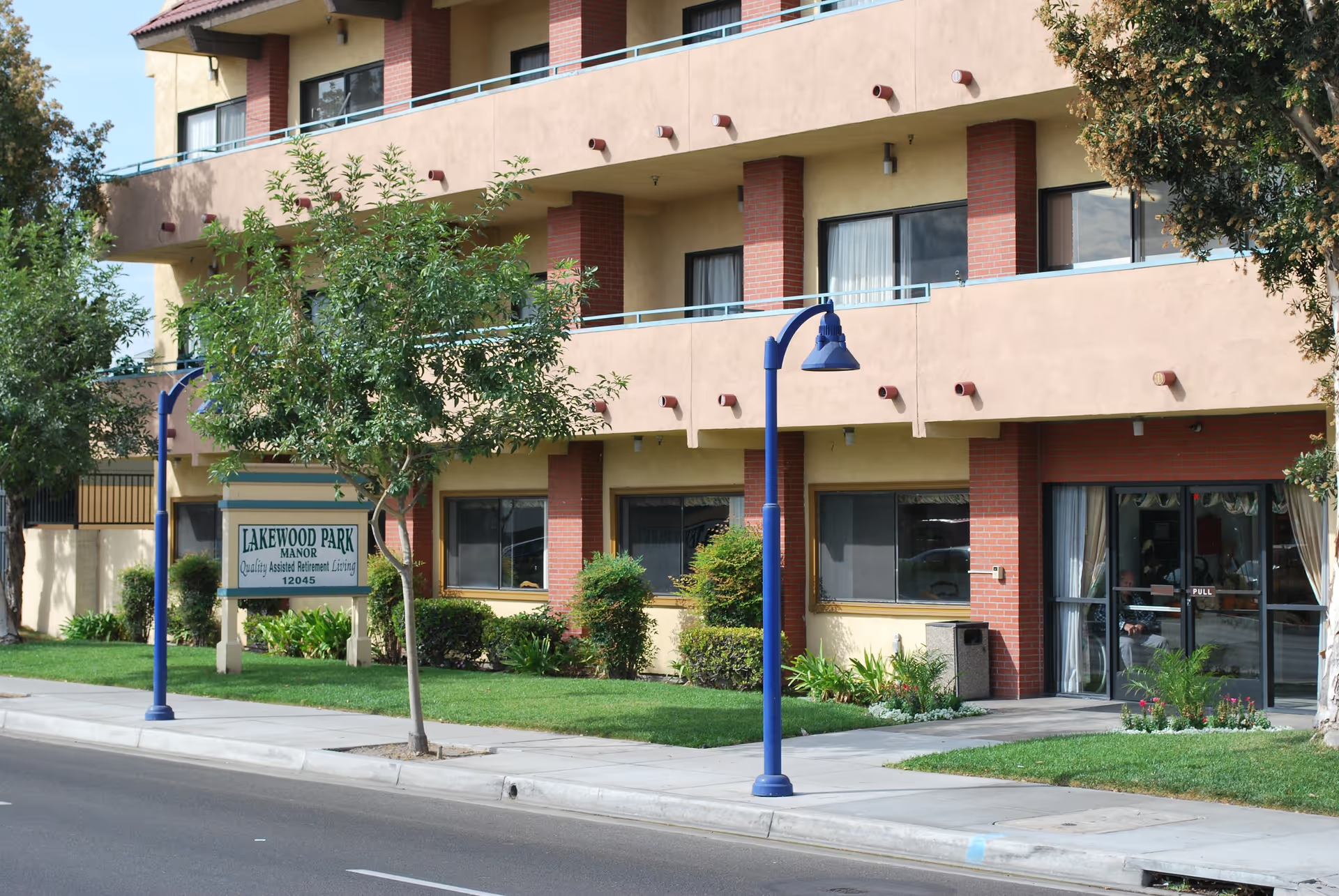
Facility condition and services show mixed signals. While interior maintenance and sanitation are praised, reviewers also mention dated sections, variable exterior upkeep, and occasional odor concerns in some common/outdoor areas. Dining receives mixed evaluations: many describe balanced, above‑average meals, but others note inconsistent quality and timing issues (for example, meal service setup timing that does not align with resident arrival). Administrative areas such as billing transparency and certain policy restrictions (personal cameras and cell phones) have generated family questions. A smaller set of reports point to gaps in clinical‑incident response and family notification after acute events, underscoring the need to confirm emergency protocols and escalation pathways.
Overall, Lakewood Gardens is frequently recommended for families seeking specialized dementia care in a secure, socially active setting with attentive staff and cost options for shared rooms. Prospective families should weigh the strong dementia expertise, clean interiors, and active programming against the facility’s operational trade‑offs: verify current staffing patterns, medication‑management procedures, activity‑to‑resident ratios, and administrative policies during a tour. Those requiring intensive 24/7 clinical monitoring or highly individualized cognitive programming should probe staffing and clinical response practices before placement; families prioritizing specialized, compassionate memory care in a secure, accessible campus are likely to find Lakewood Gardens a solid option.