Overall, families and visitors describe Oxford Glen Carrollton as a dedicated memory care community with a warm atmosphere and generally strong, compassionate day-to-day care. Positive accounts emphasize staff who learn residents’ preferences, respond to individual requests, and help residents feel comfortable and engaged. Some families also value continuity among staff and describe supportive care during difficult transitions and end-of-life periods. However, a sharply contrasting account raises concerns about resident checks, routine supply monitoring, staff attentiveness and communication, and the tracking of personal belongings and laundry. Another family expressed concern about nutrition and mobility support. These issues warrant direct questions during a visit, particularly about care routines, wellness monitoring, and how concerns are escalated.
Staff and leadership are among the most consistently praised aspects. Reviewers describe caregivers, nursing and activity staff, and administrators as friendly, experienced, professional, and invested in residents. Families also value communication about care needs, transition guidance, and, in one account, an app providing updates and photos. A separate reviewer felt the admission process could have given more attention to the family’s emotional needs, so prospective families may wish to ask what support and communication are provided before and during placement.
Activities are frequently described as a strength. Accounts mention daily opportunities to participate, staff interaction, parties, and activities designed to give residents a sense of purpose. Families describe residents becoming more willing to join activities over time. One reviewer’s concern about inactivity and changes in physical condition stands in contrast to these positive experiences, making it useful to ask how activity, mobility, and nutrition plans are individualized and monitored.
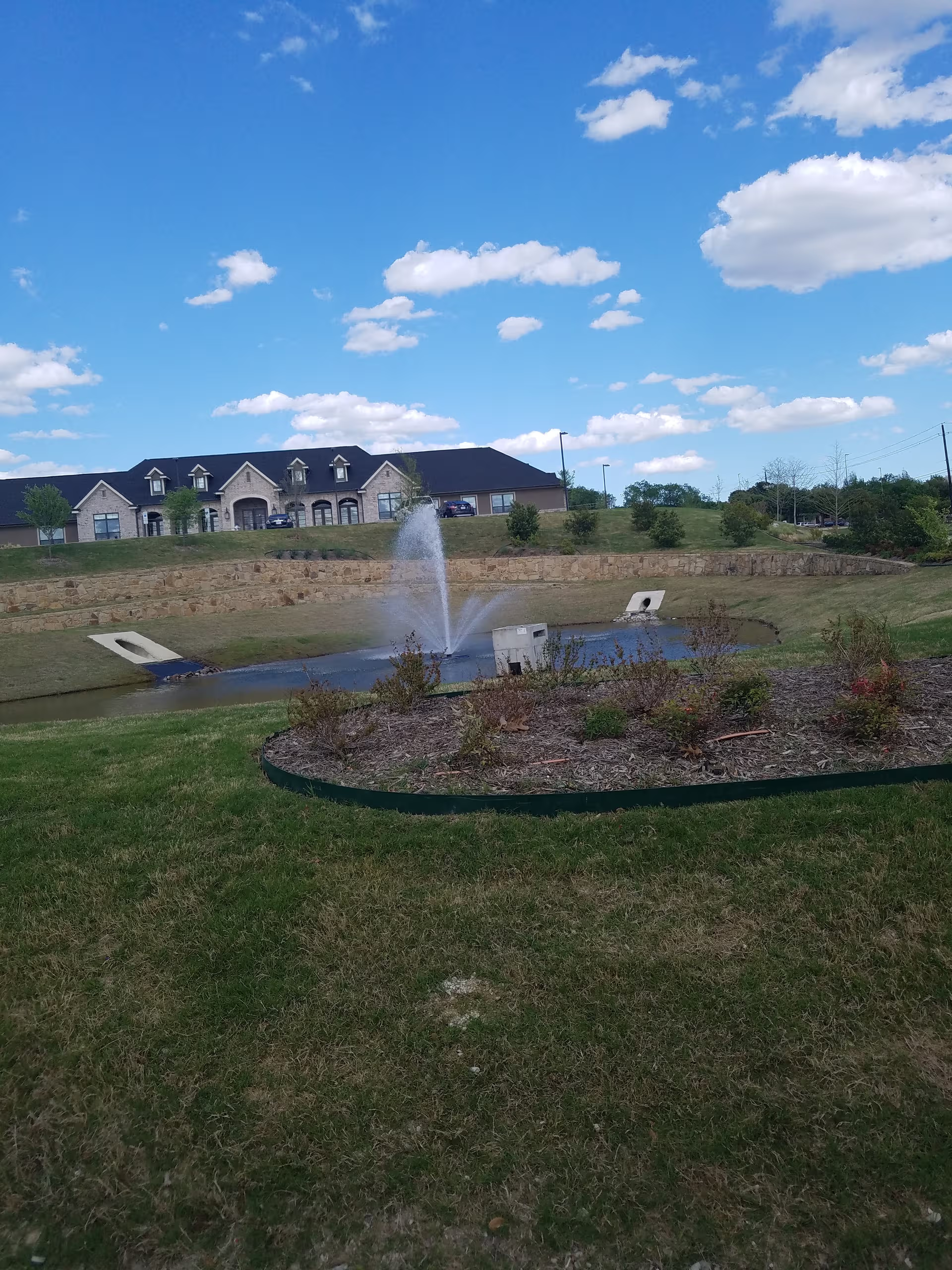
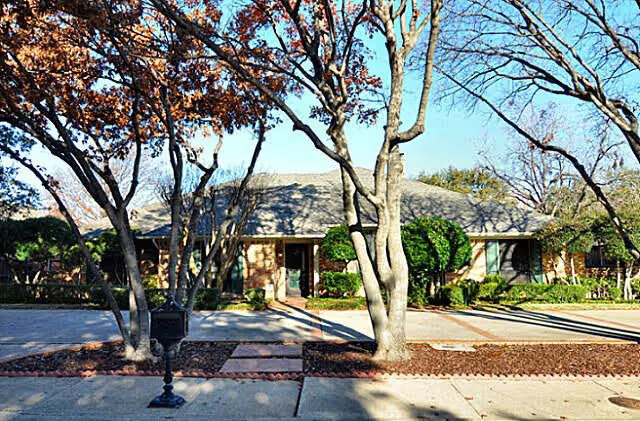
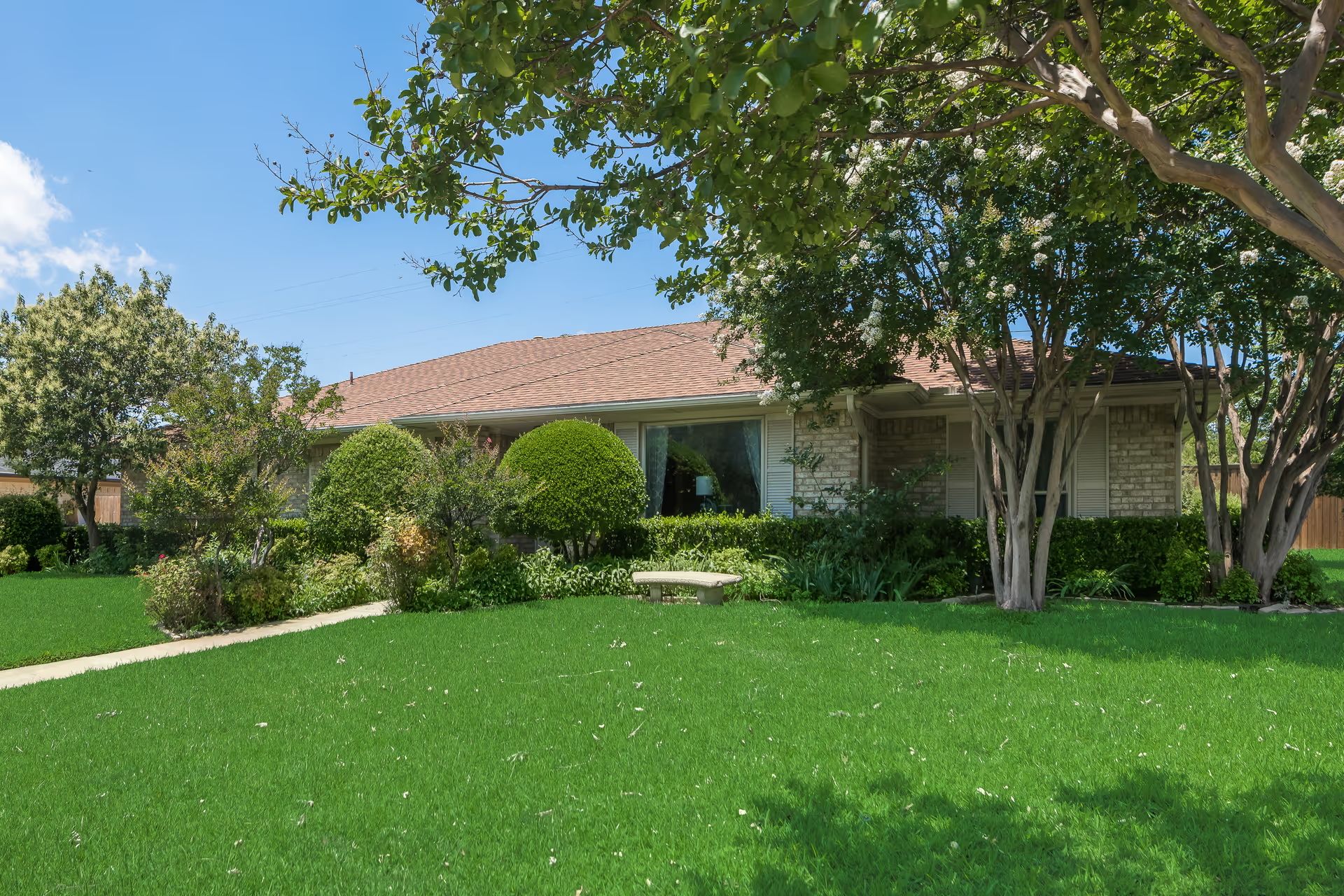
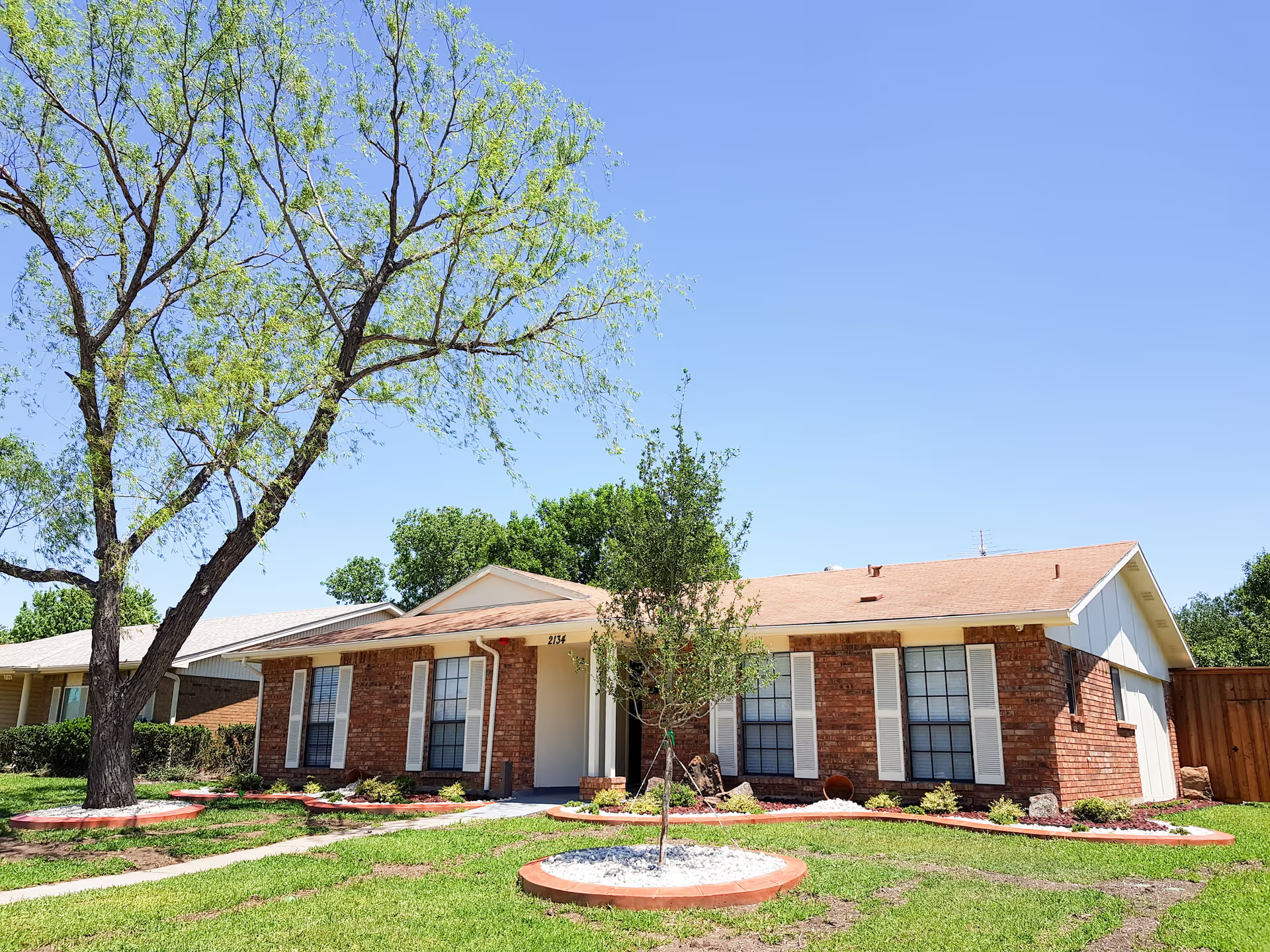
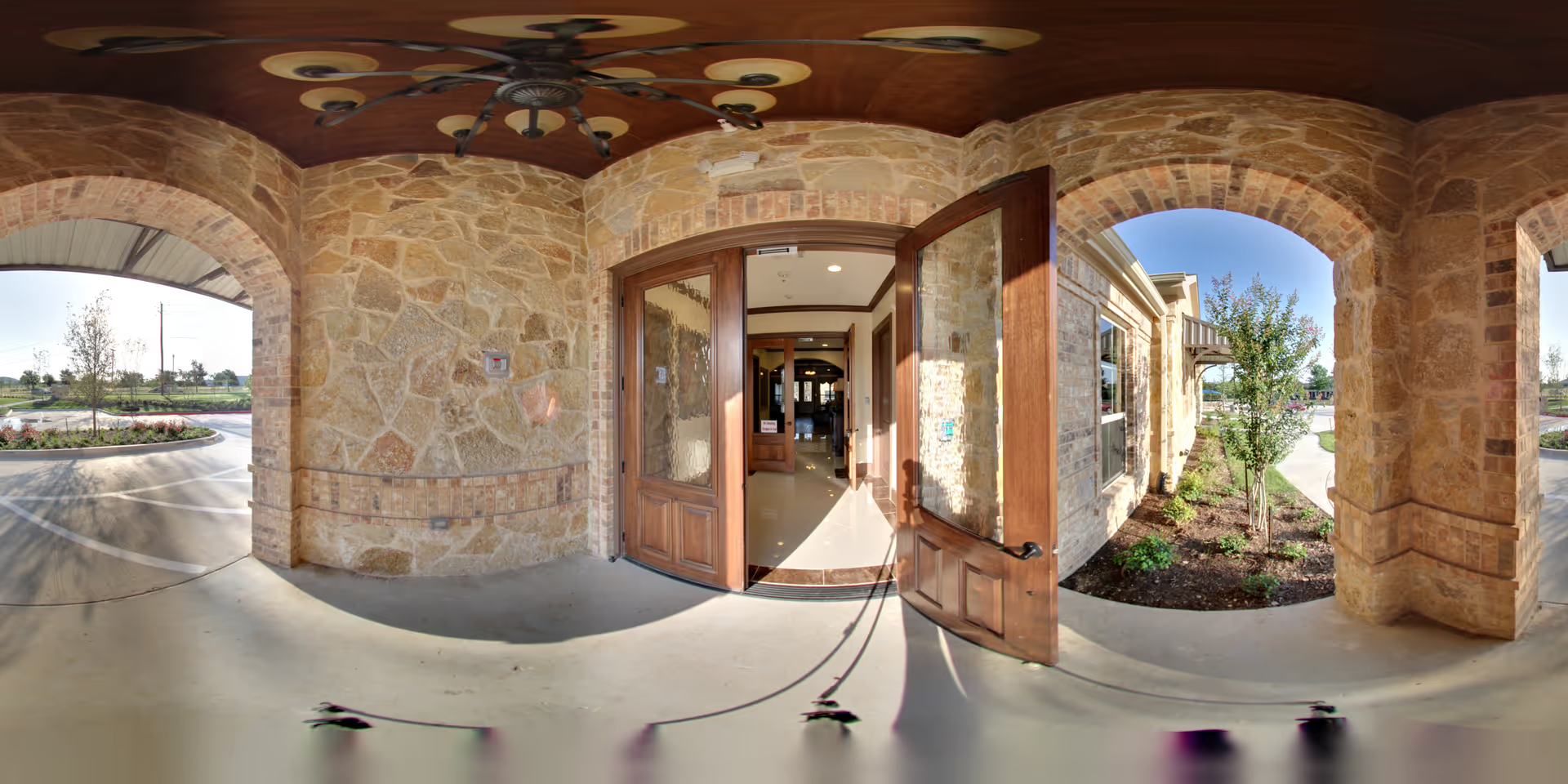
The physical environment is commonly described as clean, pleasant, and well maintained. The cottage or “house” layout, including horseshoe-shaped arrangements, is praised for making rooms easier to find and improving staff visibility; reviewers also mention secure access features, open common areas, natural light, and a home-like feel. A recurring practical drawback is that bedrooms are compact and lack built-in closets, with wardrobes taking up additional space. One review also suggests gathering-area choices may be limited. Dining feedback is mostly favorable, with food described as good and meals generally enjoyed, alongside a concern about whether diet and activity are sufficiently tailored to individual needs.
The community appears best suited to people who need dedicated memory care; one family found it was not the right fit when their relative was not yet ready for that level of care. Respite flexibility and a pet accommodation are noted as helpful features. In considering the overall picture, families may want to tour the specific cottage and bedroom, observe an activity and meal, and discuss staffing routines, personal-item tracking, wellness monitoring, and communication expectations with current leadership.