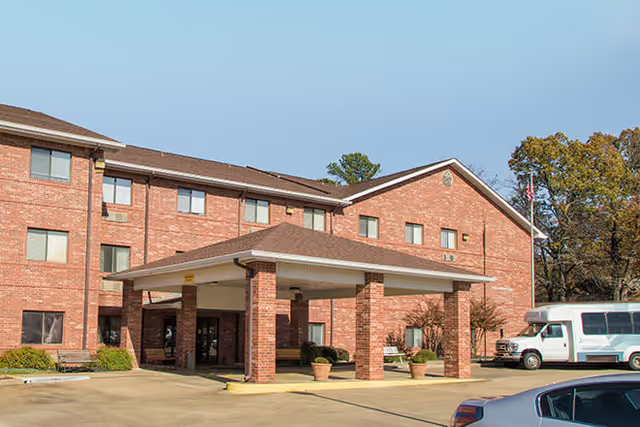
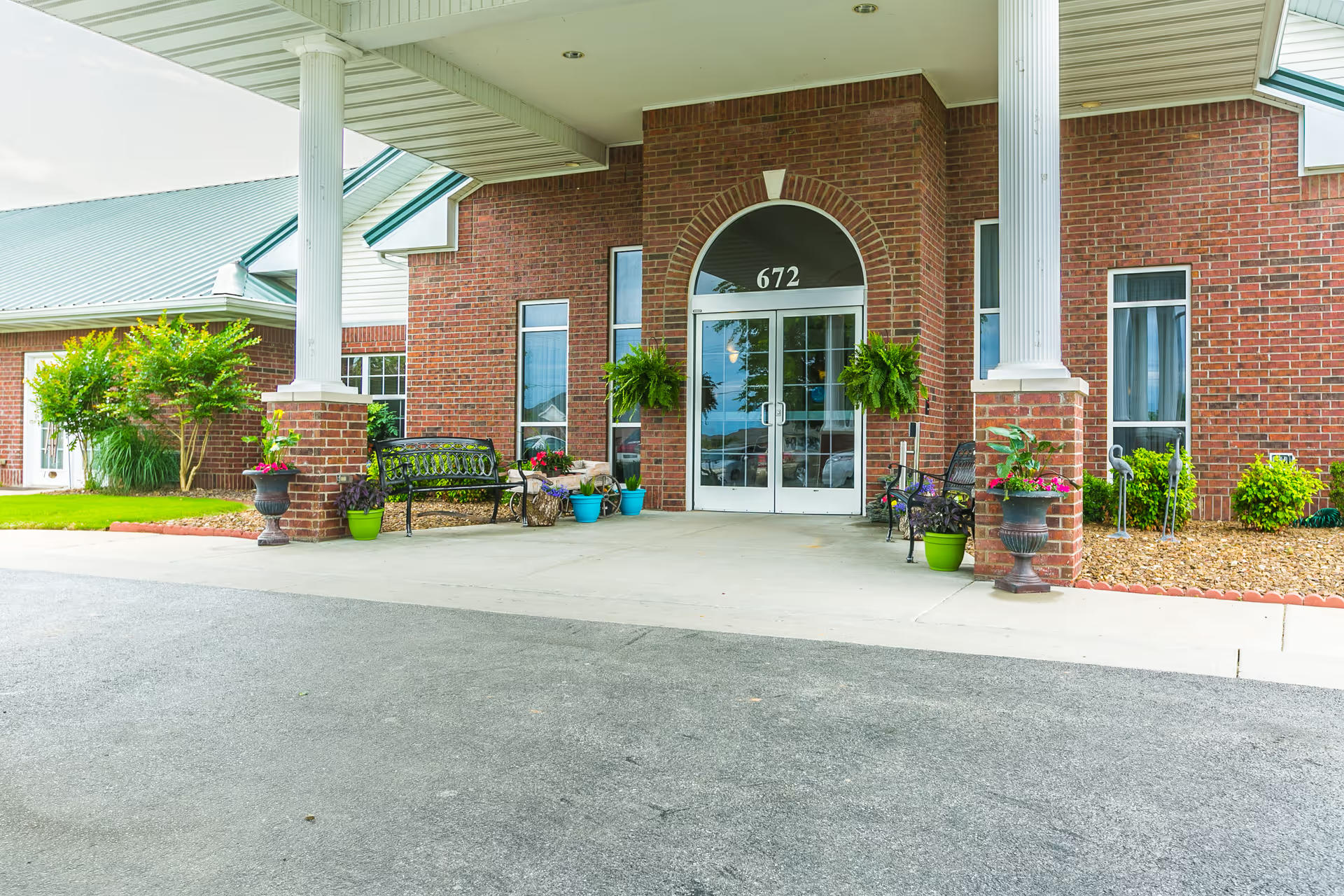
The reviews present a strongly mixed picture of care at this facility, with distinct positive and negative themes. Positive accounts emphasize a compassionate, family-like atmosphere, attentive aides, an involved administrator, and effective social-work support. Several reviewers described the facility as clean and home-like with strong teamwork among direct-care staff and good post-acute rehabilitation outcomes for particular residents. These strengths suggest the facility can provide a nurturing environment and coordinated care when staffing and systems function well.
At the same time, there are recurring operational concerns that represent potential risks to resident well-being. The most consistent issues involve staffing levels and responsiveness: reviewers cited unanswered call signals, delayed assistance, and long waits for clinical evaluation and medication administration. These factors are associated in the feedback with negative clinical events, including pain-management problems, pressure-injury concerns, repeated hospital transfers, and weight loss. For residents with cognitive impairment, reviewers identified inconsistent dementia-focused routines and irregular personal-care schedules such as bathing frequency.
Communication and documentation processes are another area of contrast. Some families praised an informative social worker and supportive leadership, while others reported poor follow-through on incidents, missing incident reports, and insufficient family notification. There are also comments pointing to confrontational or dismissive supervisory responses and inadequate grievance handling, which some families described as undermining trust. In at least one instance the term "allegations" is appropriate: concerns were raised about theft and a disputed sizable bill, indicating potential financial/administrative risks worth investigating.
Dining and nutrition-related practices appear uneven. Positive impressions of overall care coexist with specific complaints about meal suitability for residents with chewing or dental limitations and reports of weight loss that reviewers associated with inadequate dietary accommodations or monitoring. Facility infrastructure issues were also noted: some reviewers described small rooms, problematic bed adjustments, and nonfunctional call systems; others described clean, odor-free common areas, so physical conditions may vary by unit or over time.
A temporal pattern is suggested in the feedback: earlier stays or short-term rehab episodes were described more positively, whereas several accounts from the pandemic period and later describe degraded responsiveness and coordination. Prospective residents and family members would be well advised to ask about current staffing ratios, call-response reliability, dementia-care protocols, incident-reporting and family-notification practices, and billing procedures when evaluating the facility.
In summary, the facility demonstrates strengths in compassionate, team-oriented caregiving and supportive administrative roles for many residents, but reviews also point to operational inconsistencies—most notably chronic understaffing, lapses in clinical responsiveness and documentation, uneven dining accommodations, and concerns about management follow-through. These mixed signals merit targeted questions and onsite observation for anyone considering placement.