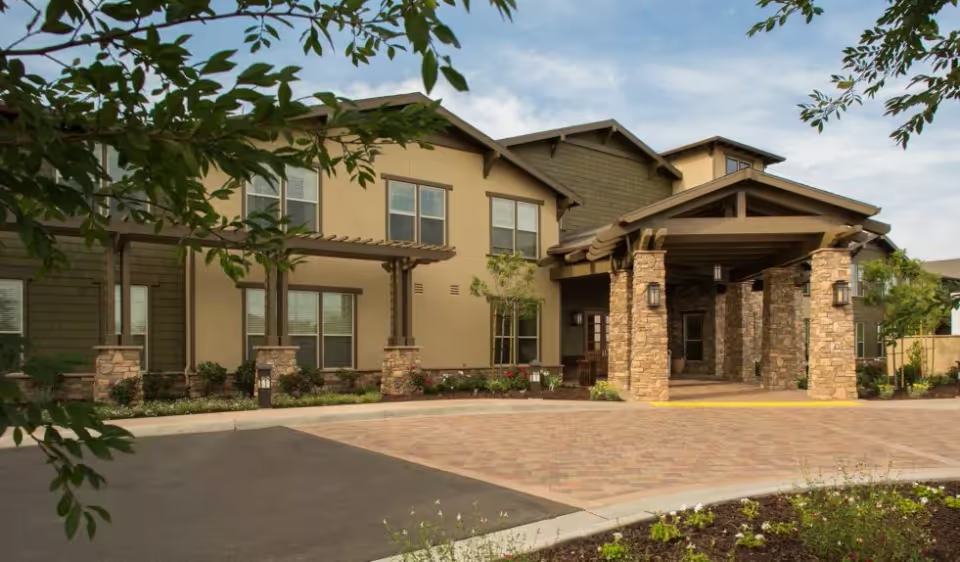
The reviews present a mixed but distinct pattern: many families and residents describe a clean, well-kept facility with warm, family-like staff and an active activities program, while others raise operational concerns related to safety, personal care, and oversight. Positive comments highlight friendly interactions, visible CNA supervision, coordinated hospice support, and a range of social and spiritual activities (bingo, church services, arts, outdoor events). Multiple accounts emphasize that rooms and common areas are maintained and that meal service functions effectively for a large, cafeteria-style operation.
Care quality appears variable. Several families praised attentive caregiving, daily grooming routines, and staff who provided consistent support during COVID and end-of-life transitions. At the same time, a subset of reviews described delays or lapses in attention, hygiene tasks, and skin care. There are also accounts of incidents that required hospital evaluation; these suggest gaps in transfer and positioning safety practices and point to a need for strengthened mobility- and bed-safety protocols.
Staff and management receive both commendation and critique. Many reviewers described staff as friendly, compassionate, and well supervised; CNAs were frequently noted as being effectively coordinated. However, some comments indicated concerns about staff tone and responsiveness and uneven delivery of routine care. Management strengths include visible cleaning and facility maintenance and the ability to coordinate external hospice services, but areas for improvement include clearer family communication and more consistent oversight of daily caregiving tasks.
Dining and activities are generally seen as strengths. Meals were described as appropriate for mass service and acceptable to residents, and the activity calendar offers a variety of recreational and spiritual options that families appreciated. Nevertheless, one or more accounts point to medication or dietary management issues (for example, elevated sodium in a resident’s diet), indicating a need for tighter nutrition and medication review processes.
Notable operational risks to monitor are inconsistent caregiver attentiveness, safety practices around transfers and positioning, variability in personal-hygiene and skin-care routines, and personal-item management. Prospective residents and families should balance the facility’s apparent strengths in staffing culture, cleanliness, and programming against these operational weaknesses. Practical next steps for families considering this facility include reviewing the resident’s individualized care plan, asking about staff training and fall/positioning protocols, clarifying medication and dietary oversight processes, and confirming procedures for tracking and securing personal belongings.