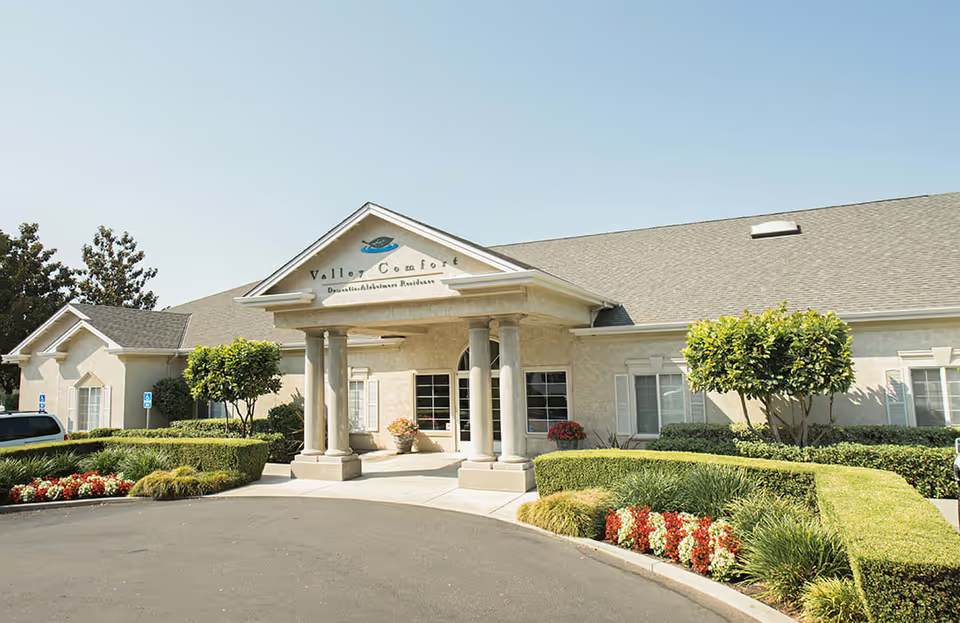
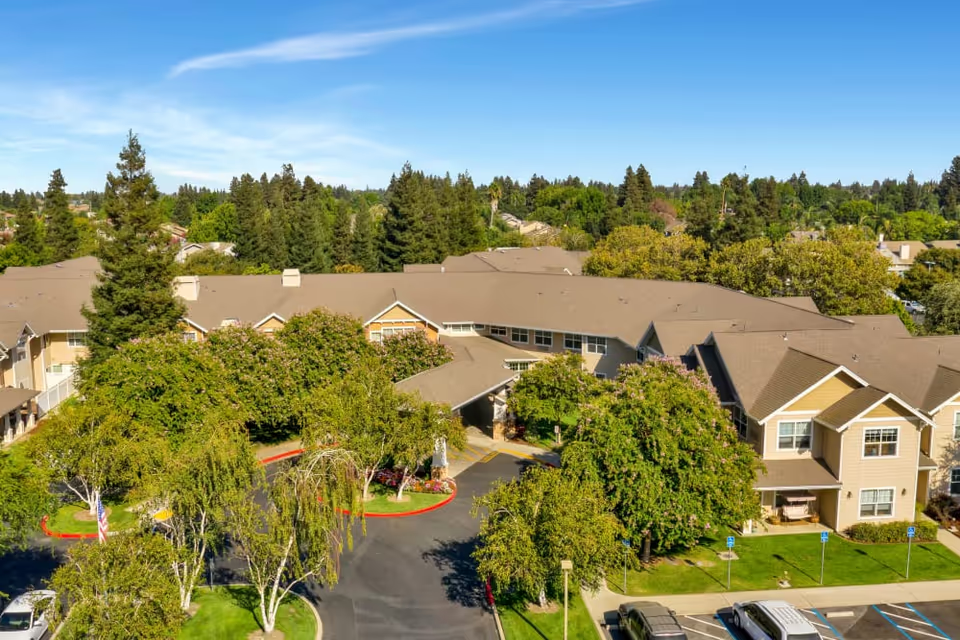
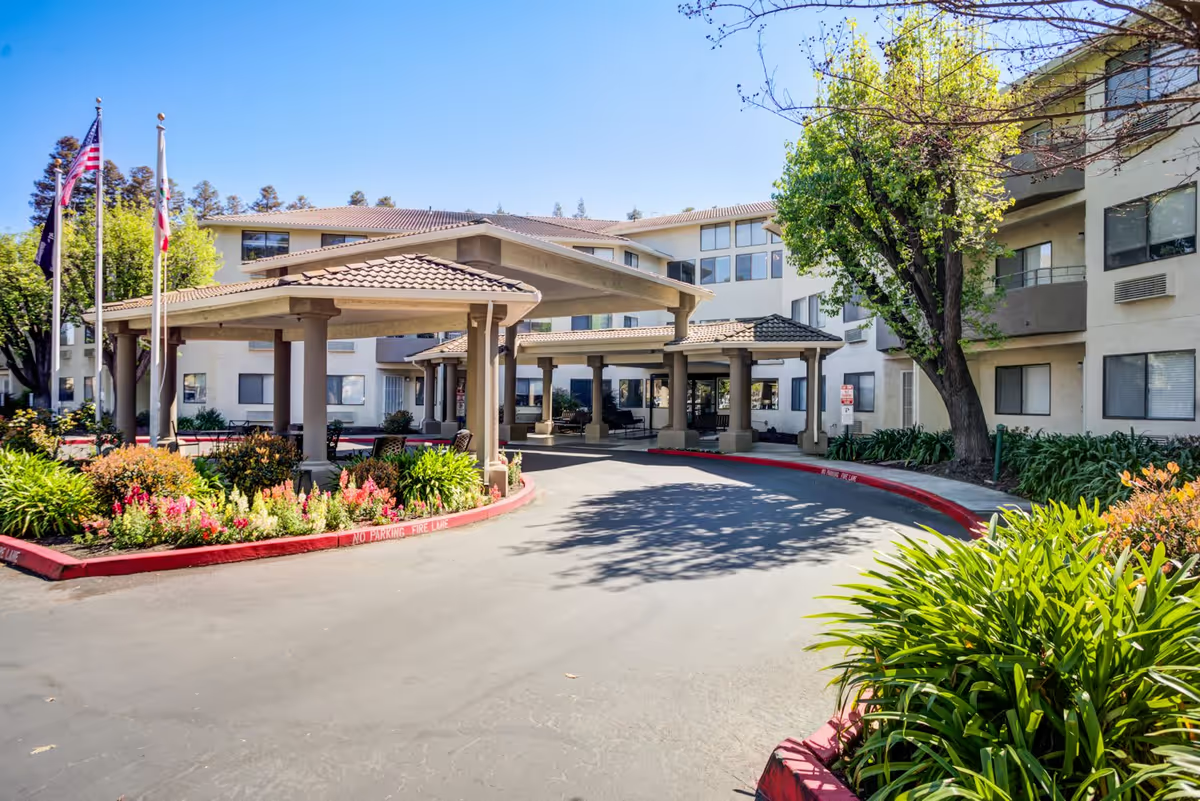
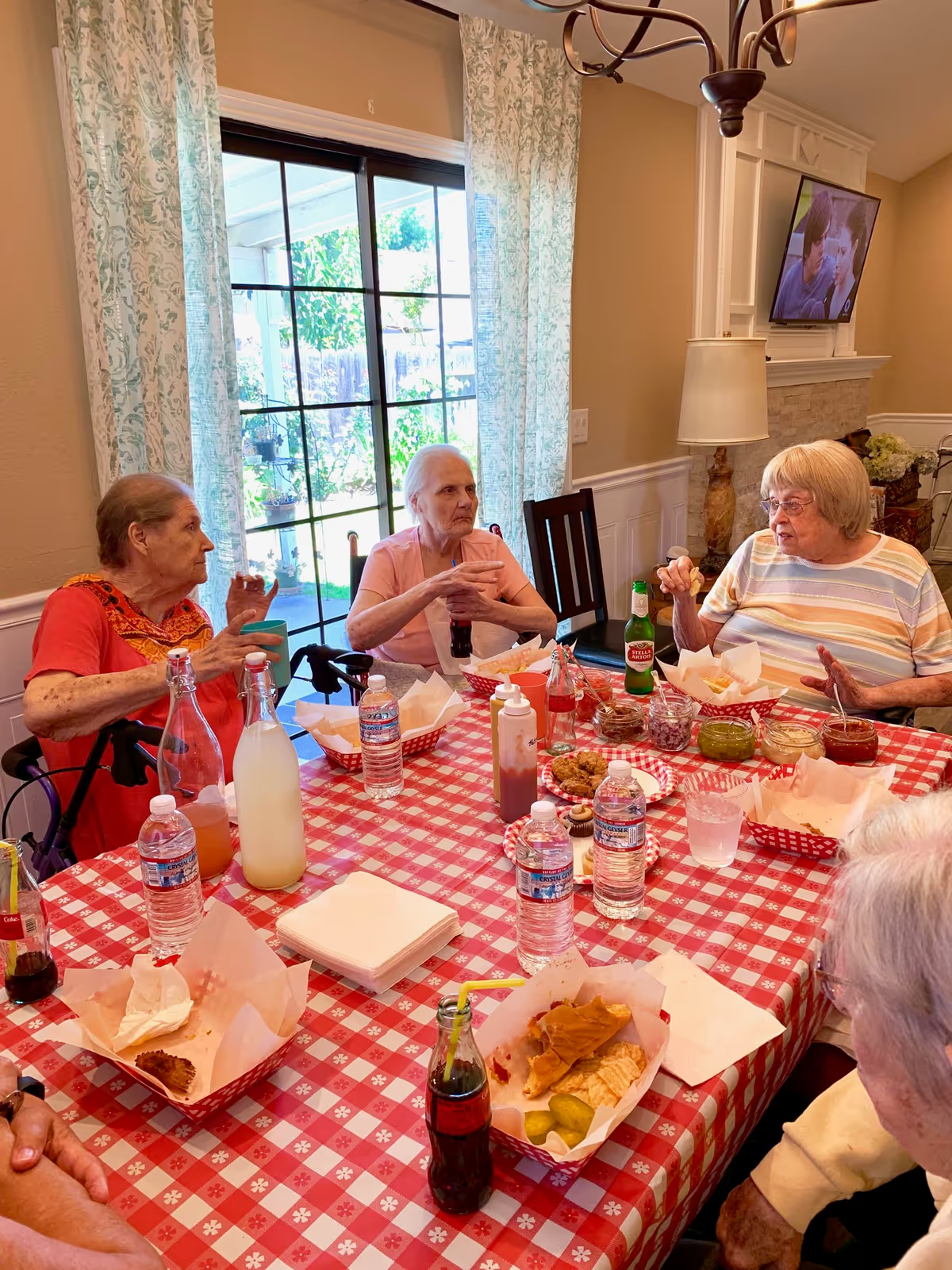
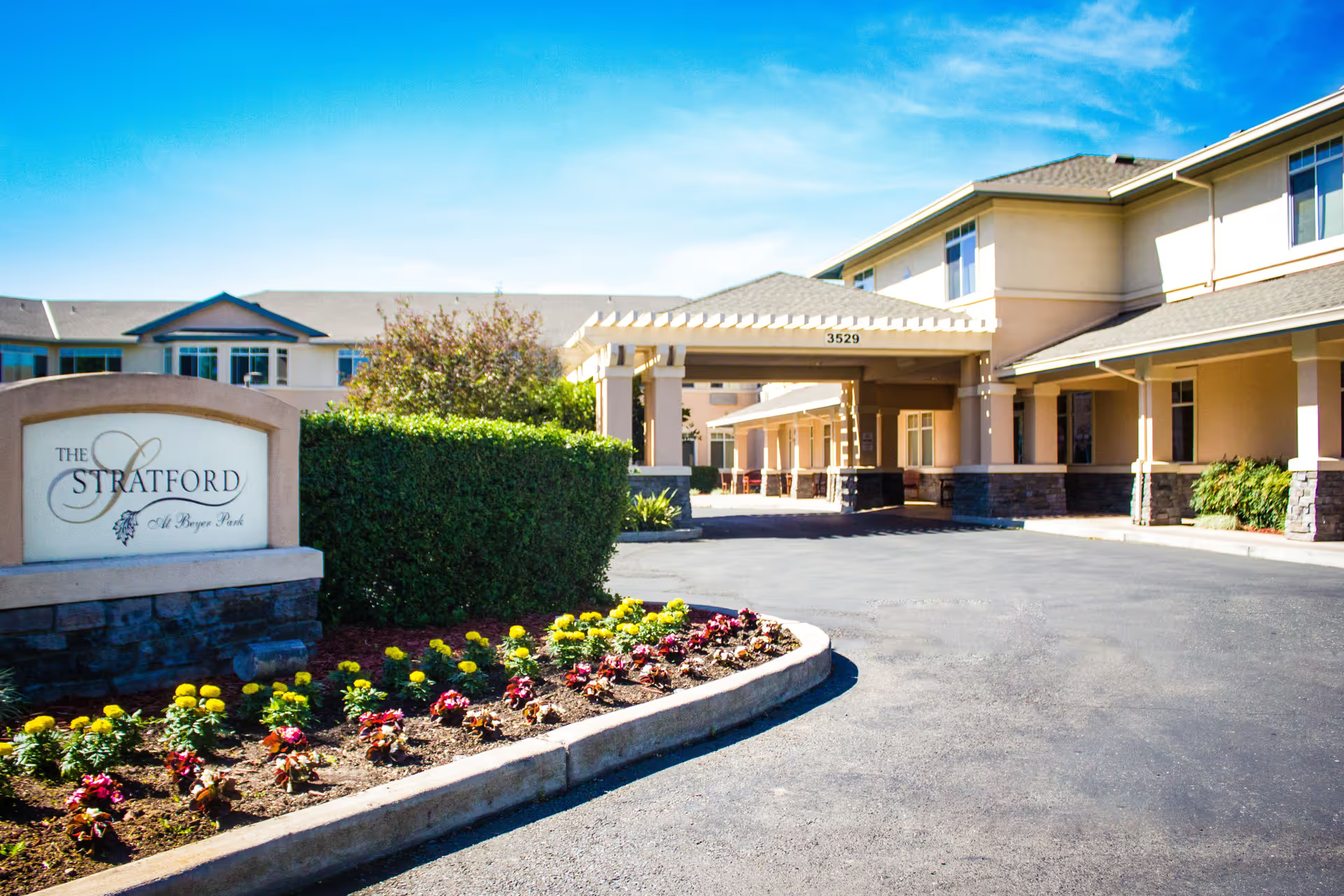
Reviews describe a facility with clear strengths in clinical rehabilitation and interpersonal care, combined with notable operational variability. Many families praised the quality of physical and occupational therapy, availability of speech therapy assessments, and attentive nursing and LVN support that helped residents make functional gains. Multiple accounts highlight compassionate, respectful staff, efficient admissions and front-desk interactions, accessible rooms near nurse stations, and an overall clean campus and pleasant grounds. The facility also offers meal choices, dietitian oversight, activities including pet-therapy options, and family-oriented end-of-life support.
At the same time, a pattern of inconsistency emerges across several domains. Staffing levels and shift coverage appear variable; this is associated with delays in responding to call bells and toileting assistance, longer waits for basic supplies or hygiene help, and uneven therapy delivery. While some residents received daily, effective rehabilitation, others described limited or absent therapy before discharge. These patterns suggest performance may fluctuate by unit or shift rather than reflecting uniformly reliable practice.
Dining and environmental feedback is mixed. Some reviewers described plentiful, well-prepared meals and individualized diet adjustments, whereas others reported overcooked, greasy, undercooked, or repetitive offerings. Facility condition reports range from ‘‘amazingly clean’’ to accounts of odor concerns and dated interiors (carpets, ceilings, and general maintenance) in portions of the building. Noise—particularly at night—and multi-occupancy rooming were noted as quality-of-life factors for some residents.
Management and clinical-oversight issues recur in the narrative. Several families highlighted good communication and involvement, but others experienced unclear discharge planning, billing confusion (including unexpected extra-day charges), charting discrepancies, and difficulties getting timely physician notification when new clinical issues arose. A few reviewers reported serious clinical-incident concerns, including delayed communication about infections; these descriptions point to gaps in escalation and physician-notification processes that warrant review.
Overall, the facility demonstrates strong compassionate caregiving and capable rehabilitation services in many cases, but prospective residents and families should be aware of operational variability. Key decision points are current staffing levels, the consistency of therapy scheduling and discharge planning, dining preferences, and the specific unit or room assignment. Visiting in person, asking for recent staffing ratios, reviewing the therapy schedule, and clarifying discharge and billing procedures can help families assess whether the facility’s strengths align with their needs.