Overall impression: Reviews indicate a facility with clear strengths in rehabilitative care and many caring staff members, coupled with operational weaknesses that affect day-to-day resident experience. Therapy teams — physical, occupational, and speech — receive consistent praise for clinical skill, frequency of sessions, and measurable functional gains such as improved walking and self-feeding. CNAs and many nursing staff are frequently described as compassionate and respectful, and families often note positive rapport with therapists and housekeeping that keeps patient rooms presentable.
Care quality and staff: Clinical competence in therapy and specialty areas (for example, wound care and dementia/SCU support) is a prominent positive. Nursing competence is also acknowledged, though accounts describe variability: timely medication administration and good nursing care occur alongside repeated examples of slow responses to call systems, delayed assistance during shift changes, and inconsistent nighttime staffing. Several accounts outline gaps in communication among physicians, nurses, and therapists that have led to delayed medication orders, unclear handoffs, and frustration for families. There are also isolated but serious clinical concerns described, including an infection-control event and questions about clinical response and family communication; these highlight the importance of clearer escalation and incident-response processes.
Dining and nutrition: Dining receives mixed feedback. Some residents and families describe varied menus and acceptable meals, while others report repeated issues with cold or bland food, poor accommodation of specific diets (vegan, low-sodium, other restrictions), and limited fresh produce. Suggestions offered by families — for example, integrative nutrition approaches, fresher produce, or a small garden — reflect a desire for improved menu flexibility and produce quality. Meal timing and tray pickup inconsistencies were also noted and can affect appetite and satisfaction.
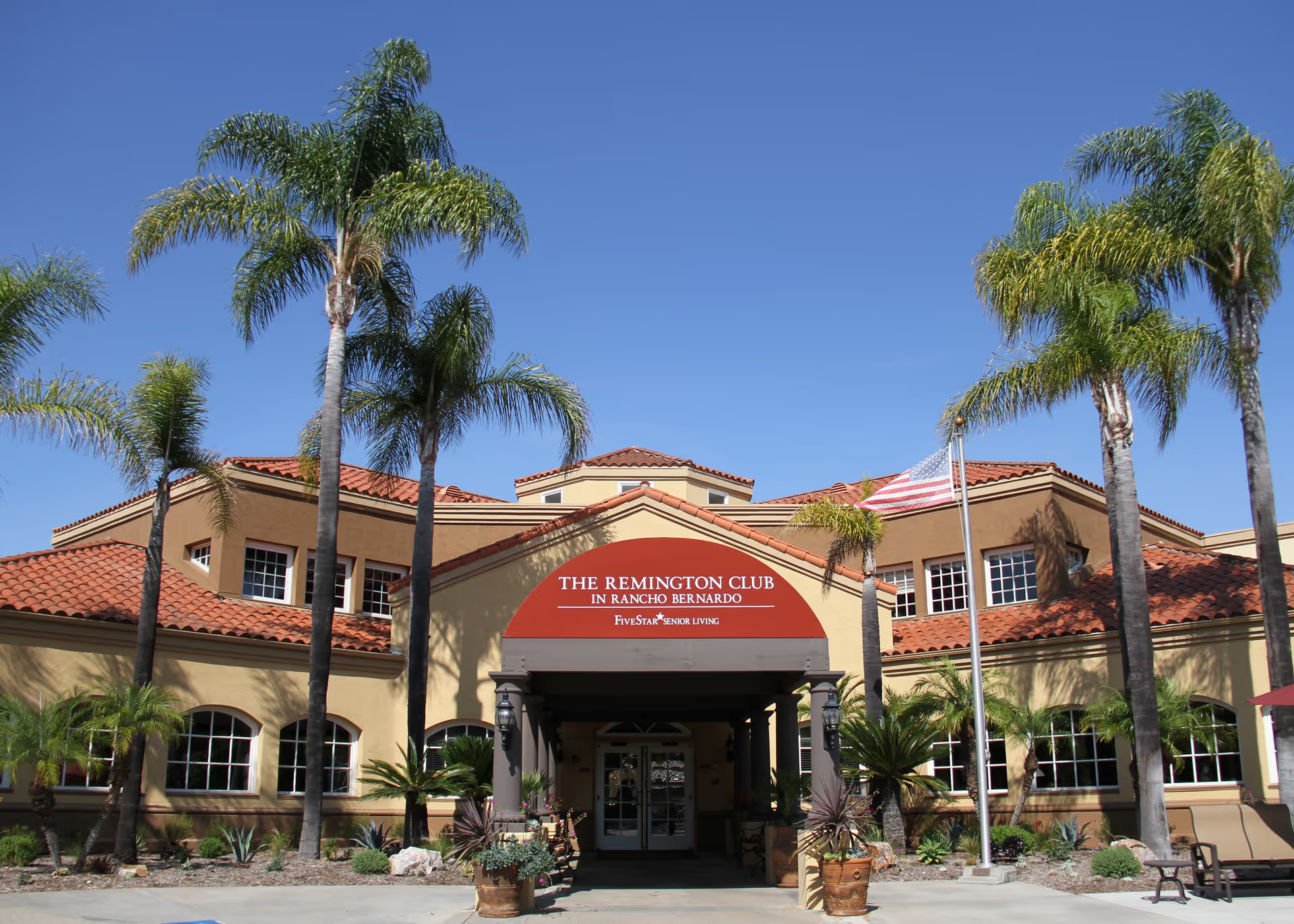
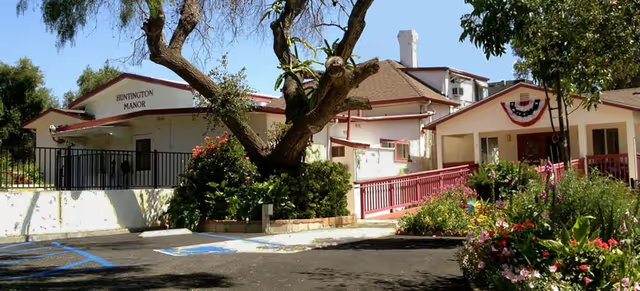
Facilities, cleanliness, and maintenance: The facility's grounds and entrance are frequently praised, and many reviewers find patient rooms generally clean. Nevertheless, there are recurring sanitation concerns in some areas (including pest-control and localized cleanliness lapses in bathrooms and by baseboards), occasional odor concerns in common spaces, and visible maintenance needs tied to an aging building. Housekeeping performance is unevenly described: many report responsive service and clean rooms, while others recount slow or incomplete cleaning and housekeeping oversights. Limited showering availability and constraints on in-room bathing were noted as practical care limitations for some residents.
Operations, coordination, and discharge: Operational shortcomings center on understaffing, inconsistent scheduling, and care coordination. Therapy schedule adherence is sometimes inconsistent (sessions shorter than planned or scheduled late), discharge planning is described as poorly organized in certain cases, and medication logistics (pharmacy communication, delayed orders, and occasional incorrect doses) are recurring concerns. Families also cite inconsistent family updates and variable accessibility of physicians on site, which complicates care coordination and timely decision-making.
Notable patterns and suggestions: The dominant pattern is strong rehabilitative capability and many caring frontline staff offset by systemic operational gaps: staffing levels and nightshift coverage, communication and handoff processes, dietary accommodation, and maintenance of an aging physical plant. Where reviewers propose fixes, they include improved staffing and call-response protocols, tighter medication-order workflows, enhanced kitchen flexibility for therapeutic diets, better infection-control transparency, and targeted maintenance (lighting, floor care, shower access). Prospective residents and families should weigh the facility's rehabilitation strengths and compassionate caregivers against the potential for inconsistent responsiveness, dining limitations, and infrastructure-related issues. For those considering admission, questions to ask on tour might include current nurse-to-patient ratios (day and night), medication-management processes, kitchen accommodations for specific diets, infection-control protocols, and expected therapy schedules and discharge coordination practices.