The reviews present a mixed picture of care quality. Several accounts describe competent clinical capabilities—an on-site registered nurse, staff able to administer IV antibiotics, and periods of effective clinical care and attention. At the same time, reviewers raise substantive concerns about medication-management processes, suggesting errors or inconsistencies that warrant attention. Placement decisions for residents with behavioral-health or substance-use needs were questioned by families, indicating possible gaps in triage and suitability assessment.
Staffing and interpersonal conduct emerge as a central theme. While some nurses and caregivers are described as professional and conscientious, other accounts cite concerns about staff conduct, including poor tone with family members and insufficient supervision of non-licensed staff. A recurring operational issue is language proficiency: several direct-care and kitchen staff with limited English raise communication challenges that affect day-to-day care, family interactions, and emergency communication. Reviewers specifically noted the potential for compromised emergency response and evacuation communication if residents or staff cannot effectively exchange critical information.
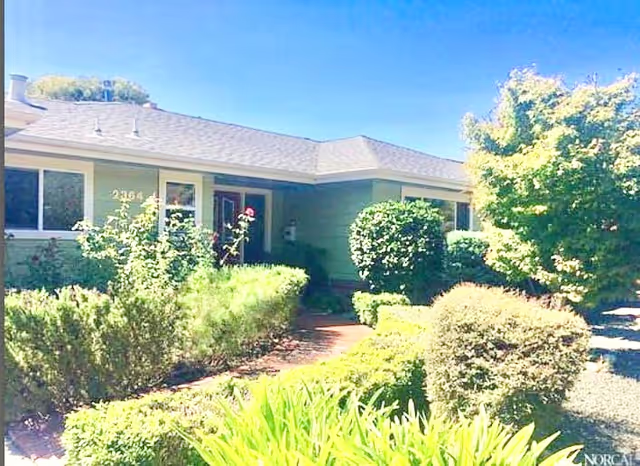
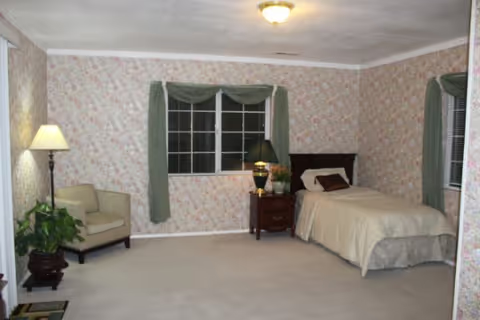
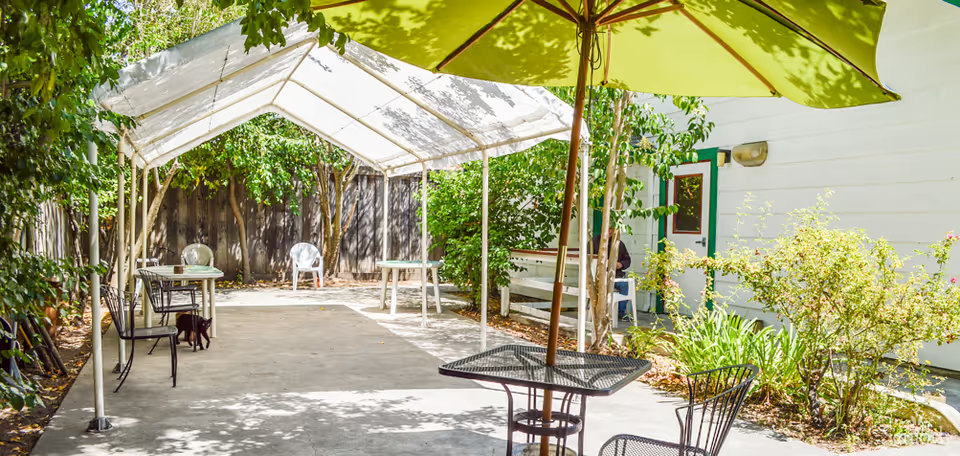
Dining, activities, and facilities show variation. The facility offers an activity program with resident engagement and generally satisfactory participation, which families found beneficial. Rooms are described as acceptable and, in some cases, orderly. However, meal quality is identified as inconsistent or substandard by some reviewers, and broader sanitation and cleanliness inconsistencies were reported in communal areas and services, suggesting variable housekeeping standards.
Management and regulatory concerns are also present. Reviewers described an administrative focus on financial considerations and a culture that may discourage reporting of incidents, both of which could impede corrective action. A few comments urged licensing or regulatory attention; collectively, these remarks indicate potential regulatory-compliance gaps that prospective families may wish to investigate. In summary, prospective residents and families should weigh demonstrated clinical strengths and activity offerings against operational weaknesses in medication systems, supervision, language accessibility, dining consistency, and management transparency. Visiting the facility in person, interviewing nursing leadership about medication-safety protocols, emergency plans for non–English-speaking residents, and reviewing recent inspection or licensing records would help clarify these patterns.