Villa Maria presents a mixed but distinctive profile: many families and discharges cite high-quality rehabilitation, compassionate caregivers, and an active recreation program, while a separate set of accounts raise operational and consistency concerns. The facility's strengths frequently mentioned include attentive nursing and aide staff, an effective physical-therapy team that supports successful transitions home, and a recreation department that provides structured programming and community outreach. Several reviewers described a warm, family-like atmosphere and clear communication during positive admissions or care episodes.
Clinical care and day-to-day responsiveness show variability. Positive accounts highlight thoughtful, attentive nursing and aides and coordinated discharge planning. Conversely, other accounts describe delays in obtaining medications and diagnostics and examples of missed routine care tasks; these point to gaps in timely clinical response and medication-management processes. Reliance on temporary or agency staff was associated with inconsistent familiarity with residents and care plans, which correlates with reports of missed routines or delayed interventions.
Dining and activities are similarly mixed. The recreation program is often singled out for providing meaningful engagement, but a number of families reported limited variety beyond staple offerings such as daily bingo. Meal-service continuity and food quality were described as inconsistent, including issues with delivery and changes after kitchen staffing adjustments; some families also perceived pressure in the dining room environment. Prospective residents and families should ask about current dining leadership and whether meal delivery and hydration protocols are monitored.
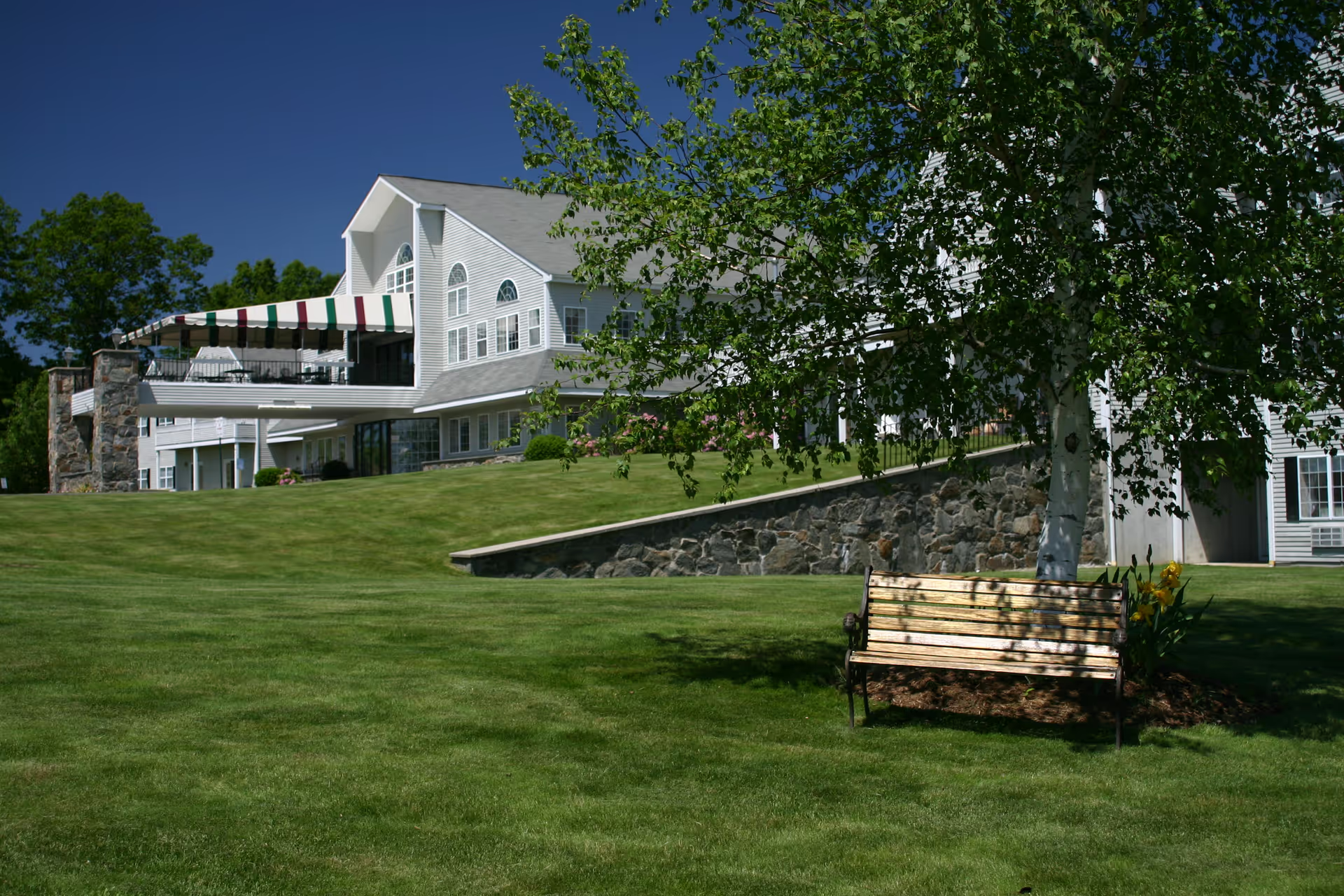
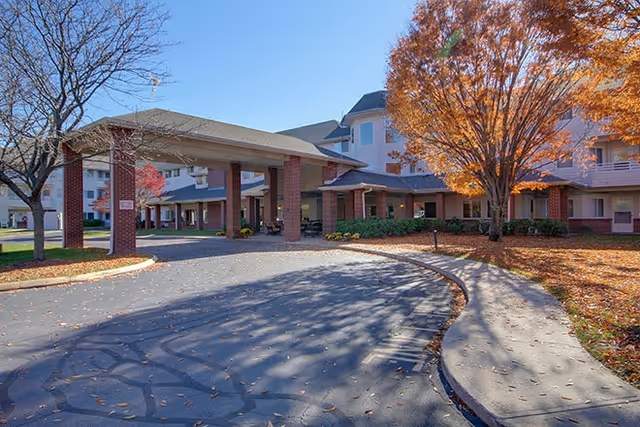
Facility condition and operations reflect contrasts between public and private areas. Many reviewers found common spaces clean and noted ample parking and a convenient location. At the same time, there are sanitation and room maintenance issues reported in some private rooms and examples of aging infrastructure and limited outdoor seating. Admissions responsiveness and follow-up appear uneven: some families praised quick, clear coordination, while others found the intake process lacking in communication.
Taken together, the pattern suggests Villa Maria can provide strong rehabilitation outcomes and compassionate caregiving when staffing is stable and routines are followed. Where concerns cluster is around staffing consistency, maintenance of private rooms, meal-service reliability, and timely clinical follow-through. Families considering Villa Maria should inquire about current staffing models (including agency use), medication and diagnostic response protocols, room maintenance practices, dining management, and the range of recreational offerings during a tour and through conversations with nursing leadership and the admissions team.