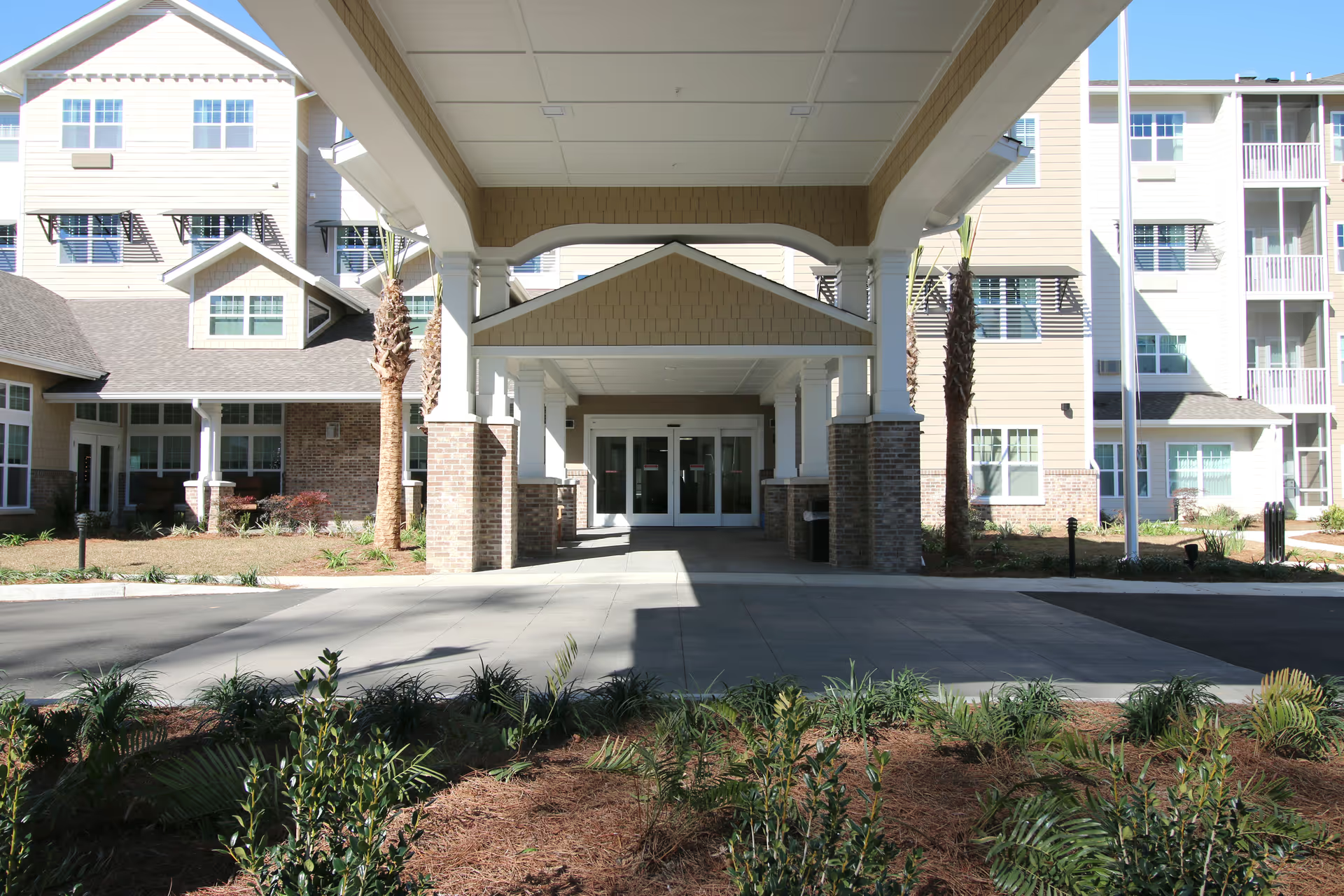
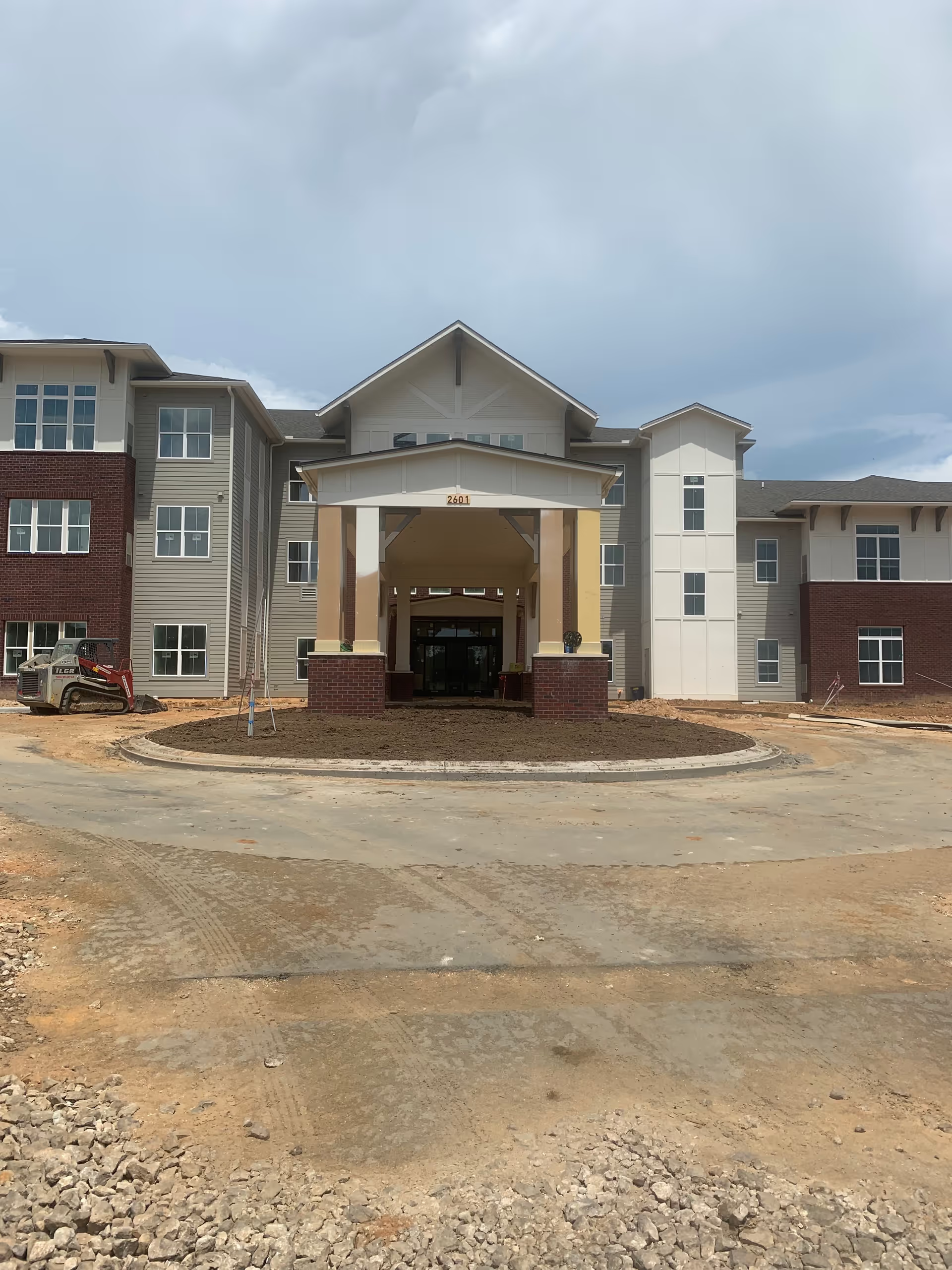
Review summaries present a largely positive view of St James Health and Rehabilitation Center, with consistent praise for the facility environment, rehabilitation services, and frontline staff. The building and common areas are described as modern, clean, and welcoming. Many reviewers emphasize strong therapy offerings (PT/OT), individualized rehab plans, and successful clinical support for residents progressing through short-term and long-term care. The facility’s affiliation with the Arabella family and availability of Wi‑Fi were noted as additional conveniences.
Staff quality is the most frequently highlighted strength. Reviewers describe friendly, compassionate, and attentive nursing and support staff, proactive medication management, and responsive communication with families. Admissions and management processes receive positive mention for being clear and helpful, with several accounts of smooth transitions and proactive updates on resident adjustment. Housekeeping and dietary personnel are often characterized as supportive and helpful, and activity programming is described as engaging and motivating for residents.
Dining and daily-care experiences show mixed signals. While dietary staff are frequently commended and some families report good food, there are operational concerns about meal-service reliability and meal temperature. A few reviewers specifically noted meals were not served hot enough. More seriously, a small number of accounts raise concerns about early clinical management after admission — including gaps in entering medication or diet orders and delays in meeting basic needs — which one reviewer linked to a subsequent hospital readmission for a serious infection. These claims are substantial and warrant direct discussion with facility staff during a tour and care-planning meeting.
Management and communication generally receive favorable comments for being responsive and flexible, particularly around levels of care and transfer logistics. At the same time, some reviewers described admissions interactions as overly aggressive or misleading; this contrasts with other accounts of a smooth, transparent admissions experience and suggests variability in how admissions are conducted or perceived.
Notable patterns: strengths cluster around rehabilitation quality, staff compassion, facility condition, and family communication. The primary areas of concern relate to admissions practices, early post-admission clinical coordination (medication and diet orders), meal-service consistency, and occasional variability in staff responsiveness. Prospective residents and families should verify current staffing and clinical protocols, confirm medication and diet-order processes at admission, observe a meal service if possible, and ask about incident-reporting and readmission prevention practices to address the few but significant concerns documented alongside many positive experiences.