Overall impression AdventHealth Dade City elicits a mix of strong praise and operational concerns. Many reviewers specifically commend the frontline clinical teams: nurses, surgeons, therapists, radiology technologists, and ICU/ER clinicians are frequently described as compassionate, skilled, and attentive. Several accounts highlight seamless perioperative processes, clear explanations from providers, effective rehabilitation services, proactive housekeeping, and generally well-maintained diagnostic and clinical areas. These strengths translate into high patient satisfaction where individual staff members or teams deliver consistent, family-centered care and timely follow-up.
Care quality and staff Clinical competence is a clear strength when staffing and teamwork are working well. Reviewers commonly describe thorough pre-/post-op communication, successful surgical outcomes, and rehabilitation progress. At the same time, experiences vary considerably by shift, clinician, and unit. A substantial number of reviews describe inconsistent bedside manner, communication gaps between clinicians and families, and delays in addressing pain or urgent concerns. There are recurrent operational themes around medication handling and IV procedures — such as labeling, glove/PPE use, or IV management — that reviewers interpreted as safety lapses. A few serious allegations of clinical harm and intentions to pursue legal action were raised; these appear as individual severe complaints rather than facility-wide conclusions, but they underscore the importance of consistent safety practices and transparent incident response.
Dining, activities, and therapy Dietary and rehabilitation services receive mostly positive feedback. Many reviewers praise responsive dietary staff and meals that supported recovery. Therapy teams (PT/OT/speech) are frequently singled out for effective, encouraging care that contributed to measurable progress. However, some families noted variability in therapy intensity, waits between sessions, limited documentation of therapy records, and occasional misalignment between expected and delivered exercise regimens.
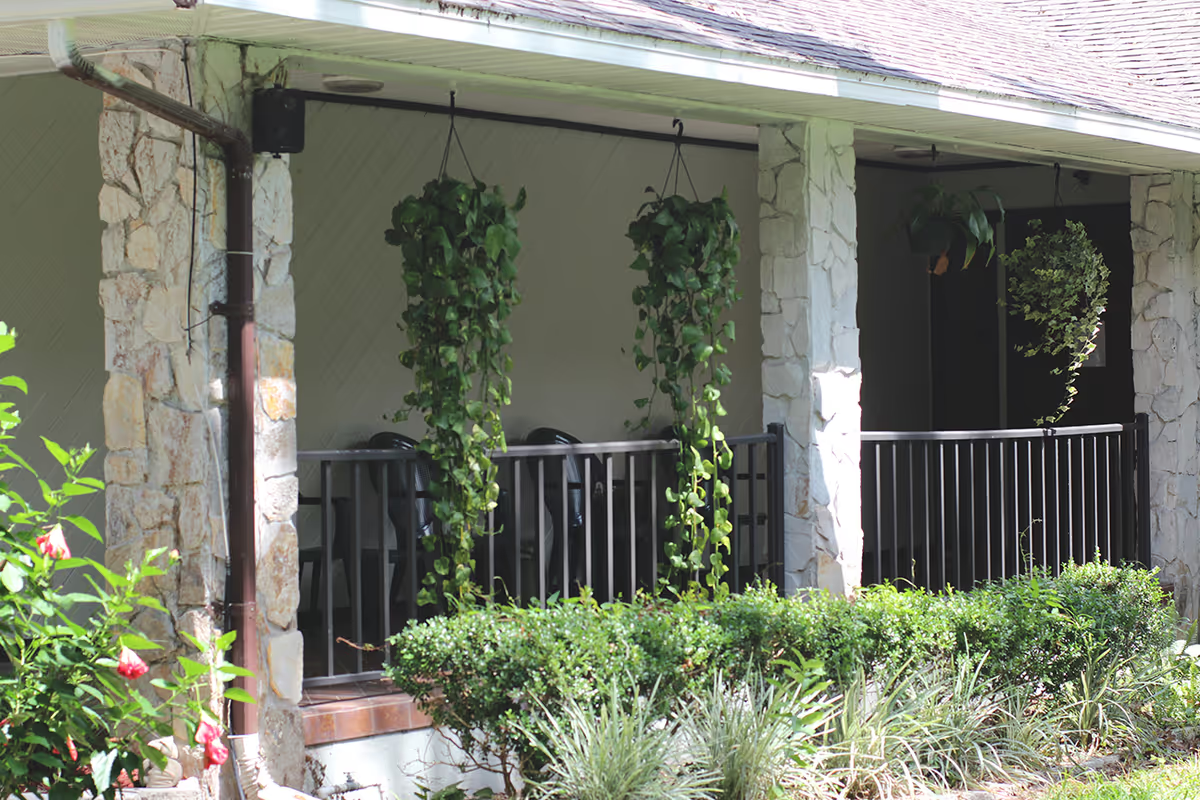
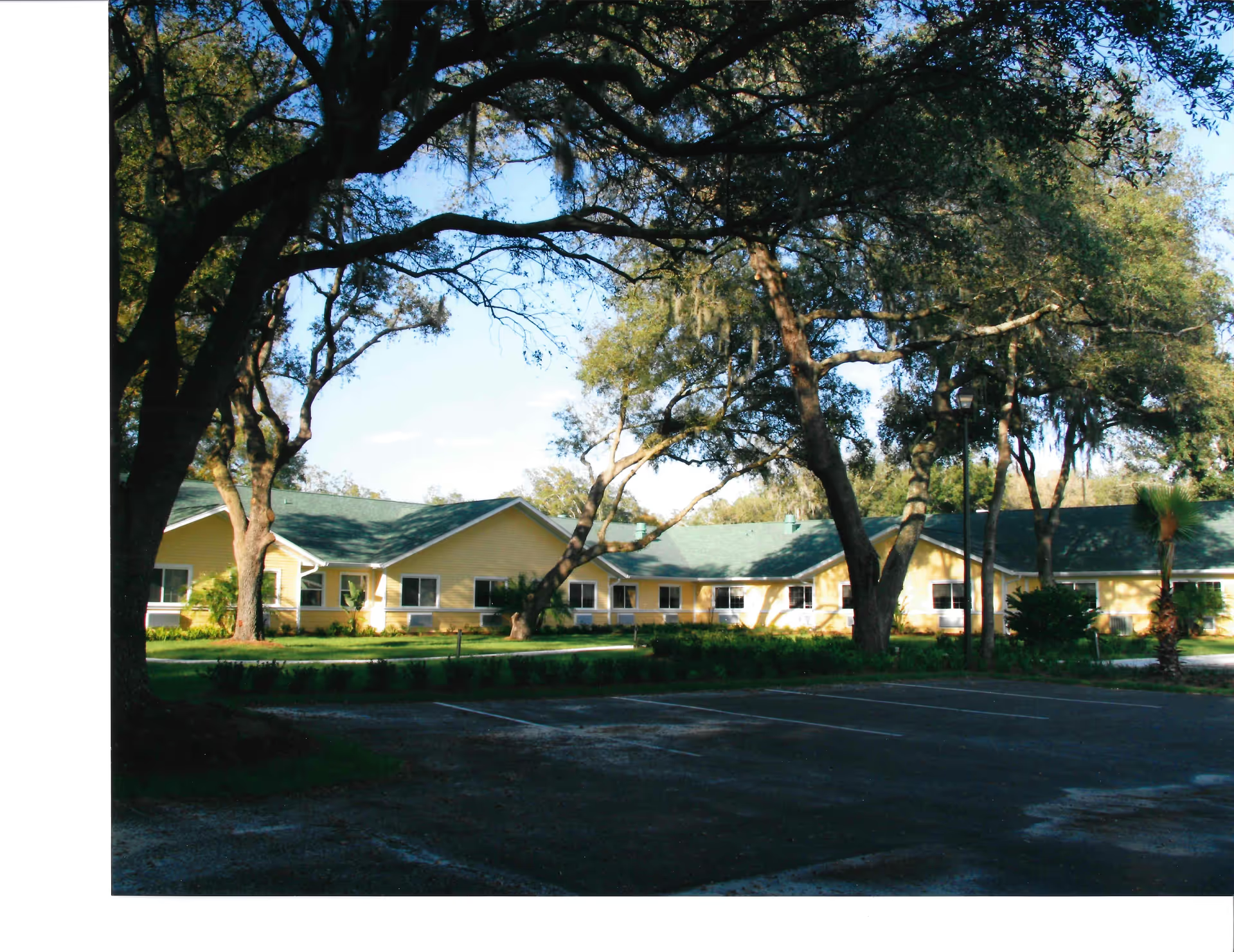
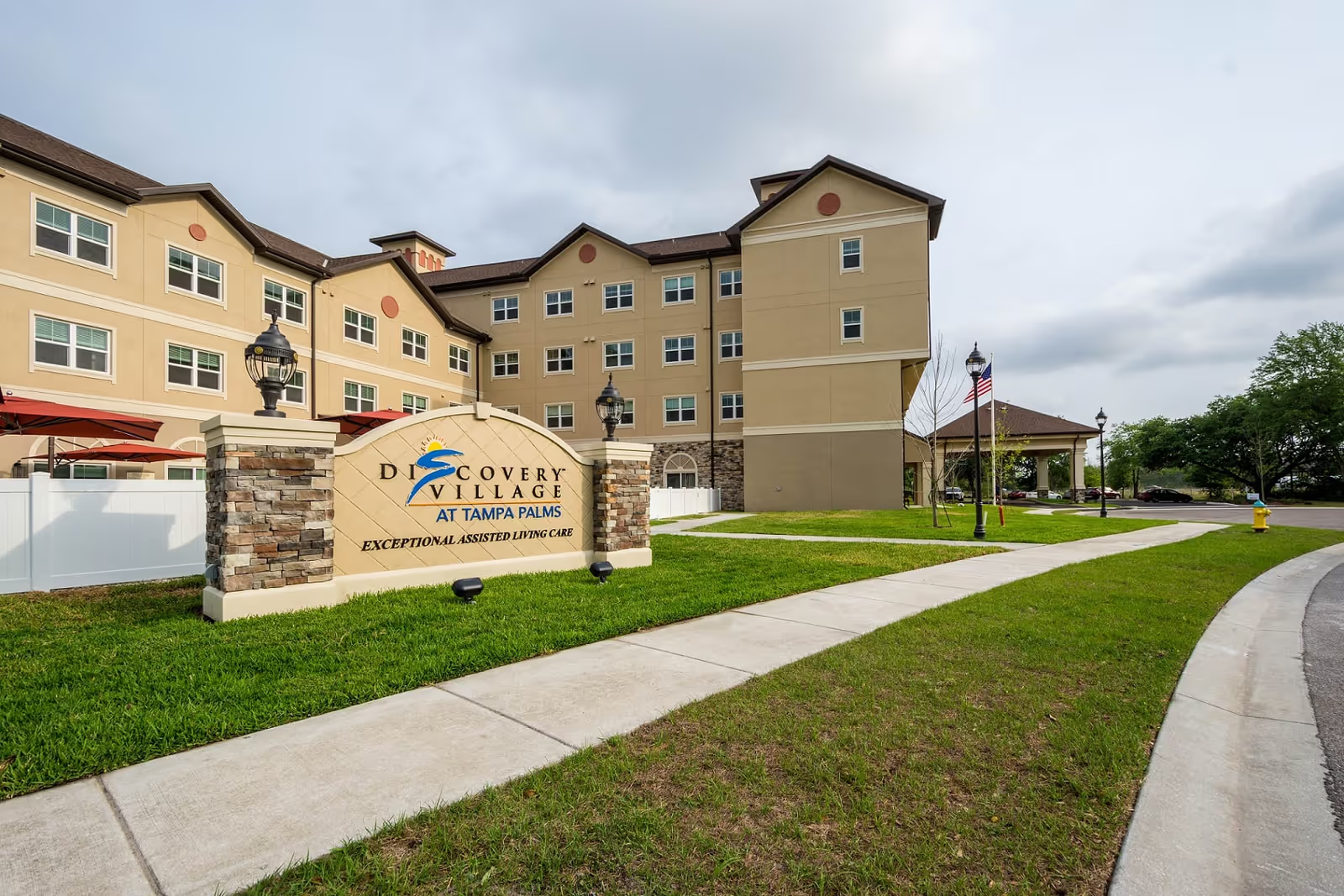
Facilities and environment The campus is often described as clean and modern in public and clinical areas, with efficient imaging and testing capability. Conversely, several reviewers reported sanitation- and maintenance-related issues in specific restrooms, shared rooms, or shower areas, as well as episodic problems with hot-water or door/access features. Shared-room arrangements and roommate-matching are a recurring concern for visitors who prioritize privacy or infection risk mitigation. Housekeeping staff receive positive mentions for responsiveness, but maintenance inconsistencies create a variable physical environment experience.
Management, administration and billing Administrative strengths include expedited registration experiences and instances of proactive follow-up and hospitality. Persistent weaknesses involve billing transparency, difficulty obtaining itemized statements or timely responses from financial services, and occasional confusing front-desk interactions. Discharge planning and care coordination present another pattern of concern: reviewers describe incomplete home-health setup, limited follow-up communication, and cases where discharge instructions or medication reconciliation were insufficiently coordinated.
Notable patterns and takeaways Two consistent patterns stand out. First, patient experience is highly staff-dependent: individual clinicians and teams frequently receive high praise for going above and beyond, yet variability across shifts and departments produces markedly different experiences. Second, operational systems rather than clinical skill are the primary friction points — specifically communication, medication/IV processes, sanitation/maintenance consistency, discharge coordination, and administrative transparency. Prospective patients and families should weigh the facility's strong clinical and rehabilitation capabilities against these recurring operational concerns; asking targeted questions about room type, staffing levels for the anticipated unit, discharge planning procedures, and how medication safety is enforced may help set expectations and mitigate known issues.