Reviews of River Garden Hebrew Home for the Aged present a mixed picture that combines clear operational strengths with recurring operational weaknesses. Positive comments cluster around the campus environment, dining, rehabilitation services and a subset of committed frontline staff. Conversely, a number of reviews describe patterns indicating inconsistent clinical follow-through, communication gaps, and administrative problems that prospective residents and families should evaluate closely.
Care quality shows two distinct trends. Many families praised the facility’s rehabilitation program, therapy staff, and memory-program activities; several reviewers credited the campus with restoring mobility or providing effective short-term rehab. At the same time, multiple accounts highlight problems consistent with chronic understaffing: delayed responses to call bells, inconsistent personal-care delivery (including incontinence-care timing), wound- and skin-care management concerns, and equipment or supply delays. There are also recurring notes about gaps in dementia assessment and care-planning, which suggest variability in clinical evaluation and continuity for residents with cognitive impairment.
Staffing and conduct are similarly mixed. Numerous comments single out individual caregivers and teams as attentive, compassionate, and consistent—some staff members were named and praised. Other accounts describe disengaged or unresponsive staff, documentation and accountability lapses (including therapy-attendance verification issues), and instances where family members felt compelled to provide or train staff in routine tasks. These conflicting impressions point to uneven staffing practices or morale that vary across units and shifts.
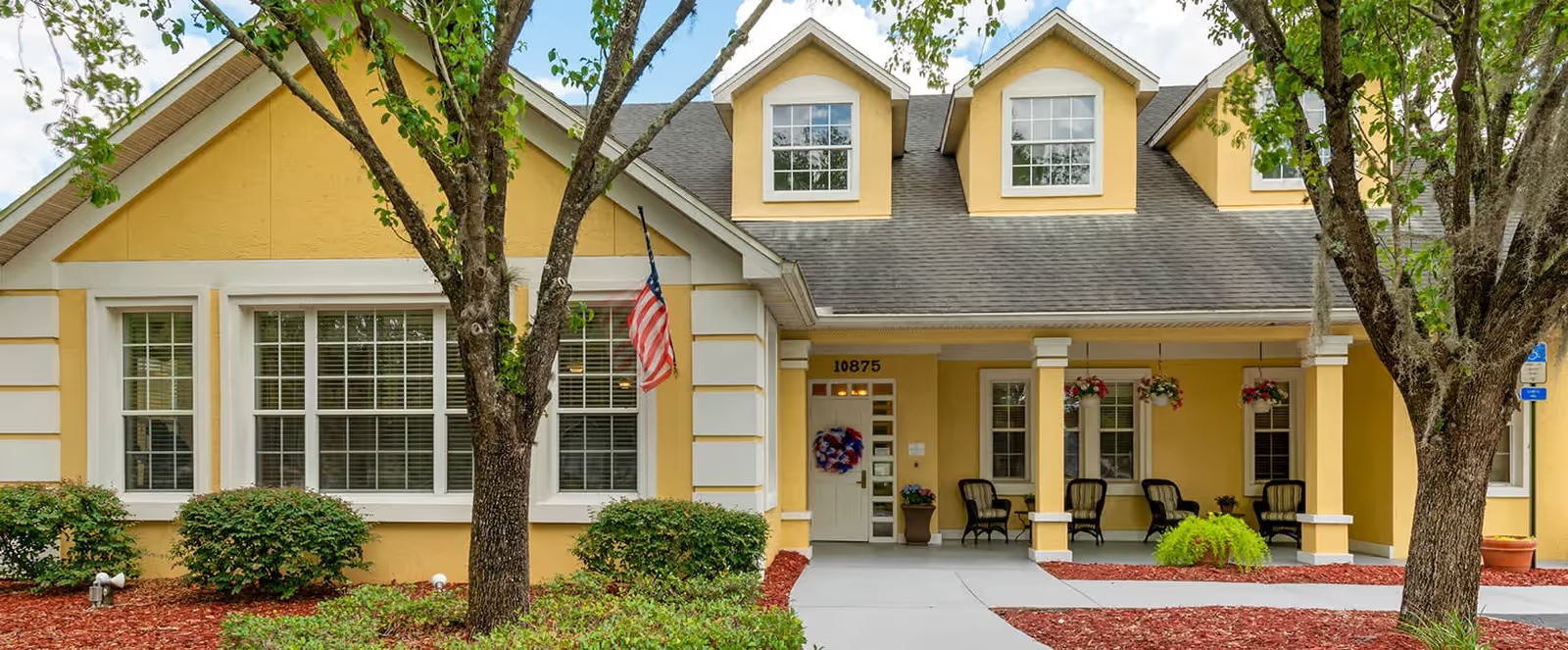
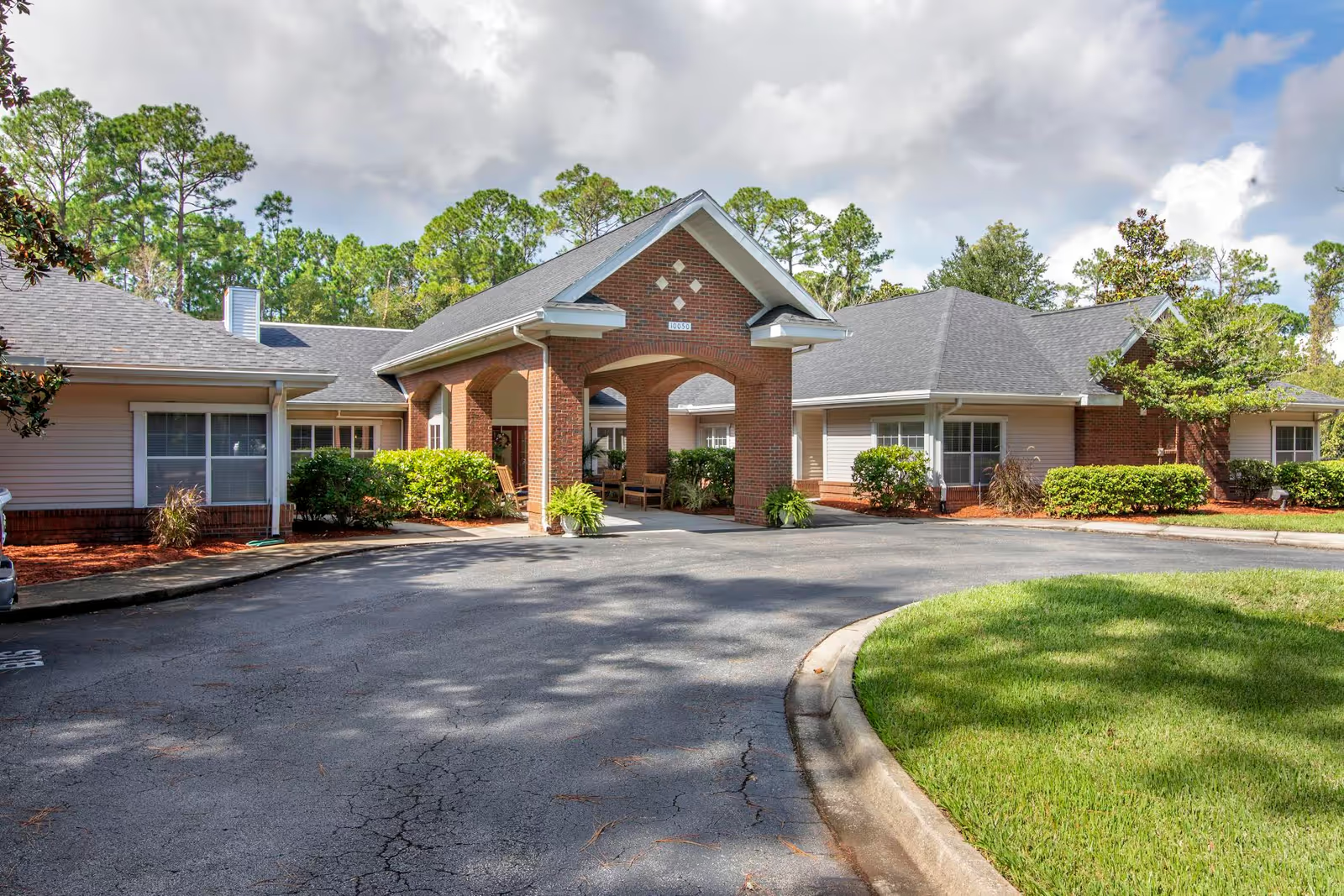
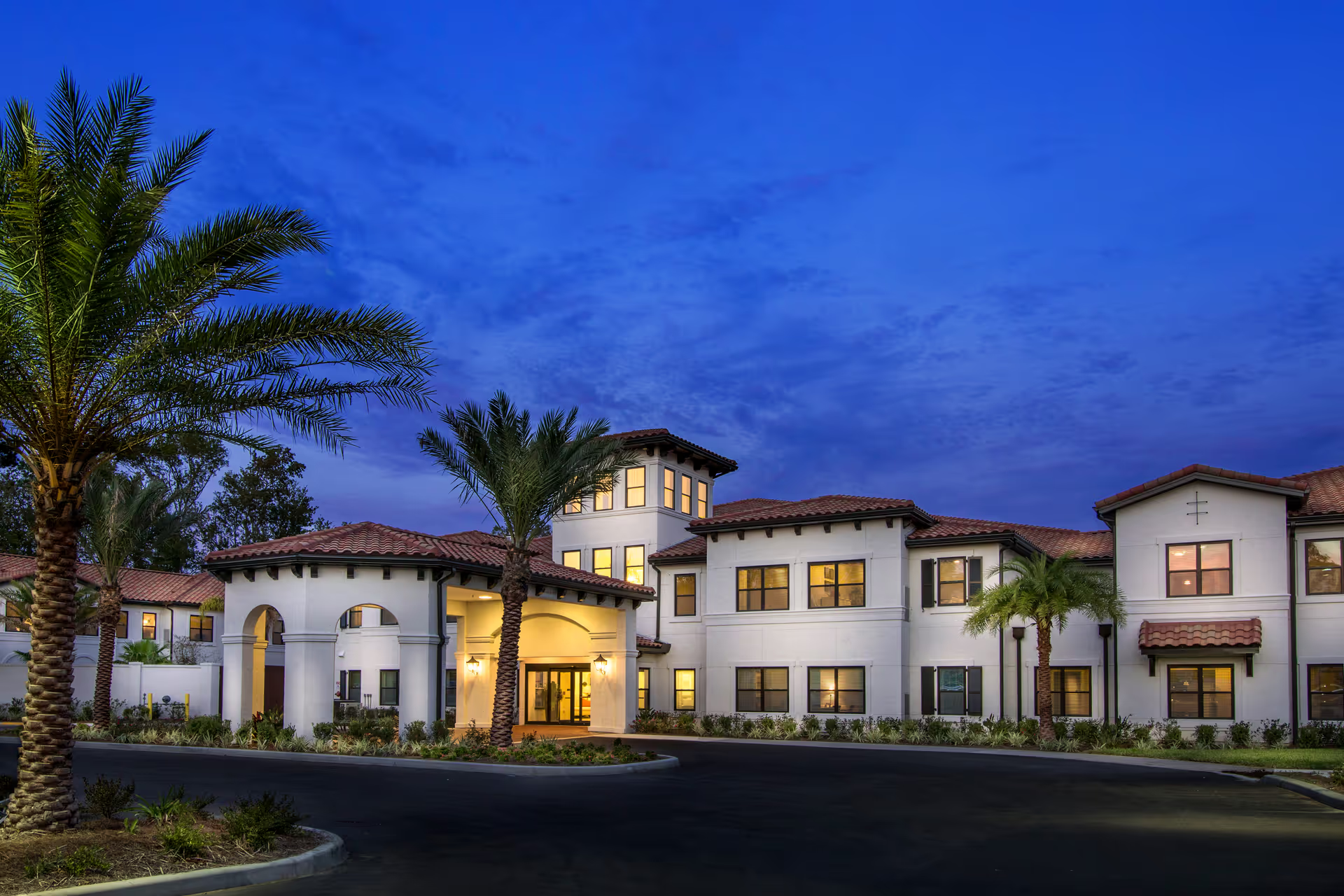
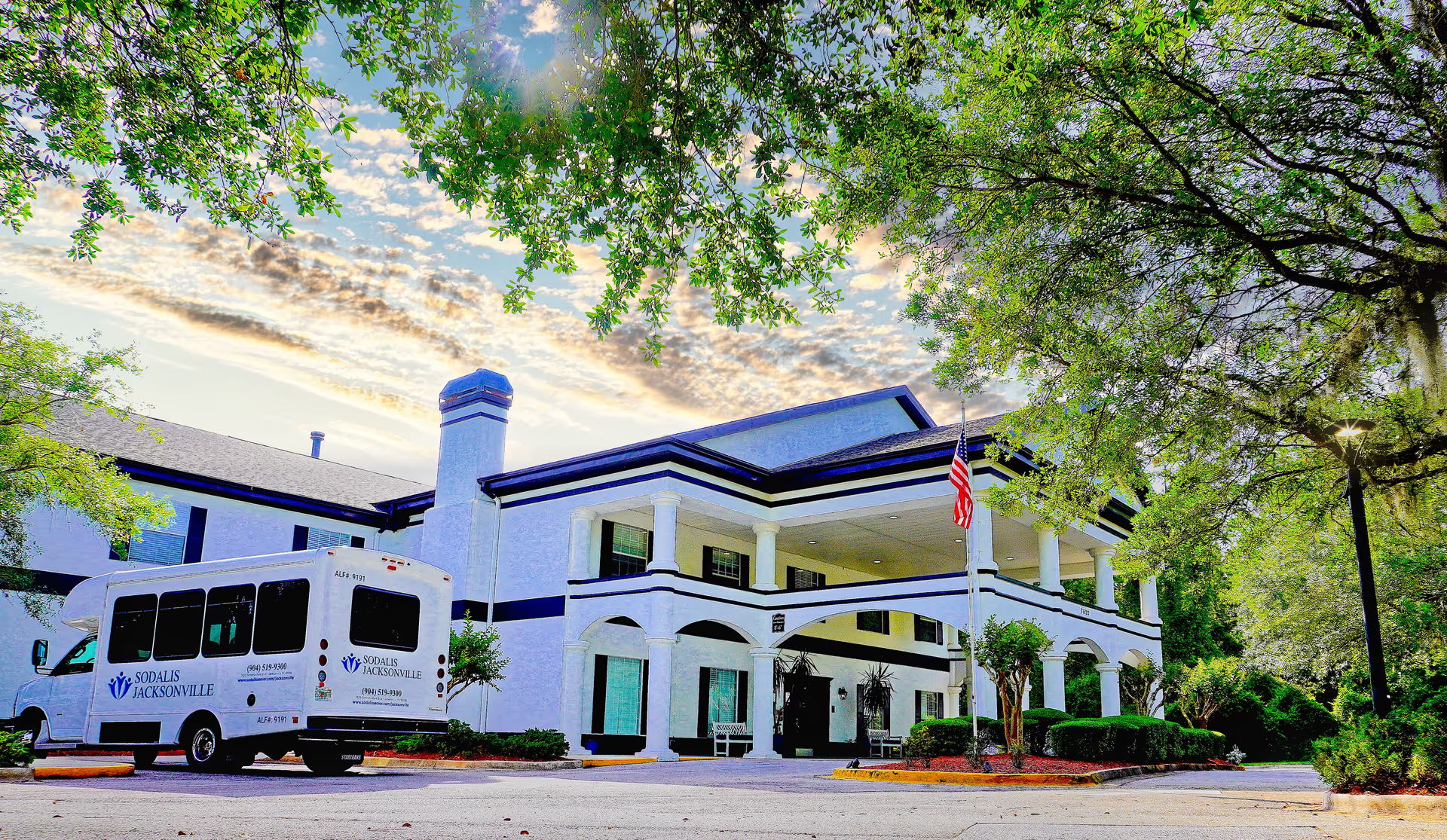
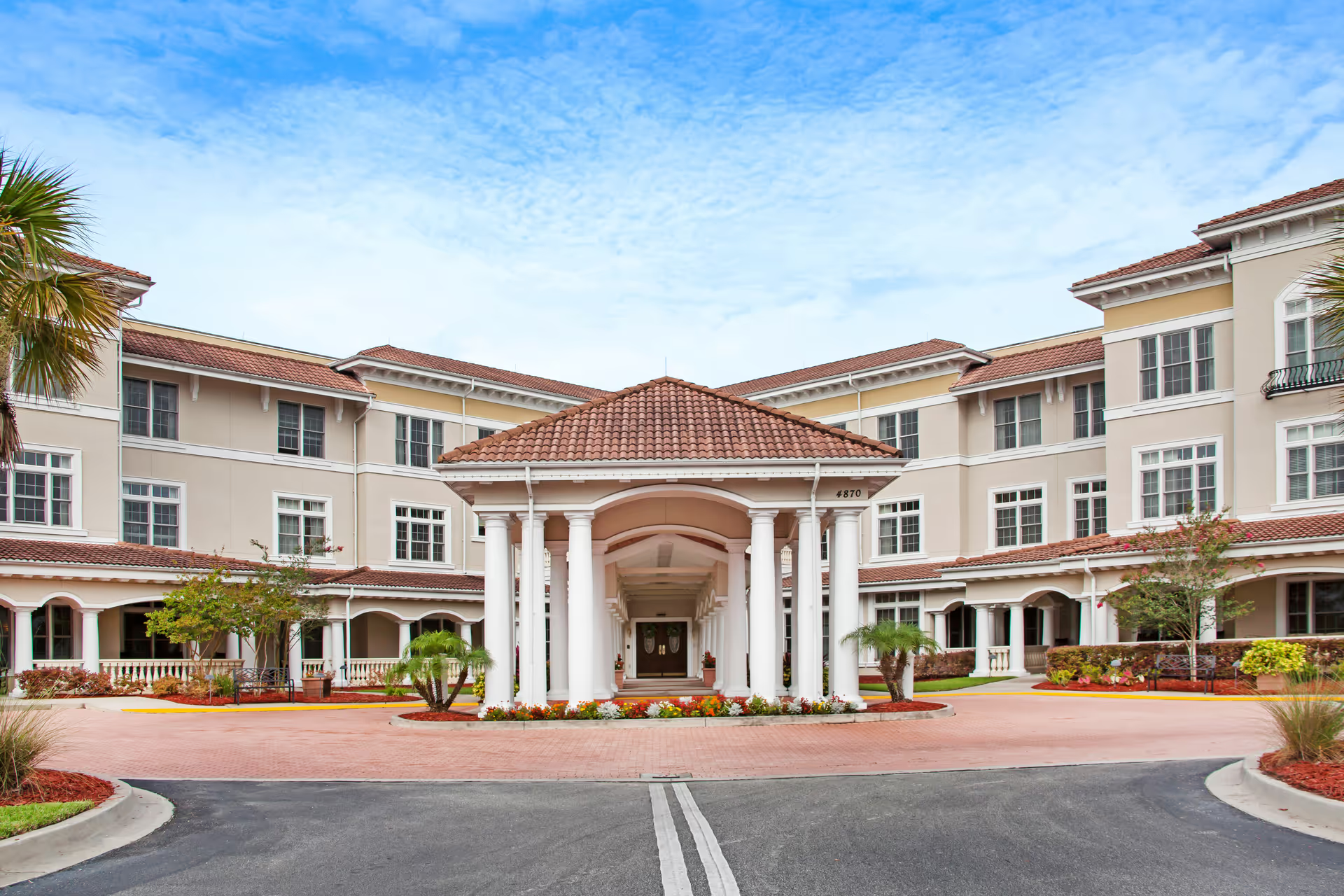
Dining, activities, and facilities receive more consistently positive feedback. The kosher dining program and dietary staff are frequently commended for quality meals and presentation. The campus offers multiple activity options, an active fitness component and memory-focused programming (ADP) that many families found valuable. The property, gardens, gazebo, and outdoor features (pond, wildlife) are often described as attractive and peaceful, and private rooms with views are available. That said, there are isolated notes about aging infrastructure and maintenance-responsiveness concerns (for example, heating/AC repairs and scheduling conflicts) that merit inspection during a visit.
Management, administration, and operations are another area of divergence. Some families experienced attentive case management and proactive communication; others described delayed clinical follow-up, unresponsive management, billing or insurance-administration problems, and what they perceived as high-pressure retention or discharge practices. Property-safeguarding gaps and at least one incident involving personal belongings were mentioned, which raises questions about inventory and secure-storage procedures. Prospective families should clarify policies on billing, discharge/transfer procedures, equipment authorization, and property security before admission.
Overall, River Garden appears to offer strong culinary services, attractive grounds, and capable rehab/memory-care programs, with many staff demonstrating commitment and skill. However, repeated indications of understaffing, inconsistent clinical practices (particularly related to personal care, wound management, and dementia assessment), variable maintenance responsiveness, and administrative shortcomings suggest the facility may require active family advocacy in some cases. Recommended actions for prospective families: tour during different shifts, ask for current staffing ratios, request documentation of dementia-assessment programs and wound-care protocols, review discharge and billing policies, and inquire about property-securement procedures and how the facility handles equipment requests and urgent repairs.