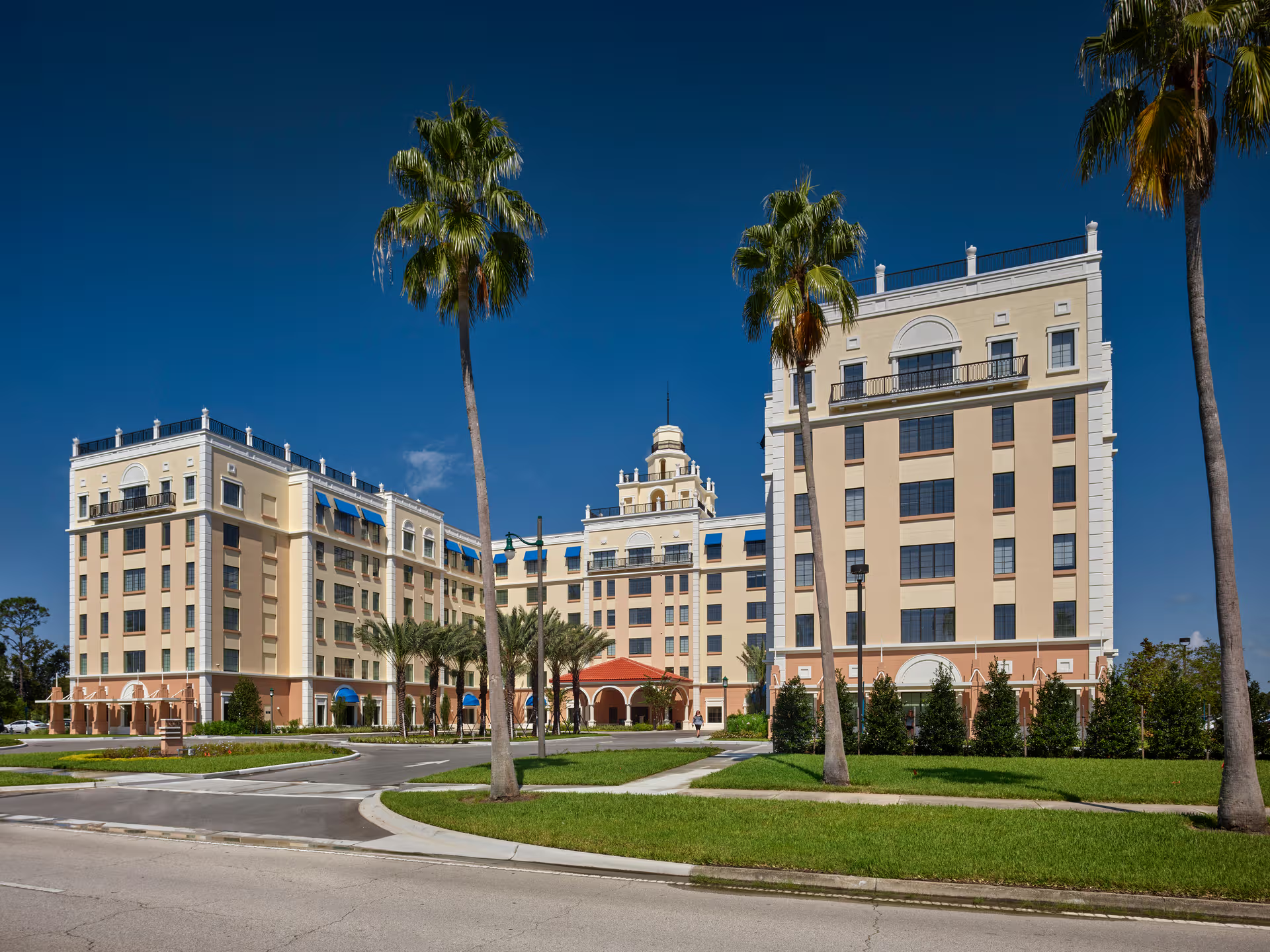
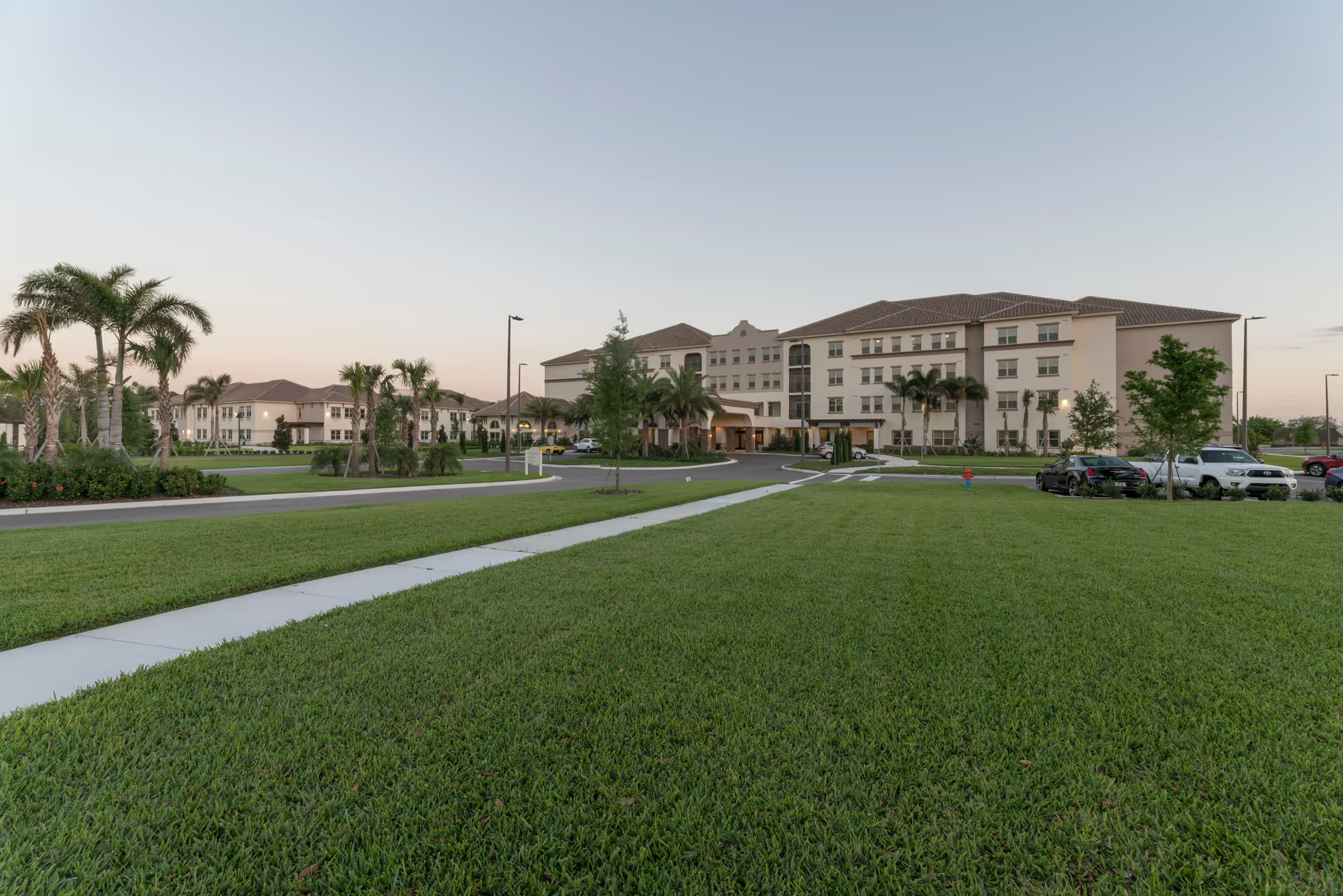
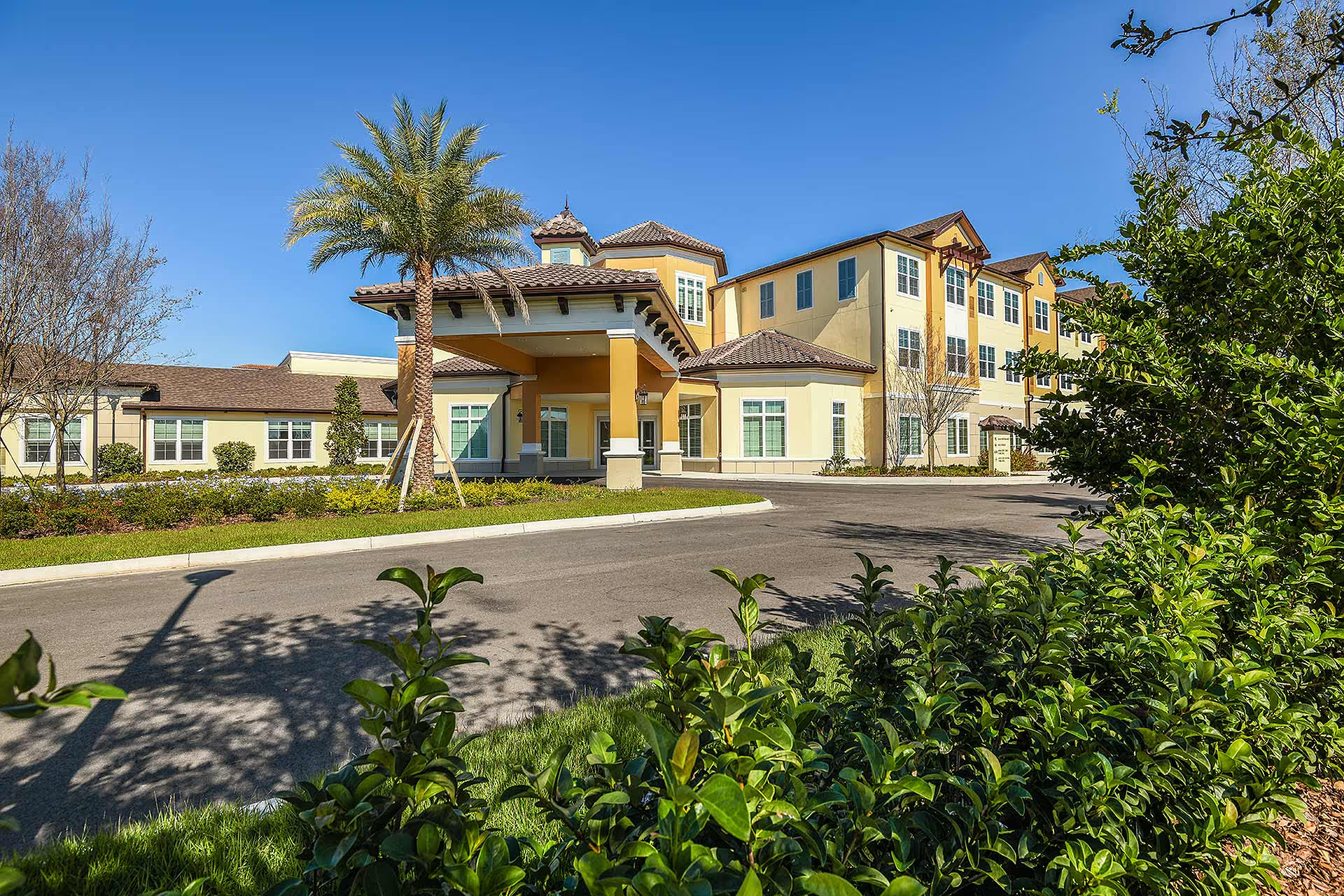
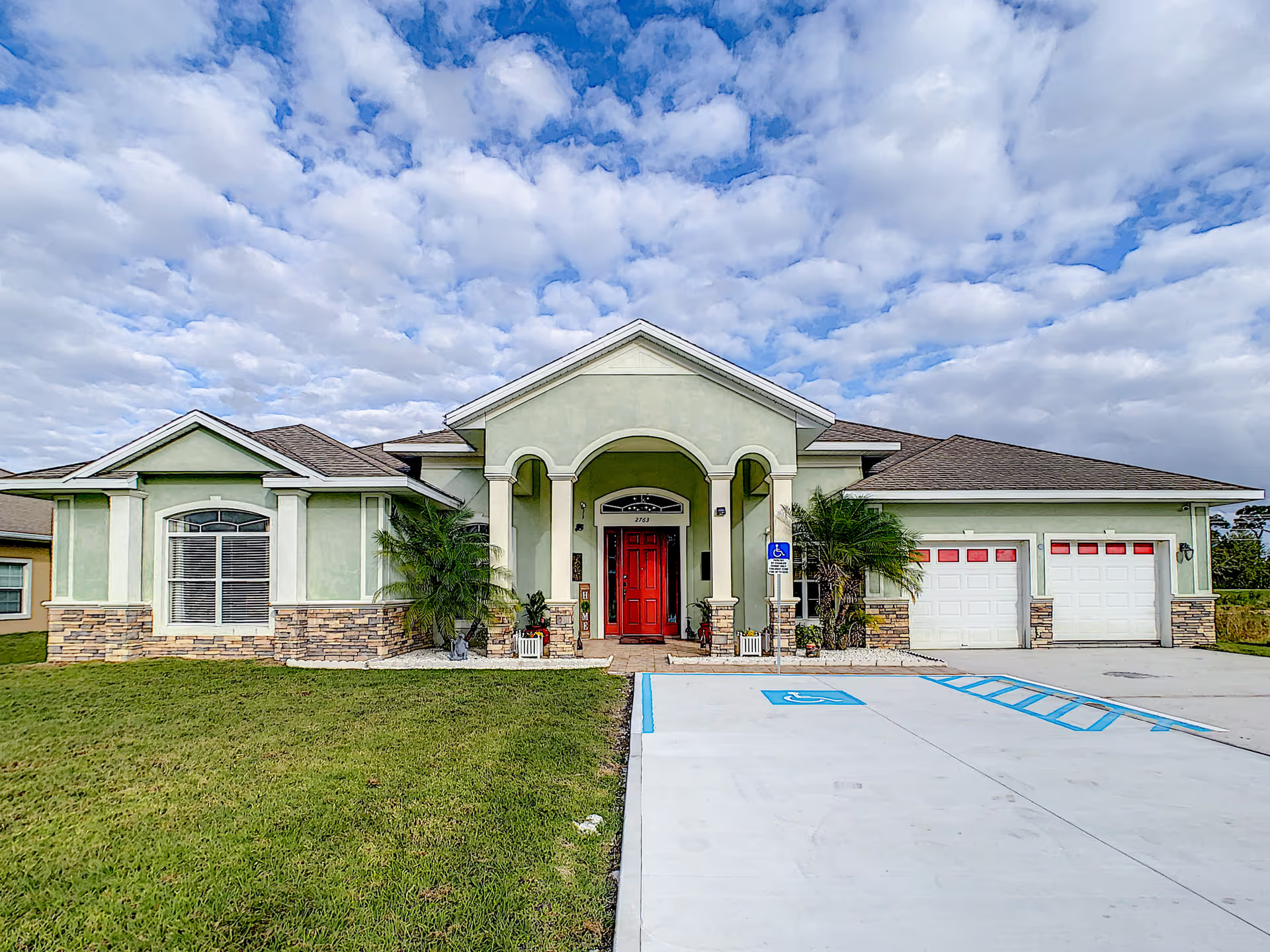
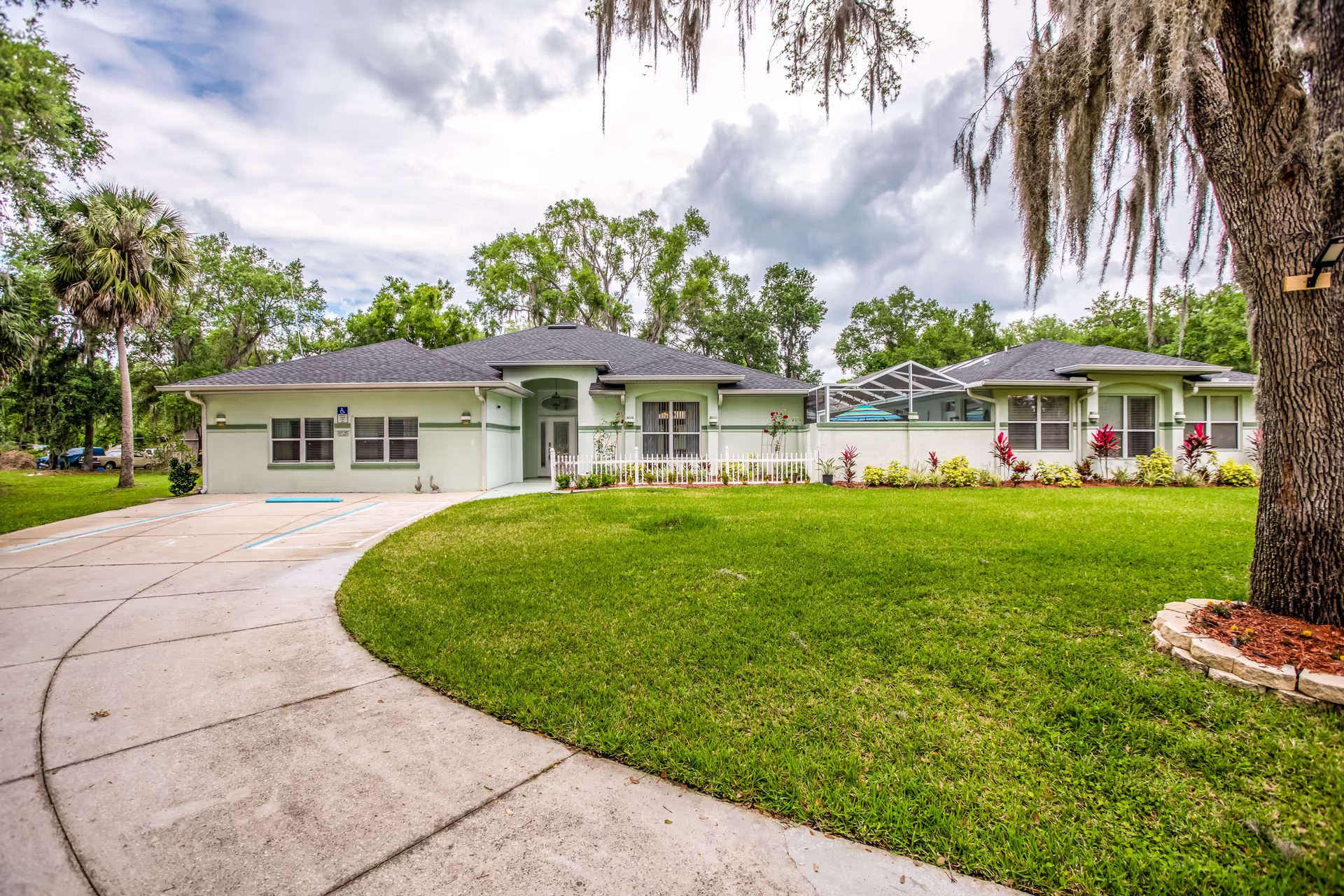
Overall impression: The facility is frequently described as clean, modern and hotel-like, with private rooms, attractive common areas, and a large therapy space. Many reviewers praised the physical environment, housekeeping responsiveness, and the ease of parking and access. Physical and occupational therapy programs are consistently highlighted as a strength; numerous families attribute measurable functional improvements to the therapy teams and list rehabilitation outcomes as a core reason for recommending the facility.
Care quality and staff: Nursing, CNA, and therapy staff receive substantial positive recognition for compassion, attentiveness, and skill. Several families praised individual caregivers and therapists by name and described supportive discharge planning and helpful case management. At the same time, a pattern of clinical concerns appears in other reviews: inconsistent staffing levels (including high patient loads for individual nurses), gaps in physician coverage and clinical oversight, and lapses in medication-management controls are recurring themes. Some reviewers described delayed assistance for activities of daily living, missed or delayed medications, and safety events such as falls and pressure injuries; a small number of reviews included allegations of medication errors and advanced-stage pressure injury. These contrasting accounts suggest variability in care experience that prospective families should evaluate directly.
Dining and nutrition: Reports on dining are mixed. Many reviewers praised meal presentation and options, while a sizeable subset described inconsistent food quality, cold or unappetizing meals, and occasional problems with diet implementation. At least one account indicated a mismatch between prescribed diet and delivered meals. Families should ask about current menu rotation, therapeutic-diet processes, and how the facility monitors dietary compliance.
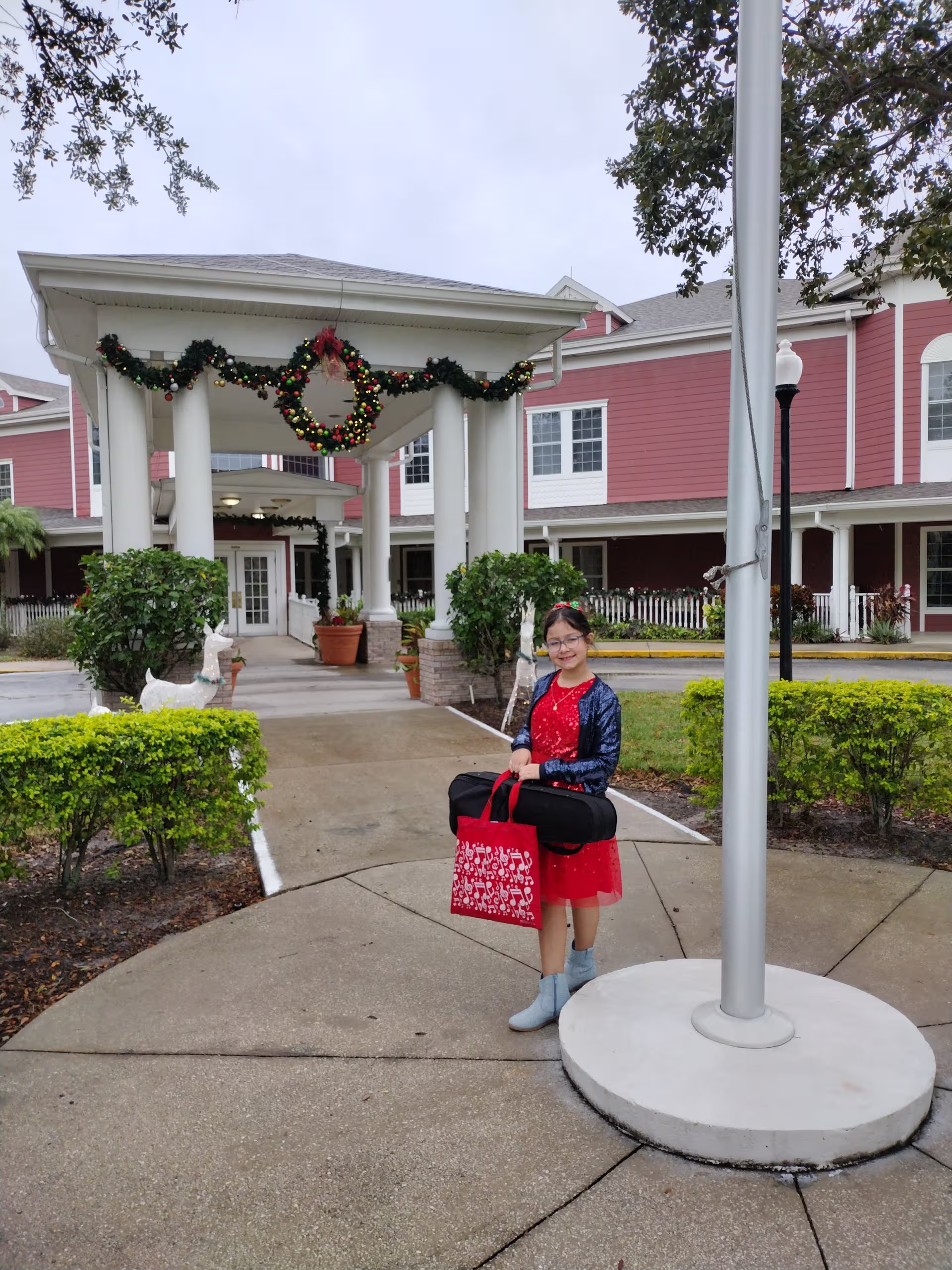
Activities and amenities: Activity programming, social engagement, and therapy schedules receive positive comments; reviewers frequently mentioned daily therapies, holiday decorations, and an active calendar. The facility’s layout, private-room model, and therapy gym are repeatedly cited as conducive to recovery. A few operational notes include limited chapel availability and occasional variability in activity staffing across shifts.
Management, communication, and operations: Administrative impressions are mixed. Several reviewers commended social services and discharge planners for effective coordination, while others described disorganized administration, inconsistent family communication, and staff turnover. Supply-management issues (shortages of linens or basic supplies) and intermittent lapses in professionalism or responsiveness—particularly on night shifts—were cited. Language-access limitations surfaced as a notable concern for Spanish-speaking families: reviewers described insufficient translation tools and occasions when staff spoke only English, which contributed to perceptions of uneven cultural responsiveness.
Notable patterns and recommendations: The dominant positive themes are environment, therapy strength, and many instances of compassionate bedside care. The dominant concerns are operational: staffing consistency, physician coverage, medication and safety protocols, dining consistency, and language access. Prospective residents and families would benefit from asking the facility about current nurse-to-patient ratios (including nights/weekends), physician and advanced-practice coverage, medication-safety procedures, transfer protocols for residents who require two-person assistance, dietary safeguards for therapeutic diets, and available language or cultural-competency resources. Observing a mealtime, touring the therapy gym during a session, and speaking directly with the on-call medical provider or discharge planner can help clarify how the facility addresses the variability described in reviews.