The review set presents a mixed but thematically consistent picture: a number of families and clinicians describe high-quality clinical and rehabilitative services, while other accounts raise substantive operational concerns. Positive comments frequently highlight compassionate nursing teams, effective physical and occupational therapy, strong wound-care capabilities, and engaged social-service staff who facilitate admissions and discharge planning. Several reviewers noted measurable functional improvements in residents (mobility, swallowing, wound healing) and praised an on-site physician presence and an active nurse-educator program that supports staff development.
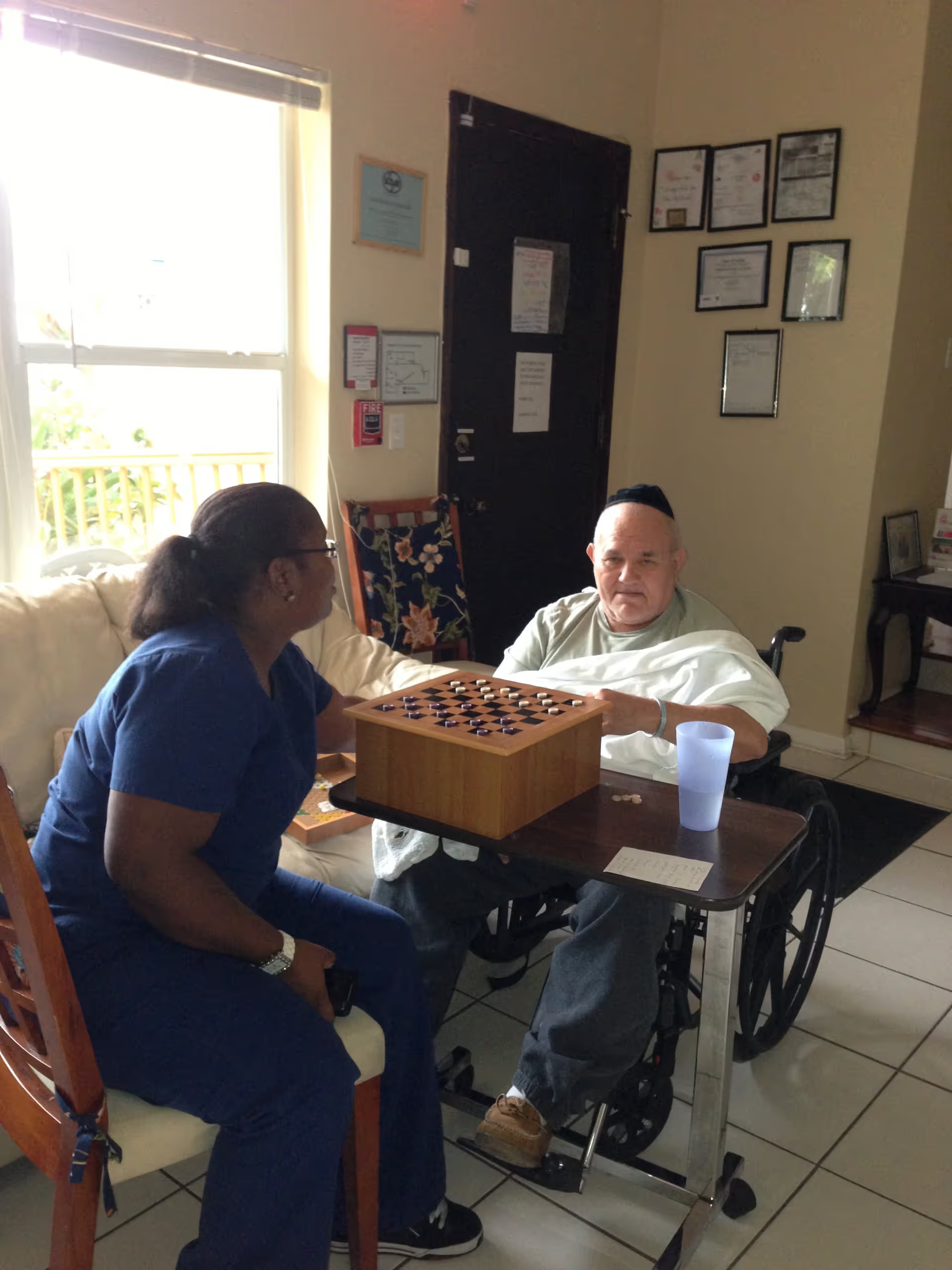
Staff performance is a major distinguishing factor. Many comments emphasize attentive, professional, and personable frontline caregivers, timely therapy follow-up, and managers who respond to concerns. Conversely, other accounts describe variability in staff conduct and responsiveness — particularly during evening and night shifts — and occasional reports of poor bedside manner and slow response times. This inconsistency appears to contribute to uneven resident experiences dependent on shift, unit, or individual caregiver assignment.
Clinical and safety themes are mixed as well. Positive reports describe strong clinical oversight, effective specialty services (wound care, dialysis-capable bedside care in some cases), and clear nursing explanations. However, recurring concerns include gaps in medication administration and monitoring, inconsistent clinical follow-up after admission or hospital transfer, and instances of inadequate supervision or safety protocol adherence. There are also a small number of serious allegations, including events that raised regulatory and safety concerns; these accounts suggest prospective families should review recent inspection and incident records as part of decision making.
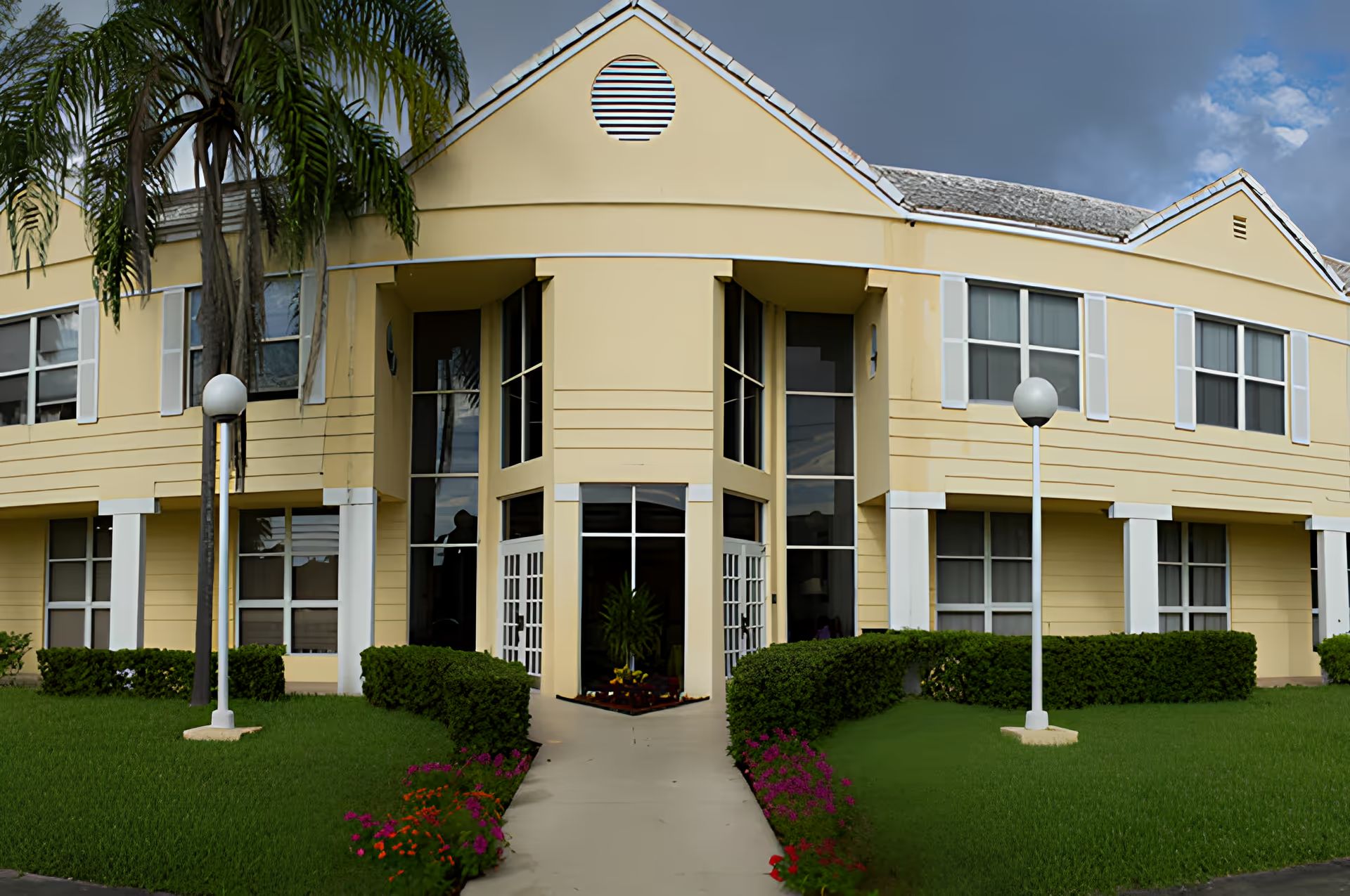
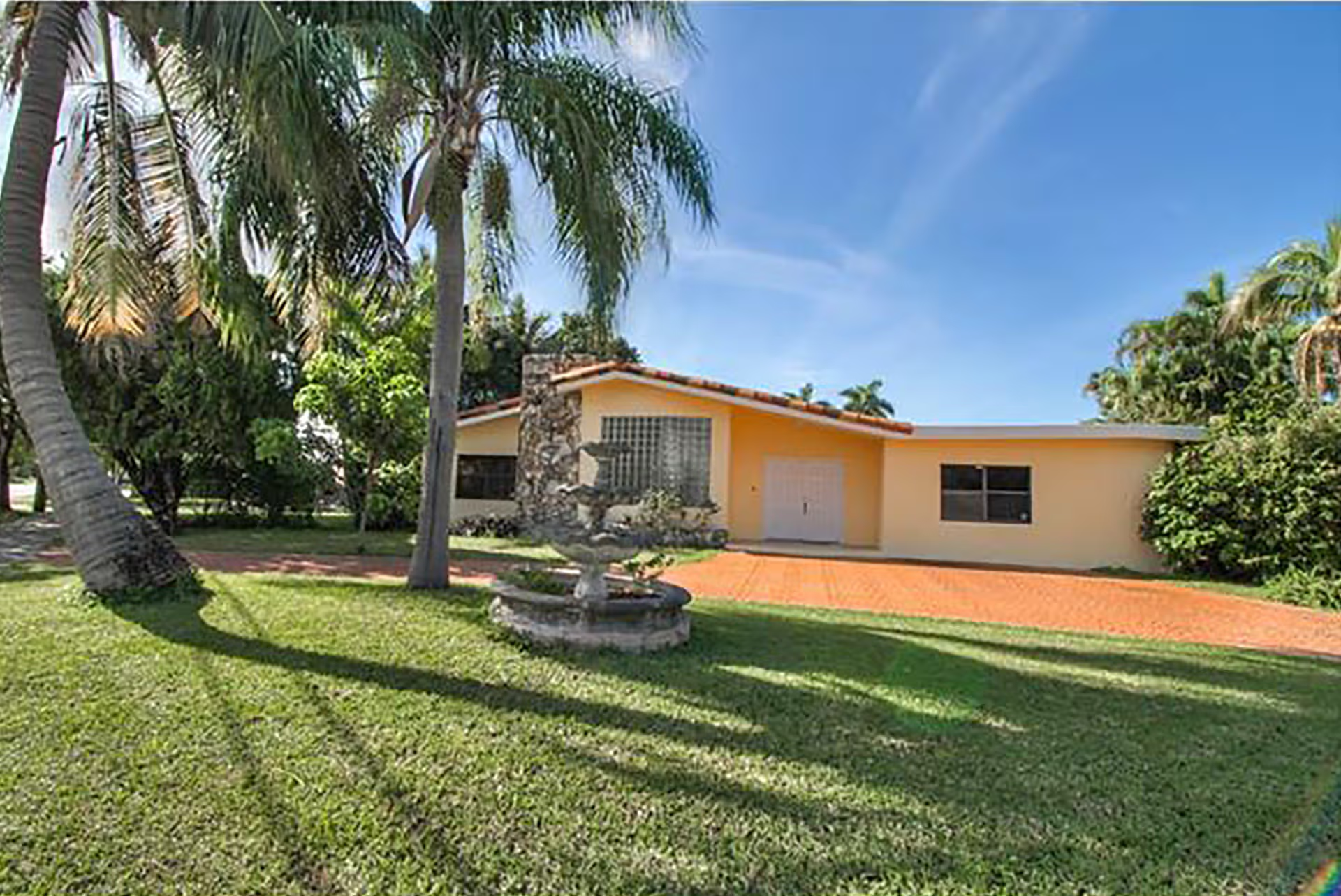
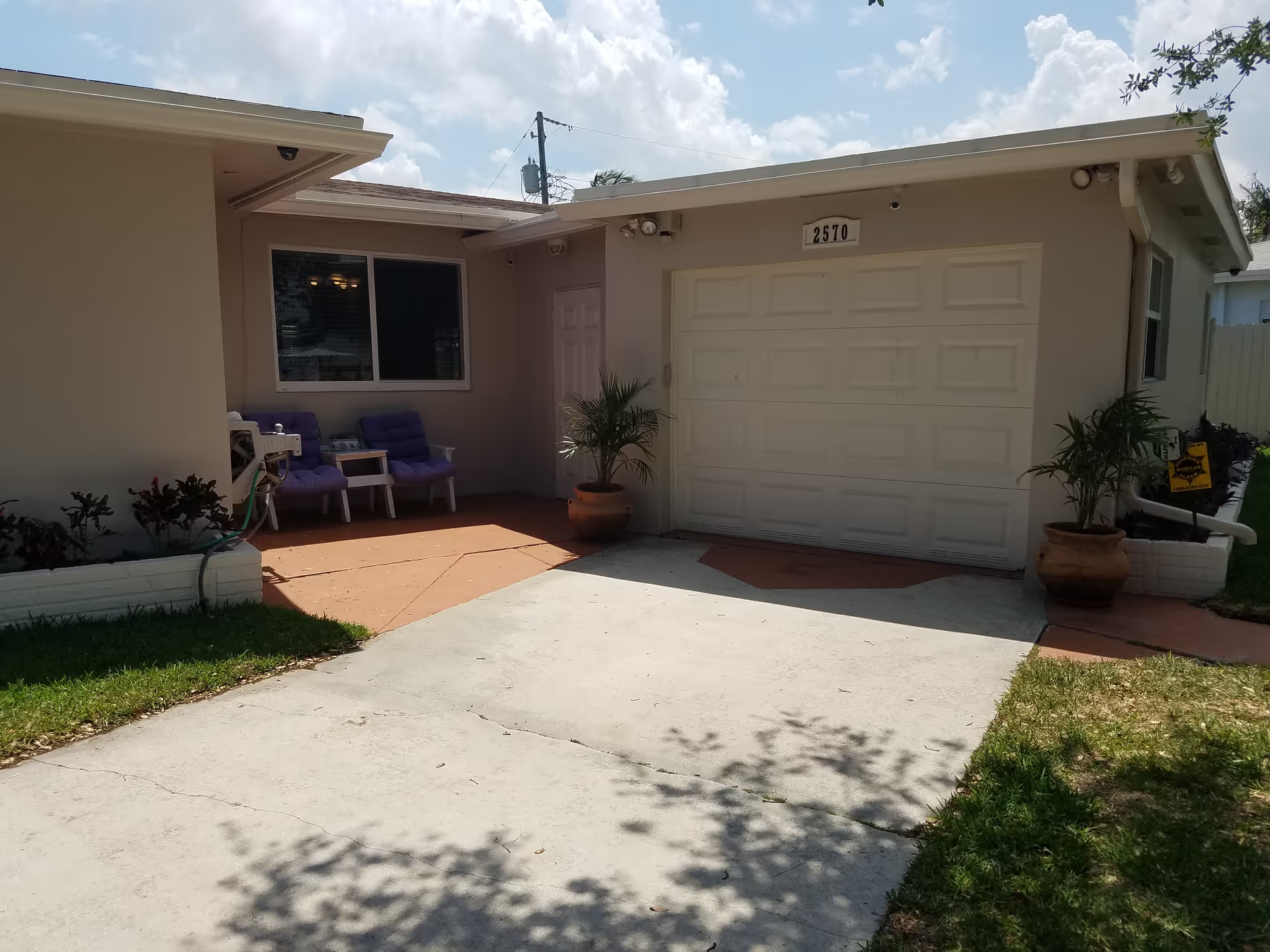
Facility, amenities, and operations present a split impression. Multiple reviewers commend a clean, bright atmosphere in public spaces, an attractive patio, organized activities, and amenities such as Wi‑Fi and salon services. At the same time, other reviews cite localized sanitation and pest-control issues, maintenance shortfalls (including heating/AC or room-level repairs), small room footprints, and inconsistent laundry and personal-belonging handling. Dining receives generally favorable remarks for nutrition and presentation, though some reviews describe variable meal quality and portioning.
Communication and administrative processes are another area of divergence. Many families praise the social-work and admissions teams for clear guidance and efficient paperwork handling, but other families report inconsistent updates, difficulty obtaining transfer or discharge information, and disputes over insurance or post-admission follow-up. These process inconsistencies, together with staffing variability and intermittent maintenance concerns, create a pattern of uneven reliability in operational execution.
Overall, Fountain Manor Health & Rehabilitation Center appears to offer strong rehabilitative services and many caring staff members, but it also exhibits variability in cleanliness, staffing consistency, clinical monitoring, and administrative follow-through. Prospective residents and families would be best served by in-person visits at different times (day and evening), targeted questions about staffing levels, medication administration protocols, infection-control and pest-management practices, recent inspection results, and how the facility handles transfers and post-discharge follow-up. These focused inquiries can help clarify whether the facility’s strengths align with an individual resident’s clinical and safety needs.