Pinecrest Rehabilitation Center elicits consistently positive feedback about its rehabilitation program. Physical and occupational therapy are frequently highlighted as strengths: families describe engaged therapists, a busy therapy gym that fosters camaraderie, and measurable functional gains such as improved mobility and independence. Admissions and intake processes are often characterized as efficient and well organized, and social-work involvement and monthly care meetings are cited as helpful for care planning and family engagement.
Clinical care and staffing present a mixed but generally favorable picture. Many reviewers praise attentive, knowledgeable nurses and helpful nursing assistants; several accounts reflect timely, proactive updates to families and close monitoring after events such as falls. However, reviewers also describe variability in staff skill and reliability between shifts. This variability manifests as delays in responsiveness, uneven task follow-through, and occasional need to escalate concerns to supervisors. Staffing levels are described as insufficient at times, which reviewers connect to slower service and incomplete tasks.
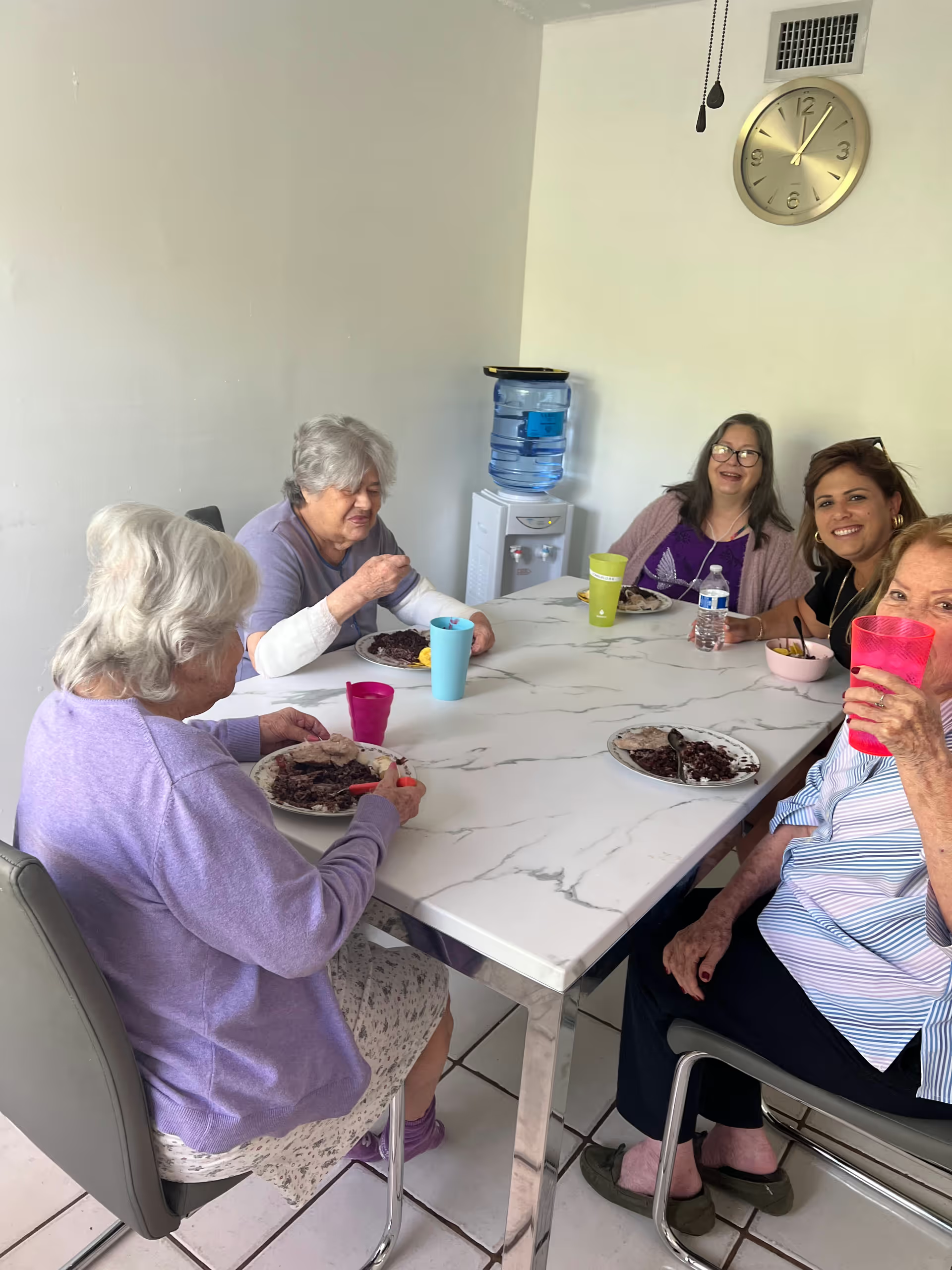
Dining and nutrition are another area of mixed feedback. Some families and residents find the food well prepared and appreciate dietary accommodations; others describe limited variety, repetitive or strongly seasoned menus, and instances of meals being cold or not aligned with medical or personal preferences. Several reviewers advised verifying meal options and how the facility handles special diets during the admission conversation.
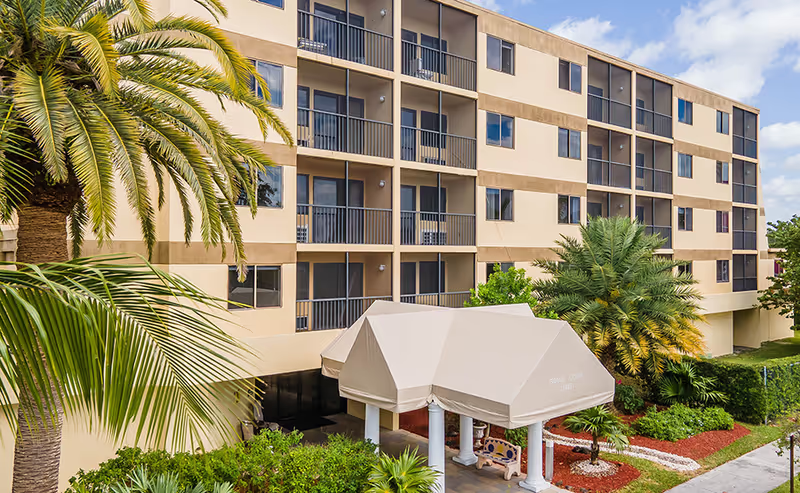
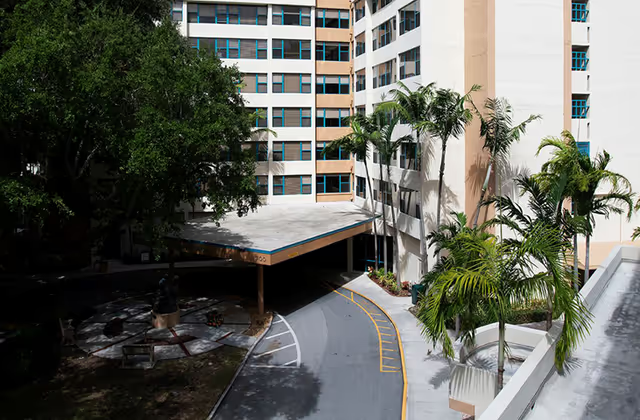
Facility condition and cleanliness are generally described positively, with many citing clean rooms, well-kept bathrooms, and an orderly dining area. At the same time, reviewers raise sanitation and odor concerns in specific areas and note that parts of the campus are older and in need of updating; some rooms have been remodeled while others show deferred maintenance (missing chairs, dusting issues, or worn finishes). In-room infrastructure concerns are raised occasionally, such as absent telephones.
Operational and administrative patterns worth noting include inconsistent communication from administration and front-desk staff. While some families experience clear, regular outreach and monthly care coordination, others report difficulty reaching staff by phone, limited responsiveness, and occasional administrative confusion. Laundry and personal-belongings management is another recurring operational weakness: misplaced or lost clothing and items, and unclear processes for recovery, lead to frustration. Language-access limitations (notably Spanish-language availability) were also mentioned as a barrier for some families.
Activities and daily care routines receive some critique. A number of reviewers perceive limited activity offerings, confined common spaces, and inconsistent bathing or morning routines. For prospective residents and families, it is advisable to ask about current activity schedules, bathing policies, language support, and protocols for managing belongings and laundry. Overall, Pinecrest appears to deliver effective rehabilitative care within a generally clean environment, but operational variability — particularly around communication, staffing consistency, meals, and personal-belongings management — is a pattern families should explore during visits and admissions discussions.