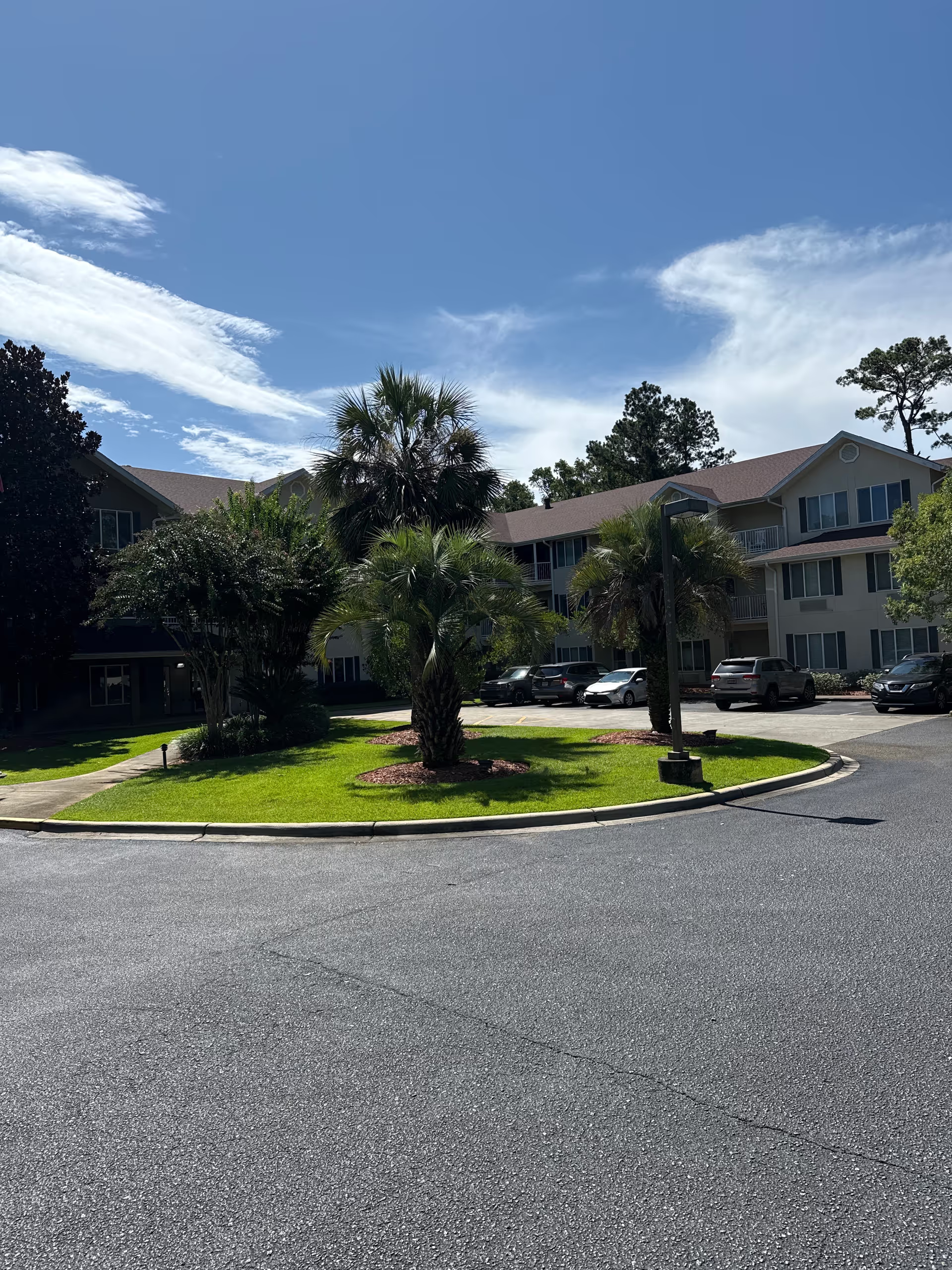
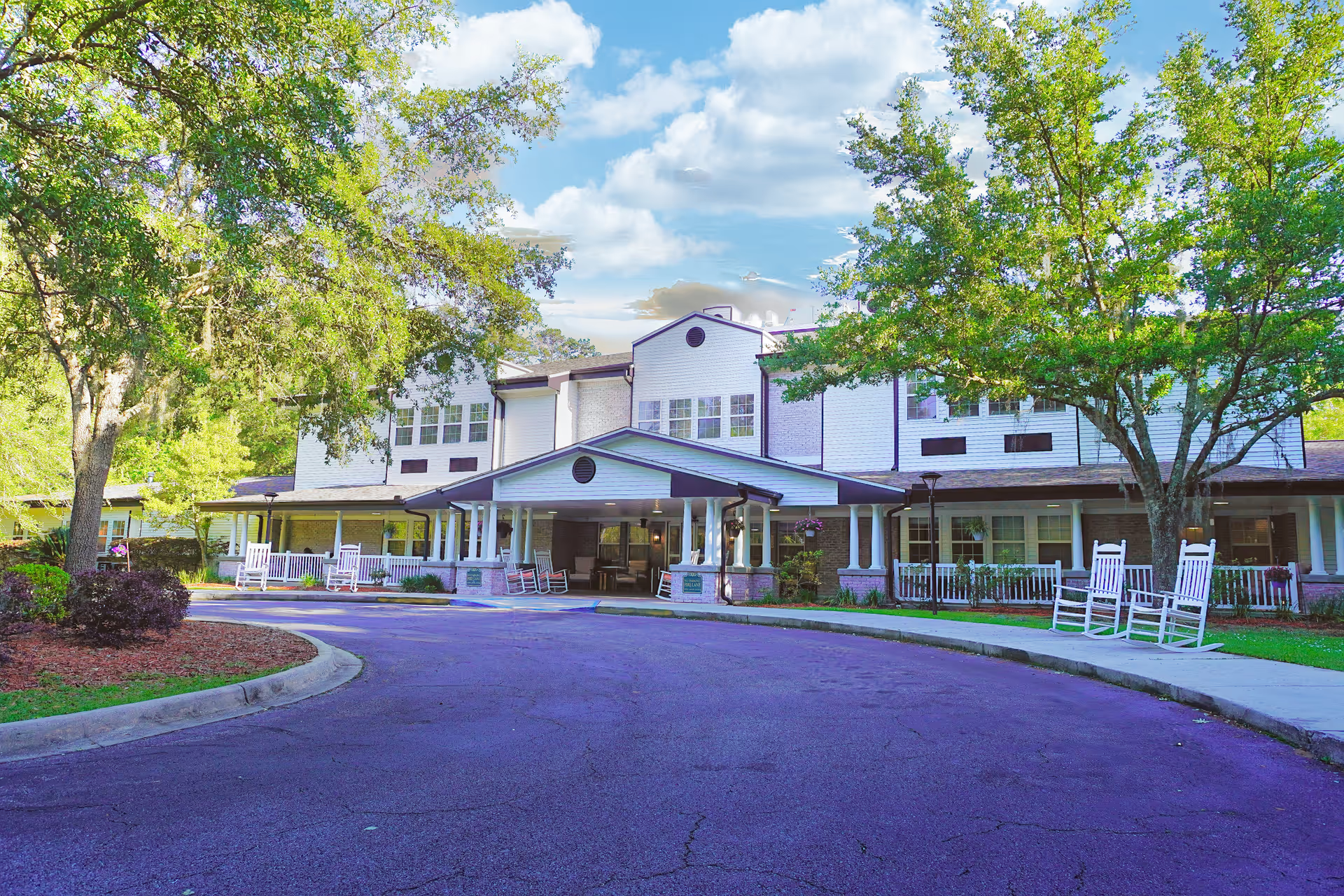
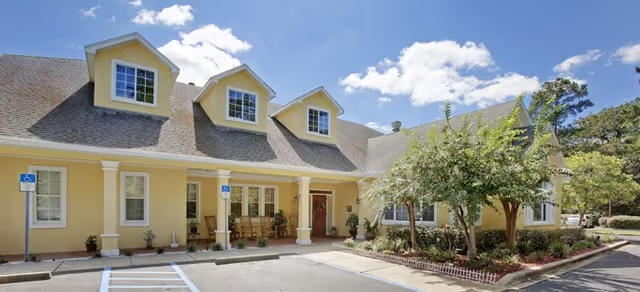
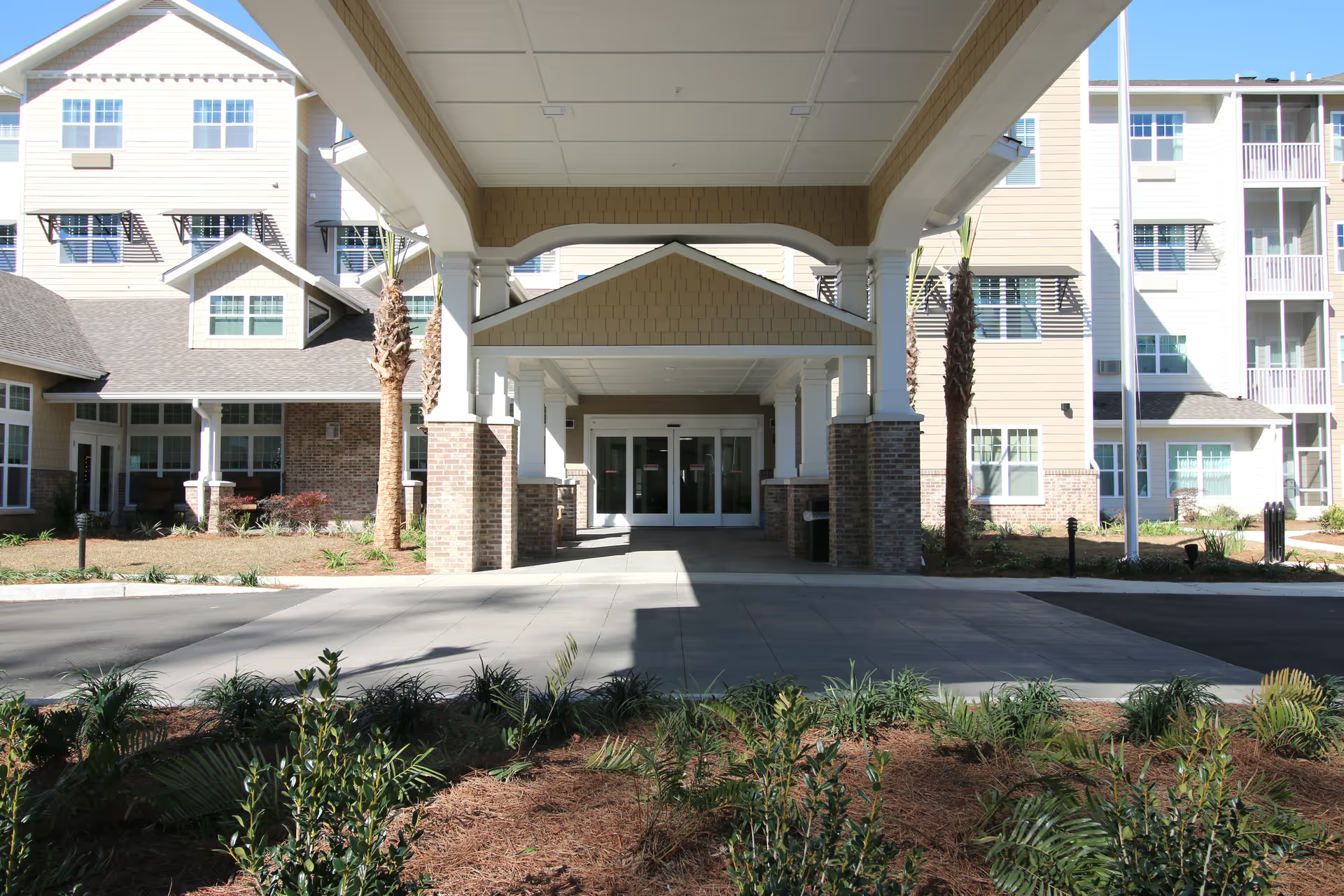
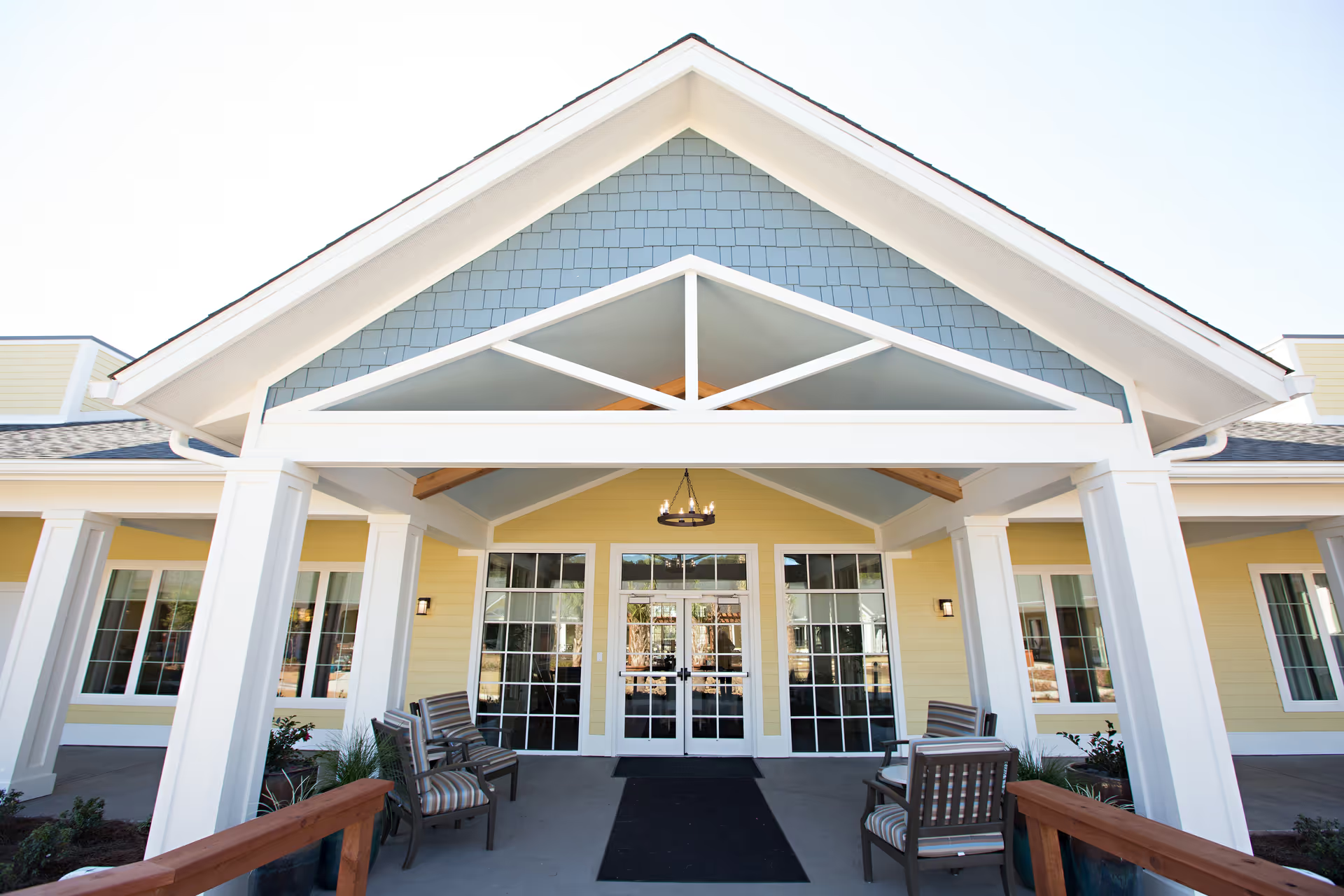
The reviews for PruittHealth - SouthWood present a starkly polarized picture: the facility is frequently praised for its physical environment and therapy capabilities, yet a substantial portion of feedback raises operational and clinical concerns. The campus and interiors are consistently described as modern, attractive, and well-equipped. Private rooms with natural light, en-suite bathrooms, an expansive therapy gym, indoor walking paths, pool with lift, and home-like common areas are recurring strengths. Many families specifically highlight strong physical and occupational therapy teams, excellent wound care in some cases, and staff members who go above and beyond during daytime shifts.
Care quality and staff performance are described with significant variability. Numerous reviewers commend compassionate, attentive nurses and CNAs and credit the therapy staff with measurable rehabilitation gains. Conversely, a sizeable set of comments describes inconsistent nursing coverage (notably nights and weekends), slow or nonfunctional call-response, and delays in medication administration or monitoring. These operational weaknesses are associated with safety concerns (falls, supervision gaps) and avoidable readmissions for some residents. There are also repeated references to inconsistent hygiene and infection-control practices alongside isolated but serious clinical concerns; while some accounts praise stellar wound care, others describe missed monitoring and infection-related issues. Allegations of missing personal belongings and issues with medication handling appear in the feedback and merit targeted inquiry.
Dining and nutrition receive mixed reviews. Several families describe meals as well prepared and accommodating, while many others characterize the food as overly processed, high in sodium, and inconsistent in quality—especially for special diets and pureed offerings. Some reviewers report limited fluid availability and dissatisfaction with meal timing and portioning. Activities and therapeutic programming are generally seen as positive, with accessible events and amenities that contribute to a non-institutional atmosphere for residents who are able to participate.
Management and communication patterns are another recurring theme. Positive notes include helpful case managers and individual administrators or clinicians who communicate well and facilitate transitions home. However, many families report difficulty reaching leadership, telephone/voicemail problems, delays or errors in discharge paperwork, and inconsistent follow-through on care plans. These administrative gaps compound clinical and safety concerns when they affect medication fills, oxygen arrangements, or discharge instructions.
Notable patterns to consider: (1) The facility’s physical environment and therapy resources are clear assets. (2) Daytime clinical and therapy teams often receive strong praise, while night/weekend staffing and responsiveness are described as inconsistent. (3) Operational weaknesses cluster around medication management, call-response systems, sanitation practices, dining consistency, and administrative communication. Prospective residents and families should plan on an in-person visit, ask specific questions about staffing ratios and night coverage, test call-response systems, review medication-administration and infection-control protocols, and obtain clear, documented discharge and transition plans before admission. These steps can help clarify whether the facility’s strong amenities and therapy capabilities align with a consistent standard of clinical care and operational reliability for a given resident’s needs.