Overall impression: Reviews of Viera Health & Rehabilitation Center describe a facility with clear strengths in rehabilitation and a large cohort of staff who provide compassionate, attentive care. Therapy services — physical, occupational, and speech — receive frequent praise for effectiveness, measurable goals, and skilled therapists who support recovery. Many families compliment the concierge/admissions team, case management, social work, and transport coordination, and several accounts highlight a clean, well-maintained building, welcoming common areas, and an active activities calendar.
Care quality and clinical concerns: There is a pronounced split in reviewer experience between short-term rehab care and longer-term or overnight care. Rehabilitation programs and therapy staff are consistently identified as a robust asset; however, multiple accounts raise concerns about medication administration timing, pain control, and clinical-assessment follow-through in non-rehab settings. Several reviewers described delayed medications, missed doses, and slow recognition or escalation of acute problems, which they linked to emergency transfers and readmissions. These patterns suggest variability in clinical oversight and medication-management processes.
Staffing and communication: Staffing levels and responsiveness are reported as uneven. Some shifts and departments are described as attentive and well organized, while others — particularly nights and busy hours — are described as understaffed or slow to respond to call requests. Families also cite inconsistent communication: late or absent notification about ER visits, unclear discharge planning, and difficulty reaching specific departments. Leadership and particular managers receive positive mention in many reviews, but reviewers also describe inconsistent management follow-through on incident response and paperwork delays.
Dining and dietary accommodations: Opinions on meals and dietary services are mixed. Several reviewers praise prepared meals and courteous dietary staff; others describe cold or inappropriate meal preparation, inadequate diabetic or cardiac meal accommodations, and difficulty with texture-modified items. These contrasting experiences point to variability in meal-service consistency and accommodation adherence.
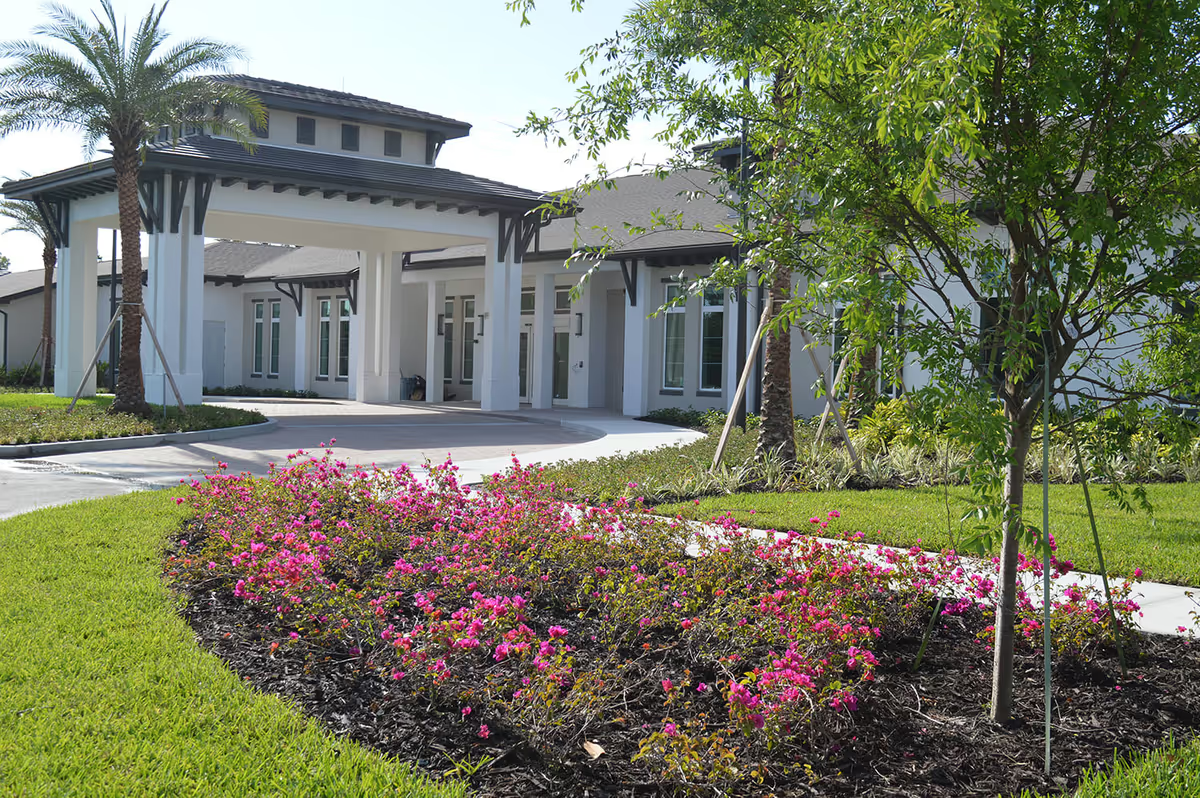
Activities and environment: Activity programming is a recurring strength. Reviewers note daily recreation, music, games, group exercise, and family-inclusive events. The facility’s interior and exterior are frequently described as clean, well-decorated, and peaceful, with private and two-person rooms that include furnishings and entertainment. At the same time, some accounts identify localized sanitation concerns, odor issues in specific areas, mattress comfort complaints, and the need for selective room updates.
Safety, hygiene, and infection control: Multiple reviews raise concerns about resident-monitoring practices, transferral and fall prevention, and infection-control or outbreak management. These are described as operational gaps rather than isolated praise-worthy incidents; reviewers link them to readmissions, delayed clinical recognition, and distressing family experiences. There are also references to inconsistent housekeeping in specific circumstances and pest-control concerns in isolated units.
Management and operations: Administrative strengths include effective admissions/concierge assistance in many instances and strong leaders in nursing and therapy roles. Weaknesses cluster around discharge coordination, paperwork handling, bed/room availability timing, and variability in how complaints are addressed. Some families report positive interventions from named staff who improved outcomes; other families describe difficulty reaching discharge planners or receiving timely follow-up.
Notable patterns and advice for families: The dominant pattern is high-quality rehabilitation care paired with variability in long-term and overnight nursing services. Prospective residents and families may want to confirm current staffing ratios (especially overnight), medication-administration protocols, infection-control practices, dietary accommodation procedures, and how the facility communicates during emergencies. A focused tour that includes the unit where a loved one would reside, meetings with nursing leadership and therapy staff, and clarification of discharge/communication processes can help assess whether the facility’s strengths align with specific care needs.