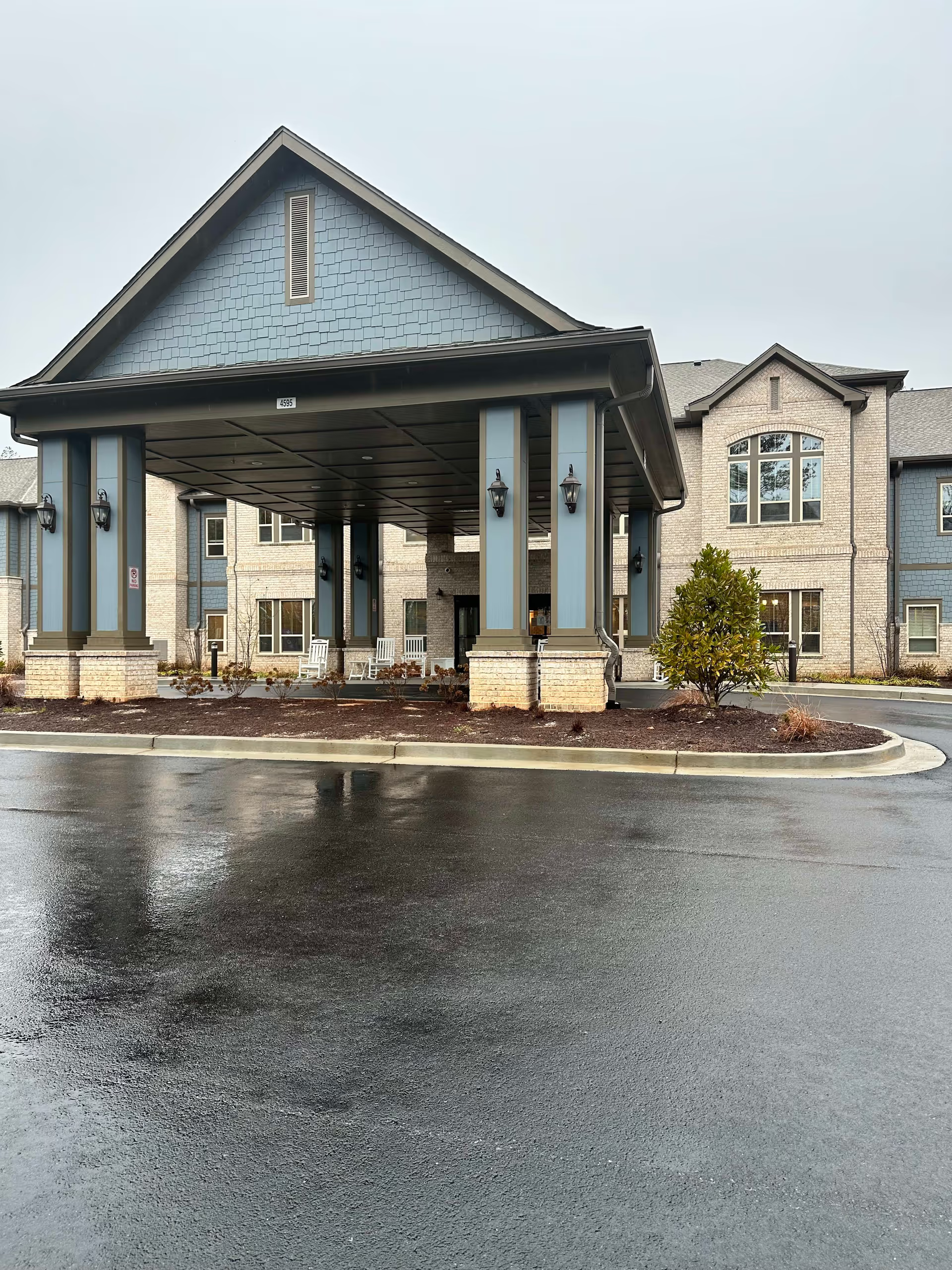
The reviews for Douglasville Nursing and Rehabilitation Center describe a polarized experience: some families and patients report effective rehabilitation, attentive social work, and individual caregivers who delivered compassionate, outcome-focused care, while other accounts raise substantial concerns about clinical consistency, staffing, and administrative controls.
Care quality and clinical management are uneven. Positive accounts highlight strong physical and speech therapy programs that produced measurable functional gains and timely hospital-to-home transitions. Conversely, reviewers raise concerns about missed or delayed medication administration, lapses in following physician orders, inconsistent diabetic monitoring, insufficient tracheostomy/ventilation support in select cases, and weight and cognitive decline observed by families. These issues point to gaps in routine clinical monitoring and care-plan adherence rather than a single, uniform standard of care across the facility.
Staffing and caregiver conduct are described as variable. Multiple accounts praise individual staff members by name for empathy and effectiveness, and many families report good weekday nursing and therapy interactions. At the same time, there are recurrent comments about understaffing, slow call-light responses, weaker weekend coverage, front-desk inattentiveness, and concerns about staff training and tone. Infection-control practices are also inconsistently described, with some reviewers noting lax adherence to masking and other precautions.
Dining and nutrition experiences are mixed. Several reviewers enjoyed meals and described them positively; however, there are also reports of inconsistent diet adherence (for example, prescribed diabetic diets not always being followed) and variable meal-service continuity. Families should verify diet-management processes for residents with specific nutritional needs.
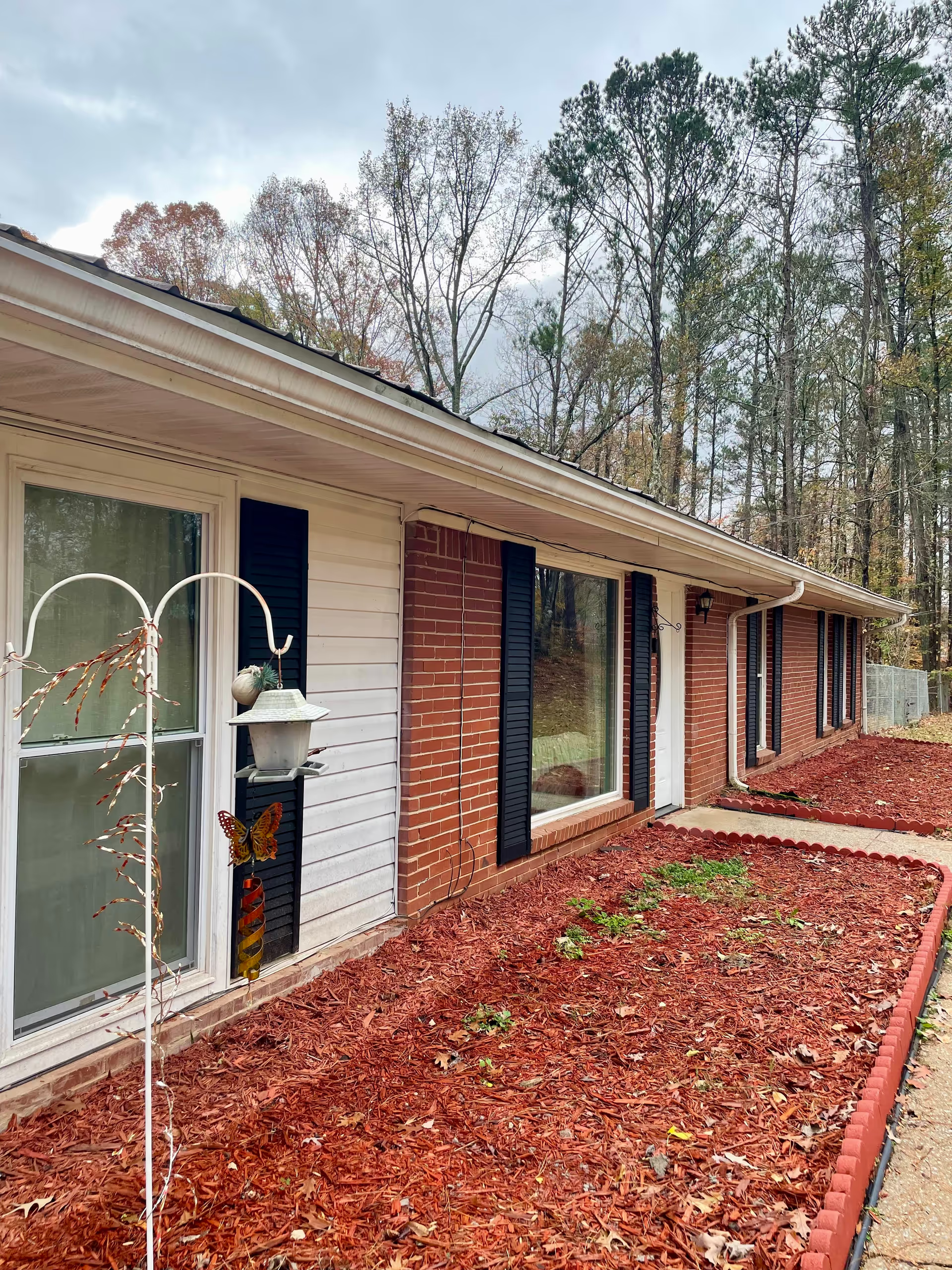
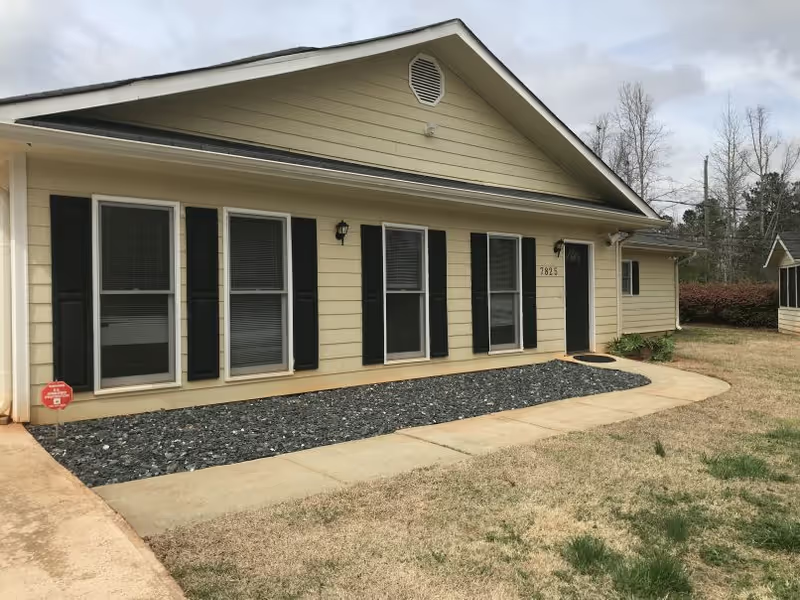
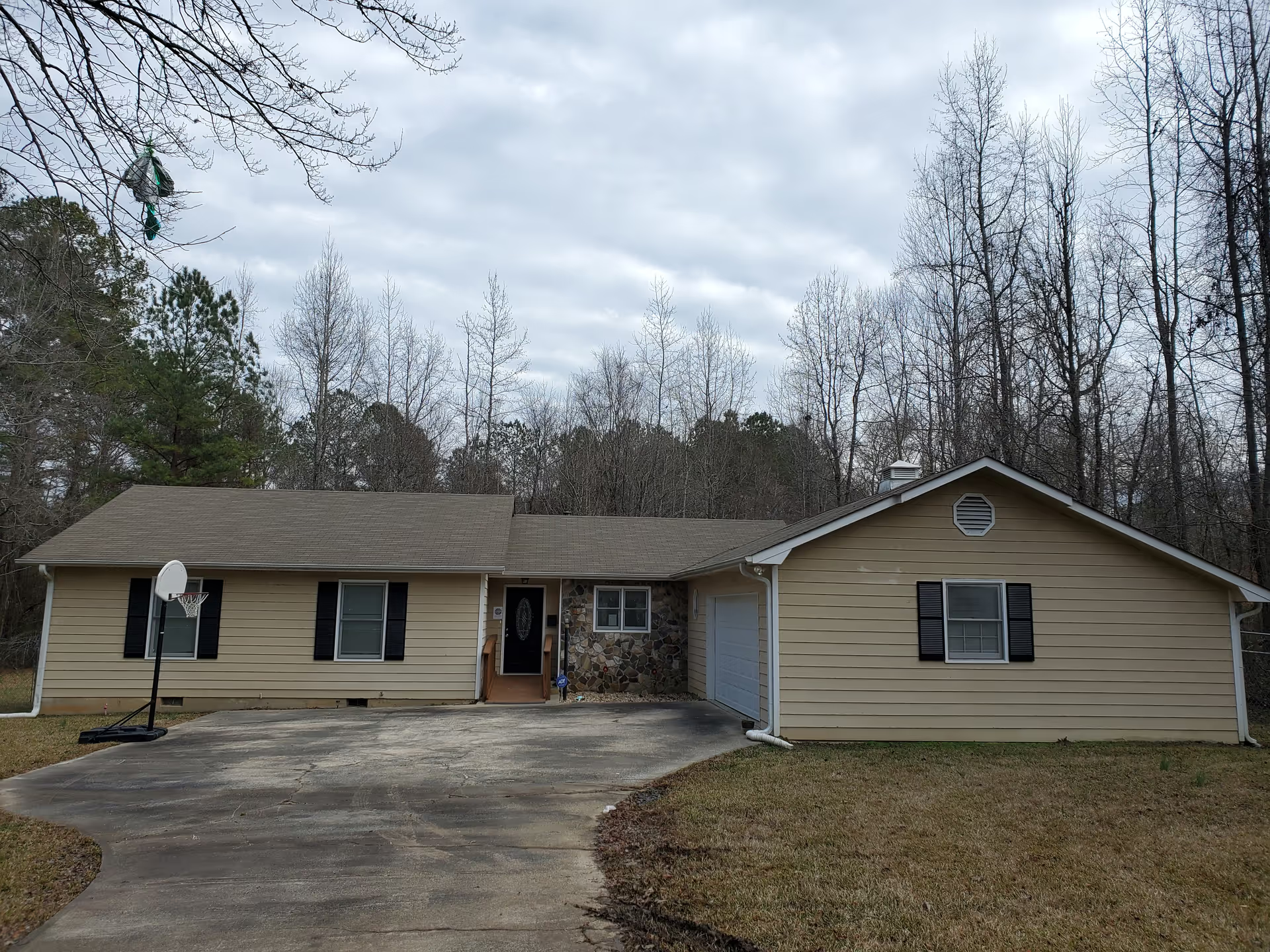
Facility condition and safety present a split picture. The rehabilitation area and some recently updated rooms receive praise for cleanliness and comfort, but other parts of the building are described as older, with environmental issues such as high room temperatures, bathroom/accessibility limitations, and equipment concerns (bed rails, wheelchairs, suction availability). There are also sanitation and pest-control concerns cited by reviewers that warrant verification during a visit.
Management, documentation, and billing are recurring areas of concern. Reviewers note inconsistent or missing documentation, billing irregularities and unexpected charges, lost medications and personal property, and at least one privacy/HIPAA-related complaint. Several families praised recent administrative changes and a new executive director for visible improvements; prospective residents should ask about recent leadership initiatives, billing transparency, and complaint-resolution processes.
Activities and family engagement receive mixed feedback. Some reviewers found the facility family-focused with available activities and attentive social work; others perceived limited engagement, particularly when staffing was constrained. Overall, strengths appear concentrated in the therapy program and in individual staff members, while systemic weaknesses cluster around staffing consistency, medication and clinical-adherence processes, documentation and billing controls, and certain facility-maintenance issues.
Recommendations for prospective families: tour the specific unit where the resident will stay, ask about weekend staffing ratios and recent staffing turnover, review medication-administration and diet-management protocols, request recent inspection and complaint history, and discuss billing practices and documentation access. Verifying current leadership changes and speaking directly with the therapy team and case manager can help clarify whether the facility’s strengths align with the resident’s clinical needs.