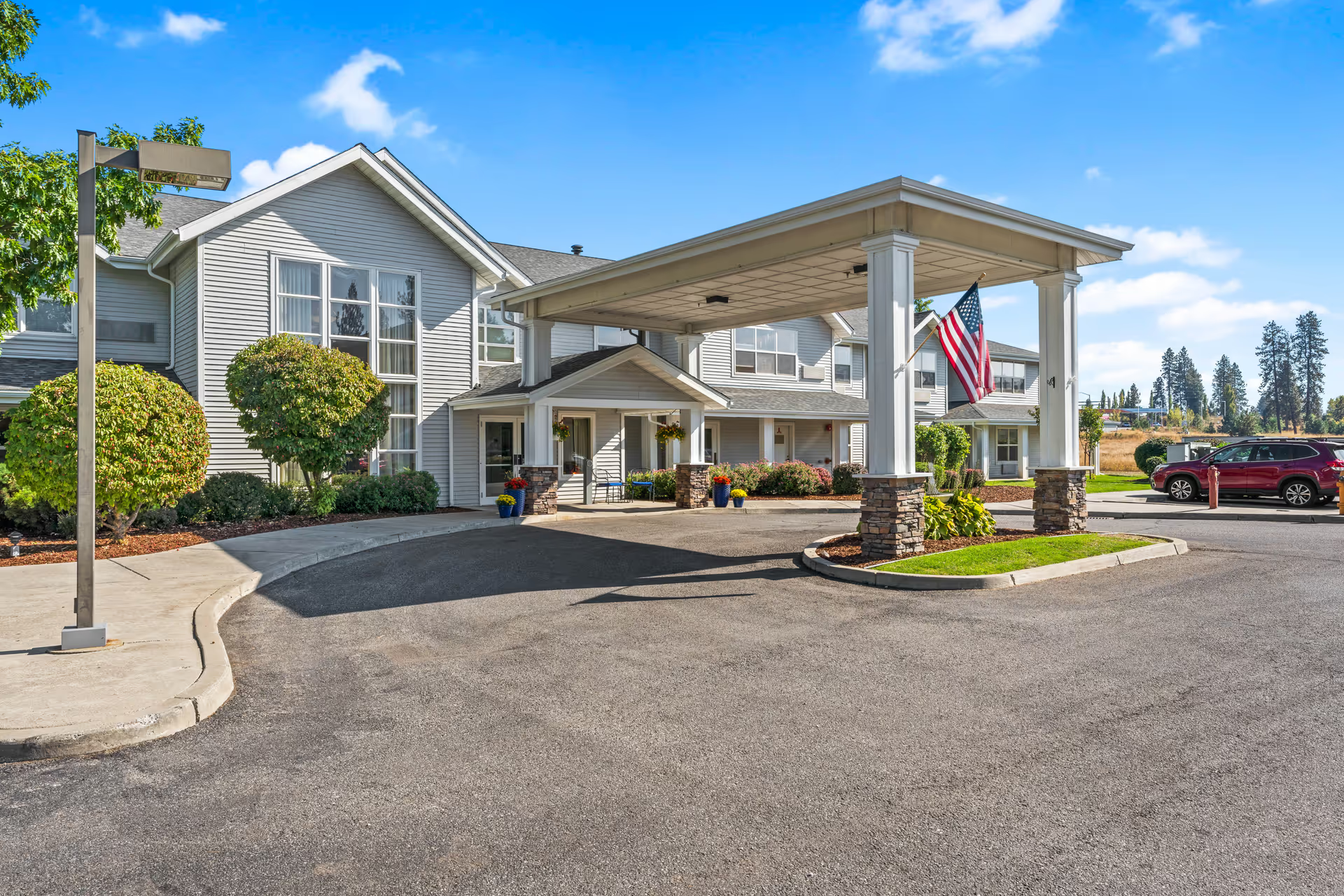
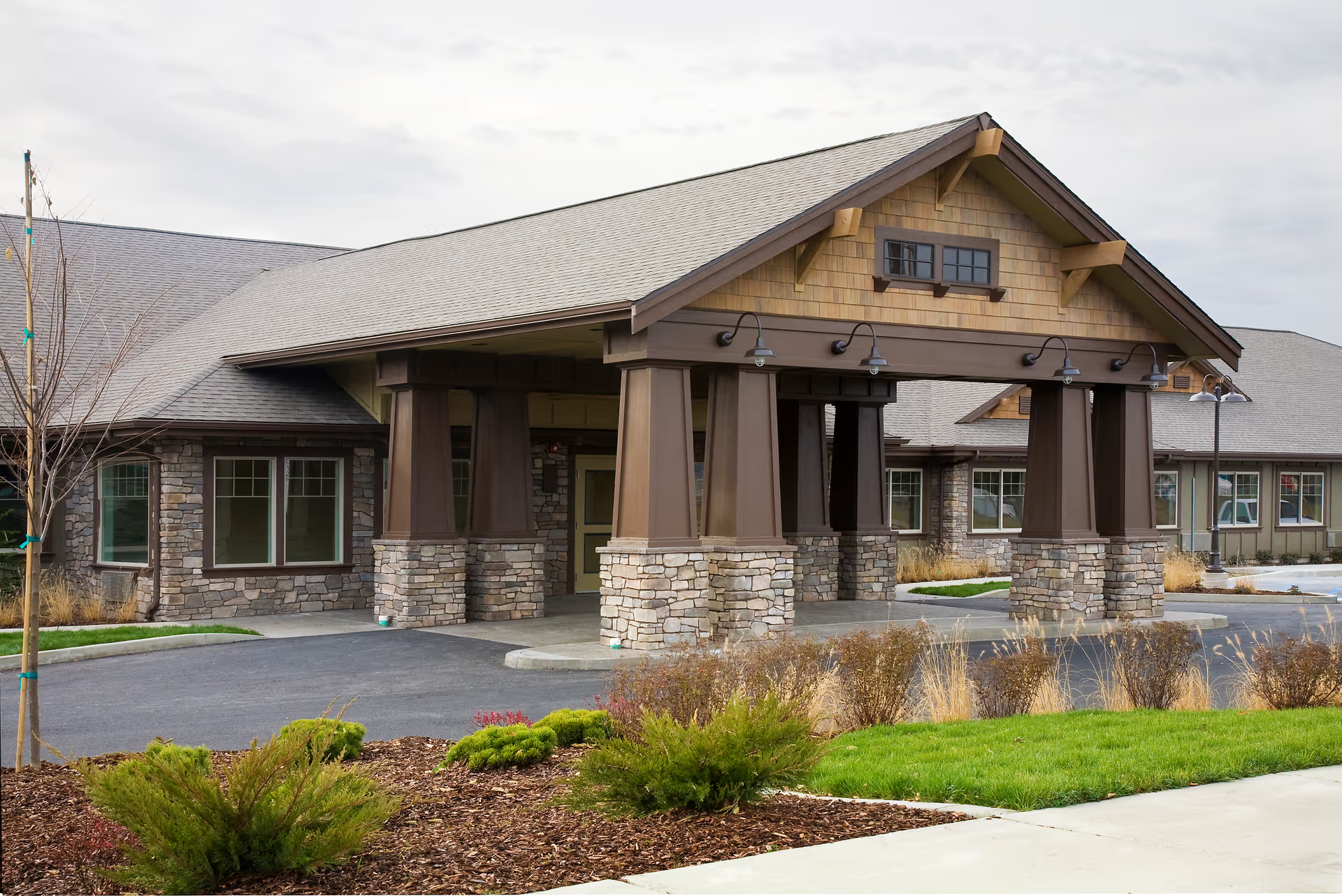
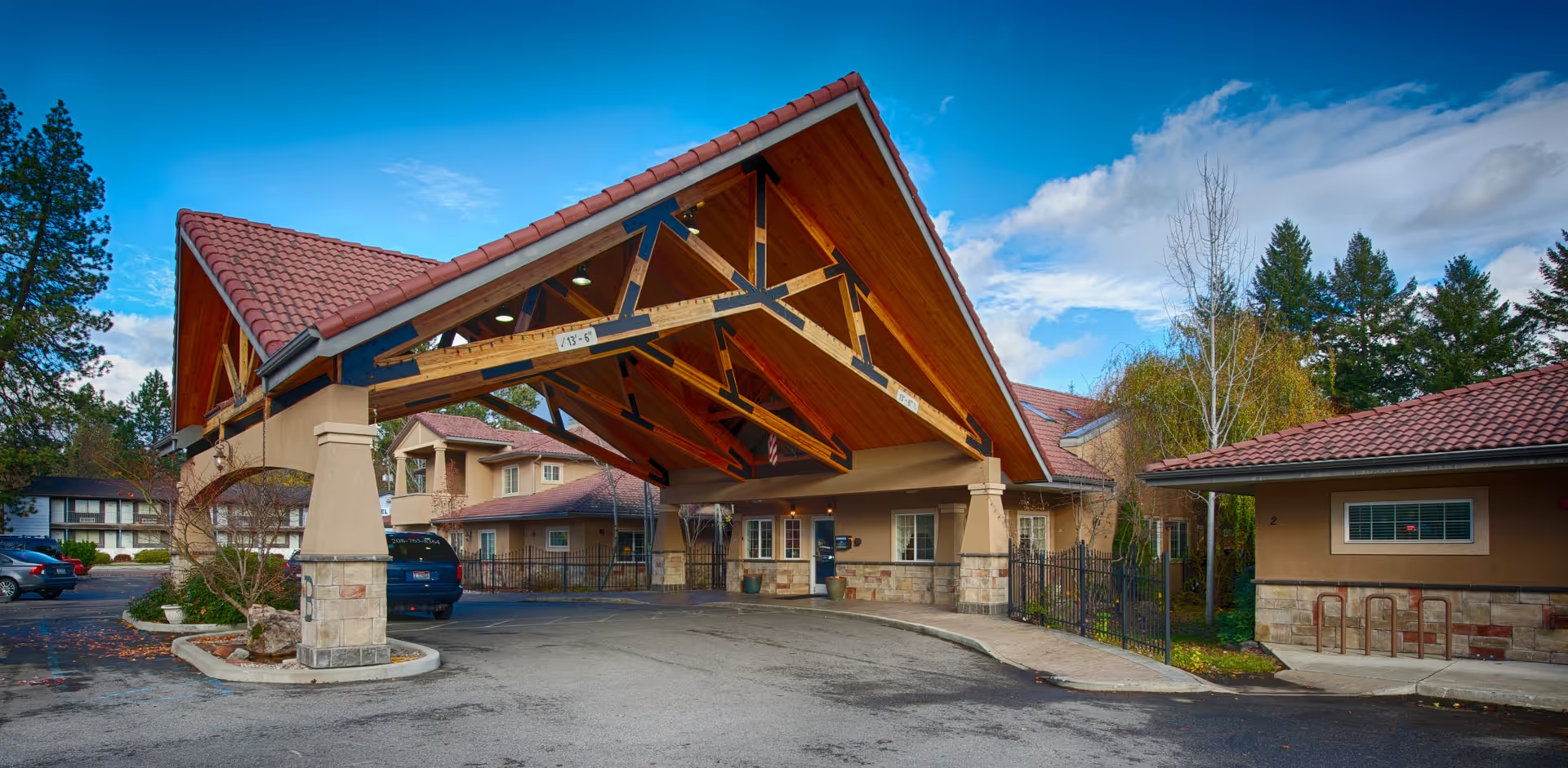
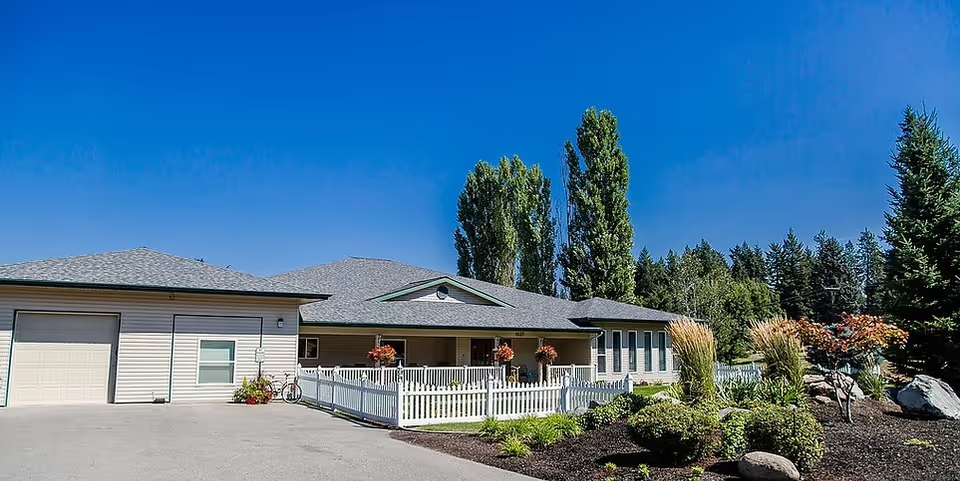
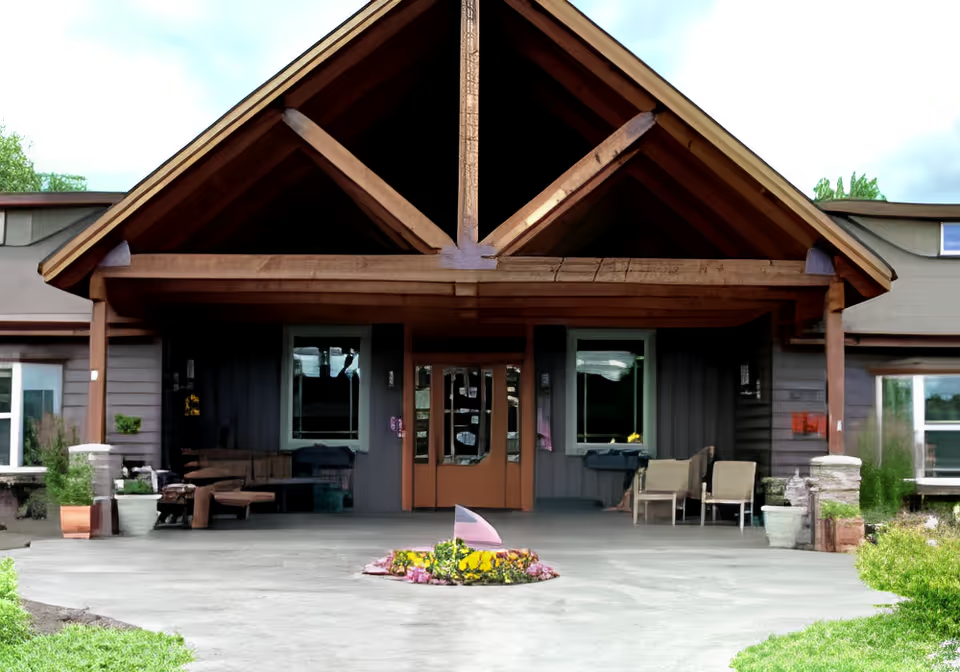
Advanced Health Care of Coeur D'Alene elicits a mixed but clear pattern: the physical environment, dining, and many direct-care interactions are consistently praised, while operational leadership, staffing consistency, and certain clinical processes show variability across experiences. The facility presents as a modern, hotel-like rehabilitation and long-term care setting with private, apartment-style rooms, comfortable common areas, and in-room entertainment. Many families highlight a clean, well-kept campus and a homelike atmosphere that supports resident comfort.
Care quality and frontline staff receive frequent positive mention. Nursing assistants are described as compassionate and attentive, and several accounts point to skilled nursing and strong occupational/physical therapy teams that focus on restorative goals and successful discharges home. Reviewers cite notable mobility improvements and effective rehabilitation programming for many residents. There are also multiple references to accessible administrative support and staff who provide advocacy and after-hours availability when families need it.
Contrasting with those strengths, there is a recurring set of operational concerns. Several families describe inconsistent leadership responsiveness and communication, including delays in maintenance, incomplete housekeeping follow-through, and uneven responses to call lights. Staffing shortfalls are cited as a factor in responsiveness gaps. Clinical-process concerns include medication-management problems and variability in therapy delivery; there are also complaints about pain-management decisions in individual cases. Relatedly, communication and documentation around clinical incidents and discharges are sometimes described as inadequate or misleading.
Dining and amenities are a noted strength for many residents — restaurant-style service and high-quality meals are frequently praised — but there are also accounts of inconsistent meal-service continuity and menu accuracy. Management impressions are mixed: while some families describe supportive, engaged administrators, others express concerns about supervisory oversight, including a few allegations regarding how management addressed staff conduct. A perception that operational or financial priorities occasionally take precedence over individualized care appears in several critiques.
For prospective residents and families, the dominant pattern is one of solid environmental and rehabilitative resources combined with operational variability that can affect day-to-day experience. Recommended areas to evaluate on a visit include current staffing levels and turnover, medication-administration protocols and pain-management policies, incident-communication procedures and sample discharge documentation, housekeeping and maintenance schedules, and how the team individualizes rehabilitation goals. These checks can help align expectations with the facility's strengths and identify any operational risks relevant to a given resident's needs.