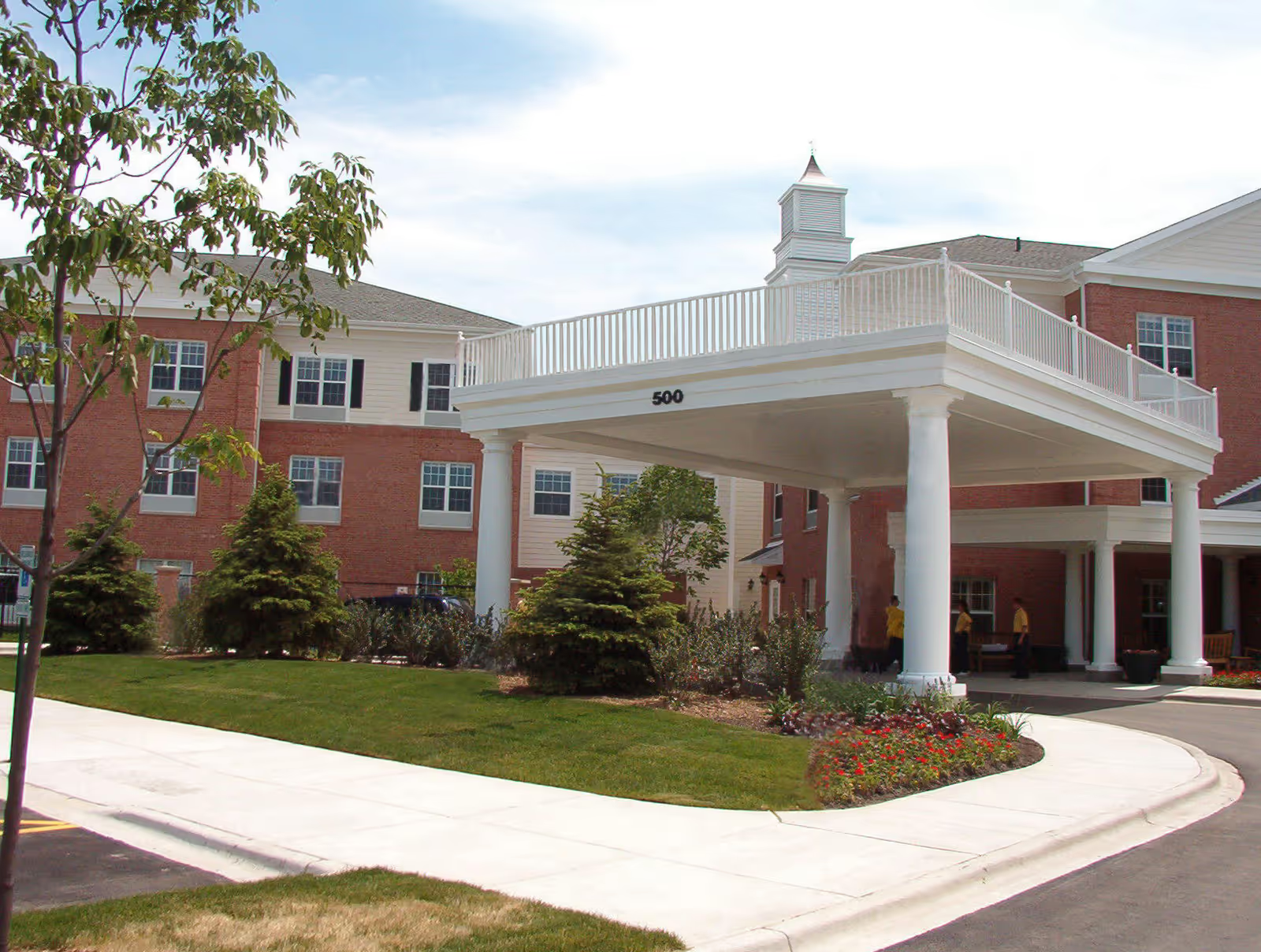
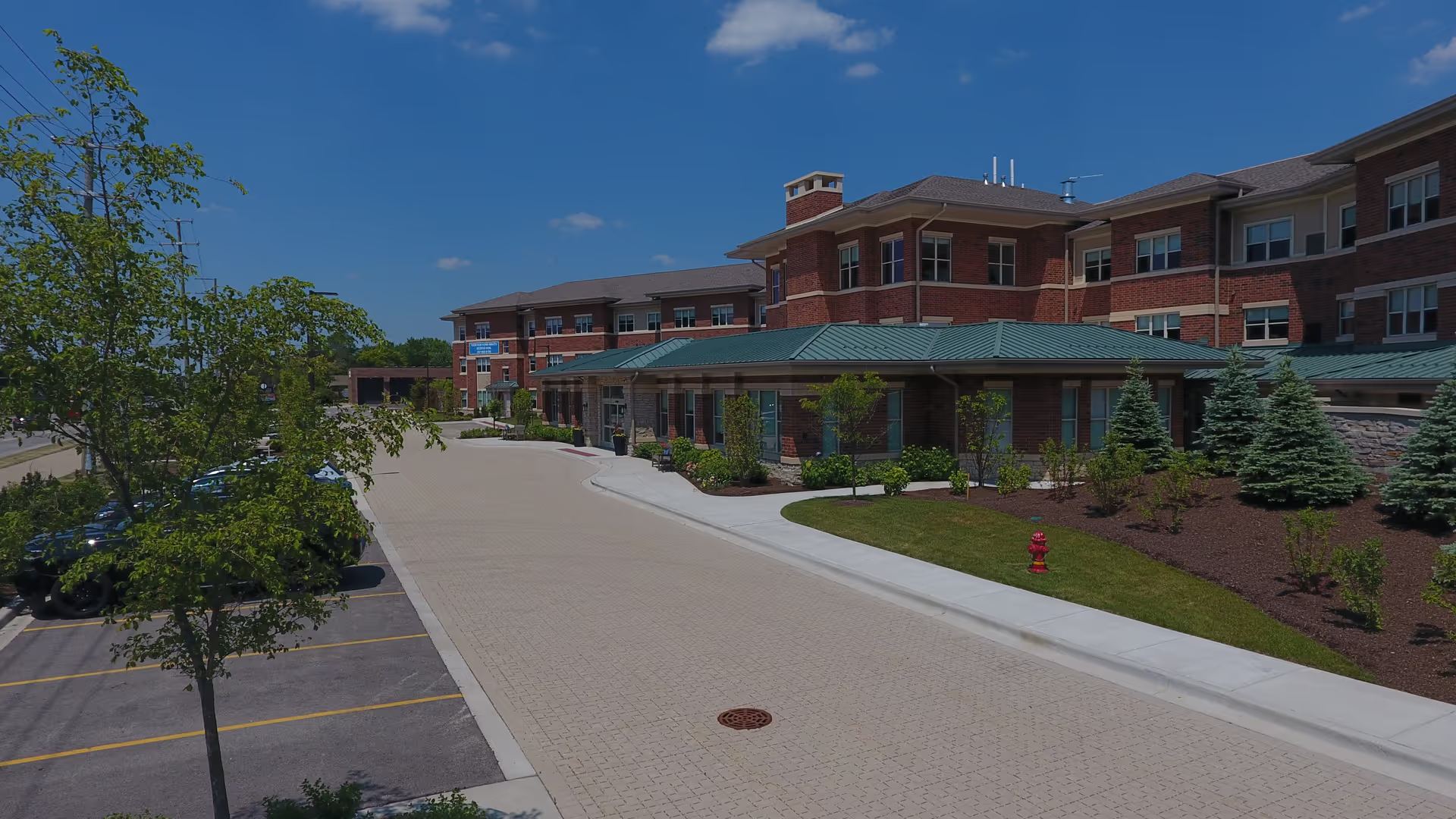
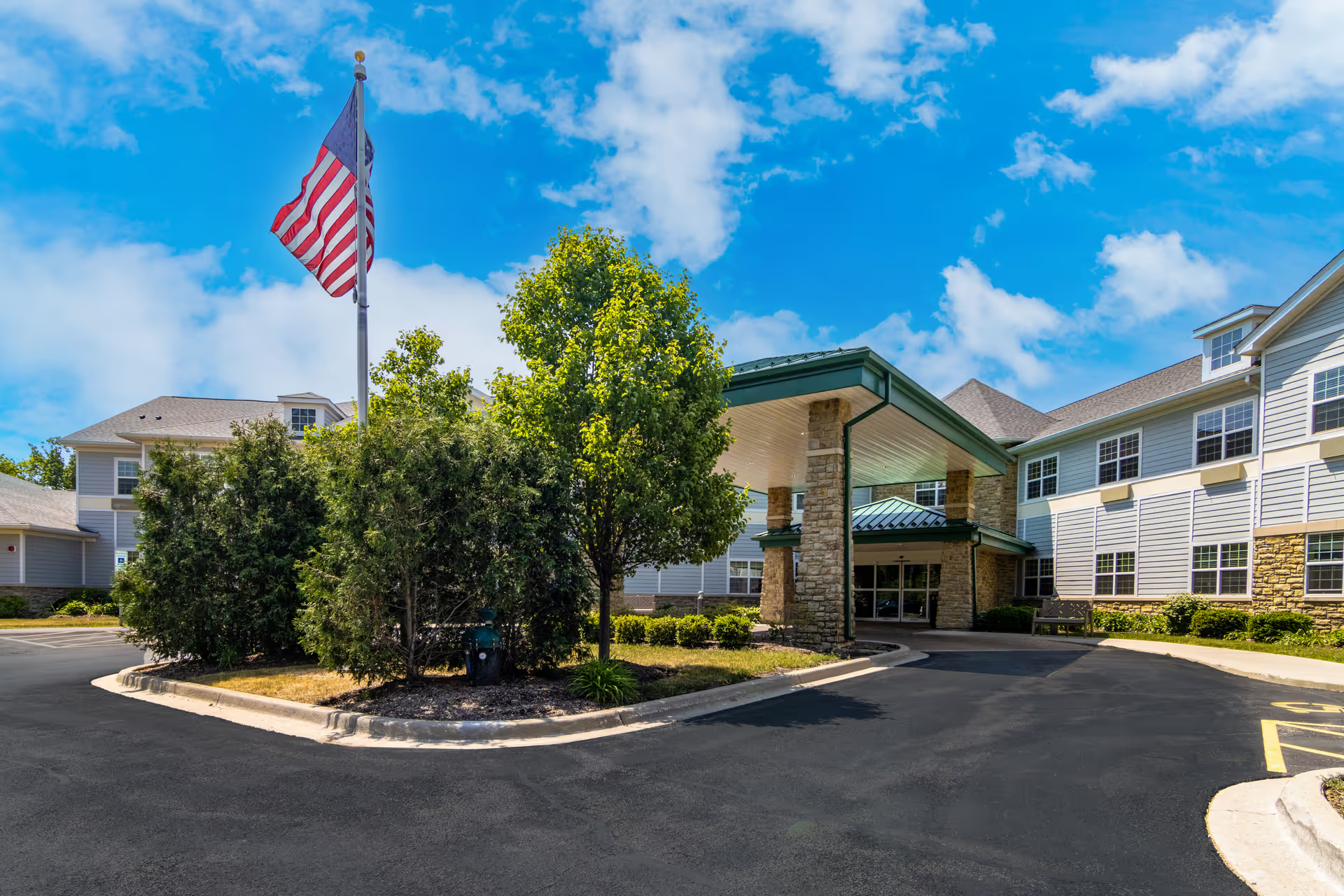
Warren Barr Buffalo Grove elicits a mixed but patternable set of impressions. Many accounts praise the facility’s clinical capabilities — particularly rehabilitation therapy, specialized wound care, and in-house dialysis — alongside a generally clean and attractive public environment (bright lobby, sizeable gathering spaces, patios and balconies). The life‑enrichment team, social workers, and therapy staff receive frequent praise for engaging programming, resident events, and family outreach. Dining has strong elements as well: varied menus, scratch-made soups, breakfast options, and amenities such as an ice-cream parlor, popcorn and pastry stations are frequently highlighted.
Care quality assessments vary across reviews. On the positive side, nurses, CNAs, and therapists are often described as caring, skilled, and attentive; multiple accounts note compassionate interactions and coordinated clinical care. Contrastingly, reviewers describe operational lapses that affect basic care consistency: slow responses to call lights, delays in bathing/dressing/toileting assistance, occasional medication timing or availability problems, and episodes that suggest gaps in monitoring (pressure injuries, weight loss, and hospital transfers cited in a limited number of accounts). These issues appear linked to uneven staffing levels and reliance on agency personnel, which reviewers associate with both continuity and responsiveness problems.
Staffing and management impressions are polarized. Many families compliment individual staff members and leaders (activity directors, social workers, some administrators), while others criticize inconsistent supervision, poor follow-through on promises, and variable communication from administration. Front-desk access control and visitor-sign-in procedures are mentioned as user-experience shortcomings in some reports. Infection-control practices and glove-changing protocols were brought up as concerns by some reviewers, along with isolated accounts of outbreak management issues.
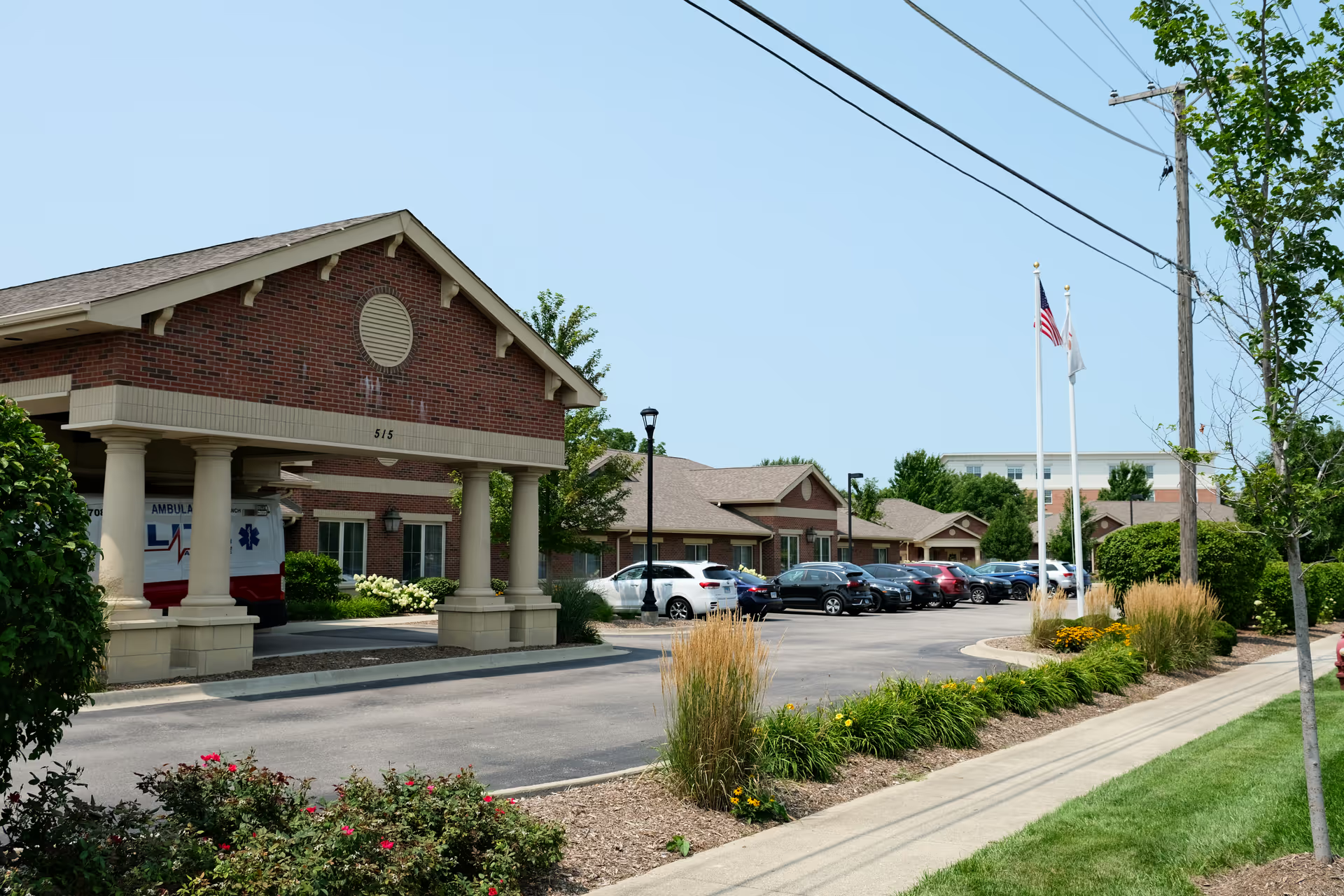
Dining and activities are strengths for many residents: varied menus, accommodated diets, and an active events calendar are repeatedly cited. However, reviewers also note inconsistent meal quality at times (temperature/room-service issues), reductions in entertainment hours, and substitutions to snack offerings. Facility amenities and aesthetics receive generally favorable comments — attractive common areas, maintenance responsiveness, and a convenient location near medical and retail resources — but some resident rooms are described as dark, with outdated closets and uneven heating/cooling controls.
Taken together, the pattern suggests a facility with strong clinical programs and an active engagement culture that is nonetheless struggling with operational consistency. If you are evaluating this campus, consider asking targeted questions about current staffing ratios and turnover, call‑bell response times, medication management and pharmacy relationships, bathing/ADL schedules, infection-control policies, and how management handles concerns and billing/transportation pricing. Visiting during a meal and an activity period, and speaking with the unit nursing leader and the director of life enrichment, can help clarify whether the facility’s strengths align with a prospective resident’s needs.