Overall impression: Reviews present a mixed but clear pattern: many families highlight compassionate, skilled caregivers and a strong rehabilitation focus, while others describe operational and clinical-process shortcomings that affected their experience. The facility is frequently praised for its therapy outcomes, responsive therapy staff, and engaging activities; however, recurring concerns about staffing, sanitation, and clinical oversight appear across accounts.
Care quality and clinical oversight: Positive accounts emphasize professional, dignified care, attentive nursing, and an effective rehab program that helped residents regain function. Reviewers specifically praised therapists for enthusiasm and measurable progress. Counterbalancing these strengths are recurring concerns about inconsistent clinical monitoring and delays in escalation. Families reported instances of missed or delayed attention, medication-management errors, and lapses in device (e.g., CPAP) oversight. A small number of serious clinical concerns, including events families linked to resident decline, underscore the importance of verifying current clinical protocols and oversight mechanisms prior to admission.
Staffing and responsiveness: Many reviewers named individual caregivers positively and described a family-like atmosphere. At the same time, staffing levels and response times were frequently described as variable; this inconsistency appears to be a primary driver behind delayed assistance, missed services, and uneven day-to-day care experiences. Prospective residents should ask about current staffing ratios, on-shift clinical coverage, and average response times.
Dining and activities: The dining program receives generally favorable comments for meal quality and presentation, with several reviewers noting standout desserts. The activity team is repeatedly singled out for creativity and engagement, offering bingo, arts and crafts, and regular programming. Areas for improvement include limited meal customization options and occasional lapses in meal-service continuity.
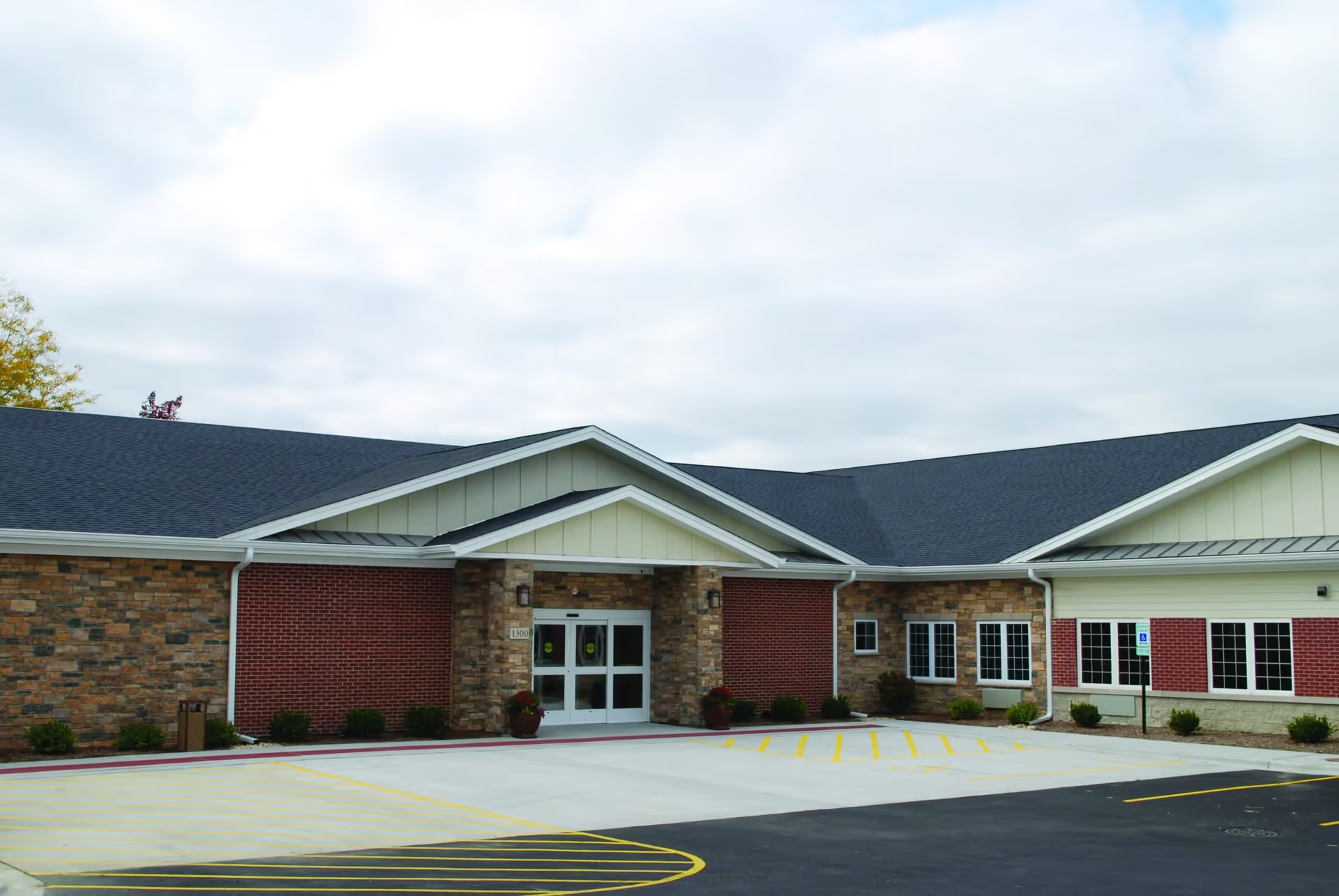
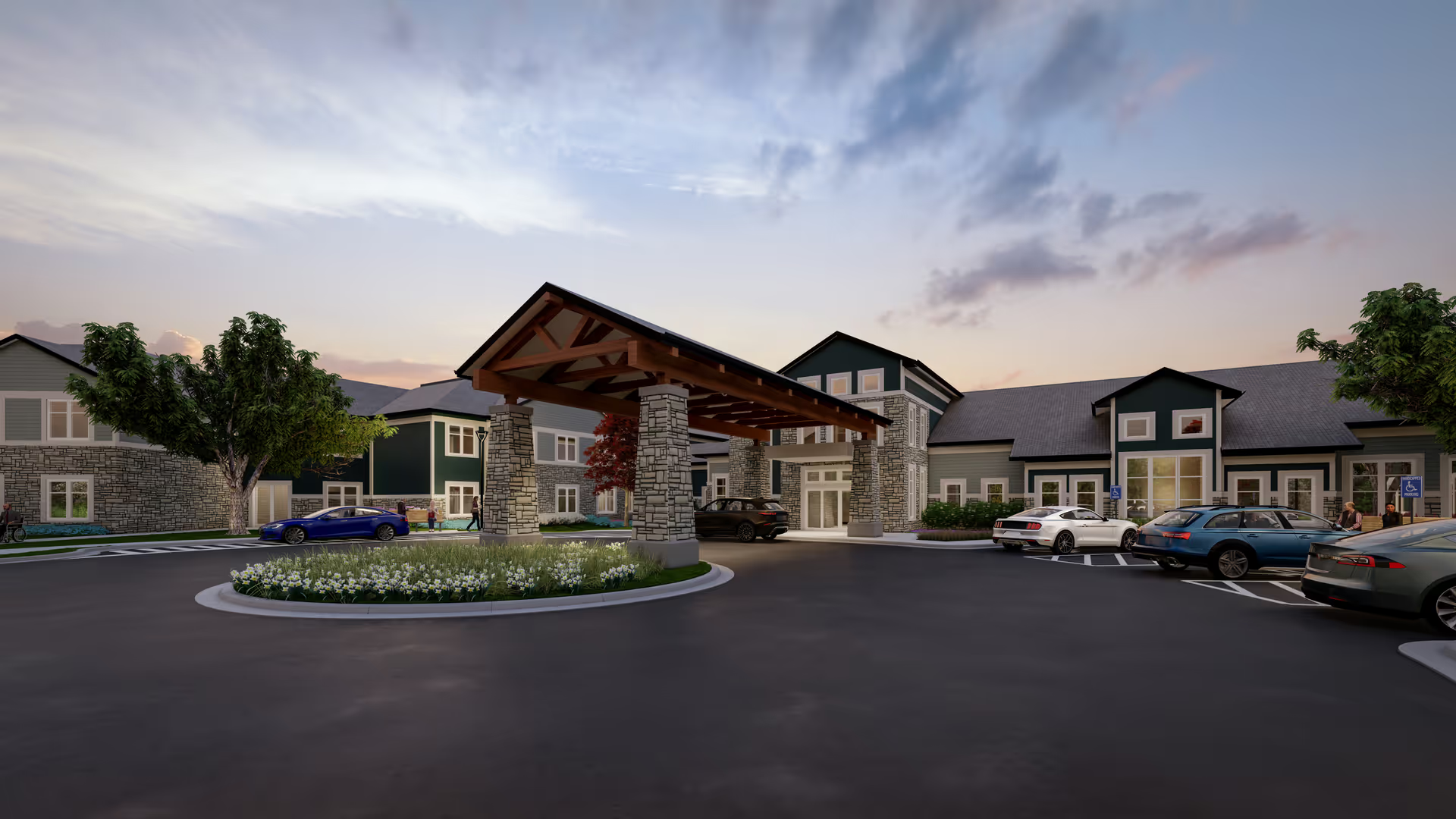
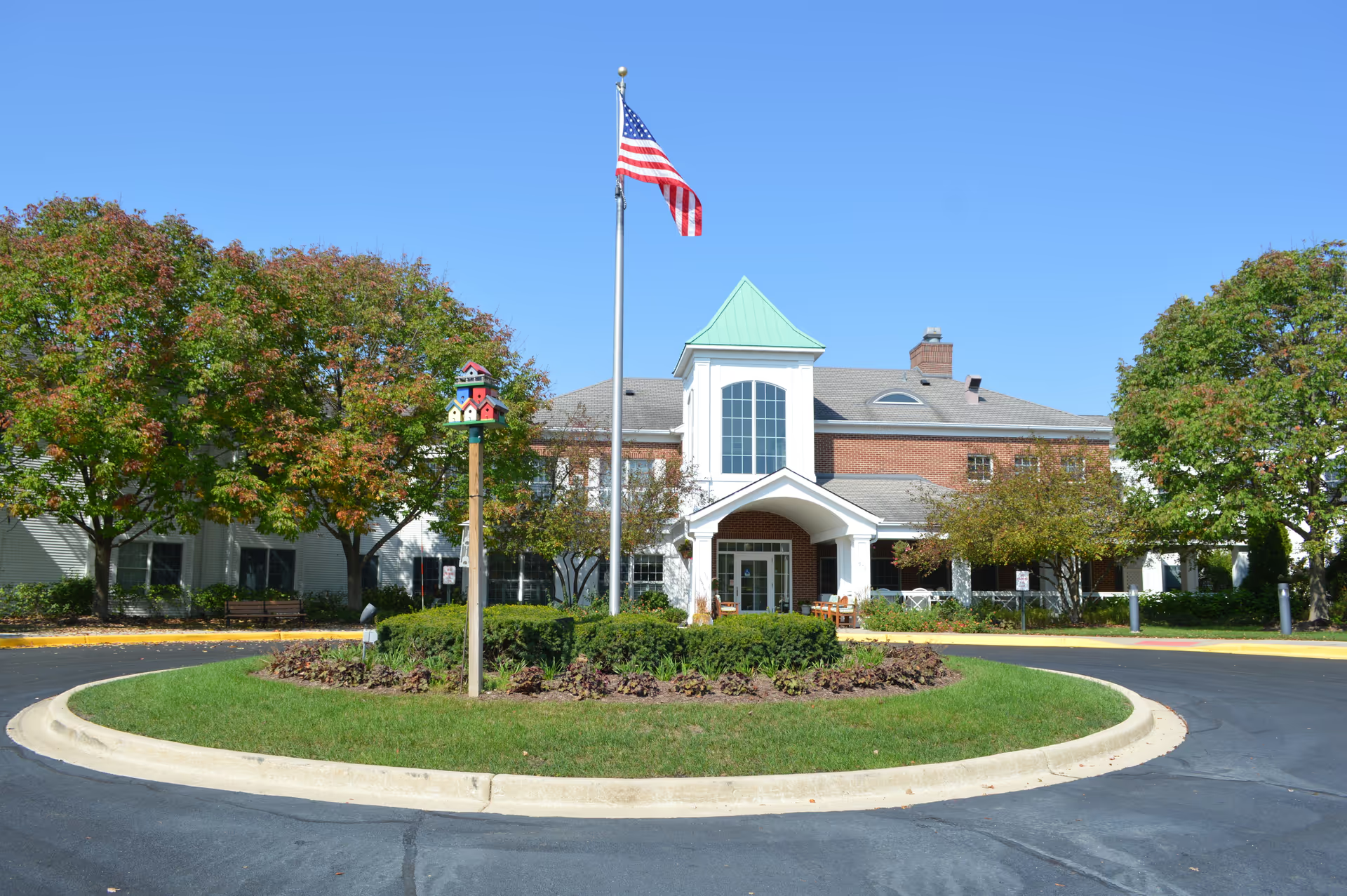
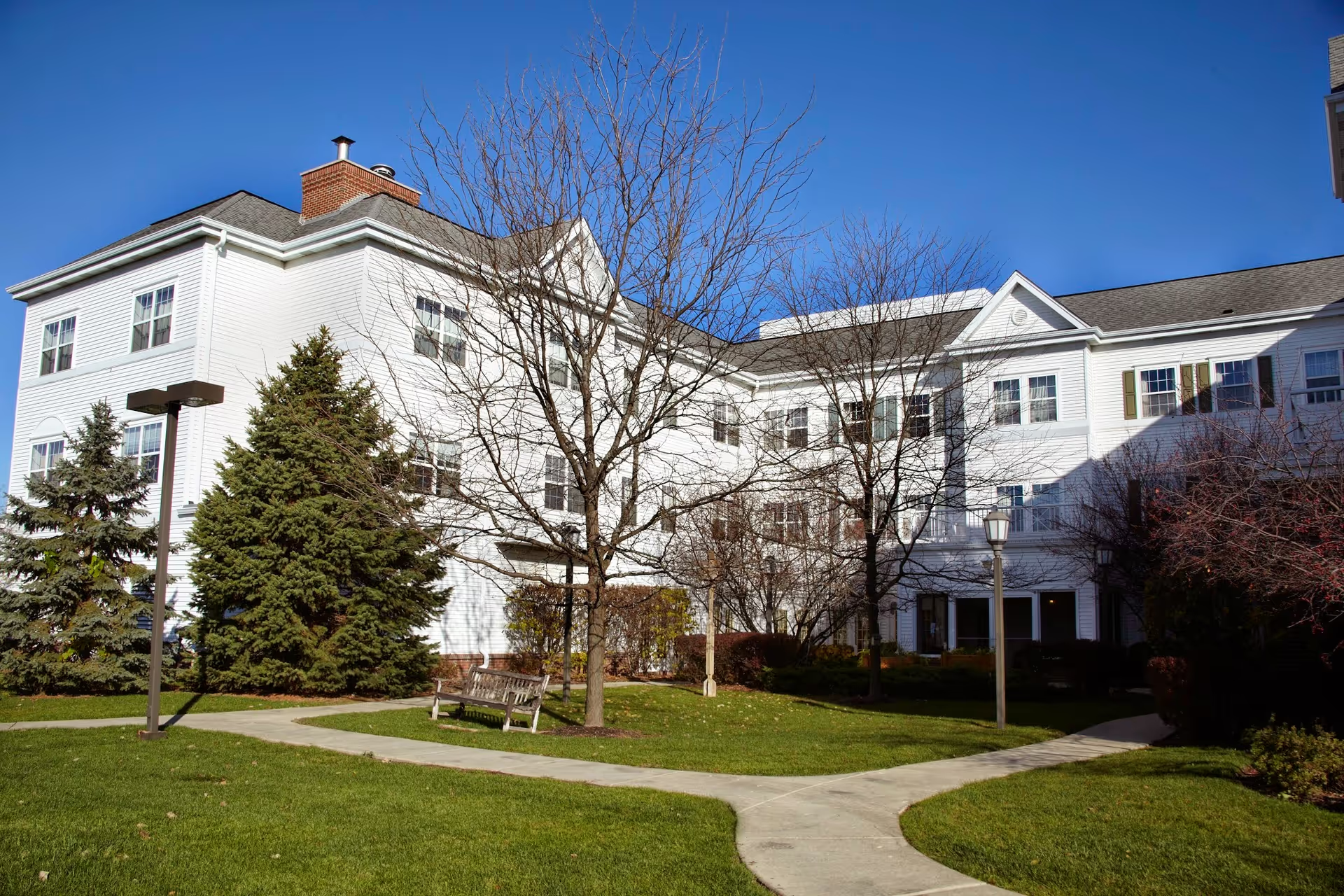
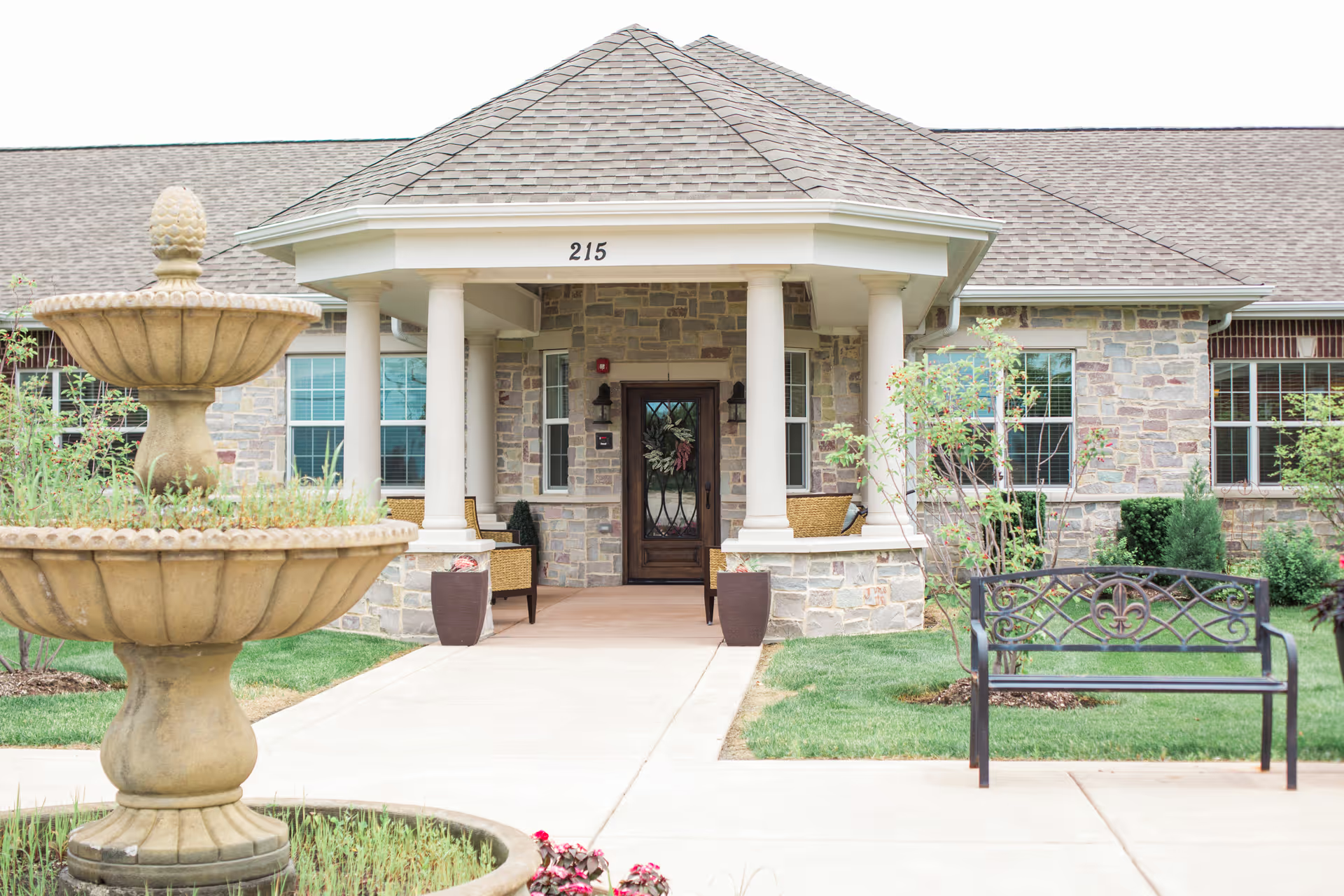
Facilities, cleanliness, and belongings: Many reviewers described the facility as clean, welcoming, and comfortable, with functional therapy spaces and pleasant outdoor areas. In contrast, others reported sanitation concerns, intermittent odors, pest-control issues, and problems with laundry and labeling that led to lost or mismatched personal items. Additionally, some families felt that room finishes and amenities did not fully match more luxurious marketing claims.
Management, access, and affordability: Feedback on management is mixed — several families praised clear, timely communication and effective coordination, while others described inconsistent leadership responsiveness. Availability is an operational constraint: there are reports of long waits for Medicaid placements and limited openings, which may affect admission planning. Price and insurance-acceptance clarity are additional considerations for prospective residents.
Guidance for prospective families: Avantara Elgin appears to offer strong rehabilitation services, a warm caregiving culture, and active programming, which may suit residents needing focused therapy and family-oriented communication. At the same time, the pattern of staffing variability, clinical-monitoring gaps, sanitation and pest-control concerns, and belongings-management issues suggests areas to confirm during a visit. Recommended questions include current staffing ratios and on-call clinical coverage, medication- and device-management protocols, pest-control and sanitation procedures, personal-belongings tracking policies, meal customization options, and current bed availability and payer acceptance (including Medicaid). Observing meal service, activity programming, and staff–resident interactions in person will help balance the facility’s clear strengths against its operational risks.