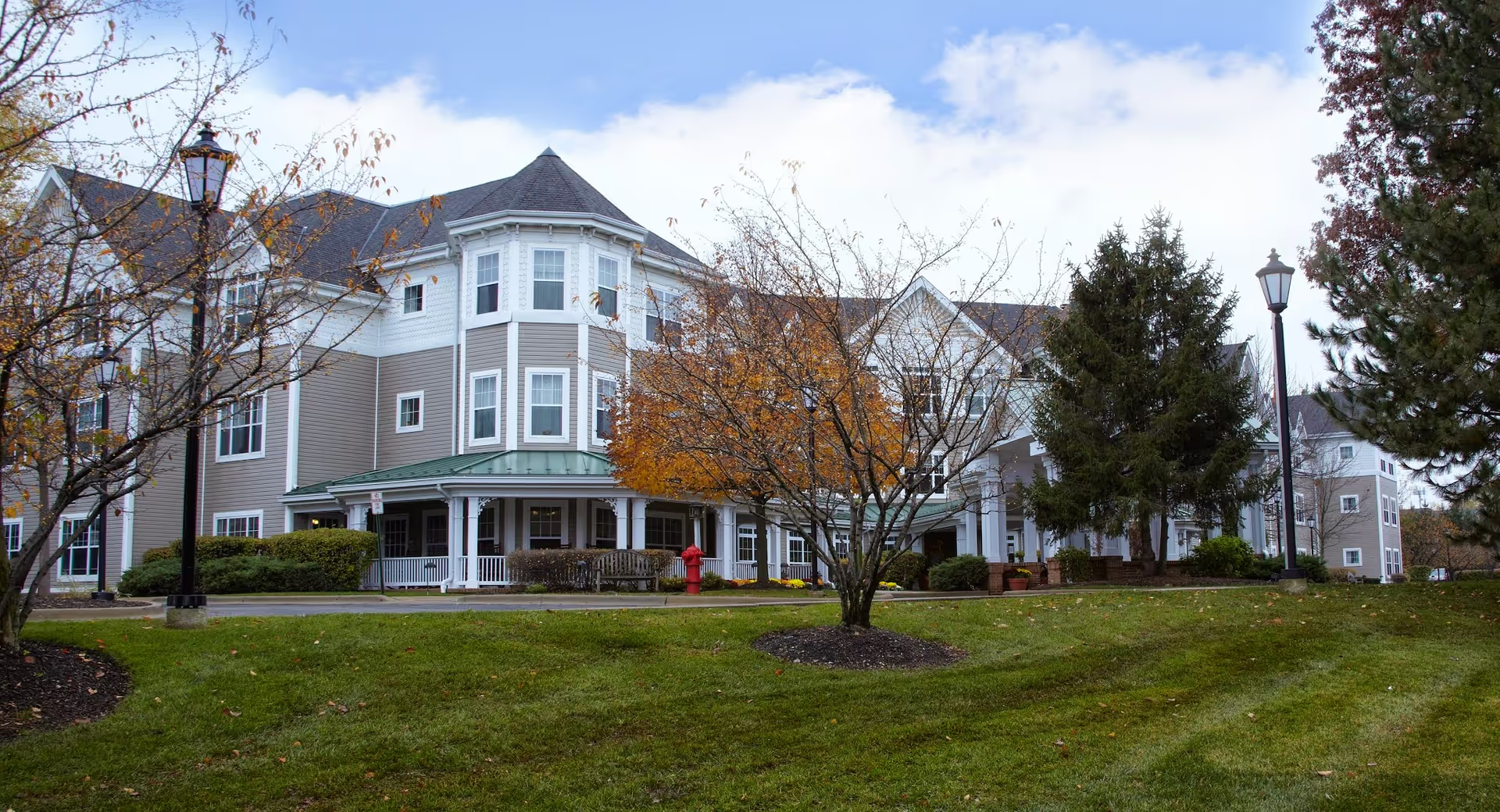
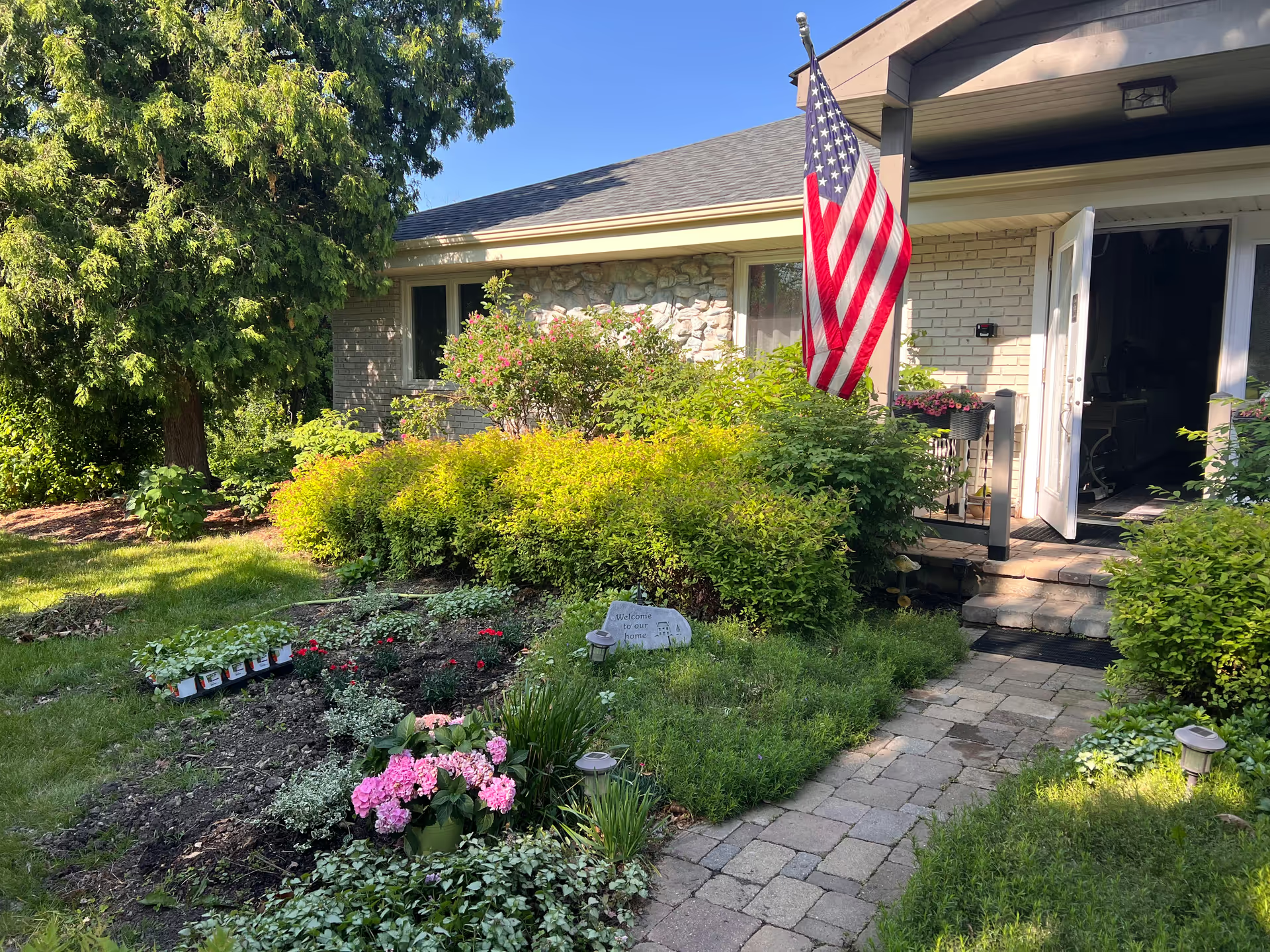
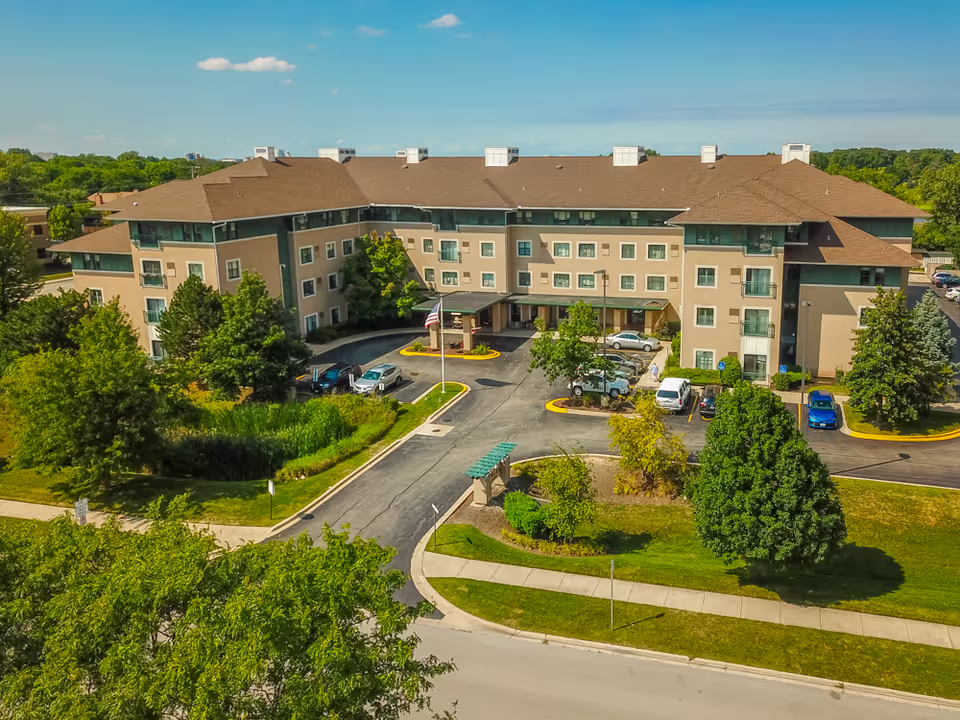
Bella Terra LaGrange elicits a broad range of experiences across reviewers, producing a mixed overall impression. Many families and residents praised the therapy program, cleanliness, and the compassionate demeanor of several front‑line caregivers; others described operational and care-consistency problems that affected outcomes for some residents. This variability is the defining pattern across reviews: strong clinical and hospitality elements exist alongside recurrent reliability and communication issues.
Care quality and clinical services receive both notable praise and sharp criticism. Strengths include an engaged therapy team, availability of advanced rehabilitation equipment, effective wound care in some cases, and successful short-term rehabilitations where staff provided clear therapy explanations and coordinated discharge instructions. Conversely, reviewers frequently raised concerns about inconsistent nursing oversight, medication‑management gaps, and delays in attending to residents' needs, including delayed repositioning and incontinence-care challenges. Several reviews also reported limited therapy session durations or variability in therapy intensity, which some families found insufficient for recovery goals.
Staff and management feedback is polarized. Many reviews highlight compassionate CNAs, attentive nurses, responsive administrators, and helpful social-work contacts who facilitated admissions, therapies, and family communication. At the same time, persistent reports describe high turnover, staffing shortages, slow responses to call lights, and inconsistent supervisory follow-through. Communication breakdowns—missed care-plan updates, errant follow-up, and lapses in family meetings—emerge repeatedly as operational weaknesses that affect continuity of care.
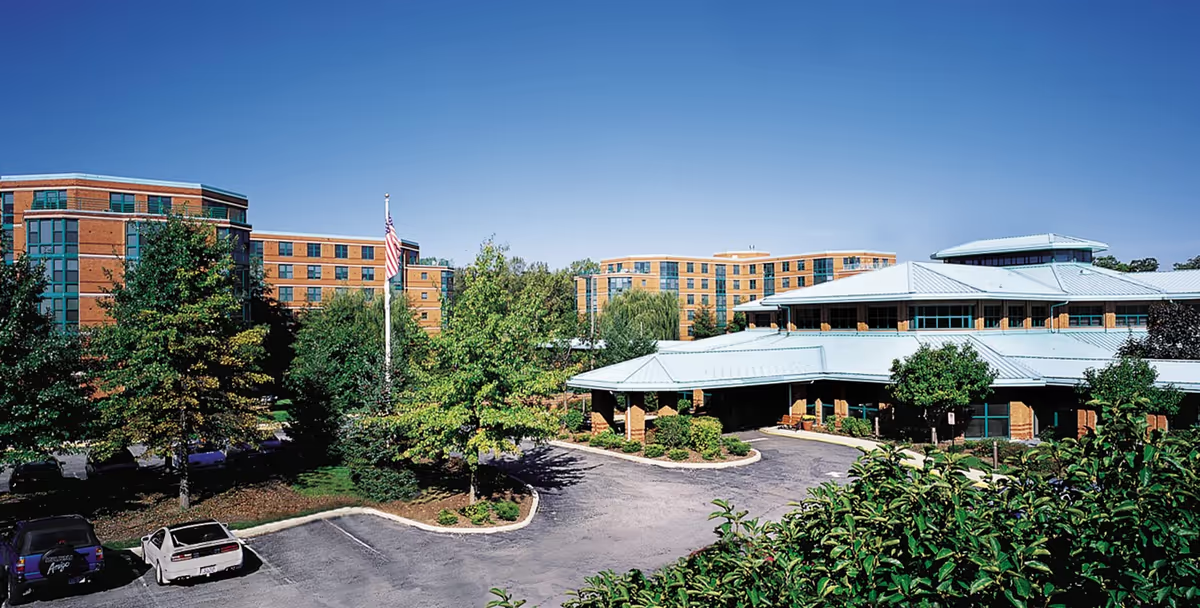
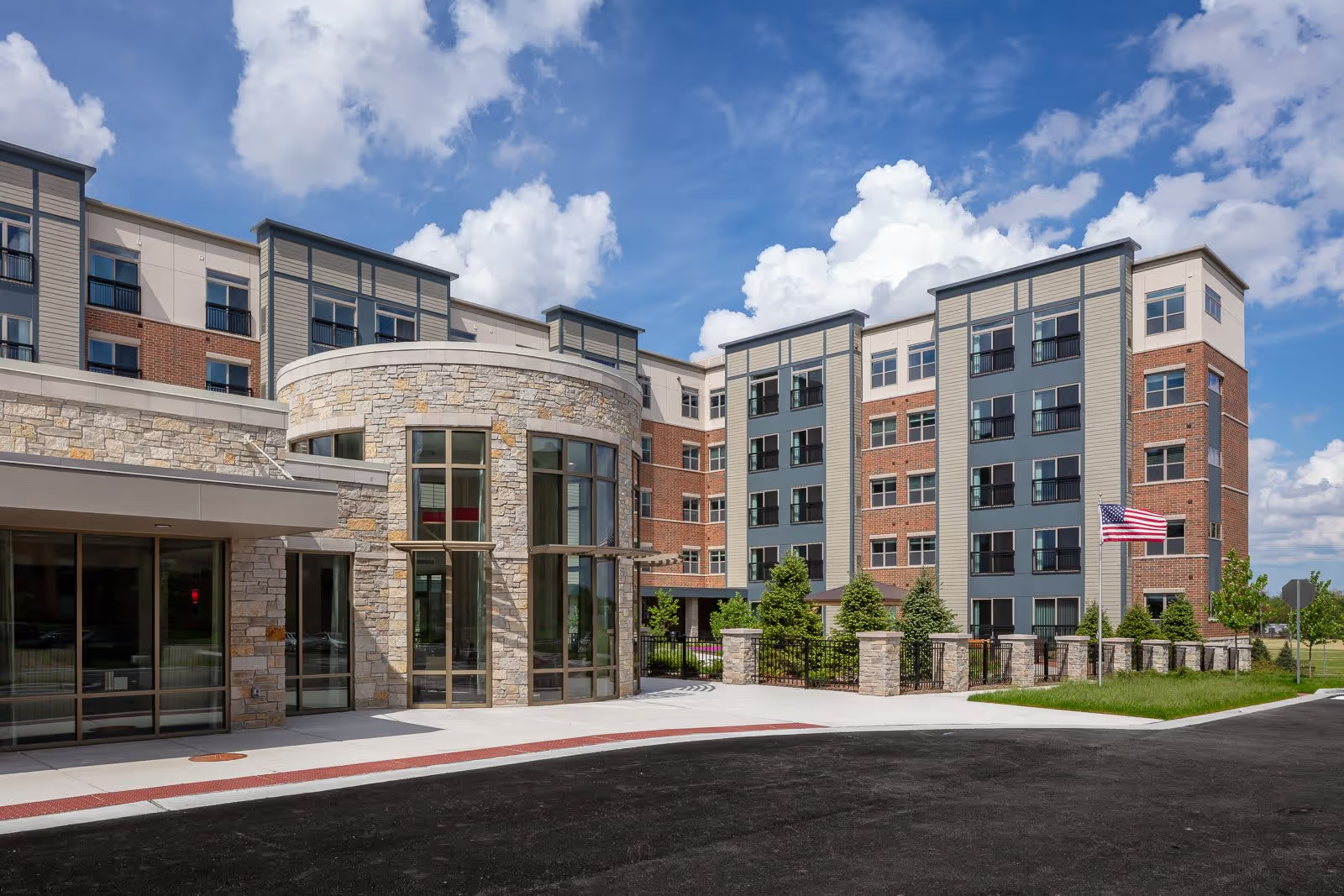
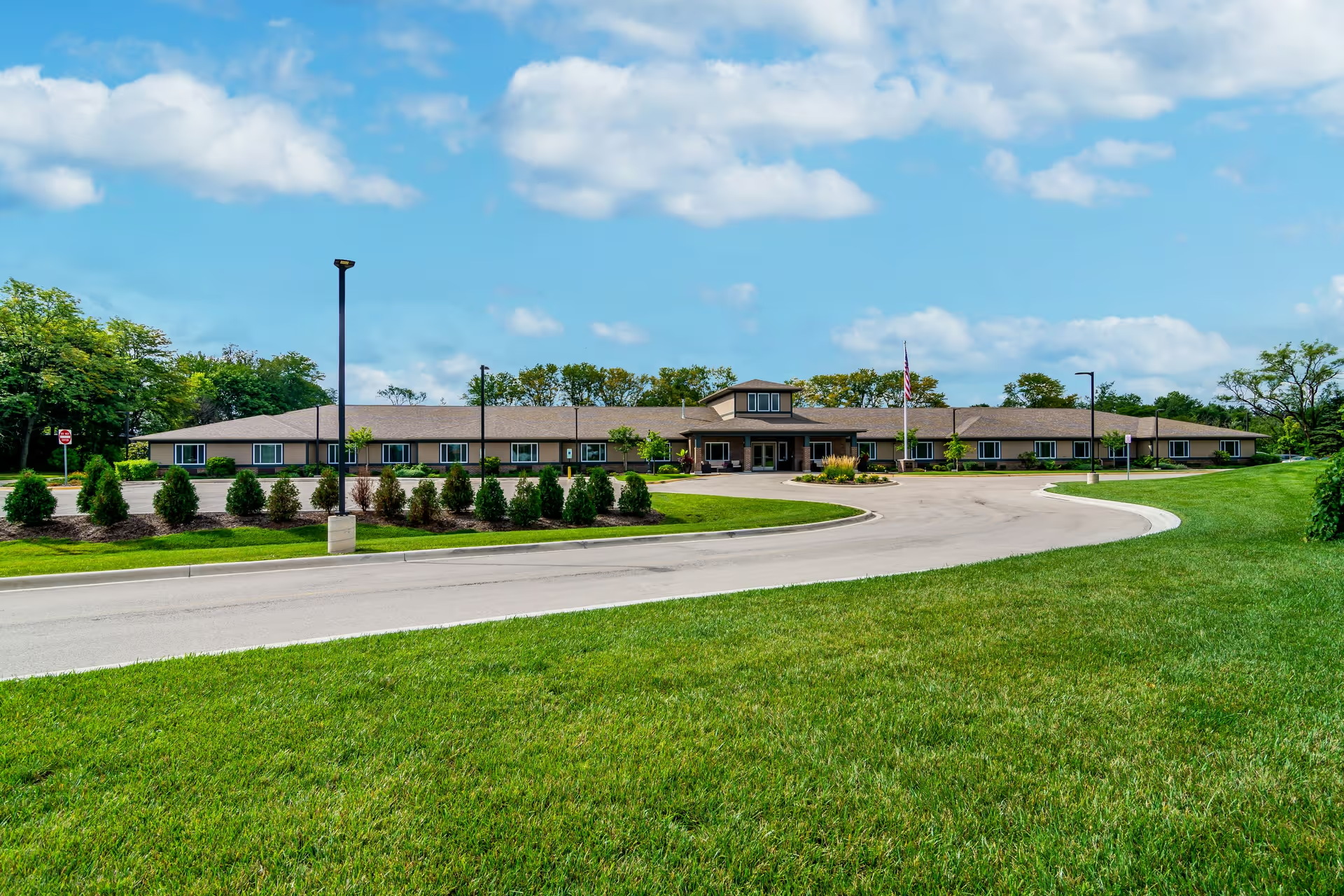
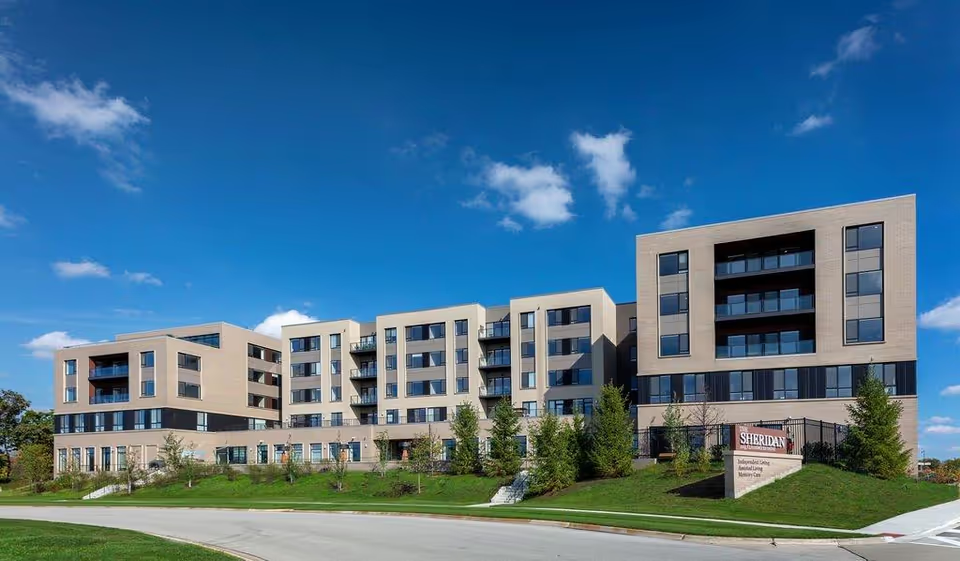
Dining, activities, and facility environment offer mixed impressions. Positive accounts emphasize tasty, varied meals, a clean dining hall, and active programming including bingo and salon services. Negative accounts point to inconsistent meal quality, cold or delayed plates, and limited supervision for medically prescribed diets. The facility's aesthetic and cleanliness are often praised—many note attractive interiors, large private rooms with thermostat control, and tidy common spaces—yet other reviewers cite sanitation concerns and odor problems in specific rooms or areas, as well as overcrowded shared rooms and limited outdoor/common space.
Management and policies show conflicting experiences. Several families report prompt incident handling by supervisors and flexible policies; others describe management unresponsiveness, slow resolution of clinical concerns, and operational disorganization. A few reviews describe restrictive resident‑movement controls and visitor/entry measures that some families felt were excessive. Additionally, there are serious individual accounts—including allegations of severe misconduct and concerns following a resident's death—that represent outlier, high‑severity claims; these warrant independent follow‑up with regulators and facility leadership if a prospective resident or family has similar concerns.
In summary, Bella Terra LaGrange appears to offer solid rehabilitation resources, a generally clean and comfortable environment, and many compassionate staff members across roles. However, recurrent themes of inconsistent staffing, uneven nursing oversight, communication gaps, and inconsistent meal and sanitation practices suggest potential operational risk for residents requiring continuous, high‑acuity care. Prospective residents and families should weigh the facility's strong therapy and hospitality attributes against the documented variability in day‑to‑day clinical reliability, and consider an in‑person assessment focused on staffing ratios, care‑plan communication processes, and on‑site observations of mealtime and response times before making placement decisions.