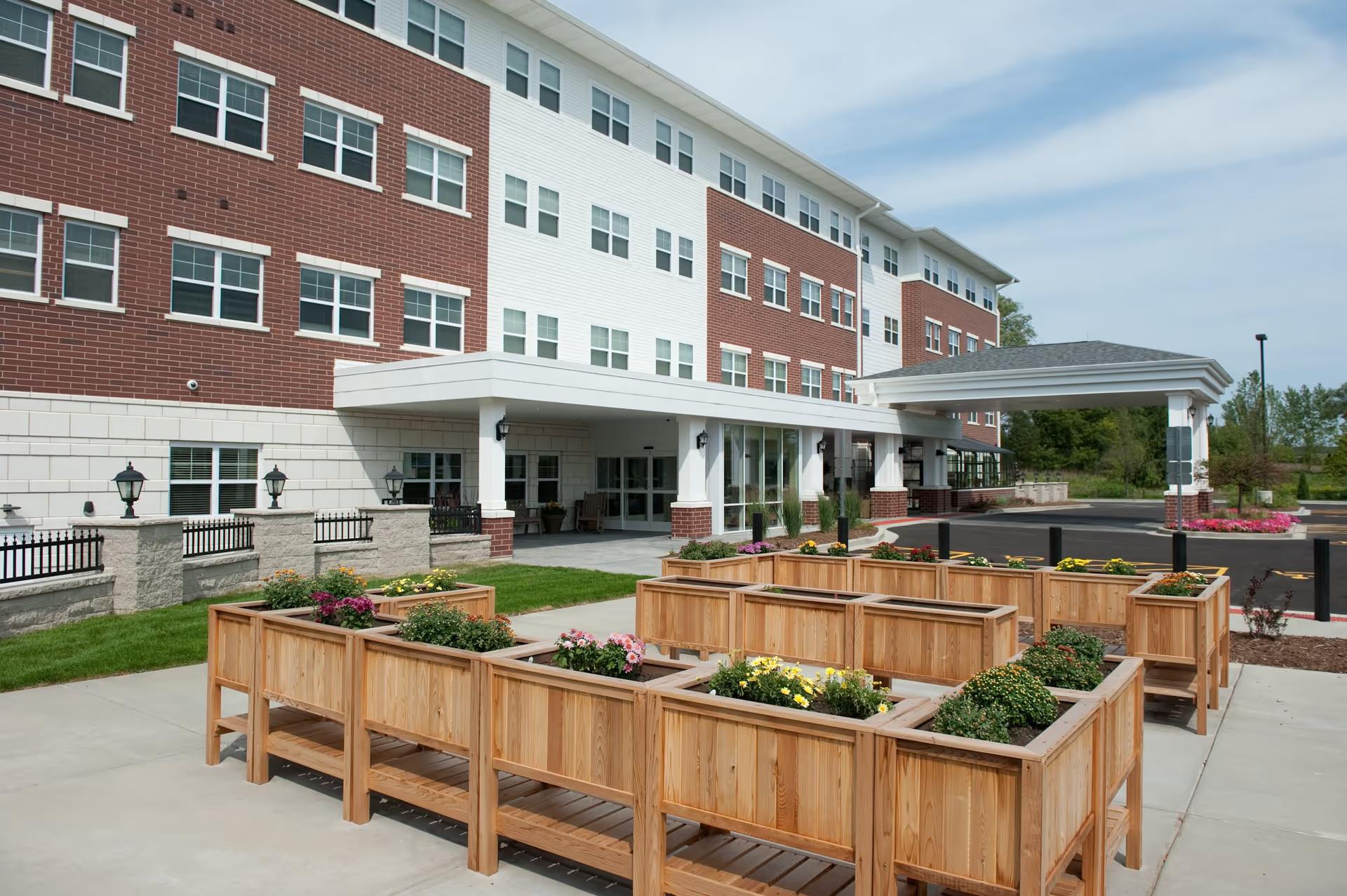
The Grove at the Lake elicits a strongly mixed set of impressions. Many families and short-term rehabilitation patients praise the caregiving staff—particularly CNAs and the therapy teams—for compassionate, hands-on care and effective rehab outcomes. Social-work staff are frequently highlighted as proactive advocates who coordinate transitions and follow up with families. Several accounts describe warm, personalized interactions, supportive end-of-life attention, and helpful amenities such as snacks, coffee, and pet-friendly policies. Activity programming and dementia-focused supports exist and are appreciated by some families, and common areas are often described as clean and reasonably maintained.
At the same time, a consistent theme is operational strain related to staffing and facility condition. Reviewers describe periods of understaffing and inconsistent coverage that lead to delayed responses to call lights, long waits for assistance with personal care, and uneven nursing follow-through. There are repeated concerns about medication-administration timing and broader clinical coordination, which families cite as an area needing improvement. Sanitation- and laundry-related inconsistencies are another recurrent pattern; these concerns, along with mentions of pest-control issues, suggest gaps in housekeeping and environmental services protocols.
The physical plant is frequently characterized as older and institutional in layout, with small interior common spaces and limited outdoor seating. Specific maintenance issues are cited (heating problems, elevator button malfunctions, and ad hoc bed or equipment repairs), which point to recurring maintenance shortfalls that can affect resident comfort and perceived safety. Dining experience is uneven: some residents receive hot, acceptable meals, while others report substitutions, cold items, or portions perceived as small. Families seeking a more varied or higher-quality culinary program may find the dining service inconsistent.
Management and communication receive mixed evaluations. Many reviewers commend staff who resolve problems when they are raised and note examples of responsive leadership and improvements over time. At the same time, administrative disorganization, high staff turnover, and inconsistent family communication are recurring themes. Visitation policy constraints and isolated room assignments have been a source of frustration for some families, particularly around sunset or infection-control practices.
In summary, The Grove at the Lake appears to offer strong hands-on caregiving and an effective rehabilitation program supported by dedicated CNAs, therapists, and social-work staff. However, prospective residents and families should weigh these strengths against operational challenges: staffing variability, maintenance and sanitation gaps, inconsistent dining, and occasional communication breakdowns. Those considering the facility would benefit from an in-person tour focused on staffing levels for the unit of interest, recent housekeeping and maintenance actions, meal samples, and a conversation with social work/leadership about visitation and care-coordination practices.