Ambassador Healthcare elicits a mixed but instructive pattern: many families and clinicians praise the facility for its strong clinical offerings and warm bedside manner, while a separate set of accounts highlights operational inconsistencies that can affect outcomes. The facility is repeatedly described as having an able core of nurses, aides, and therapists who provide compassionate, attentive care; rehabilitation services and restorative therapy are particular strengths, and reviewers frequently credit dedicated therapy teams with meaningful patient progress. Clinically complex services such as on-site dialysis and ventilator-capable care are available, which is an important advantage for residents with higher-level medical needs.
Care quality shows a divided picture. Several reviewers emphasize excellent clinical management, coordinated interdisciplinary care, and effective wound-care capability. Conversely, there are patterns indicating variability in clinical execution: medication-administration delays (notably on evening shifts), inconsistent wound-care practices and infection-control gaps, and lapses in timely incontinence-related care. A small number of accounts link these operational issues to subsequent hospital transfers or urinary-tract–related complications; those descriptions suggest opportunities to strengthen safety protocols, wound-care standardization, and medication-timing processes.
Staffing and interpersonal conduct are also uneven. Many reports describe compassionate, responsive staff and a family-like atmosphere, while other narratives cite unprofessional behavior, poor responsiveness, or tone-of-communication concerns. This variability appears to affect resident experience substantially; where teams are consistent and communicative, families report trust and reassurance. There are also isolated, serious allegations of biased treatment — these merit careful investigation by prospective residents and families as part of decision-making.
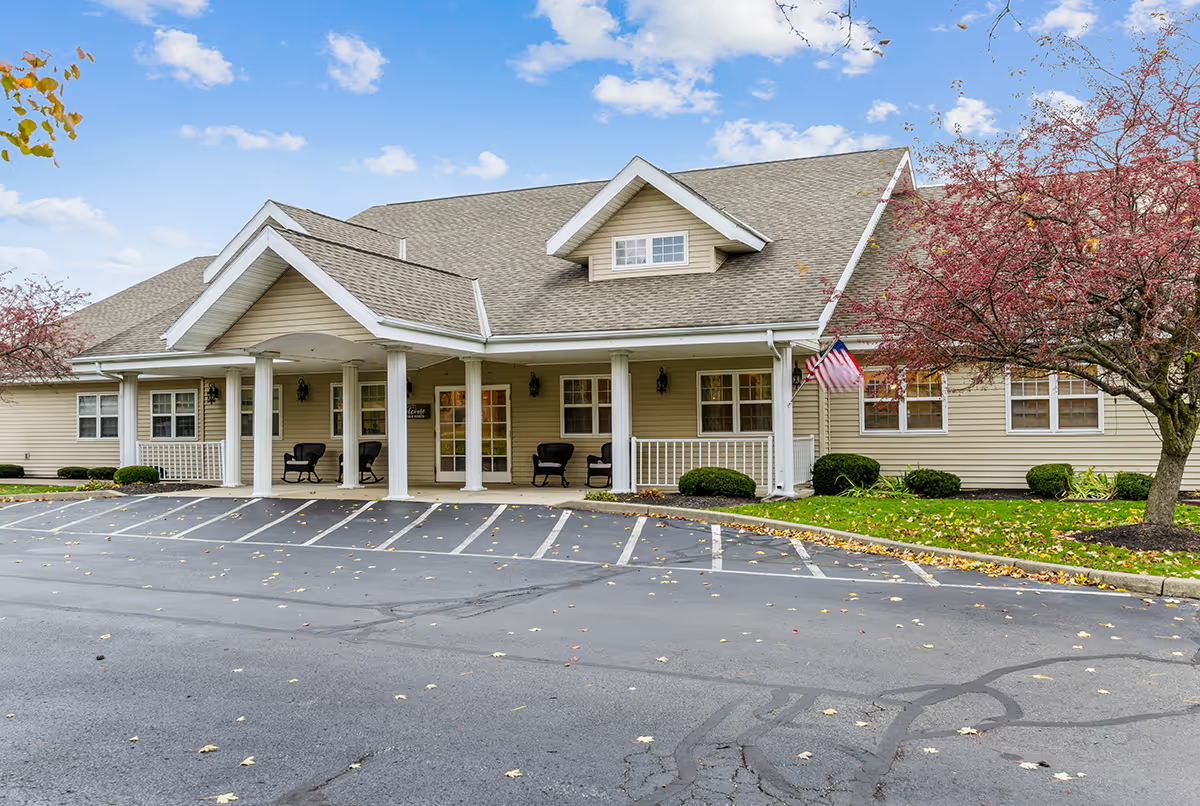
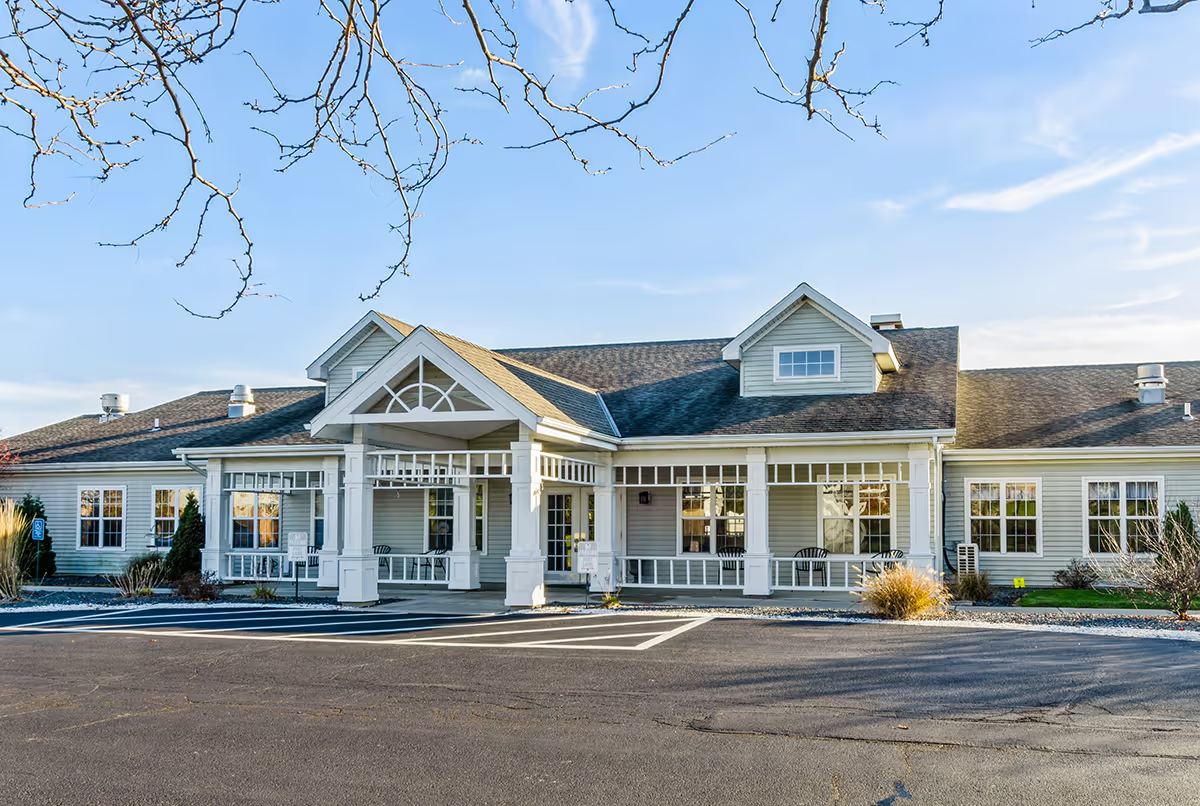
Dining, activities, and housekeeping receive generally positive remarks: several reviewers praise meals, daily activities, and clean, organized common areas and resident rooms. At the same time, some feedback points to inconsistent meal quality and occasional unappetizing preparations. Activity programming and outdoor spaces are frequently highlighted as contributors to a homelike environment.
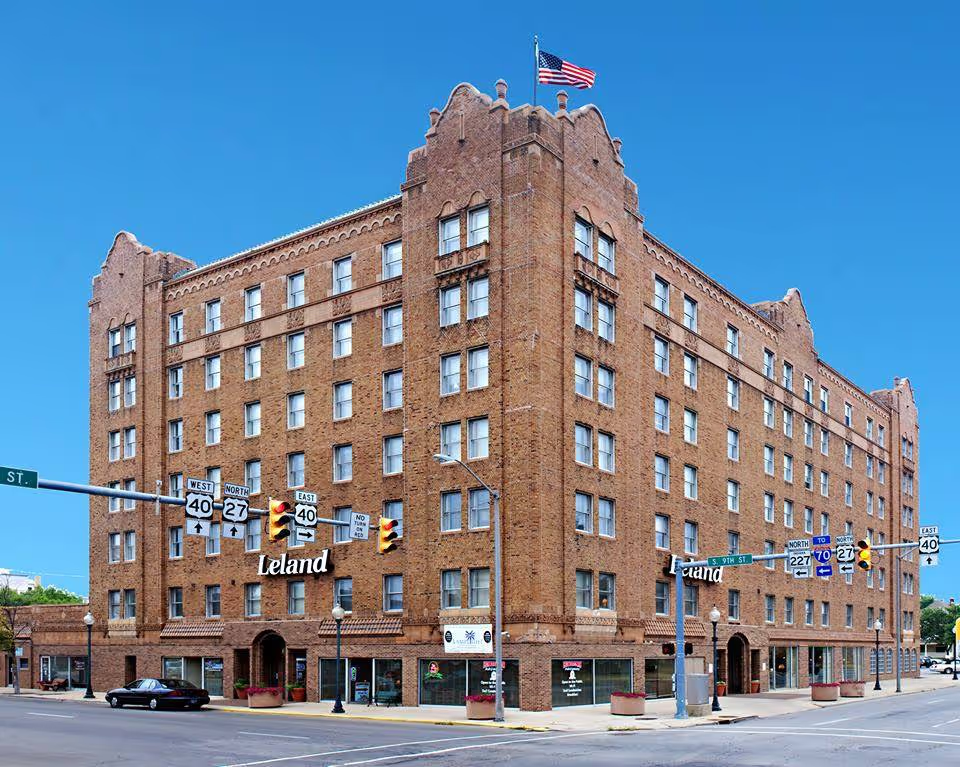
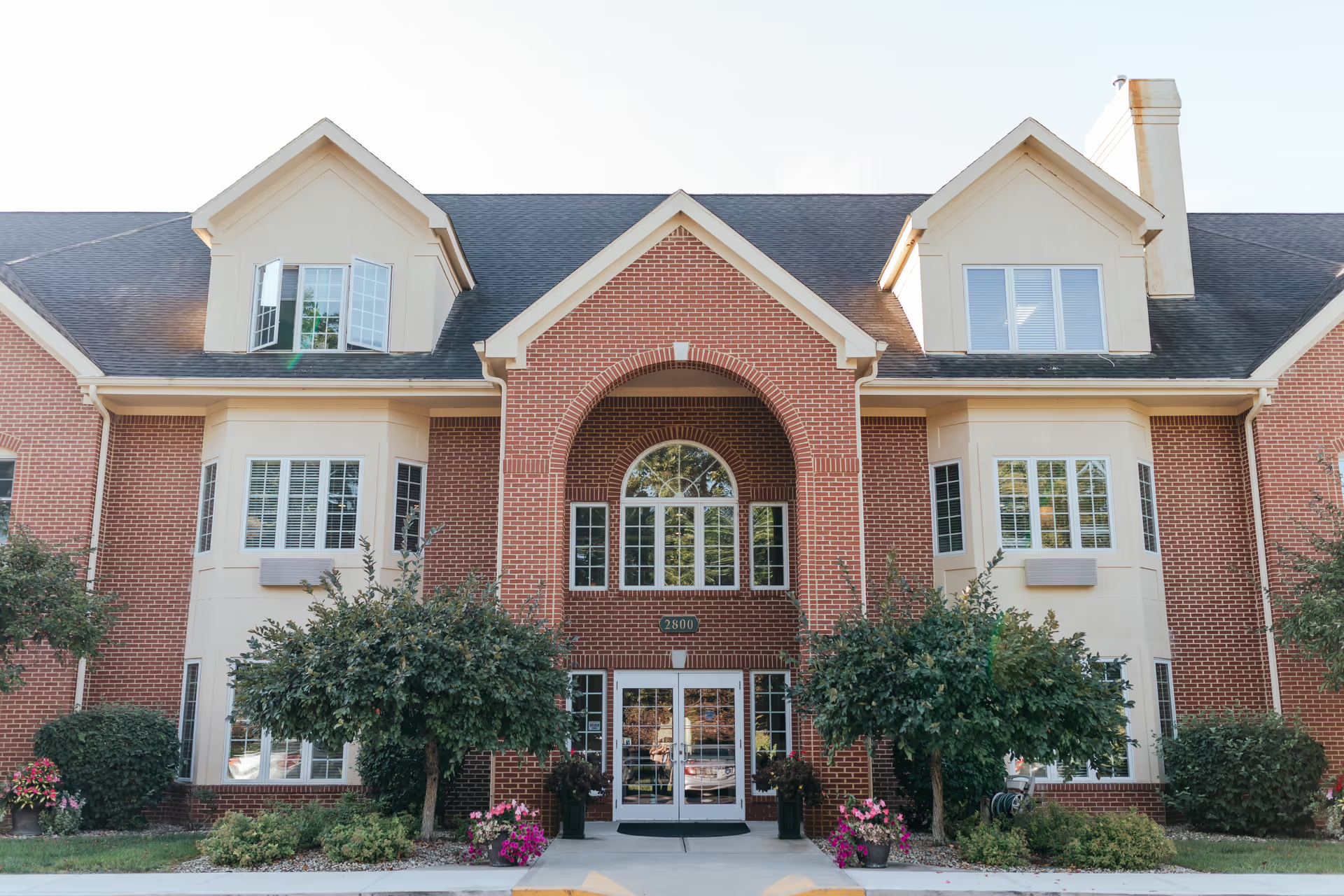
Facilities feedback is bifurcated: parts of the campus have been recently renovated with an inviting lobby and updated common areas, and ownership involvement is often viewed positively. However, multiple comments note aging infrastructure and maintenance shortfalls in some units — examples include damaged walls, nonfunctional equipment, and an outdated psychiatric/behavioral unit. These physical-condition issues can compound clinical and quality-of-life concerns if not addressed promptly.
Management and communication emerge as critical differentiators. Several families commend admissions staff and responsive leadership, while others describe variability in leadership responsiveness and communication breakdowns during clinical events. Prospective families should ask specific questions about staffing consistency, wound-care protocols, medication-administration timing, and how the facility documents and follows up on incidents.
Bottom line: Ambassador Healthcare offers notable clinical capabilities (rehab, dialysis, ventilator care) and many examples of attentive, competent staff and engaging programming. At the same time, recurrent themes around inconsistent staff behavior, medication timing, wound-care and hygiene practices, and maintenance of older units indicate risk areas that families should evaluate directly during tours and care-planning conversations. Requesting current quality metrics, recent inspection reports, and specific care pathways for wound management and medication administration will help clarify whether the positive practices observed by many are consistent and sustained across the facility.