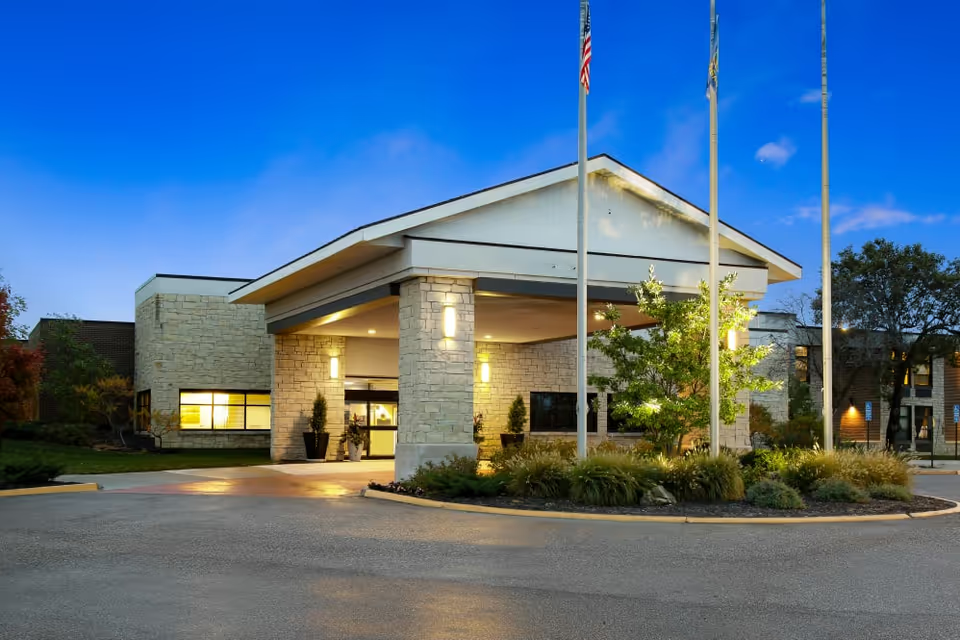
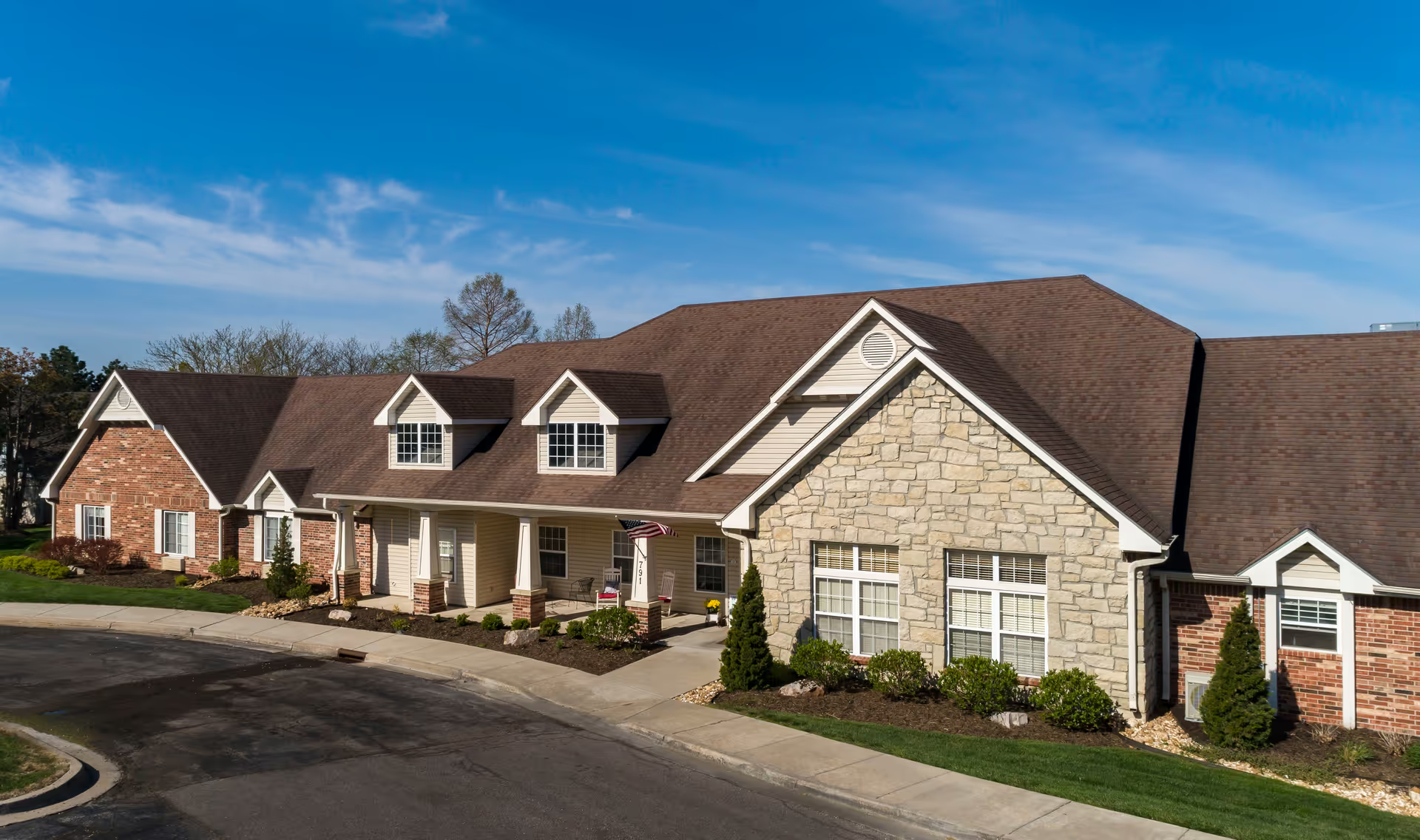
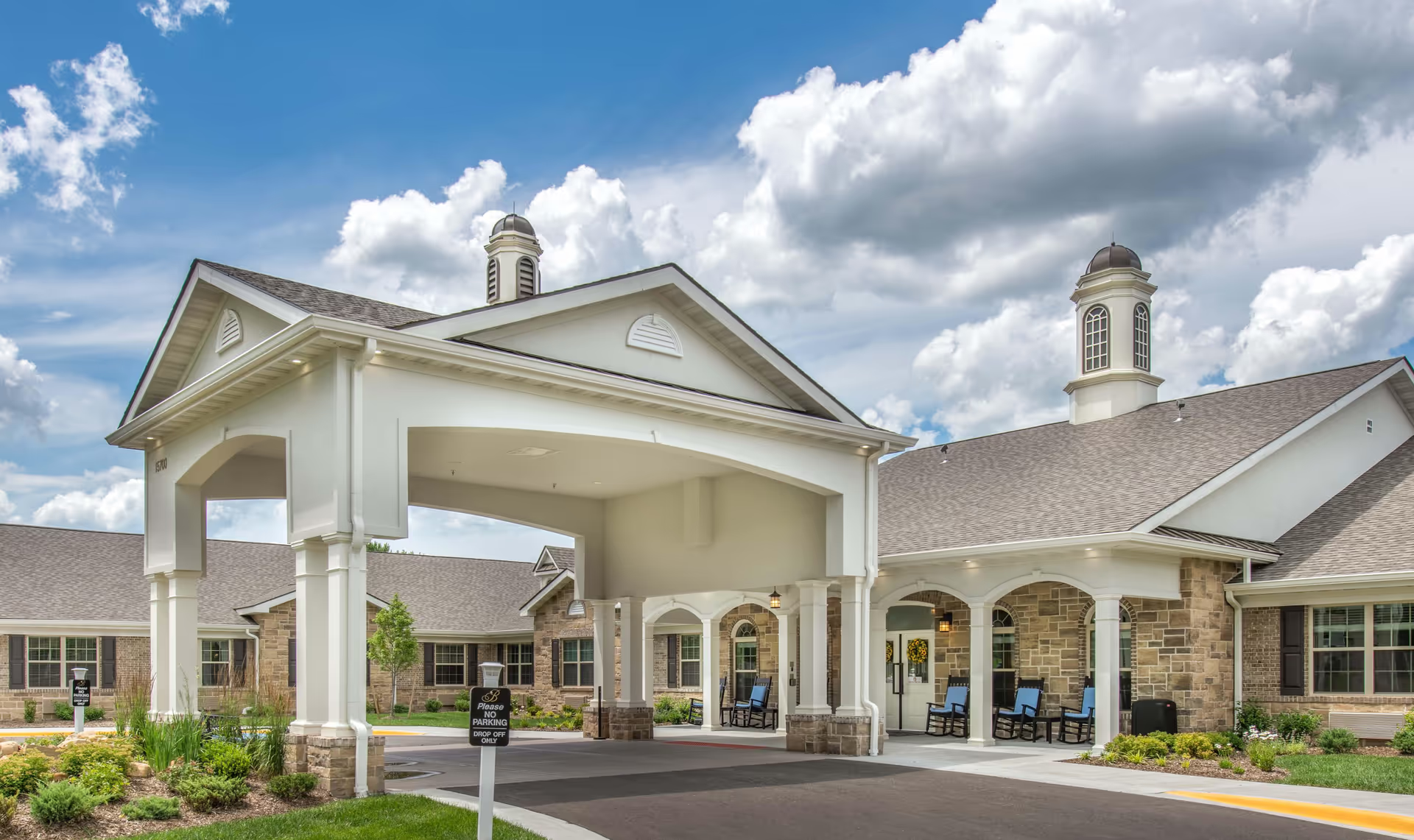
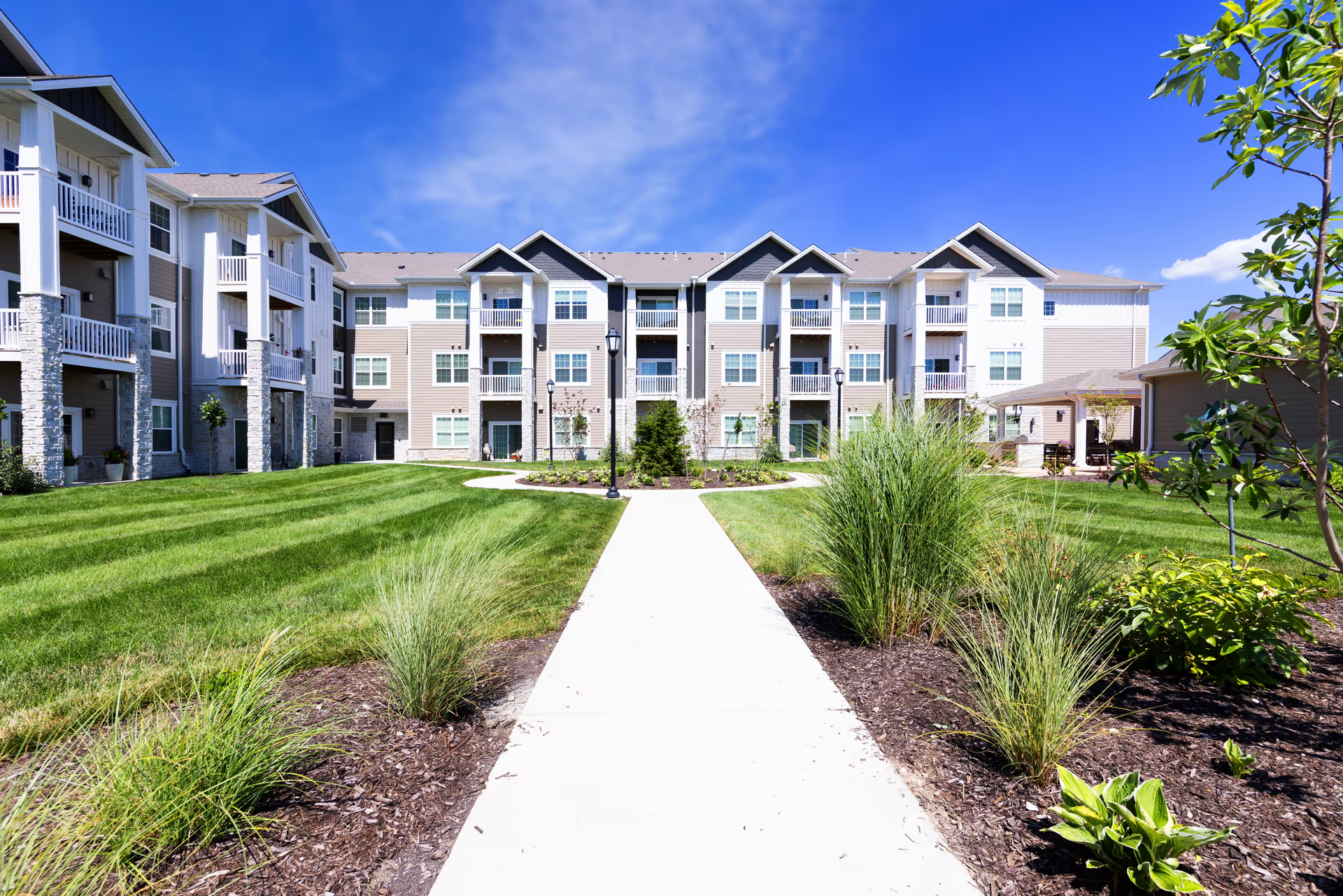
The reviews present a mixed but thematically consistent picture. Positive feedback centers on clinical rehabilitation, interpersonal care, and the facility environment: reviewers frequently praised the therapy team and rehabilitation outcomes, noted caring and communicative nurses, and described admissions and transition staff as helpful. Many families described clear, frequent updates and an engaged social atmosphere; activity programming that is personalized to resident interests was identified as a strength. The building itself and routine housekeeping earned positive comments about cleanliness and upkeep in much of the facility, and the location and available services (including on-site dialysis and hospice support) were seen as convenient assets.
Despite those strengths, a set of recurring operational weaknesses emerged. Staffing variability and related responsiveness issues were commonly described — examples include delayed responses to call lights and inconsistent bathing or repositioning routines — which reviewers linked to risk for pressure-related skin injuries and missed medication doses. Several accounts characterized gaps in clinical follow-through and coordination between disciplines, and transition/social-work processes were described as uneven, with inconsistent handoffs or case management communication.
Dining and maintenance also produced mixed assessments. Multiple comments described inconsistent food quality, interruptions in meal service, and concerns about food handling; others said meals were acceptable. Facility maintenance and supply reliability were noted as problematic in some areas (plumbing and vending/coffee availability were cited). Sanitation and personal-care procedure concerns appeared in a subset of reports and warrant direct inquiry during a tour.
Administrative and governance issues were another notable pattern. While admissions staff often received praise for assistance with paperwork and transitions, families described lapses in administrative responsiveness, limited transparency, and inadequate follow-up after critical events. There are also serious, individual-level allegations concerning financial coercion and restrictions on resident autonomy; these are serious concerns for any prospective family to investigate directly with the provider and, if appropriate, with regulatory or legal counsel.
Practical takeaways: the facility appears to deliver solid therapy-driven care and a personable day-to-day environment for many residents, particularly those who are ambulatory and focused on rehabilitation. Prospective residents and families should verify current staffing levels and shift responsiveness, ask for specifics about pressure-injury prevention protocols and medication-administration checks, request a sample dining menu or observation of meal service, and clarify social-work and transition procedures. Also review financial-consent processes and policies on powers of attorney and resident autonomy. These targeted questions will help determine whether this facility’s strengths align with an individual resident’s clinical and psychosocial needs.