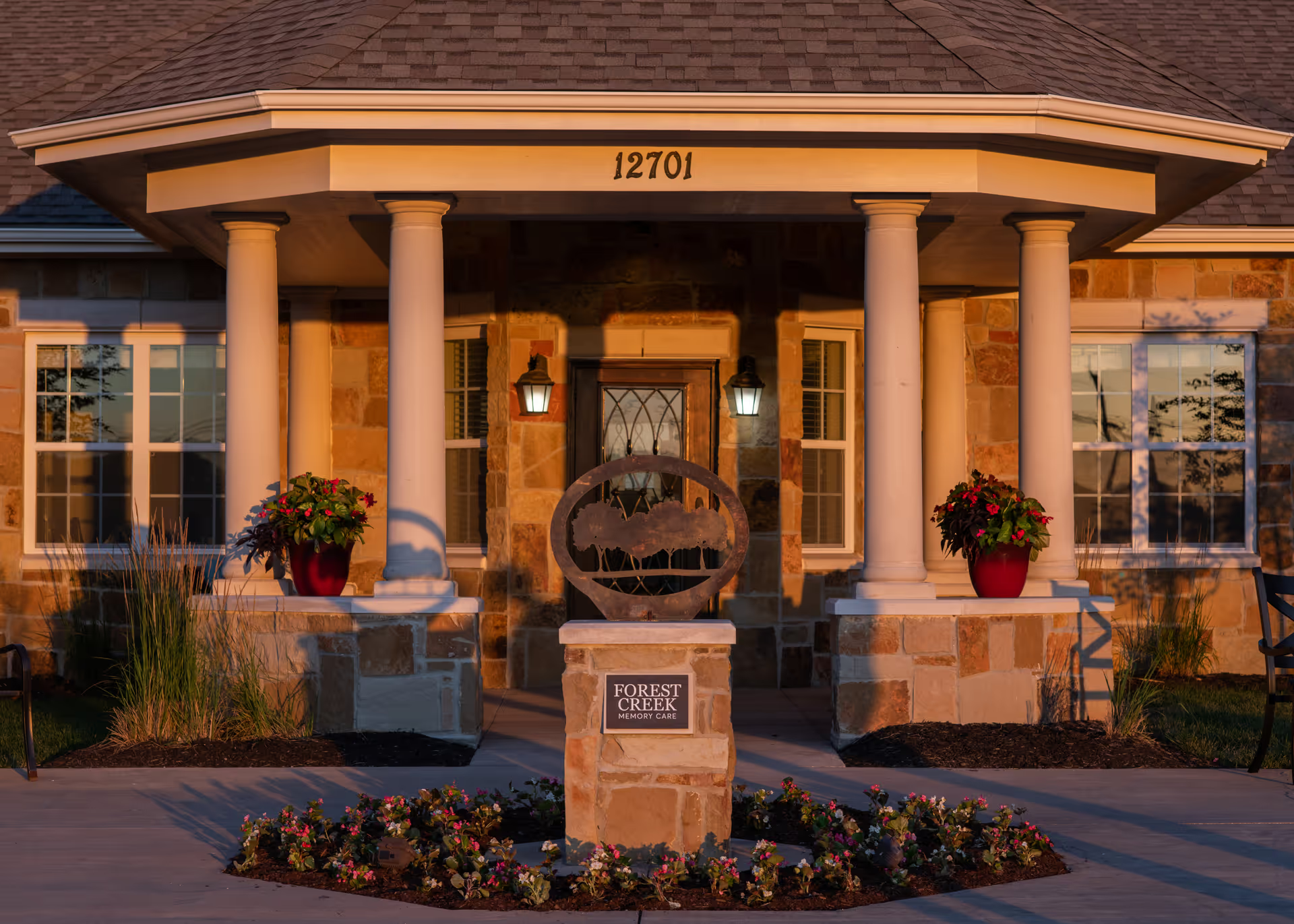
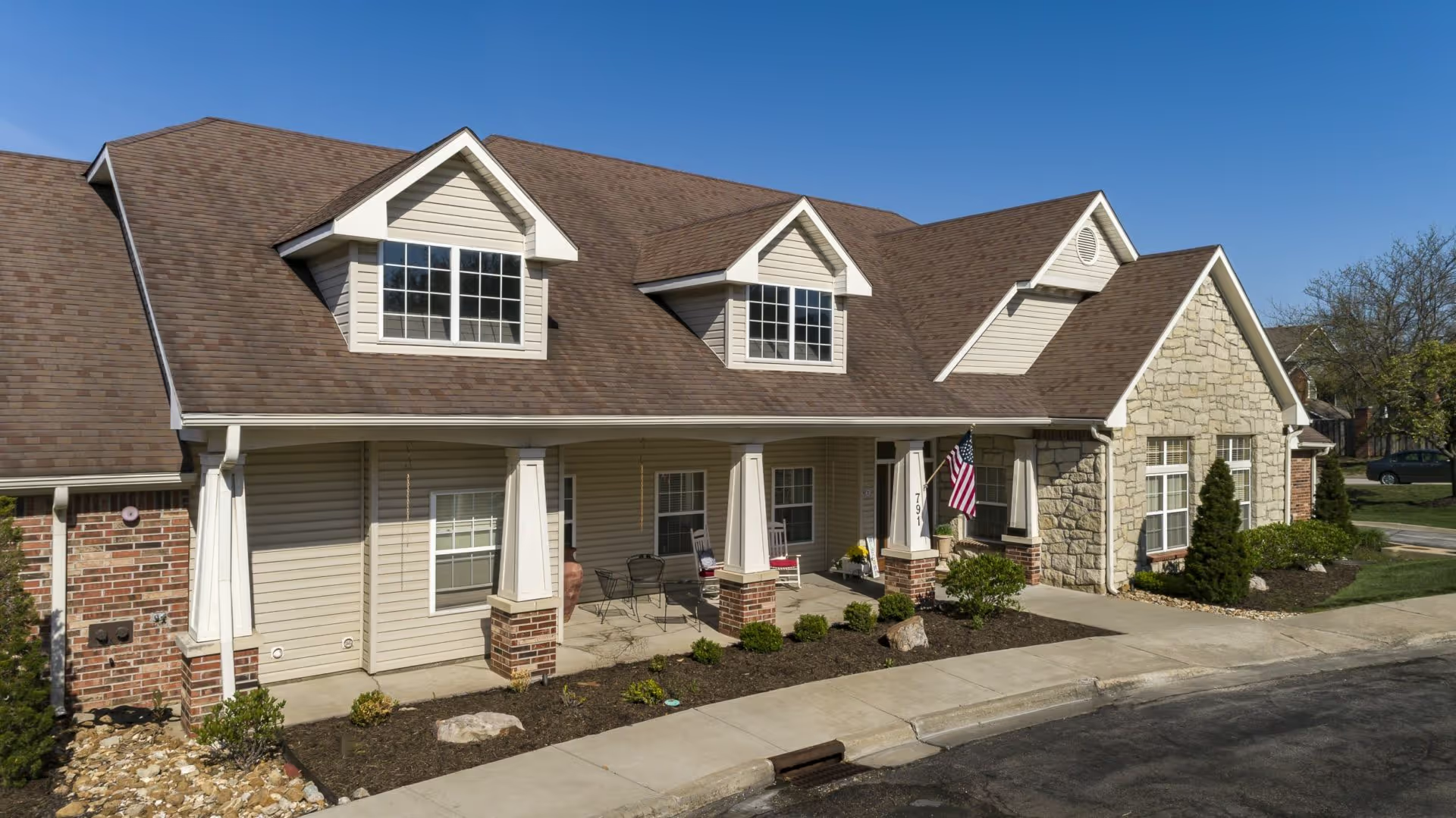
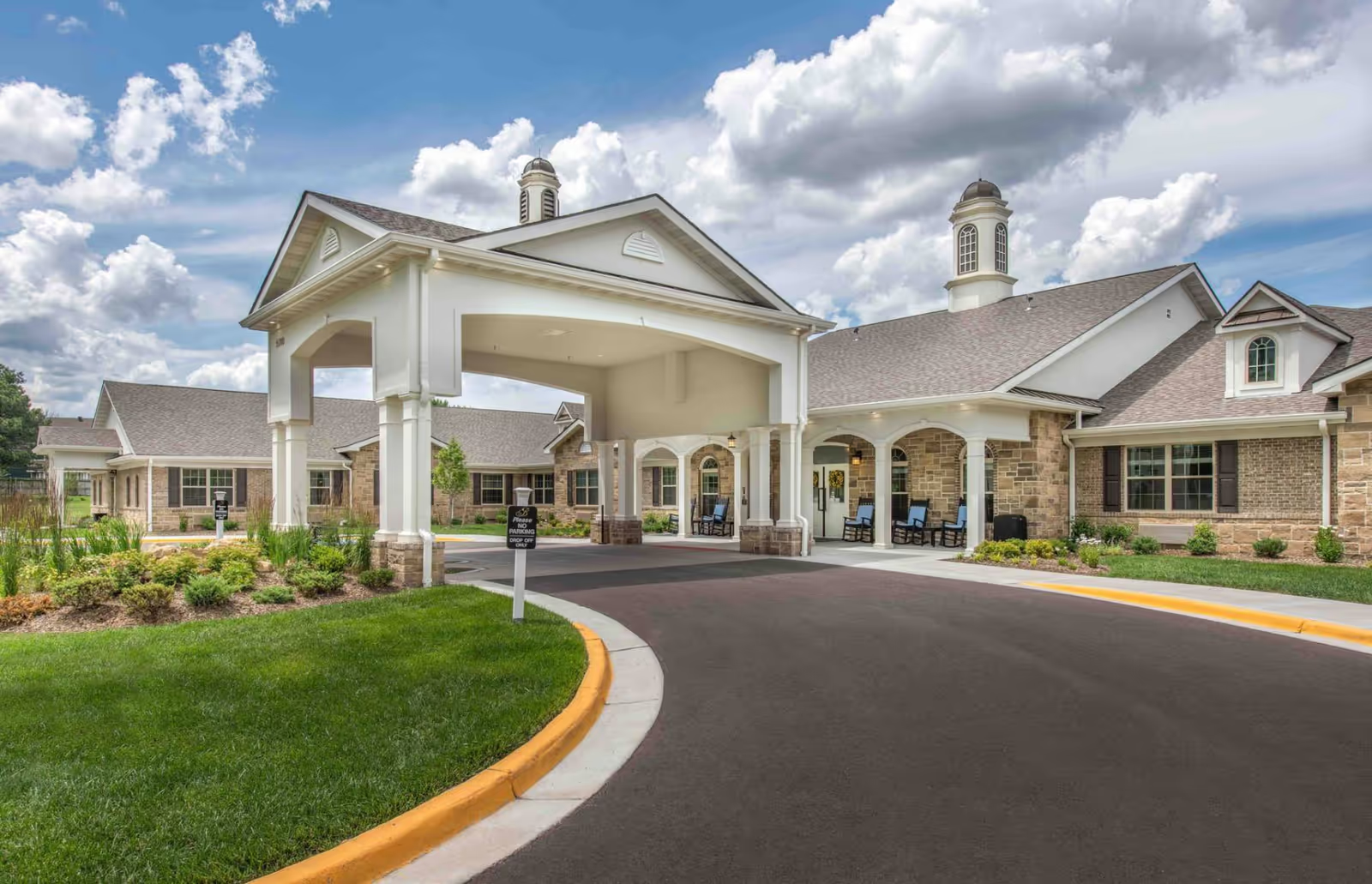
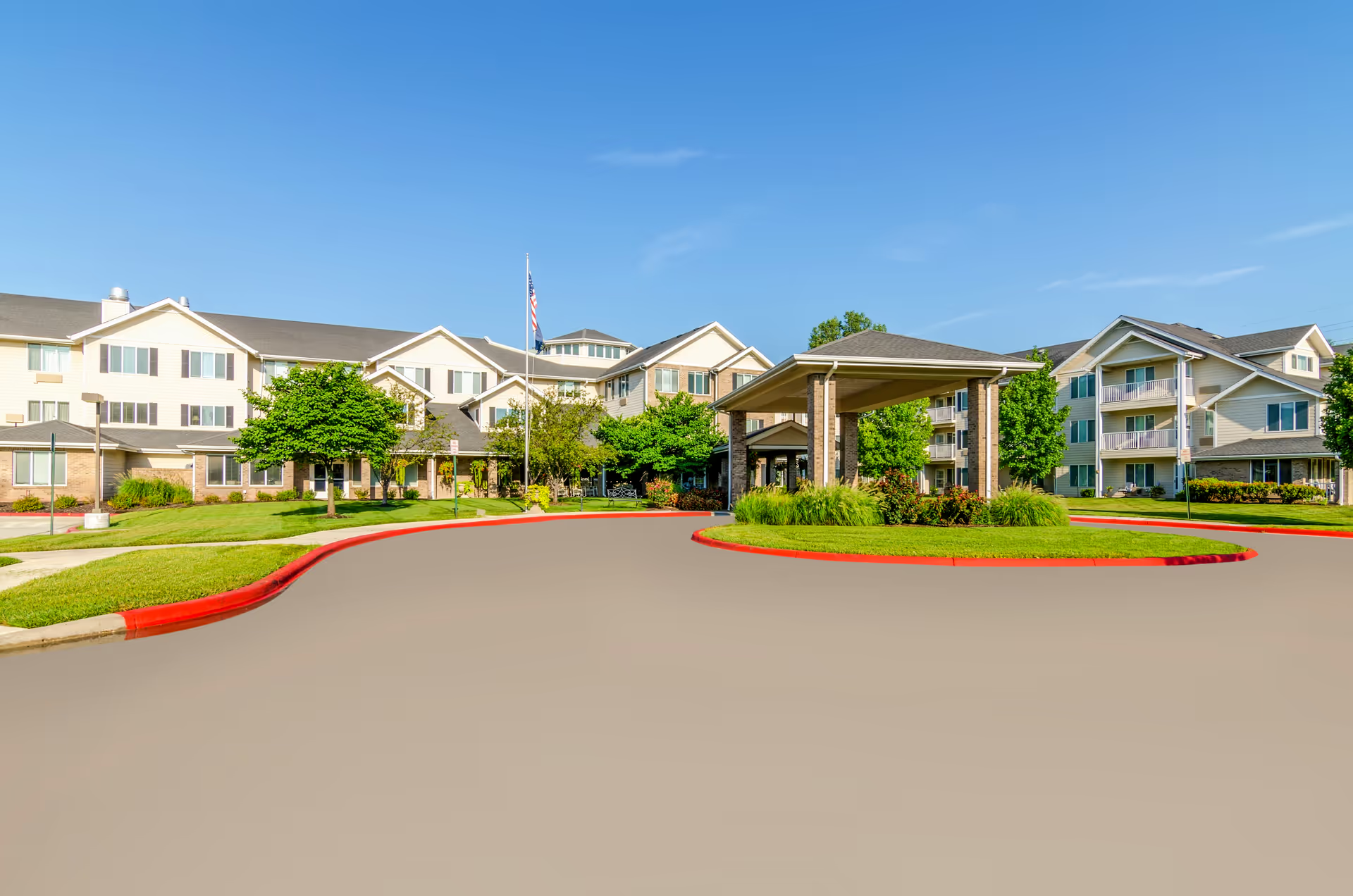
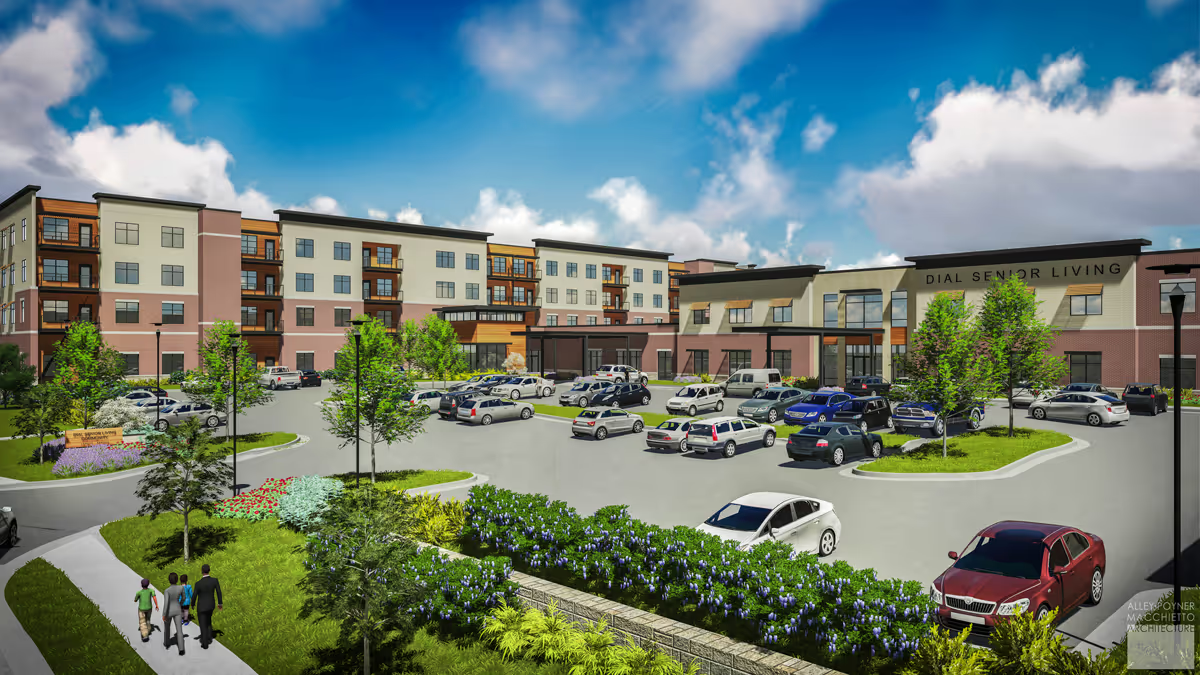
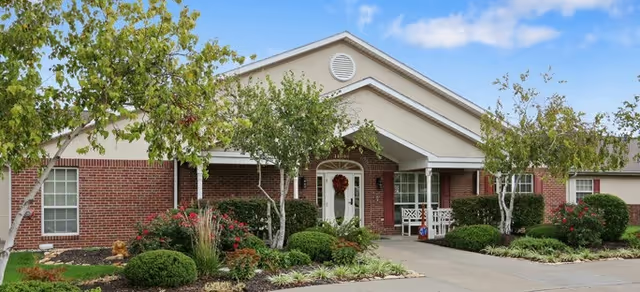
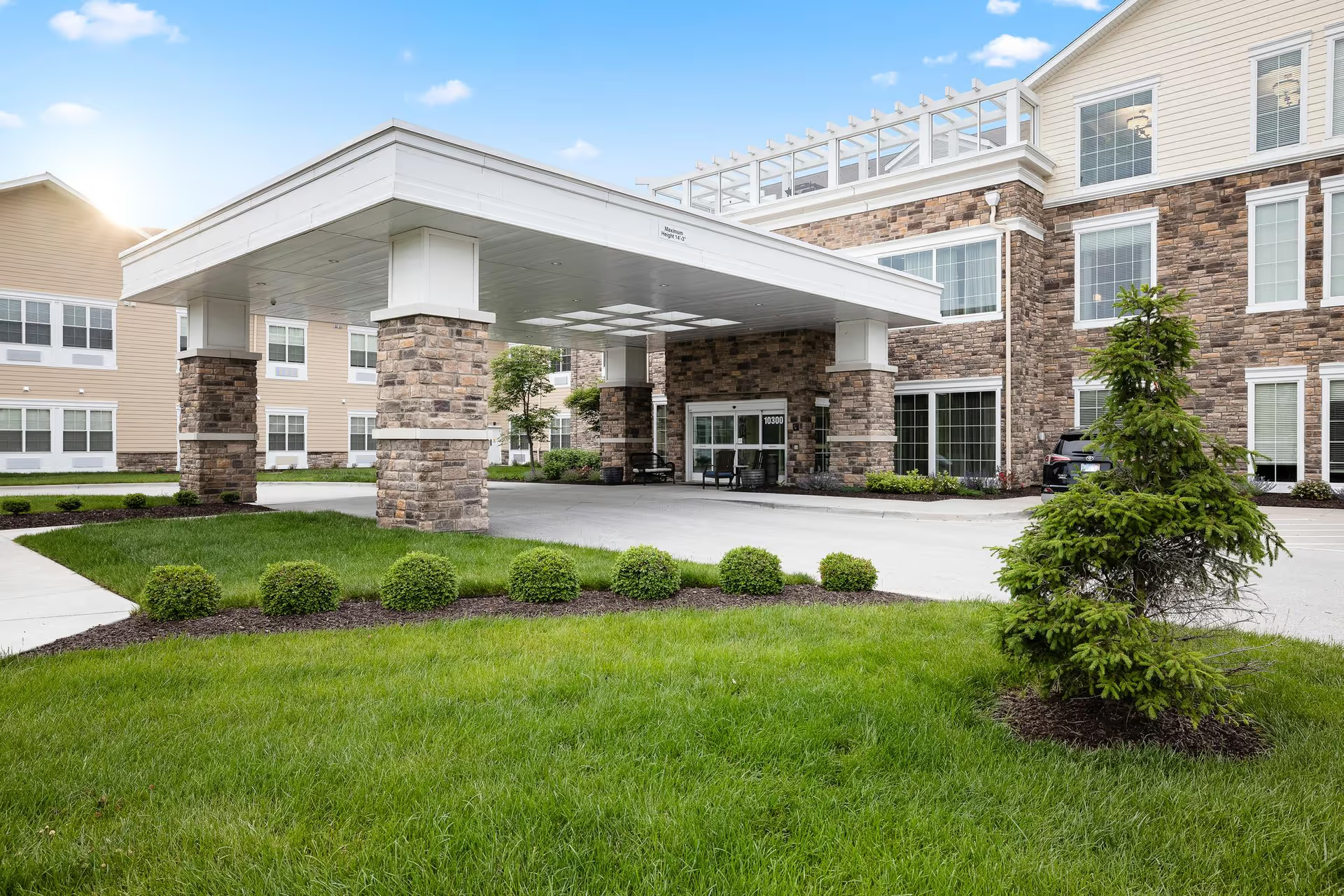
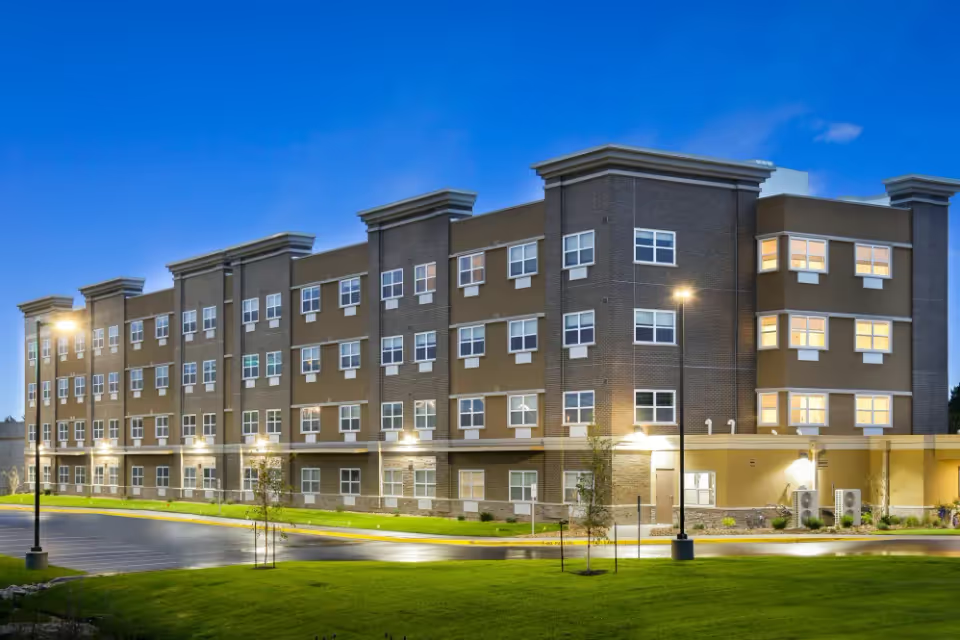
Reviews indicate a facility with clear strengths as well as recurring operational concerns. Positive accounts frequently highlight compassionate direct-care staff — nurses, CNAs and therapists are described as attentive, accommodating, and skilled in rehabilitation work. The facility’s physical plant also receives positive comments: it is relatively new and clean, offers private rooms with accessible bathrooms and walk-in showers, accepts Medicaid, and features an open-kitchen dining area where meals are prepared on-site with visible chef engagement.
At the same time, a pattern of care-quality issues appears across reviews. Families cite inconsistent responsiveness to call lights and delayed assistance with personal care (including incontinence-related care and bathing). Several reviews describe medication-administration errors, delays in addressing pain or clinical needs, and concerns about fall prevention and the facility’s response after a resident fall. A few reviewers raised serious clinical concerns including pressure-injury and infection management and end-of-life care outcomes; these items suggest gaps in clinical oversight that warrant direct inquiry during a tour.
Staffing and training emerge as a central theme. While many reviewers praise individual staff members and consistent nurse assignments in some units, there are repeated observations of understaffing — especially at night — and inconsistent staff competency or training. Language barriers and communication-style concerns are noted, and some families describe reliance on contract or outsourced therapy/staffing in ways that affected continuity of care.
Dining and housekeeping receive mixed feedback. The open-kitchen concept and fresh daily meals are seen as strengths, with positive anecdotes about chef interaction and visible meal preparation. Conversely, some reviewers described inconsistent meal quality or service interruptions and characterized some meals as less carefully prepared. Housekeeping and room cleanliness are often praised, though there are also mentions of uneven sanitation practices in certain areas.
Activity programming and the overall atmosphere show variability. Several families report helpful, individualized activities and improving programming, while others feel options are limited and that parts of the facility feel more clinical than home-like. Room layout issues (for example, inconvenient TV placement or corridor design) were raised as diminishing comfort for some residents.
Management and communication receive mixed evaluations. Some reviewers commend an engaged director of nursing and staff who go the extra mile; others describe management indifference, defensive responses, and pricing/value concerns. Given the mix of positive and negative experiences, prospective residents and families should conduct a focused in-person assessment: observe staffing levels at different times, ask about night coverage and fall-prevention protocols, review medication and infection-control procedures, confirm how therapy services are staffed (in-house versus contracted), and request current activity schedules and recent inspection/survey results. These targeted questions can help clarify whether the facility’s strengths align with an individual’s care needs and expectations.