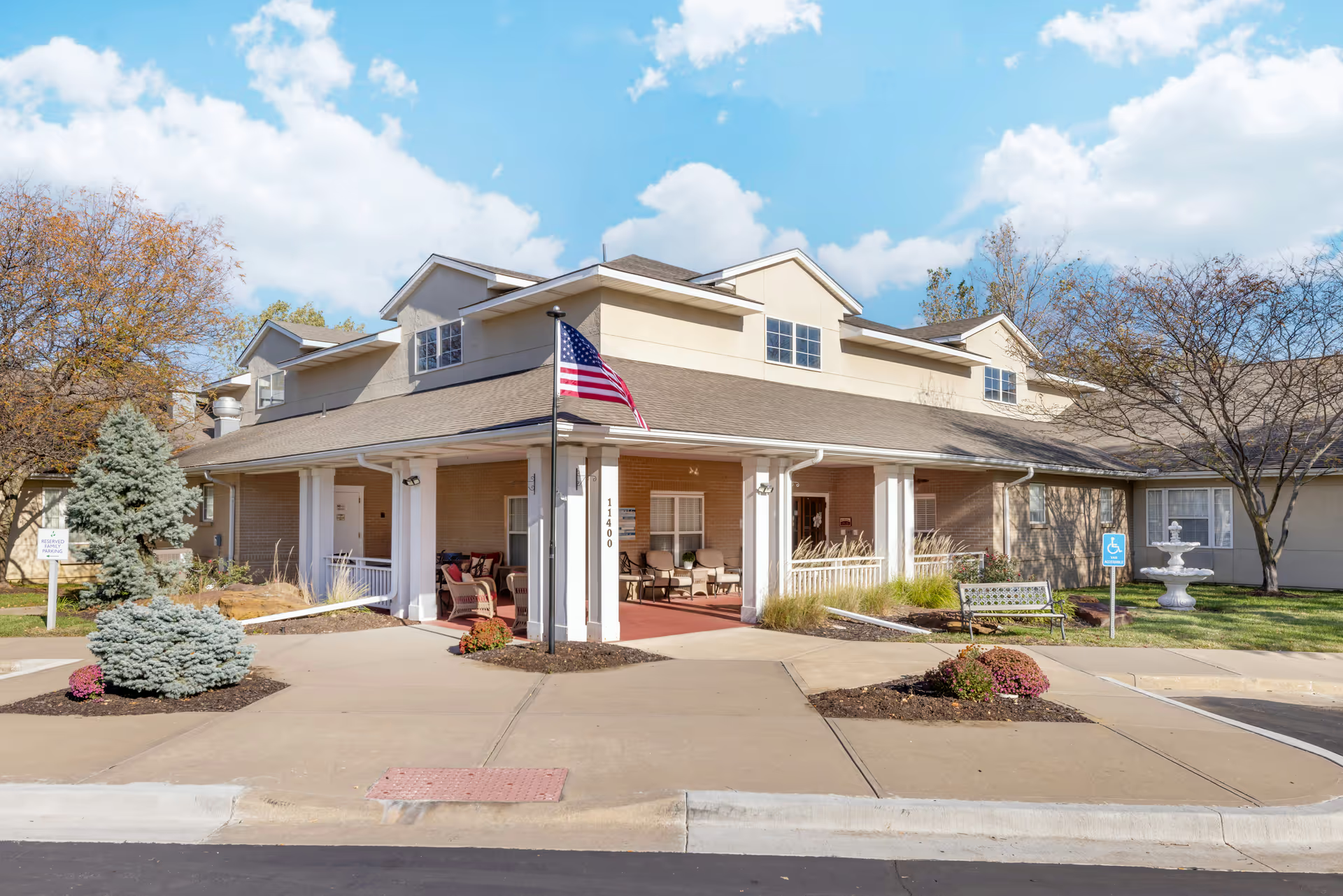
Overall impression: Overland Park Place presents a mixed but detailed profile. Many accounts emphasize a warm, social environment with a renovated, attractive building and a strong activities program. The community offers standard independent-living amenities (three meals daily, salon, exercise/therapy spaces, weekly housekeeping, transportation, and on-site physical therapy) and an in-house home-health/aging-in-place option that appeals to families seeking continuity of services. Cost and value statements vary by apartment size and contract terms, with frequent praise for reasonable pricing on some unit types and recurring questions about rent increases and fee communication.
Care quality and clinical concerns: Clinical care experiences are inconsistent. Numerous comments describe attentive, long-tenured nursing staff and prompt responses to acute events, while a number of other accounts describe delayed clinical responses, medication/oxygen management issues, therapy discontinuities, and family communication breakdowns following serious incidents. A small number of narratives referenced adverse outcomes that led families to raise concerns following a resident's death or acute hospitalization. Taken together, these inputs suggest variability in clinical oversight and incident follow-up rather than uniformly reliable clinical performance.
Staff and management: Staffing is frequently described as a major strength when teams are stable: residents and families highlight respectful, familiar interactions, helpful front-desk personnel, and staff who learn resident preferences. At the same time, reviewers note staffing shortages, turnover, language barriers with some aides, and inconsistent staff conduct or tone in some units. Management-related issues include variable responsiveness to family inquiries, occasional defensive or dismissive communication, and a perceived shift toward corporate processes in certain periods. Maintenance responsiveness is reported positively in many instances but is also cited as inconsistent and sometimes inadequate for recurring building problems.
Dining and food service: Dining is a polarizing area. Many reviewers praise chef-prepared meals, daily alternatives, special dinners, and accessible dining staff; several highlight a salad bar and portion sizes suitable for older adults. Conversely, others describe inconsistent meal preparation (undercooked or overcooked entrees), bland or limited menu variety, weekend boxed meals during kitchen staffing shortages, and weight-loss concerns in some residents. Overall, the food program appears capable of high quality but subject to operational variability.
Activities and social life: Activities are widely regarded as a clear strength. The community offers a broad calendar — exercise classes, Bingo, cards, Wii bowling, musical events, faith services, outings, and internal social programs — and many residents report improved socialization and mood. Participation levels and the perceived quality of activities vary by resident interest and program staffing, but the available options are extensive and foster a neighborhood feel.
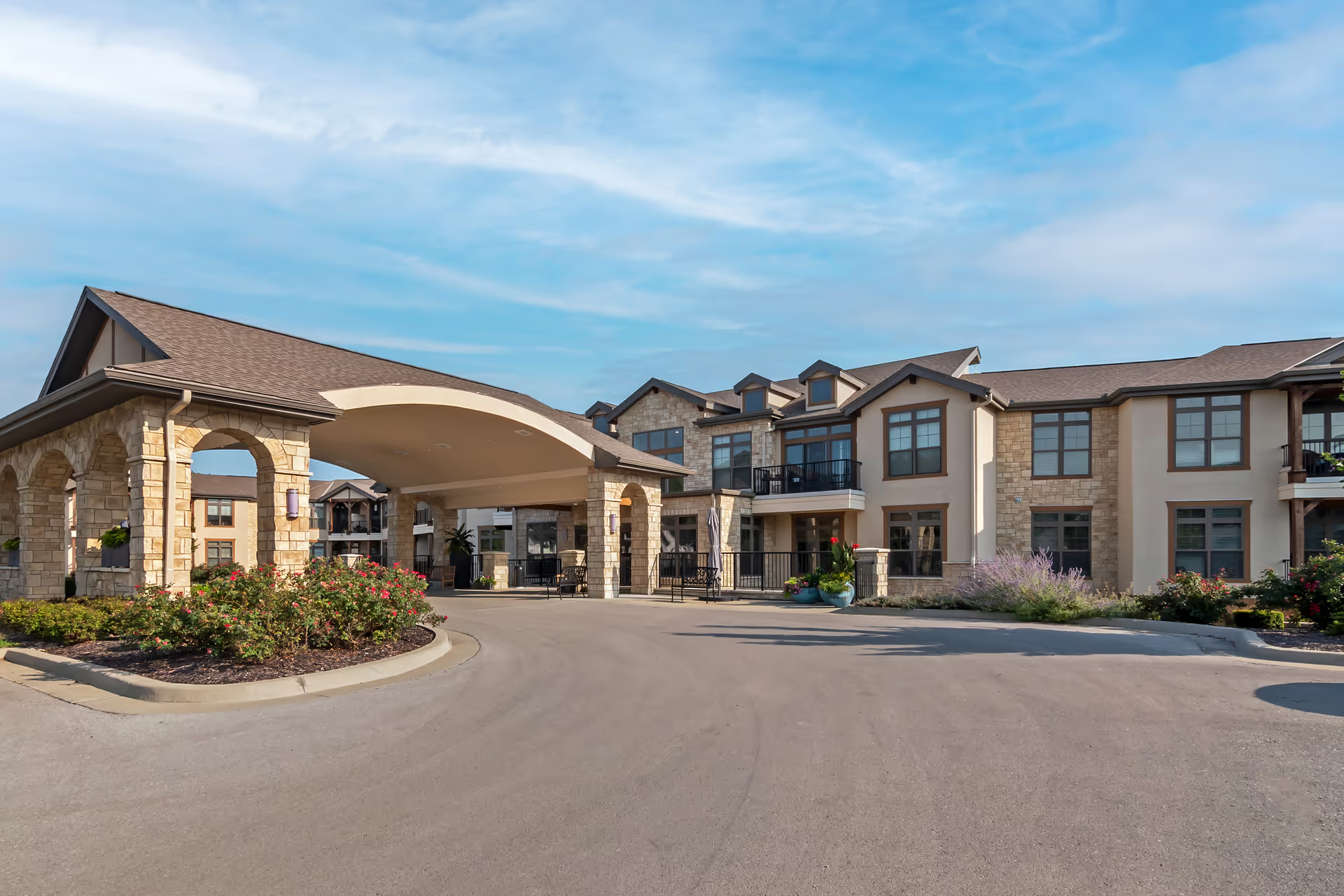
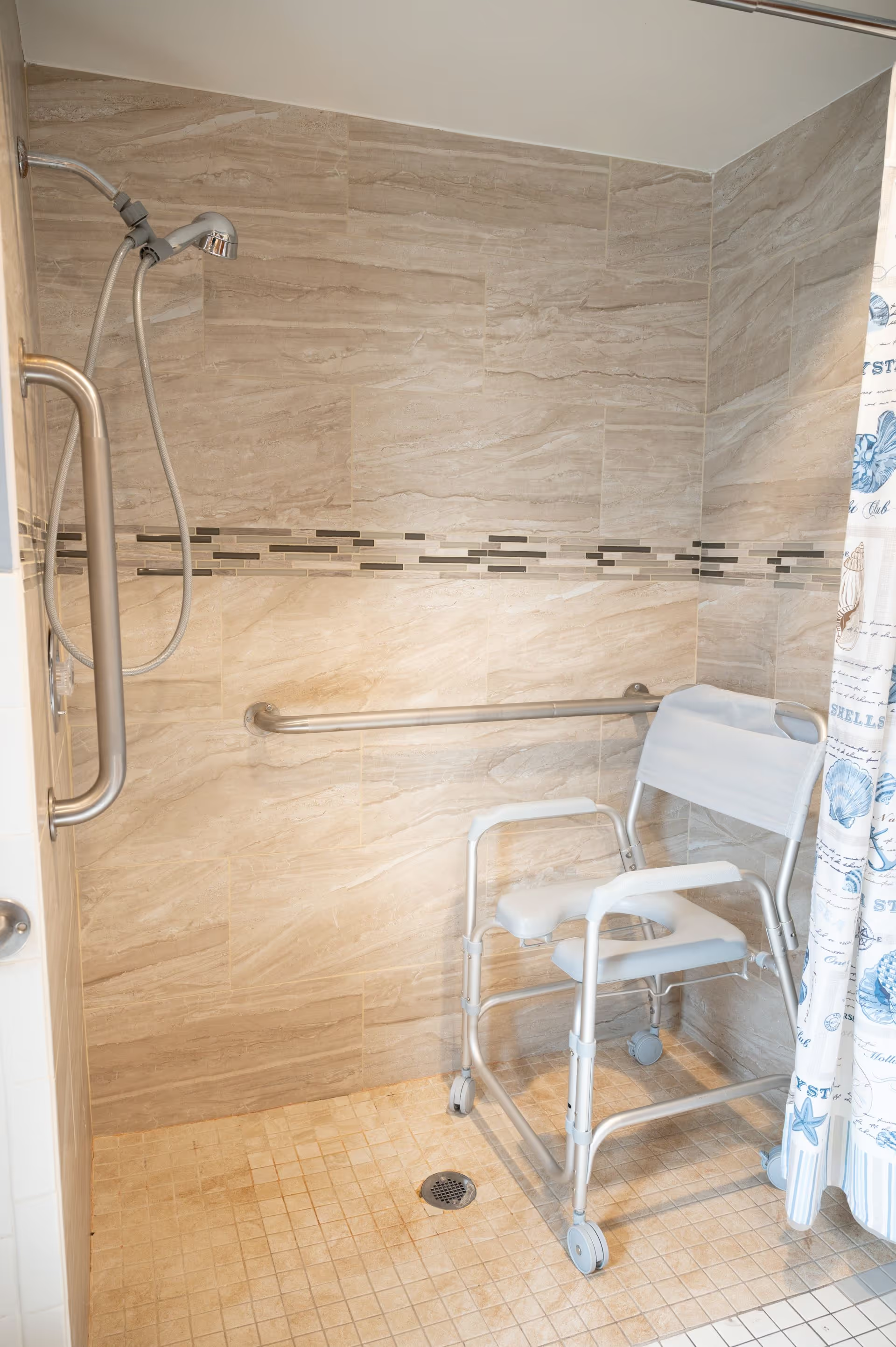
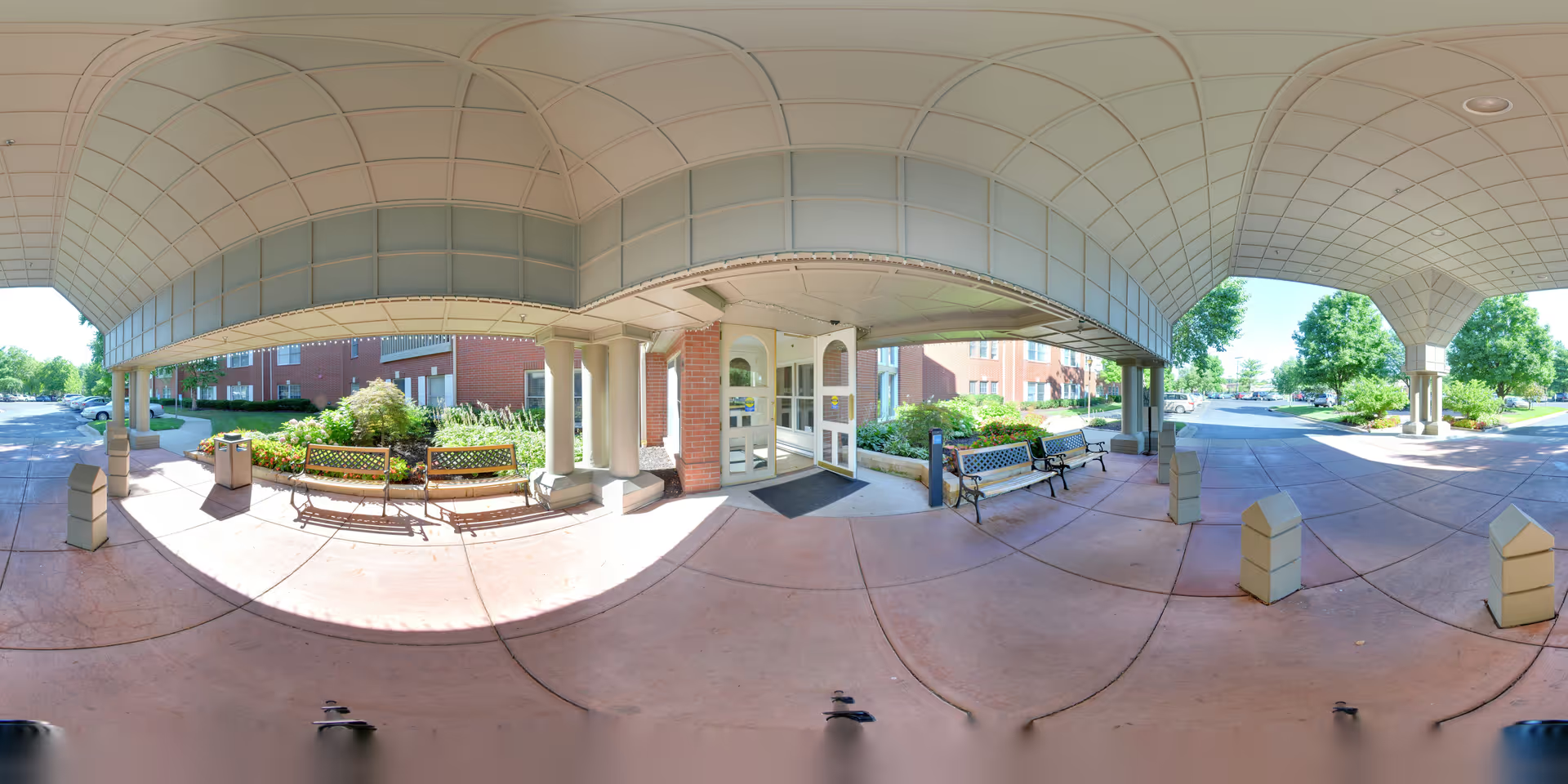
Facilities and maintenance: The property benefits from renovated common areas, attractive public spaces, and useful amenities (library, ice-cream parlor, salon, therapy rooms). Apartment sizes vary; studios and extended studios are described as comfortable by many, though storage and kitchenette capacity are sometimes limited and some units are small. Recurring facility-level problems are a noteworthy pattern: moisture and mold control failures, basement flooding, persistent localized odor concerns, and instances of poor repair work (patched rather than replaced materials) have been cited. Elevator reliability and capacity have also been highlighted as operational issues that affect daily life and access.
Management and operational patterns to watch: The reviews reveal a polarized pattern: many families and residents are very satisfied and recommend the community, while a subset report serious breakdowns in clinical care, maintenance, or communication. Common operational themes to investigate during a tour include staffing levels (especially on evenings/weekends), clinical coverage and escalation procedures, specific maintenance and mold-remediation policies, dining staffing and menu flexibility, transportation reliability, unit-by-unit condition, and contract/rent-increase terms.
Bottom line: Overland Park Place offers many of the amenities and social supports families seek in independent living — active programming, on-site therapy and salon services, and a welcoming community atmosphere. However, the facility exhibits notable inconsistencies in clinical oversight, maintenance (particularly moisture control and elevator service), meal reliability, and management communication. Prospective residents or families should arrange an in-person tour, observe meal service and an activity, ask for details on nursing/physician coverage and incident protocols, review recent maintenance and mold-remediation records, and clarify contract terms and upcoming rent adjustments before committing.