Overall sentiment across the reviews is mixed but leans positive regarding personal interactions, therapy outcomes, and dining, while raising significant concerns about safety and staffing.
Care quality and therapy are consistently praised. Multiple reviewers highlighted effective rehabilitation services, specifically occupational and physical therapy, and described the therapy team as a major strength. Reviewers reported good functional outcomes from rehab and reliable follow-through for scheduled care. Nursing and caregiving staff are repeatedly described as caring, compassionate, and easy to relate to; several comments single out the social worker positively. This suggests that when staff are present and engaged, residents receive attentive, person-centered care.
At the same time, safety-related issues are a recurring and serious theme. Multiple falls with resultant bruising were reported, and reviewers explicitly linked these incidents to an insufficient staff-to-patient ratio. There are also reports of delayed transfers to the emergency room in urgent situations. These safety incidents and delays suggest operational vulnerabilities that can undermine otherwise good one-on-one care and good rehabilitation outcomes. The combination of staffing shortfalls and emergent-care delays is the most significant negative pattern in the reviews.
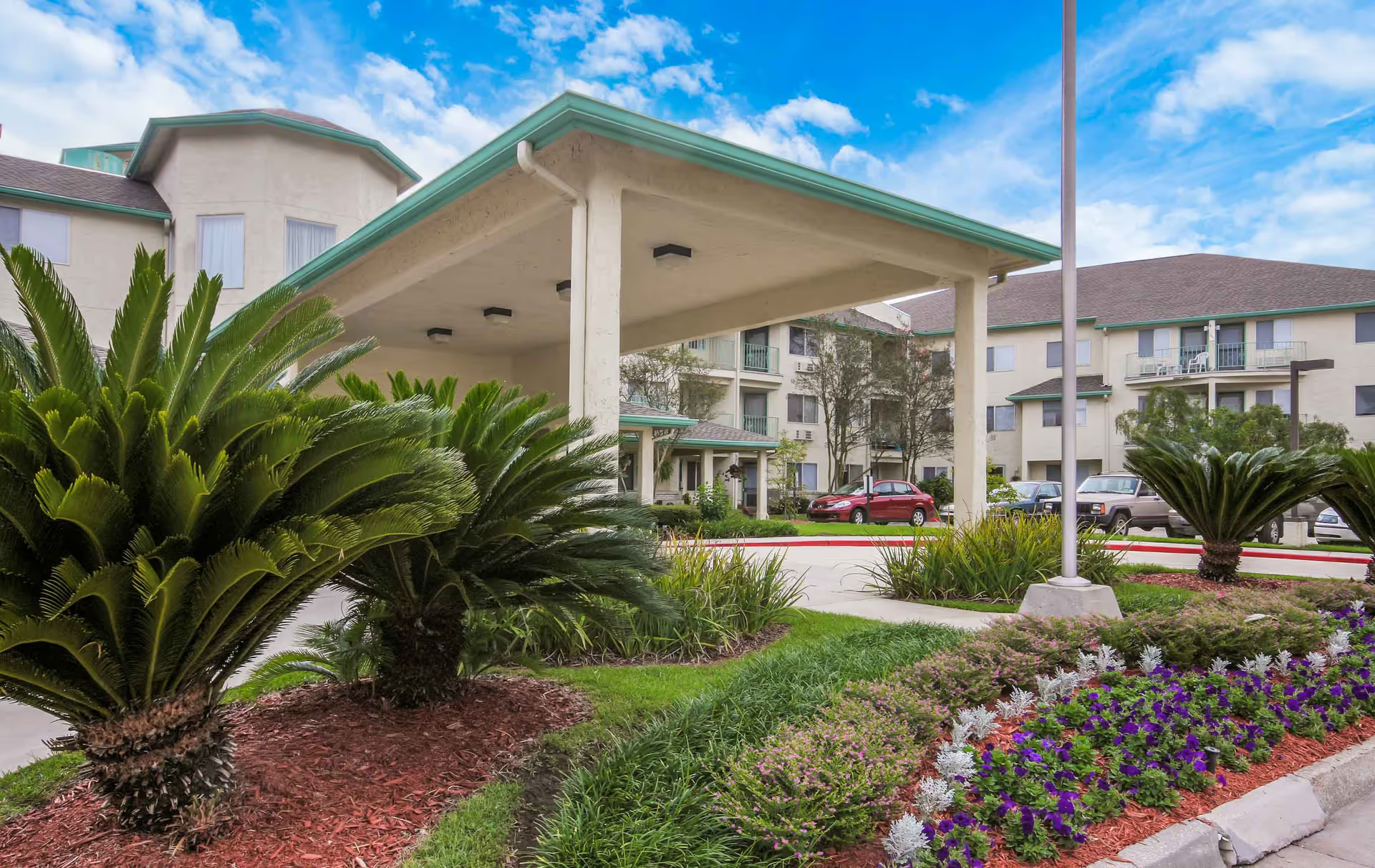
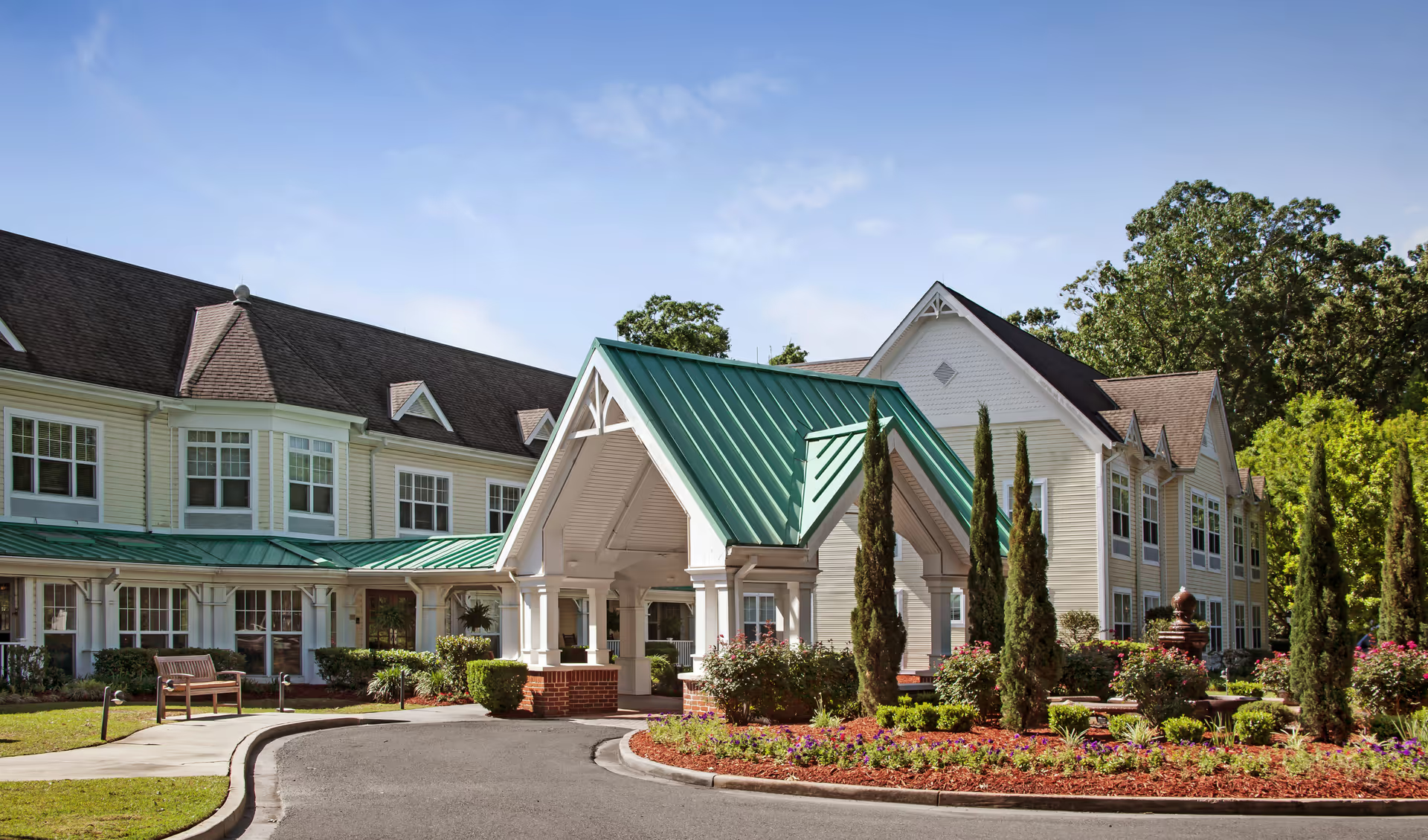
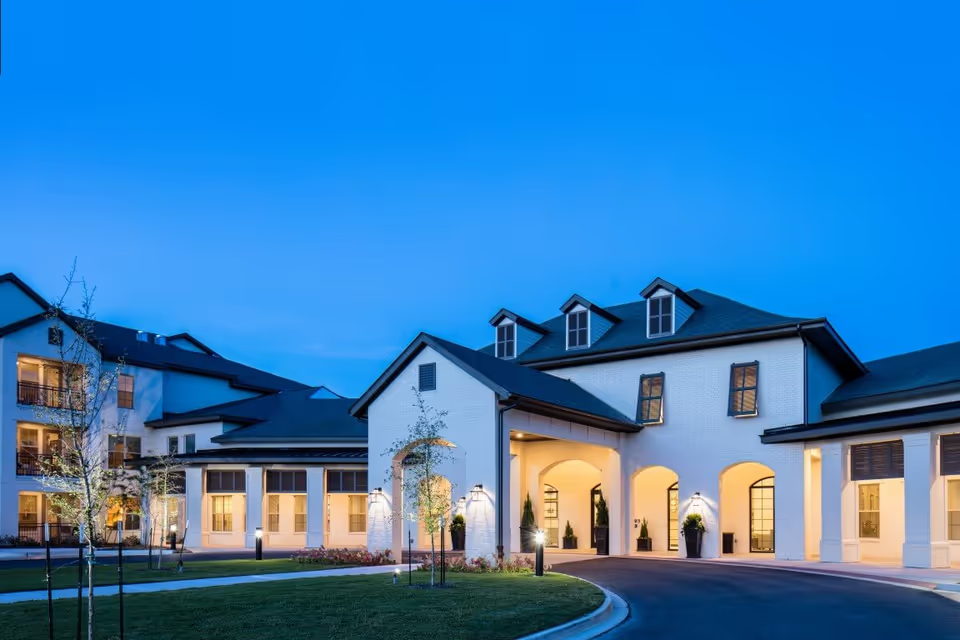
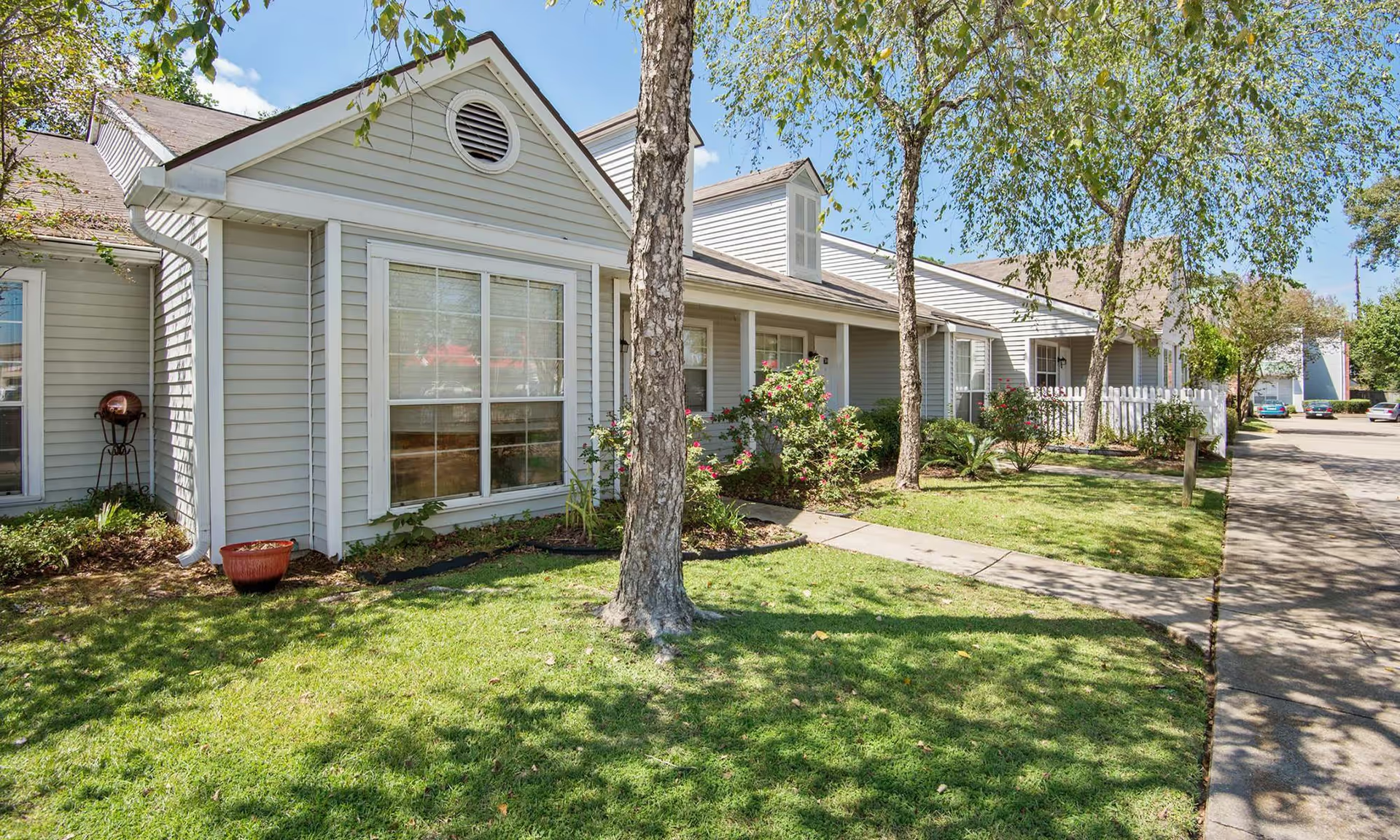
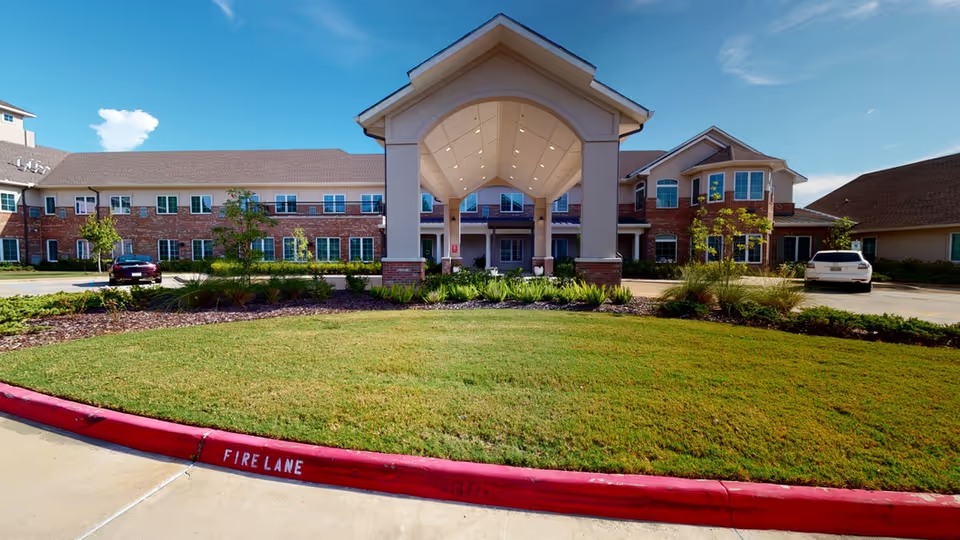
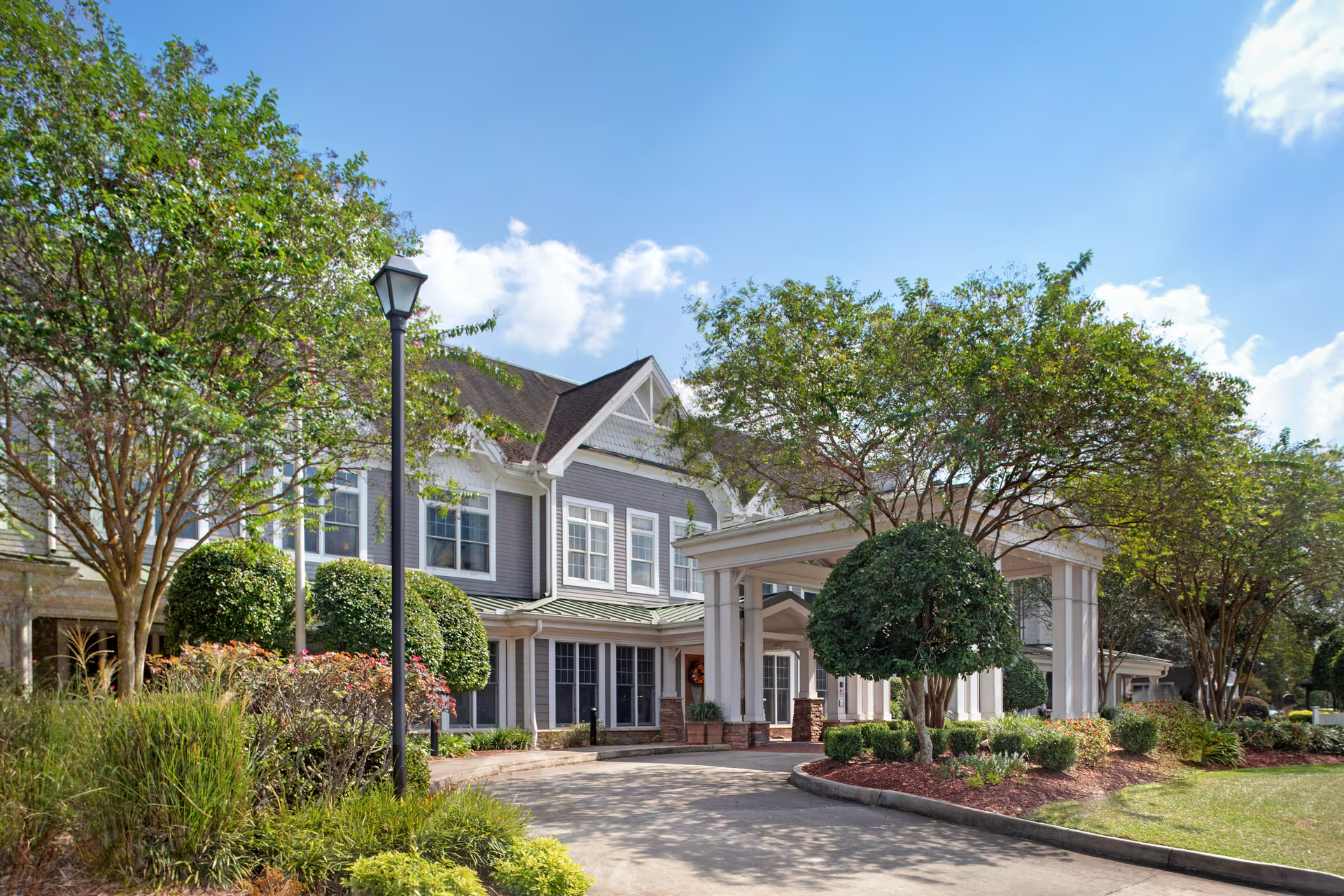
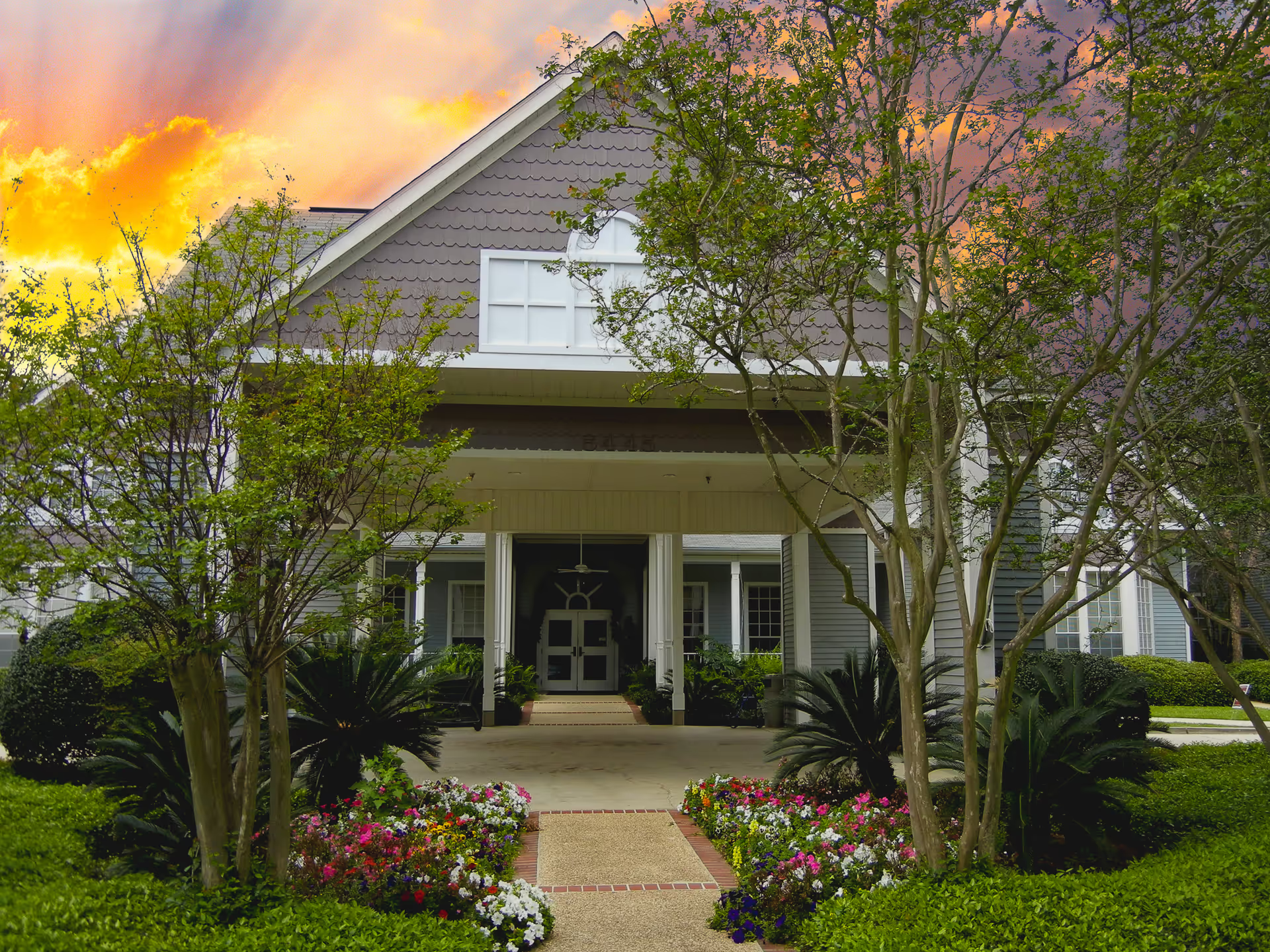
Facilities and environment receive mostly neutral-to-positive remarks. Physical features such as tall ceilings and hospital-style double rooms were noted, which may contribute to a more open, clinical atmosphere. However, the facility does not have a dedicated Alzheimer’s or memory care unit, a limitation for families seeking specialized dementia services.
Dining and activities are clear strengths. The kitchen staff and a dedicated cook are repeatedly lauded, and food quality is described as excellent. Recreational offerings are mentioned (for example, puzzles), indicating some level of engagement and social activity for residents. Friendly residents and staff contribute to a welcoming social environment according to reviewers.
Management and coordination show mixed signals. On routine schedules and planned care, reviewers noted reliable follow-up and coordination. Conversely, the organization appears to struggle under emergency conditions and with adequate staffing levels, pointing to unmet needs in staffing strategy and incident response protocols.
In summary, Sage Rehabilitation Hospital SNF is viewed favorably for its rehabilitation programming, compassionate staff, and strong dining/activities offerings. However, safety and staffing concerns—specifically multiple fall incidents, insufficient staffing ratios, and delayed emergency responses—are material issues raised by reviewers and represent the primary risks to overall quality. Prospective residents and families should weigh the strong therapeutic and interpersonal strengths against these operational safety concerns, and inquire specifically about current staffing levels, fall-prevention measures, and emergency transfer procedures before deciding.