FutureCare Chesapeake is consistently described as a strong rehabilitation-focused facility with a well-regarded therapy program. Physical and occupational therapy are frequently cited as a major strength: staff are goal-oriented, skilled, and supported by a well-equipped gym. Speech therapy and in-house therapy services are also highlighted as effective for swallowing and functional recovery. For families seeking short-term rehab or intensive restorative care, the facility’s therapy capabilities and proactive therapy staff are a clear positive.
Staffing and direct-care quality show mixed patterns. Many accounts praise compassionate nurse aides, attentive nurses, and helpful social-work/administrative support for discharge planning and billing. At the same time, reviewers commonly note inconsistent staffing levels, delayed responses to call systems, and variability between units. These operational weaknesses have been linked to delays in medication administration and gaps in communication with families about changing clinical status. A limited number of reviews described serious clinical incidents that raised substantial concern; these accounts underscore the importance of discussing clinical escalation procedures and communication protocols with facility leadership prior to placement.
Dining and activities are generally positive but variable. The facility offers restaurant-style dining, appealing lunch options, and frequent entertainment (bingo, music, themed parties). However, some families noted inconsistent meal quality, limited menu creativity, problems meeting specific dietary needs, and occasional service timing issues. Activities and community events – including piano entertainment, holidays, and family-oriented outreach – are commonly praised and appear to support resident engagement.
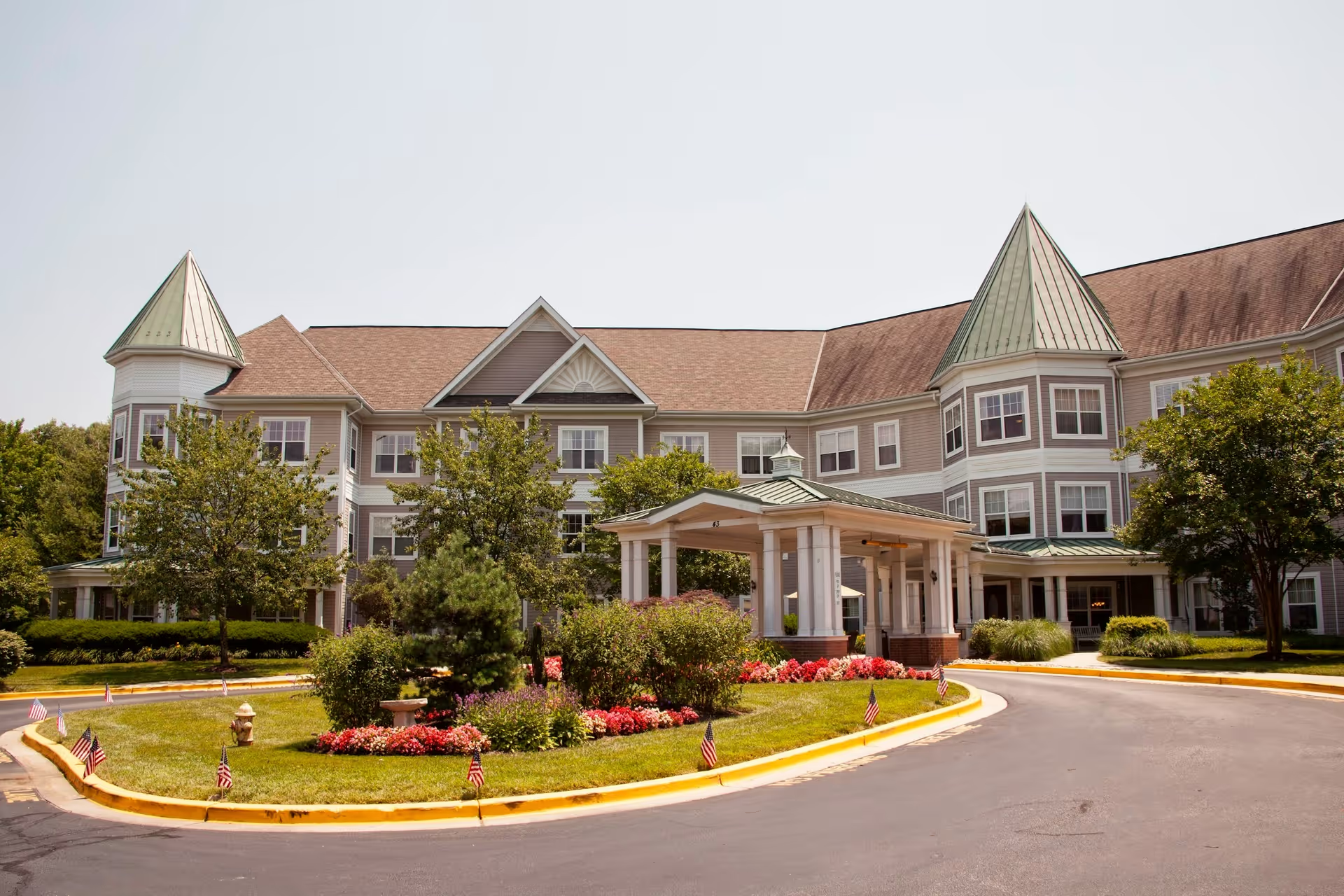
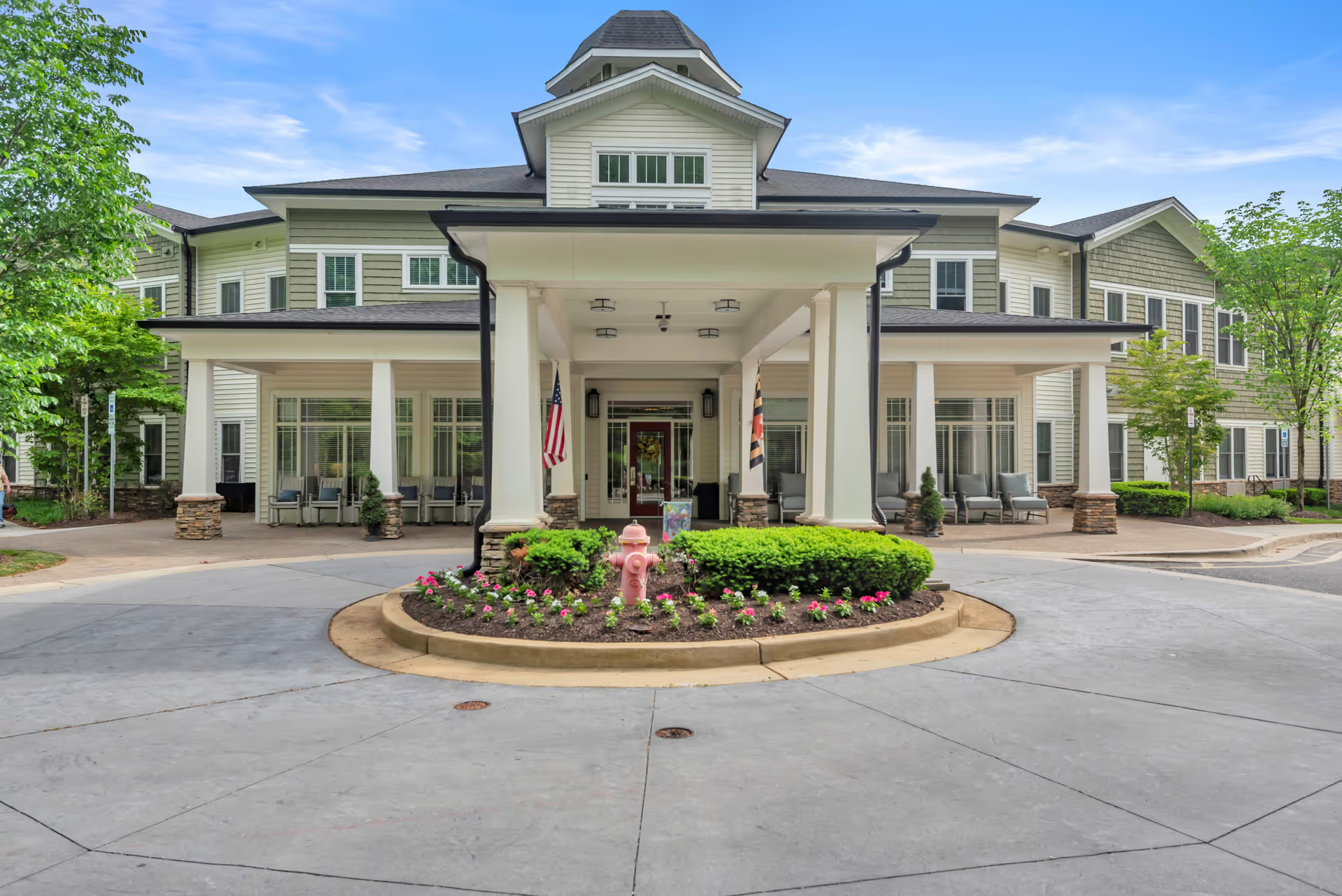
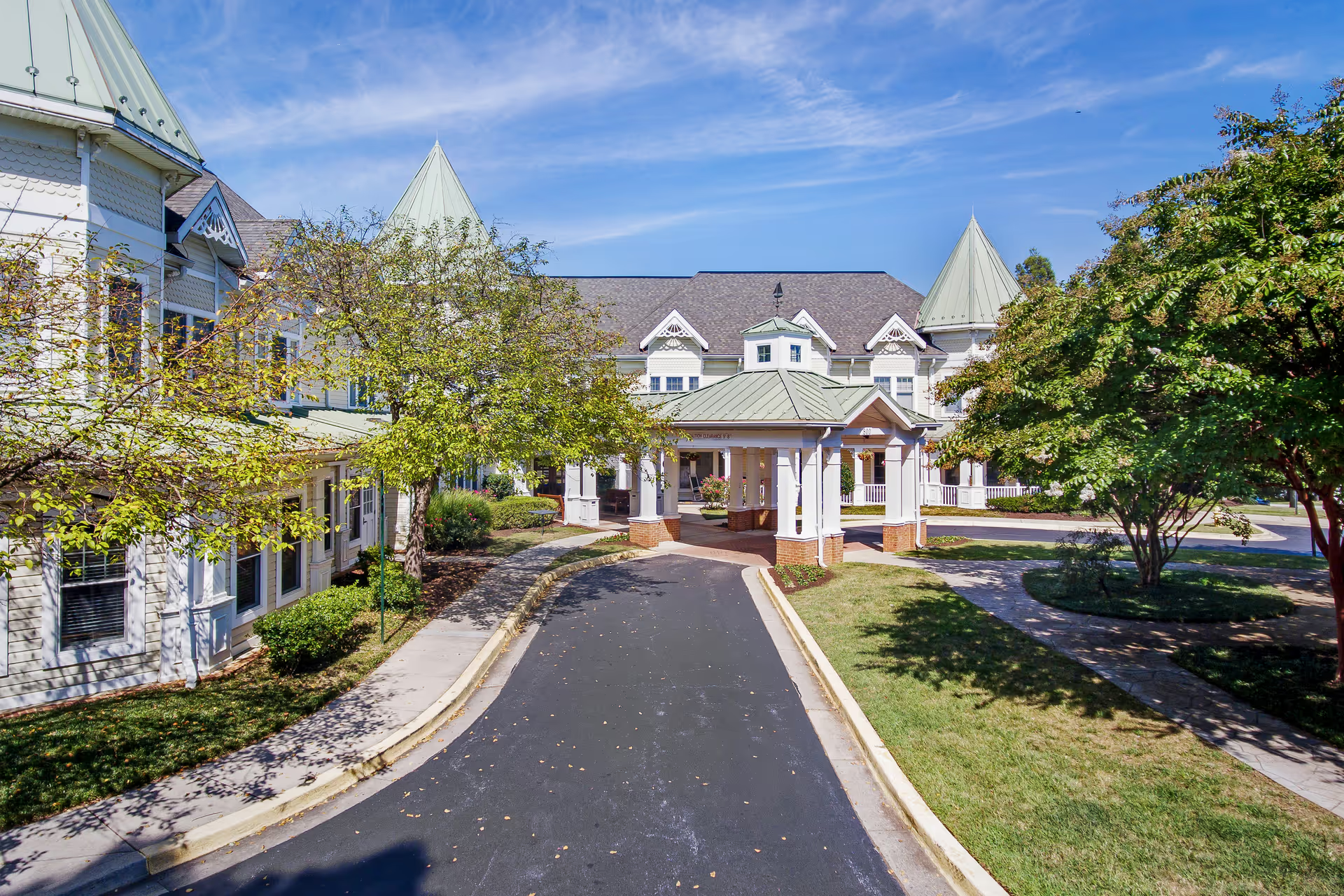
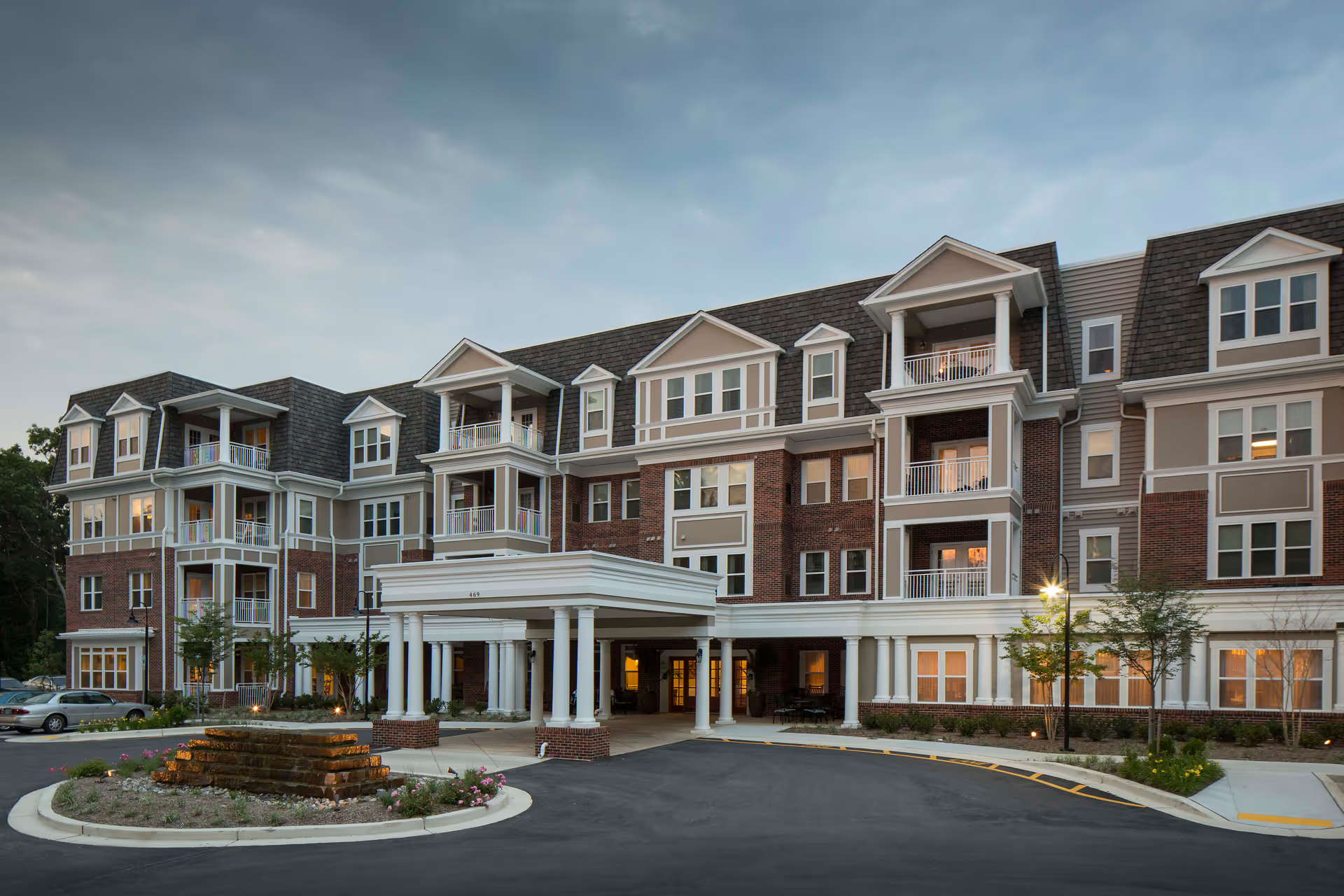
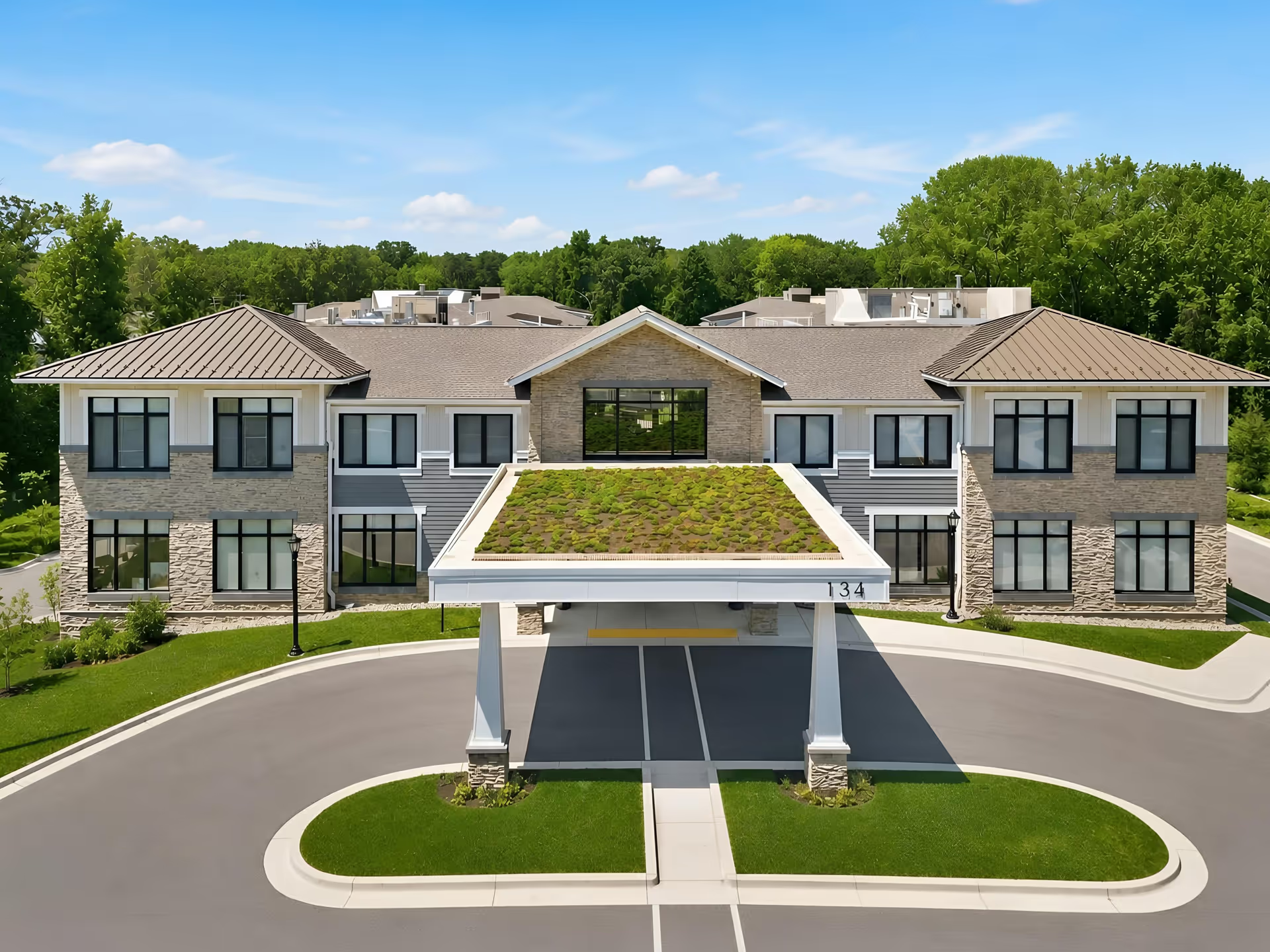
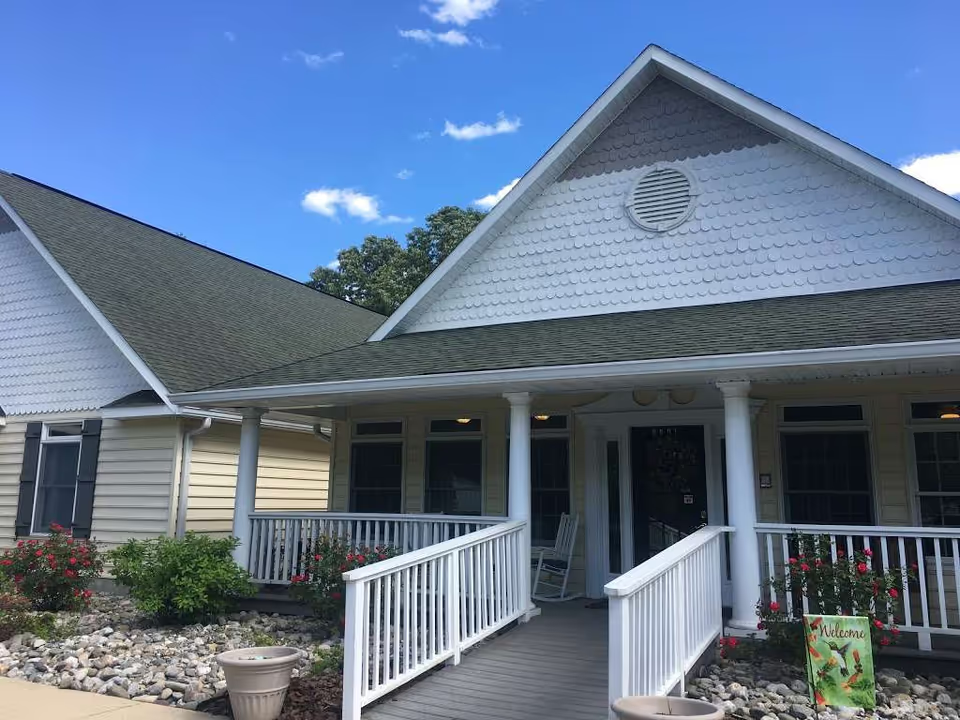
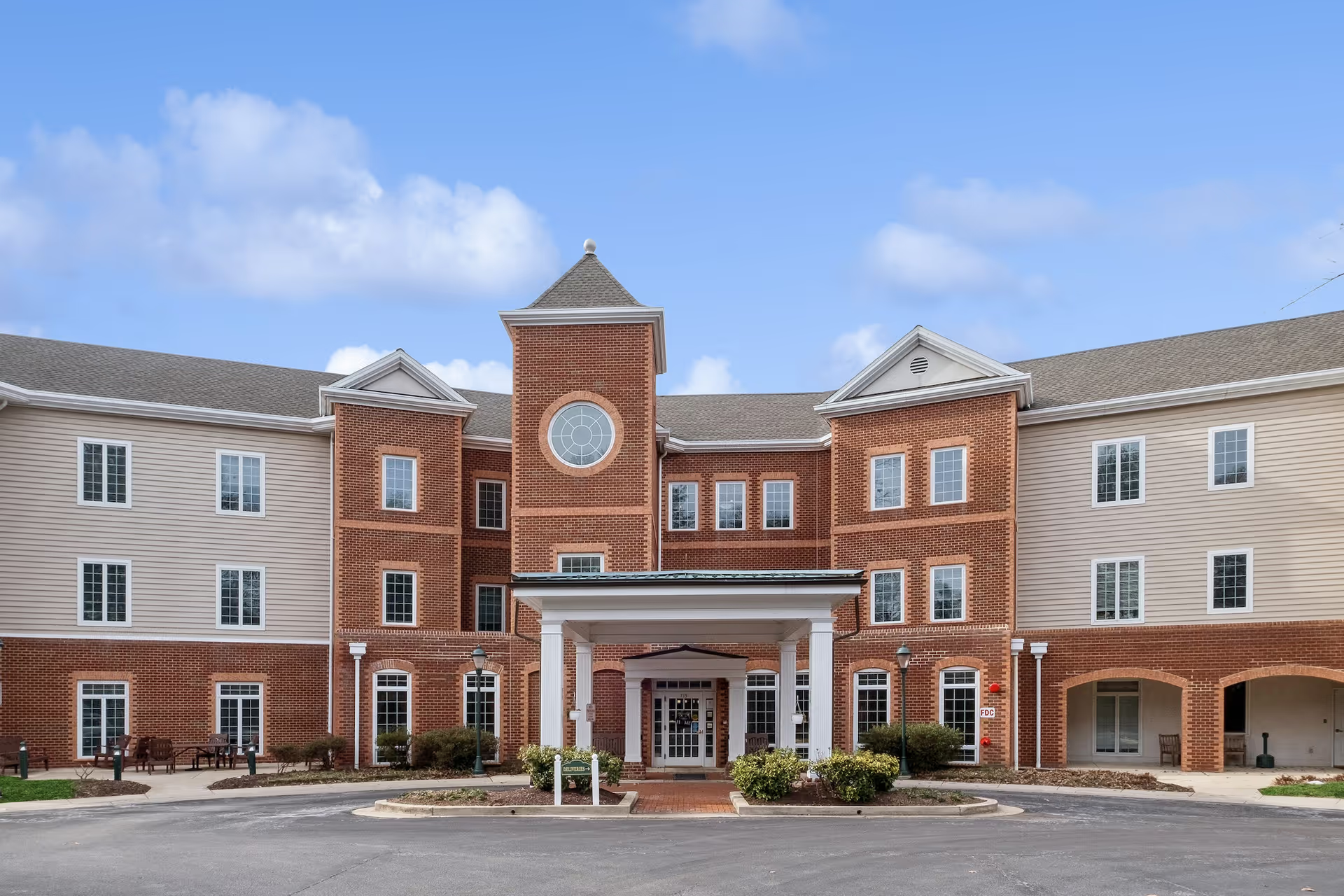
Facilities are described as bright with attractive outdoor spaces, bird feeders, and gardens. Several reviewers described clean, well-maintained rooms and prompt housekeeping; others noted an older building, areas under renovation, worn furnishings, and dated bathrooms. Room size and privacy can be limitations, particularly for residents using wheelchairs or those placed in shared rooms. Nighttime noise and roommate-TV volume were also raised as practical concerns.
Management and operational oversight show variability. Positive comments include responsive administration around transitions and billing and proactive maintenance in many instances. Conversely, some reviews indicate high staff turnover, micromanagement concerns, and unsatisfactory complaint handling at the unit level. These management issues appear to contribute to the unit-to-unit differences in care and experience that reviewers describe.
In summary, FutureCare Chesapeake offers a robust rehabilitation environment with strong therapy services, engaging activities, and many compassionate staff members. Prospective residents and families should weigh these strengths against recurring operational concerns: ask about current staffing ratios, call-bell response benchmarks, medication and escalation protocols, unit-level leadership stability, dietary accommodation processes, and the availability of private rooms. Visiting the specific unit, meeting therapy leaders and nursing supervisors, and requesting recent staffing and incident‑response information will help families assess whether this facility’s strengths align with their care priorities.