Reviews present a mixed picture in which strong, person-centered caregiving and administrative strengths coexist with operational gaps. Many families praise the staff for being compassionate, attentive, and willing to provide individualized attention; admissions and front-office interactions are frequently described as helpful and smooth, and the business/billing office is often singled out for responsive support. Several reviewers specifically noted regular rehabilitative offerings — including twice-daily physical therapy — and the presence of hospice support when required.
The facility’s activity program is a clear strength: reviewers describe an active schedule that includes bingo, crafts, movies, ice cream socials, cornhole, and religious services. Activities staff receive positive mention for engagement and creating a family-like atmosphere. Dining receives generally favorable comments regarding medication administration and diabetic-appropriate portions, and some families reported improvements in meal service over time.
However, there are recurring operational concerns. Multiple accounts indicate inconsistent sanitation and odor control in certain areas and variable housekeeping standards, which some families view as an institutional weakness rather than an isolated event. Several reviews raise concerns about staff responsiveness — delays assisting with bathroom needs or morning routines and slow emergency responses — as well as gaps in clinical oversight, including wound-prevention and related care practices. Communication with families is uneven: while some families report clear, informative interactions, others describe difficulty reaching staff and a lack of timely updates.
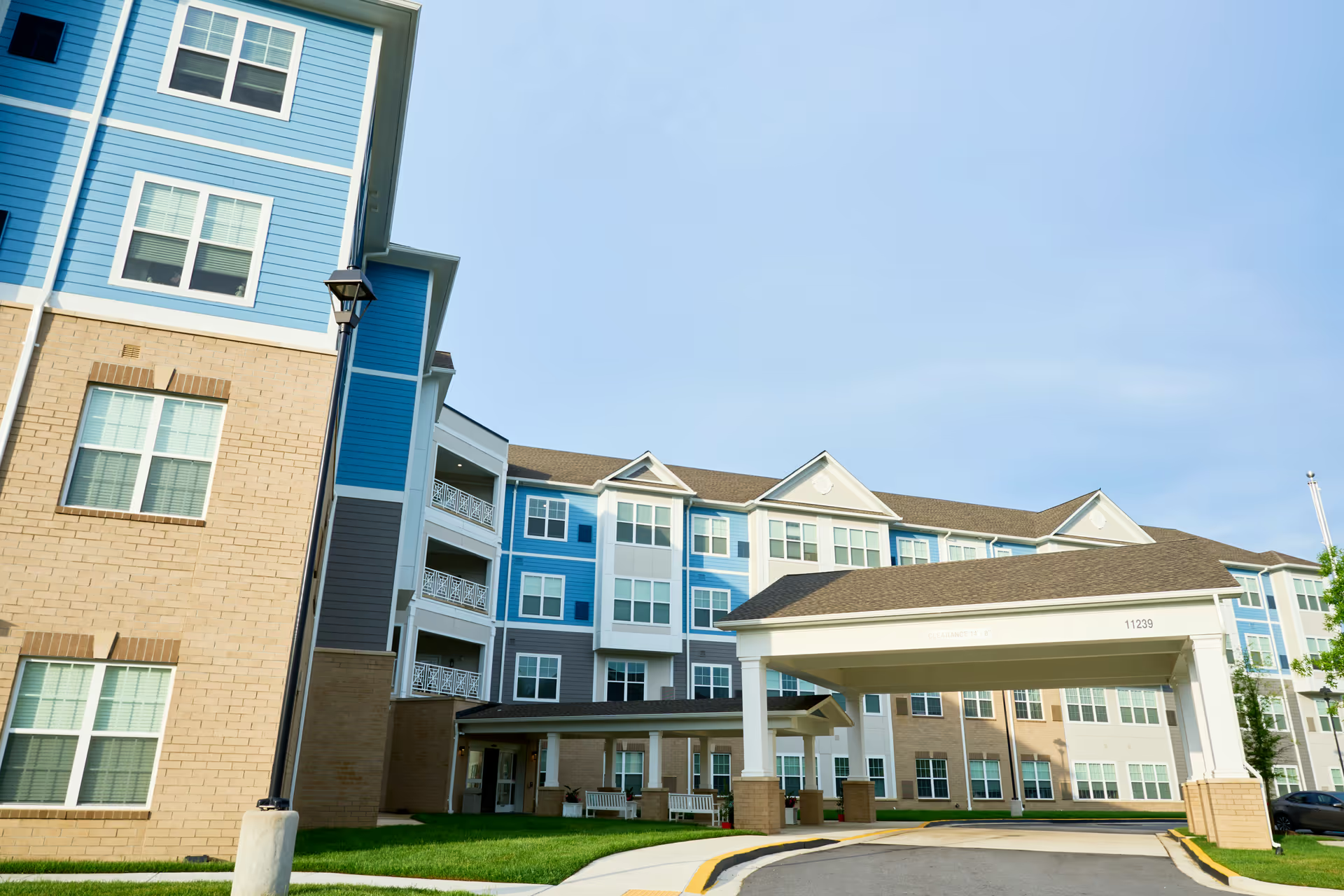
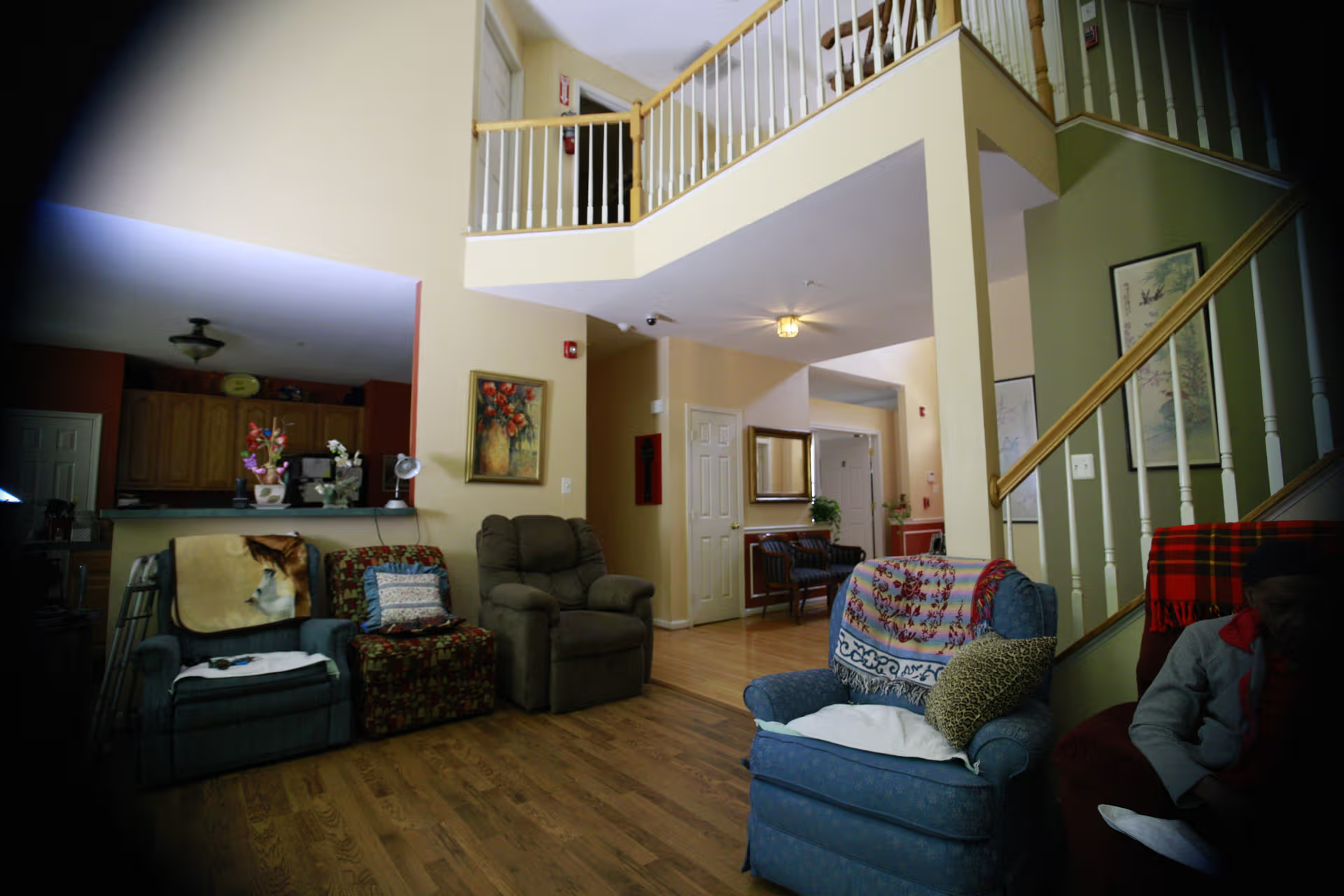
A small but significant subset of reviews describes alleged serious clinical incidents and end-of-life care concerns; these accounts contrast sharply with the many positive caregiving reports and suggest that quality may be inconsistent across units, shifts, or specific care teams. The physical plant is another theme: the building is described as older and in need of upgrades, with remarks about overcrowded room configurations and occasional odor or smell issues. Finally, several reviewers raised questions about billing, accountability, and the facility’s value relative to cost.
For prospective residents and families, the pattern suggests strong potential benefits from the facility’s caregiving culture, activity programming, and some administrative staff, alongside tangible operational risks that merit direct inquiry. When evaluating this center, visitors may wish to observe cleanliness in key areas, ask about staffing ratios and emergency-response protocols, review clinical oversight practices for pressure- and wound-prevention, confirm room options and privacy, and discuss billing/accountability processes to help gauge consistency of care and alignment with family expectations.