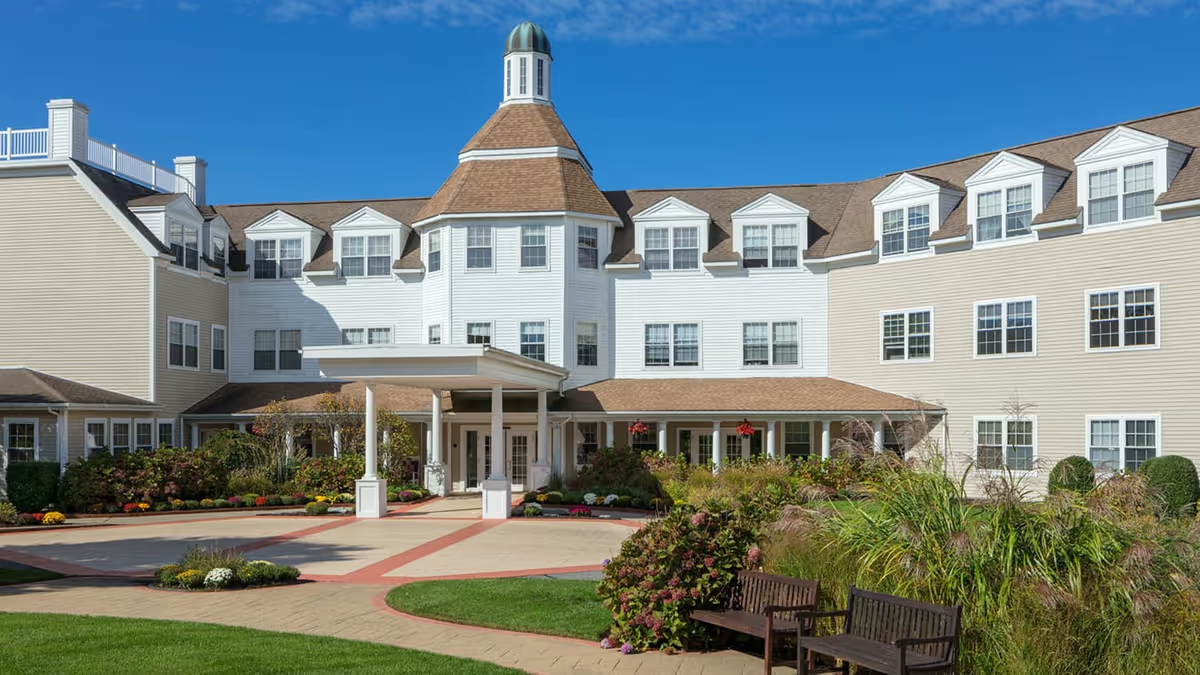
The reviews present a mixed picture of Brandon Woods of Dartmouth. Strengths cited include committed frontline caregivers (notably CNAs and some medical aides), an active therapy program, and a well-run activities and dining program. Housekeeping and facilities upkeep receive positive comment: common areas, halls and resident rooms were described as clean and the interior as attractive. On-site medical and therapy resources, including a named occupational therapist, are seen as assets for rehabilitation and daily care by several families.
At the same time, multiple reviews identify operational and clinical concerns. Staffing levels and workforce capacity are recurring themes; reviewers describe staff as overextended, which they link to reduced time for direct resident care. Several accounts point to delays and inconsistencies in medication administration and to gaps in clinical communication—particularly around changes in condition and coordination with hospitals. There are also critiques of nursing oversight and variability in clinical competence, which reviewers connect to adverse outcomes in individual cases. A small number of reviewers explicitly raised concerns following a resident's death and questioned the facility's incident response and family communication in that context.
Family-facing services show a division between strong and weak areas. Dining and activities are consistently noted as positive: multiple activity types (bingo, musicians, movies) and varied meal choices drew praise. Admissions and care-planning processes are a reported weak point; reviewers described promises about rehabilitation and advocacy that were not fulfilled, indicating possible gaps in expectations-setting and follow-through. Room-assignment practices and roommate placement also surfaced as an operational vulnerability.
Taken together, the pattern suggests that Brandon Woods of Dartmouth offers several meaningful strengths—engaging programming, clean facilities, visible therapy resources, and many compassionate support staff—but that those strengths may be offset by systemic issues in staffing, medication management, nursing oversight, and care-transition communication. Prospective residents and families should observe staffing levels and shift coverage during a visit, ask for detailed medication-administration and incident-communication protocols, confirm rehabilitation commitments in writing, and review roommate-placement policies and hospital-transfer coordination before making decisions.