Overall impression The aggregate of reviews presents a facility with clear strengths in hands-on care, rehabilitation and engagement, balanced by operational inconsistencies in a few areas. Many families highlight compassionate caregiving, attentive CNAs and skilled nursing staff, and they commonly report successful therapy outcomes that enabled return to assisted living or home. The facility regularly receives praise for its coordinated transitions, personalized care planning and family-facing communication when those processes work well.
Care quality and therapy Clinical care and therapy stand out as core strengths. Physical and occupational therapy teams are frequently described as effective, organized, and outcome-oriented, with examples of measurable mobility improvement. Nursing staff are often characterized as competent and caring, and reviewers note thorough rehab schedules and good interdisciplinary coordination. However, there are reports indicating variability: some stays lacked expected therapy availability or did not meet family expectations. Separately, a subset of comments points to gaps in medication-management and safety-protocol adherence (for example, alarm and medication-room practices), which families and prospective residents should discuss directly with facility leadership.
Staff and management Staff culture is a central theme. Numerous accounts praise long-tenured caregivers, supportive social work, and responsive administrators who provide clear updates and advocate for residents. These elements contribute to family confidence and perceived continuity of care. Conversely, other comments describe intermittent unprofessional conduct, delayed responsiveness, and indications of a strained internal work environment; these suggest variability in staff performance and occasional leadership challenges. Prospective families may want to ask about leadership stability, staff turnover, and formal complaint or incident-investigation procedures during their tour.
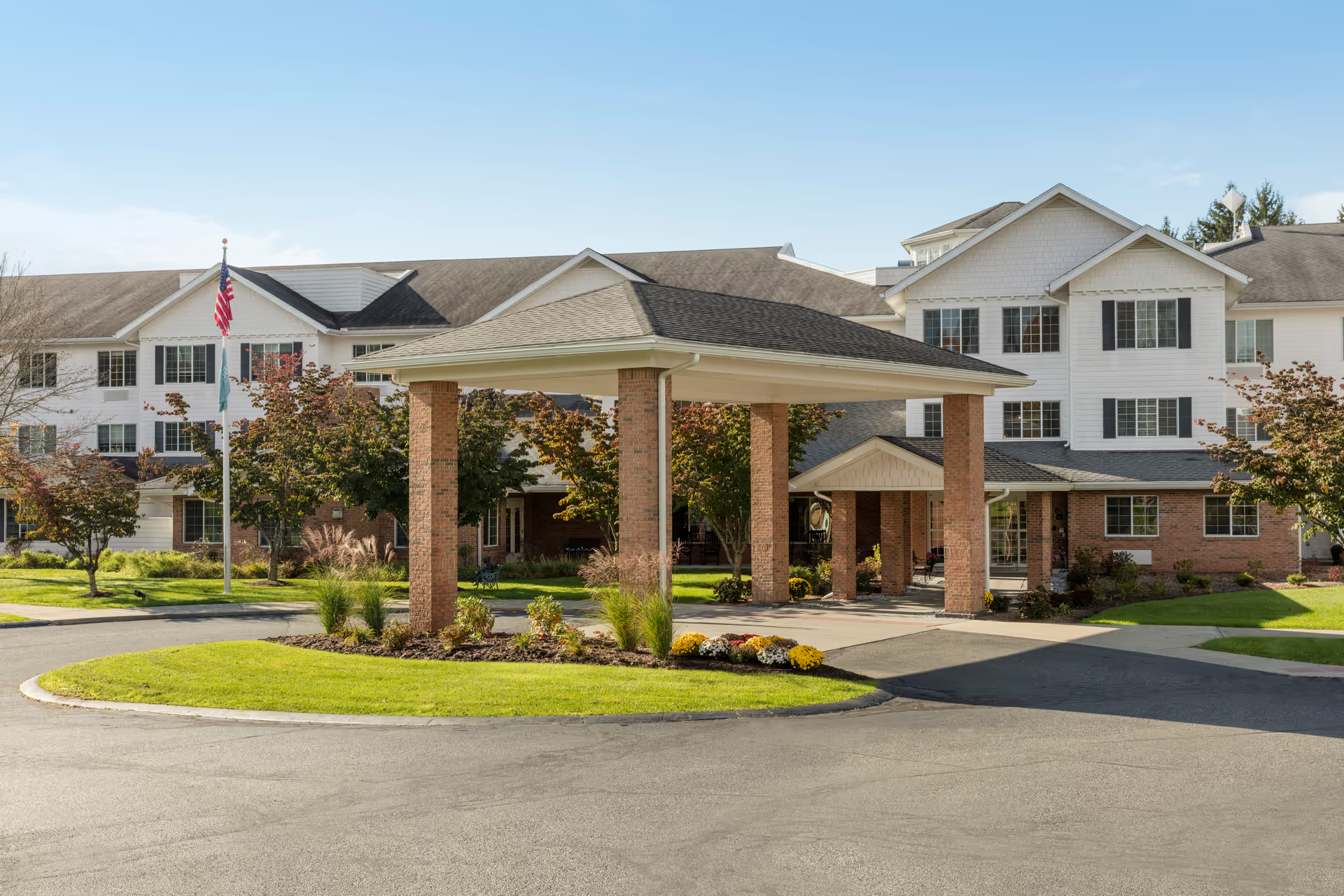
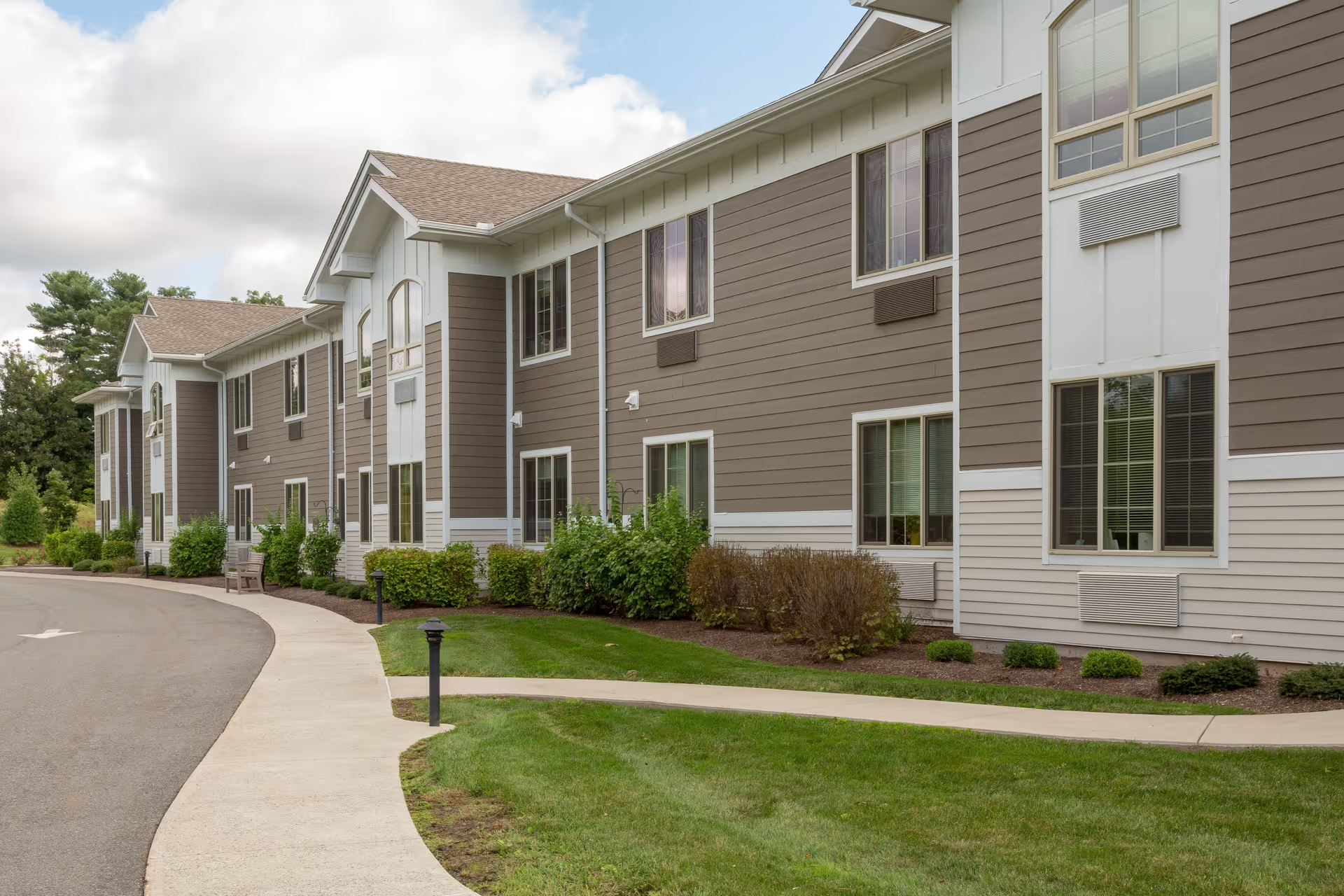
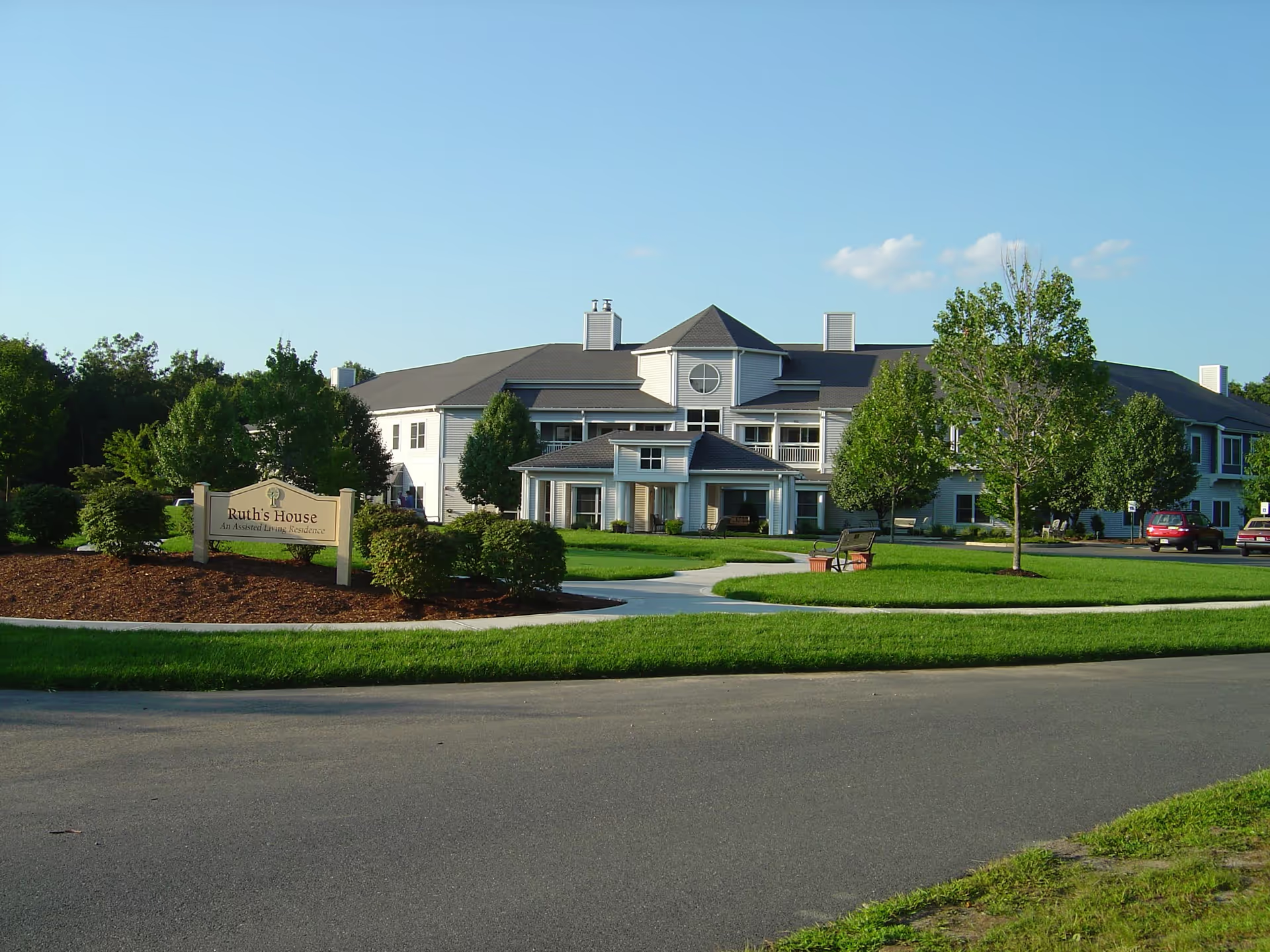
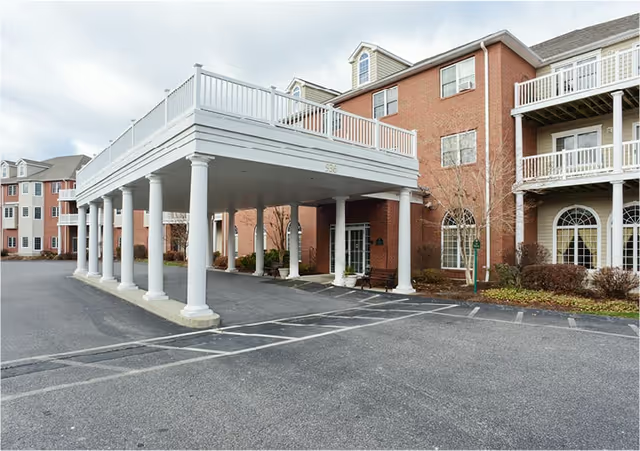
Dining, housekeeping and facilities Housekeeping and laundry are consistently reported as well handled, and many reviewers describe common areas as clean and orderly. Dining feedback is mixed: some families commend nutritional support and meal service, while others report cold food, limited menu variety and a desire for hotter, more varied meals. The facility’s physical plant is described positively in parts, but several comments note dated finishes or areas that appear older; there are also mentions of limited in-room amenities and privacy features that could affect comfort or convenience.
Activities and resident quality of life Programs to engage residents are a clear positive. The activities team is repeatedly noted for creative programming (Reminiscence groups, music, animal visits, evening events) and for keeping residents socially active and engaged. Dementia-focused programming and an environment described as nurturing and safe are particular strengths for residents with cognitive impairment.
Notable patterns and guidance for families The dominant pattern is good-to-very-good person-centered care and strong rehabilitation capability, paired with episodic operational weaknesses. When evaluating the facility, families should verify current meal planning and sample dining, inquire about therapy schedules and staffing ratios, and ask how medication safety and alarm protocols are audited. Also clarify billing timelines and administrative communication practices. These targeted questions can help determine whether the facility’s strengths align with a prospective resident’s clinical needs and expectations.