The reviews present a strongly polarized view of Richfield A Villa Center. A substantial portion of families and patients praise the staff: nurses, nurse managers, therapists, and front-desk clinicians receive repeated commendation for compassion, professionalism, and hands-on support. The rehabilitation program—physical, occupational, and speech therapy—is frequently described as effective and goal-directed, with measurable progress and organized discharge planning. Housekeeping and laundry services are often noted as reliable, and community-building activities (including pet-friendly events and cookouts) contribute to a welcoming social environment for many residents.
At the same time, a consistent cluster of operational concerns emerges. Multiple reviews point to inconsistent responsiveness to resident calls and requests, slow or missed interventions, and variable staff attentiveness. Cleanliness and sanitation issues, including localized odor concerns and pest-control problems, are mentioned alongside instances where personal-care schedules (bathing, continence support) and meal service were not consistently maintained. Dining quality appears uneven: some families praised accommodations and meals, while others documented cold, unpalatable, or potentially unsafe food deliveries.
Clinical and safety-related themes recur across the feedback. There are accounts indicating medication-administration and access gaps (including cost-related denials and inadequate pain control), instances of pressure-injury and infection concerns, and reports of transfers to higher-level care following clinical deterioration. Security and property-safekeeping are flagged by allegations of theft, which suggests a need for clearer controls and auditing. Several reviewers also raised issues with staffing levels and staff qualifications, which connect to many of the responsiveness and care-quality concerns.
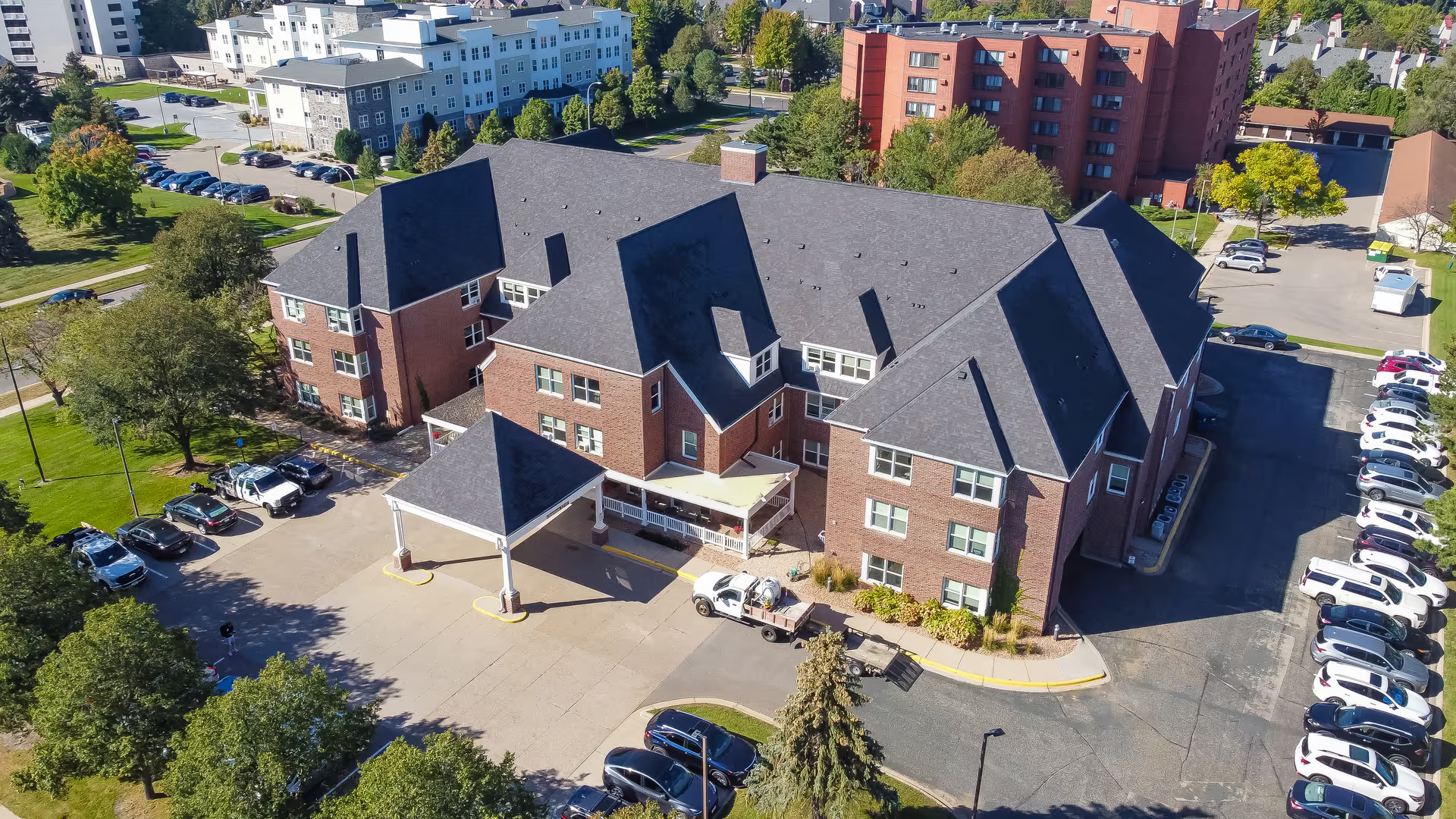
Management and facility-condition impressions are mixed. Some families describe attentive, accessible leadership and well-coordinated clinical teams; others report poor communication, slow complaint resolution, billing disputes, and a perception that cosmetic renovations were prioritized over resident needs. Parts of the building were described as updated and well-maintained, while other areas were characterized as outdated or only superficially renovated.
Overall, the facility demonstrates clear strengths in person-centered caregiving and rehabilitation services, supported by engaged therapy teams and some strong nursing leadership. However, the pattern of inconsistent responsiveness, sanitation and meal-quality issues, medication-access problems, and security concerns suggests variability in operational reliability across units or shifts. Prospective residents and families should verify current staffing ratios, medication and pain‑management protocols, incident-response procedures, pest-control measures, and recent inspection or licensing outcomes during tours and before admission to ensure the facility’s practices align with their expectations and needs.