Overview: Reviews for Center for Behavioral Health Maryland Heights present a mixed picture. Several families and former patients describe strong clinical improvements and positive interactions with individual staff members—especially social workers and certain nurses—while other accounts raise operational and safety-related concerns. The facility’s physical appearance and some aspects of clinical care are praised, but persistent issues around staffing, communication, and programming create variable resident experiences.
Care quality: Clinical outcomes appear uneven. Some patients experienced measurable psychiatric improvement and proactive medication adjustments, which reviewers attribute to engaged clinicians and social-work support. Conversely, there are consistent concerns about the facility’s ability to meet the needs of people with dementia; reviewers describe care-model mismatches and inconsistent dementia-specific practices. Additional concerns focus on timeliness of clinical response and general responsiveness to resident needs.
Staff: Staff behavior and competence are described in both positive and negative terms. Multiple reviews highlight compassionate, attentive staff and strong case-management from the social-work team. At the same time, operational weaknesses — including high turnover, staffing shortages, delayed provider access, and poor internal communication — are frequently cited. There are also serious allegations relating to clinical supervision and licensing verification that families identified as problematic; these point to the need for clearer oversight and personnel controls.
Dining and daily living: Food-service quality is a recurring area of dissatisfaction, with several accounts describing inconsistent or poor dining experiences. Reviewers also report limitations in basic daily programming and concerns about timeliness of assistance for activities of daily living. Sanitation and incontinence-care are not consistently raised with explicit detail in every account, but some reviewers flagged general hygiene and care-attention issues.
Activities and therapies: A notable pattern is limited therapeutic and social programming for residents. Multiple comments reference lack of organized activities, minimal patient engagement, and few structured therapy opportunities. For people who rely on activity-based stimulation or structured rehabilitation, this appears to be a shortcoming.
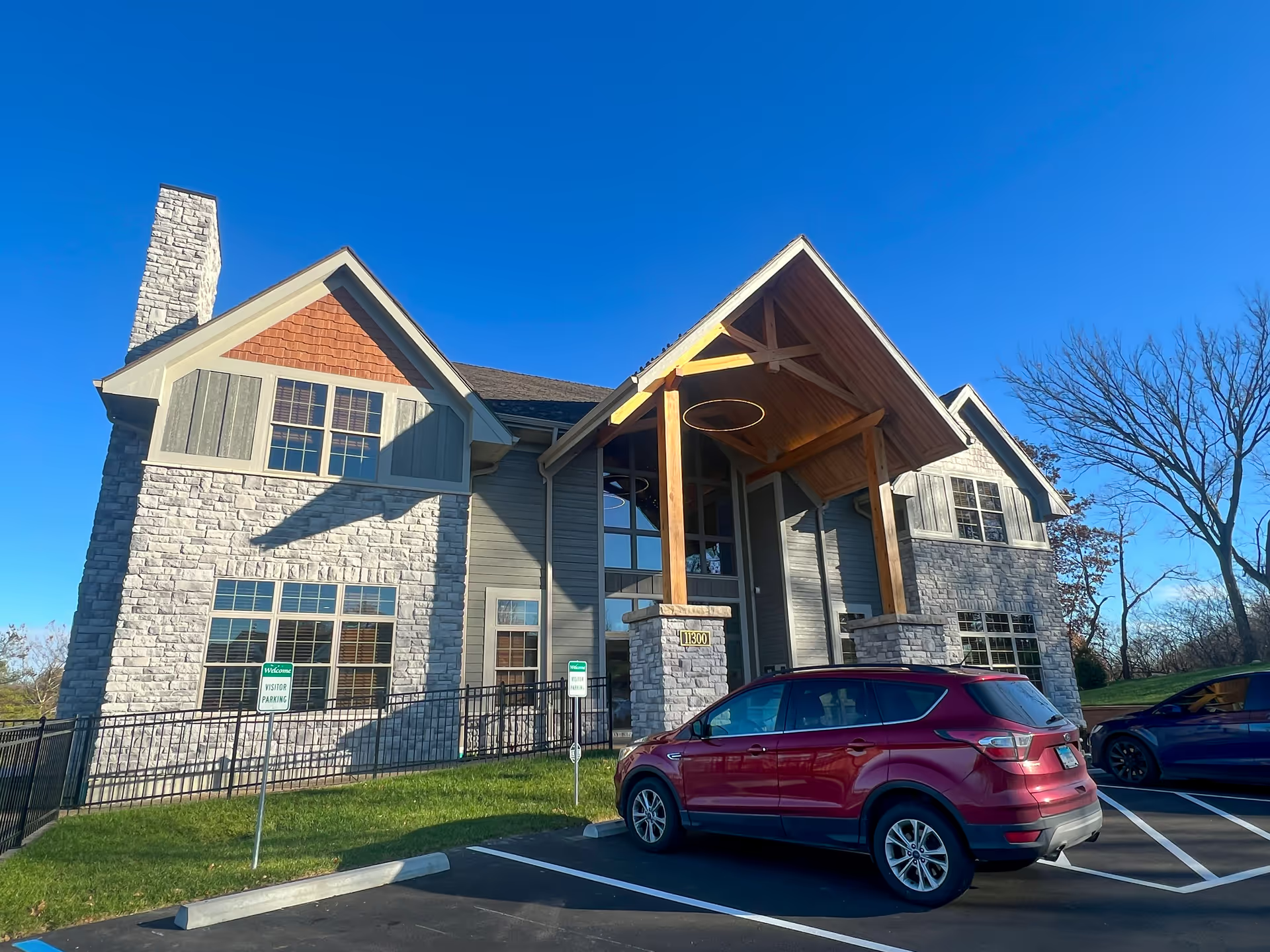
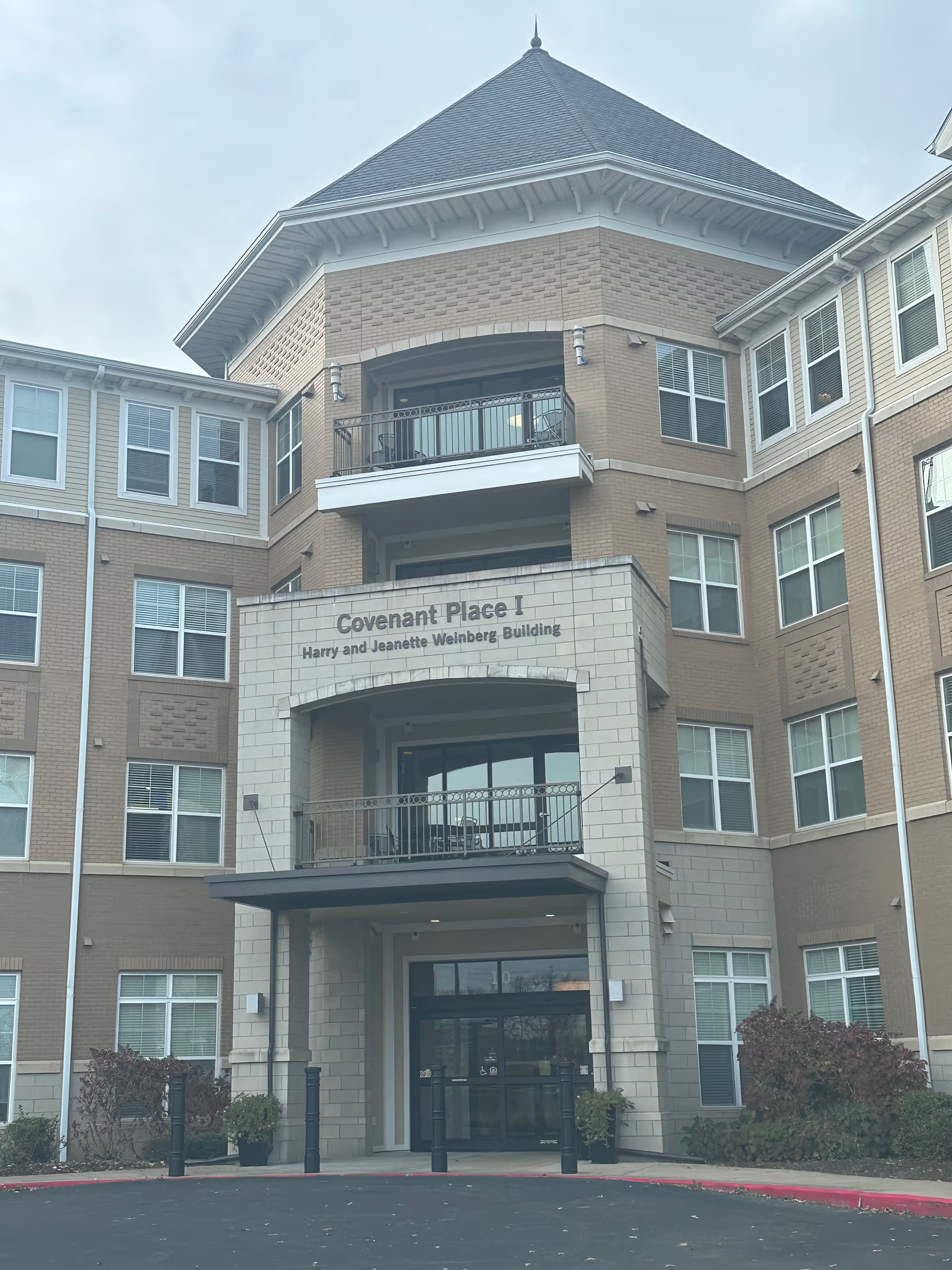
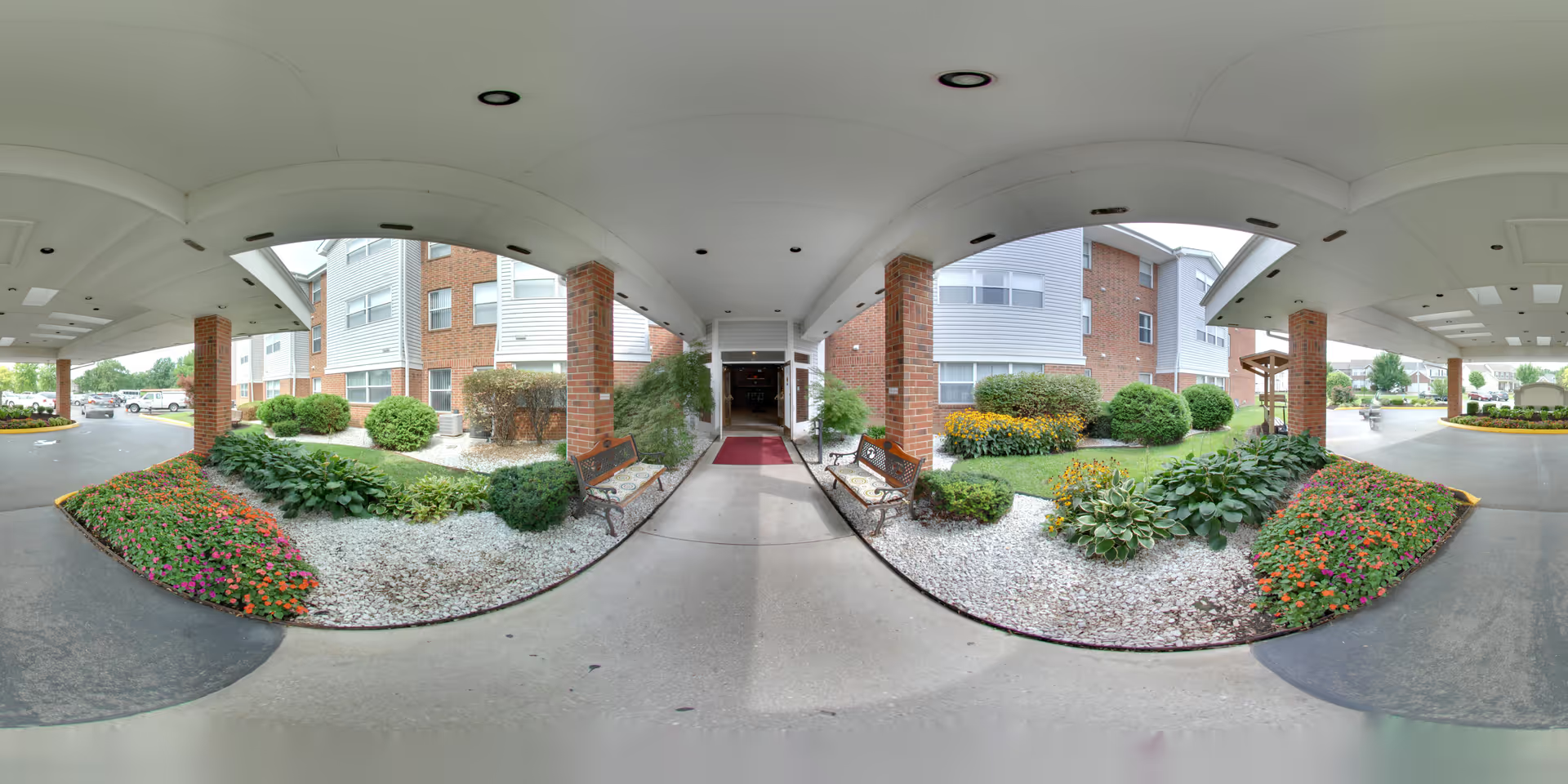
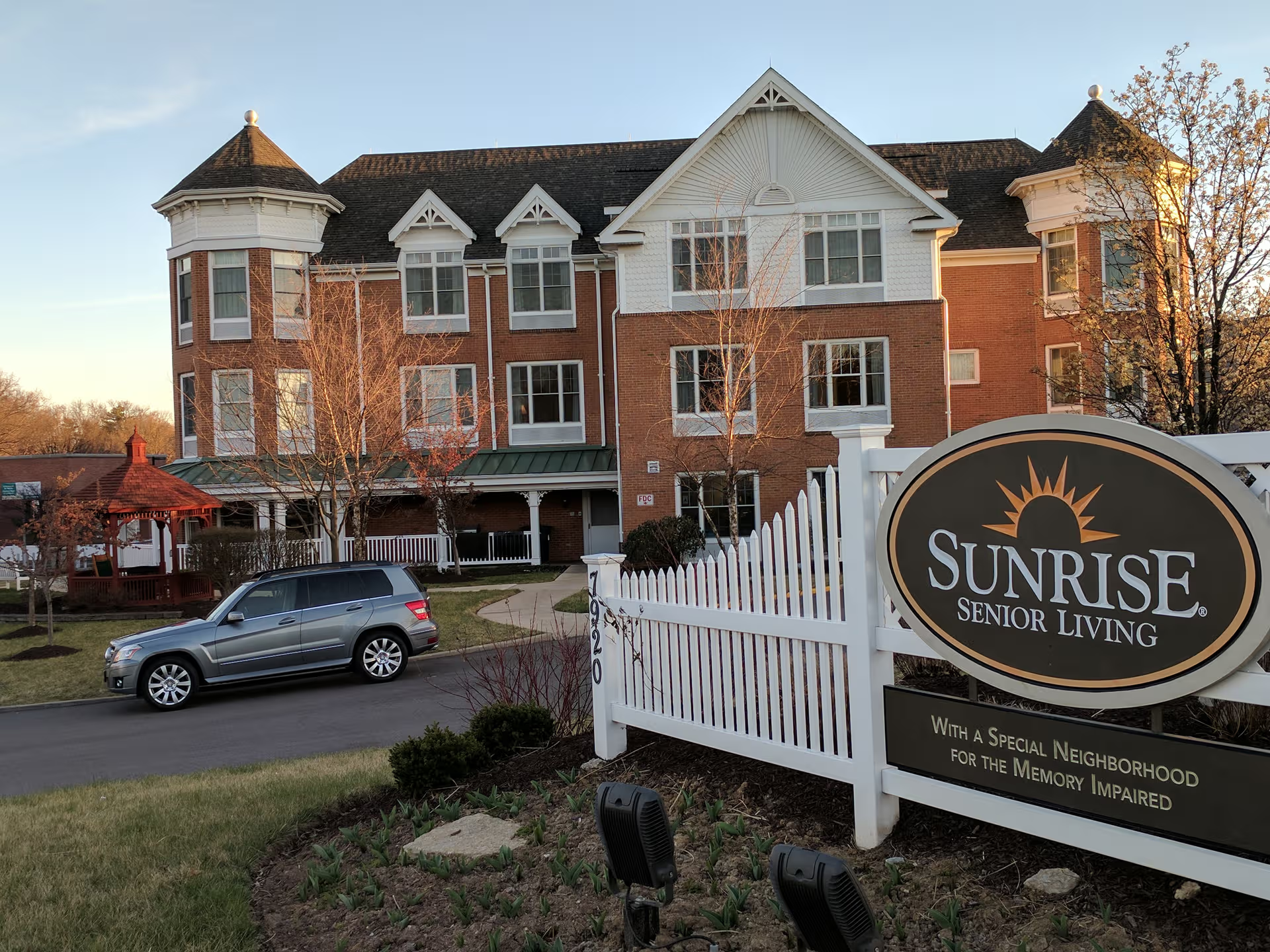
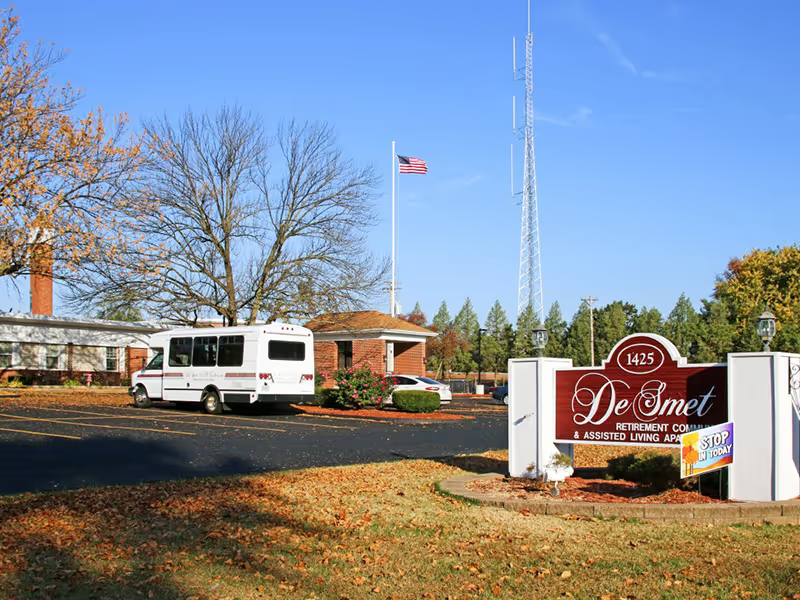
Facilities and environment: The facility’s exterior and many common areas are described as attractive and well maintained. However, operational practice issues affect the lived environment: reviewers described mixed-acuity placement (residents with different care needs sharing rooms) and periods of isolation for some residents, which can increase stress and reduce appropriate peer-level grouping.
Management and communication: Communication and discharge planning represent consistent operational gaps. Families report unclear or delayed discharge timing, limited involvement in care planning in some cases, and inconsistent responsiveness from administrative staff. Visiting-hour restrictions are noted as rigid by several reviewers, which may impede family involvement. There are also pricing and value-transparency concerns that prospective families should discuss directly with admissions staff.
Notable patterns and guidance: The strongest positives center on individual staff members—particularly social workers—and on successful clinical outcomes for some patients. The most significant concerns are systemic: staffing instability, weak dementia-care programming, limited activities and therapy, uneven dining quality, and gaps in clinical oversight and family communication. Prospective families should verify current staffing levels, dementia-care protocols, licensing and supervision practices, visiting policies, activity schedules, and discharge-planning procedures during a tour and prior to admission. For patients with primary psychiatric needs who benefit from active medication management and strong social-work support, the center may offer effective care; for residents whose primary needs are dementia-specific, the facility’s variable dementia programming warrants careful evaluation.