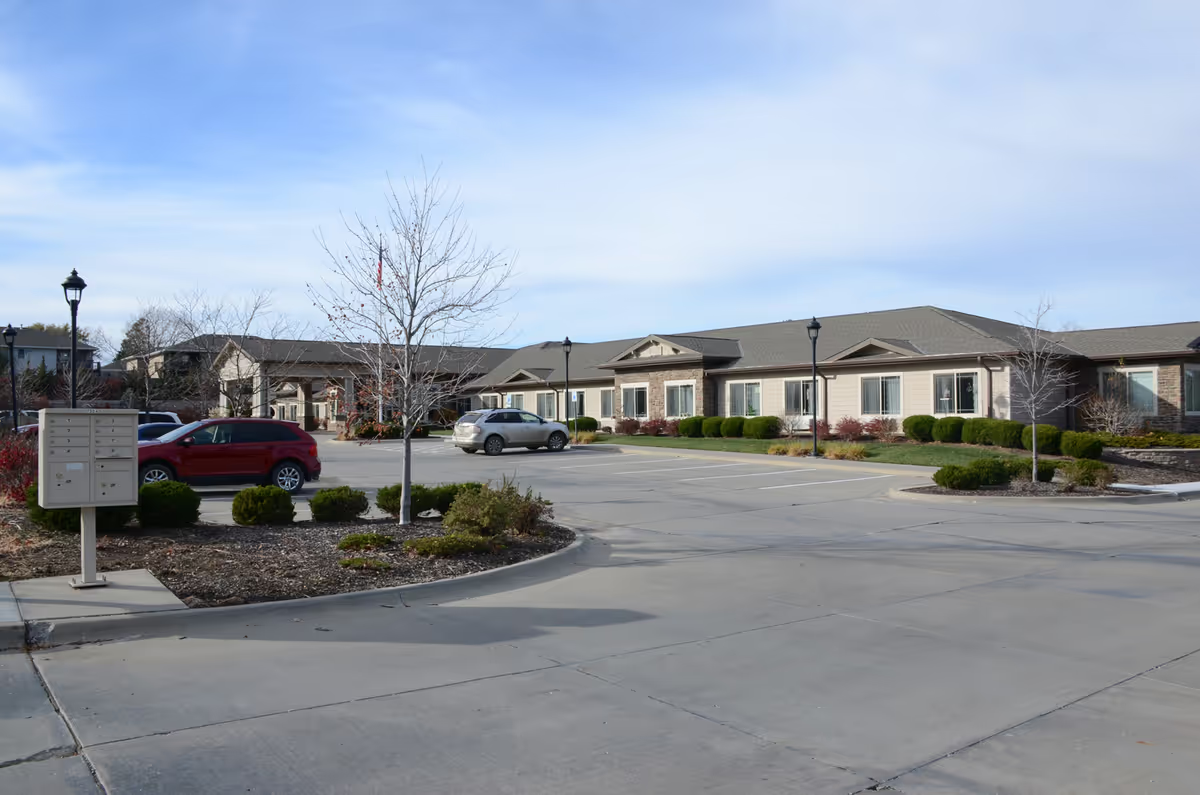
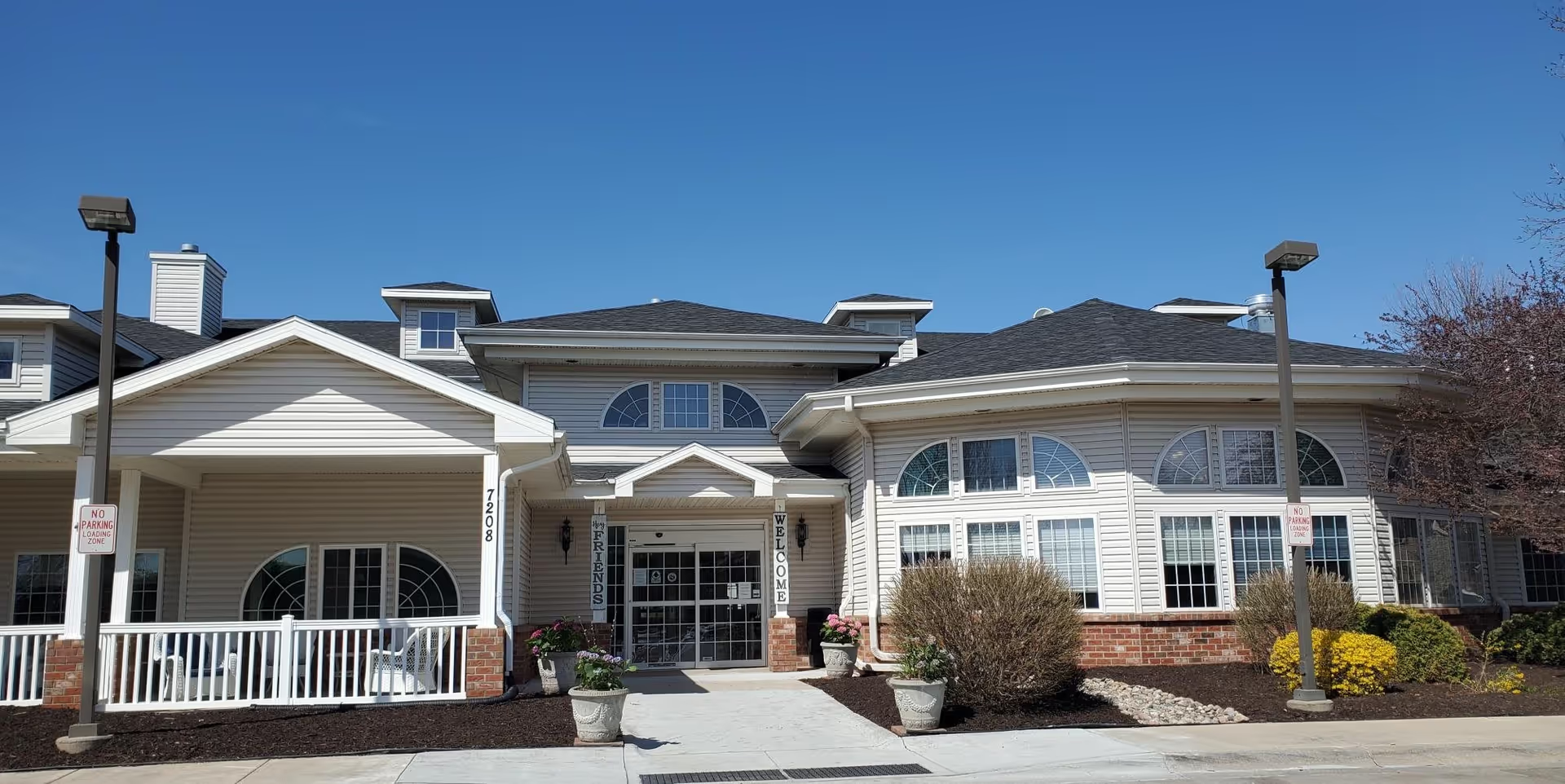
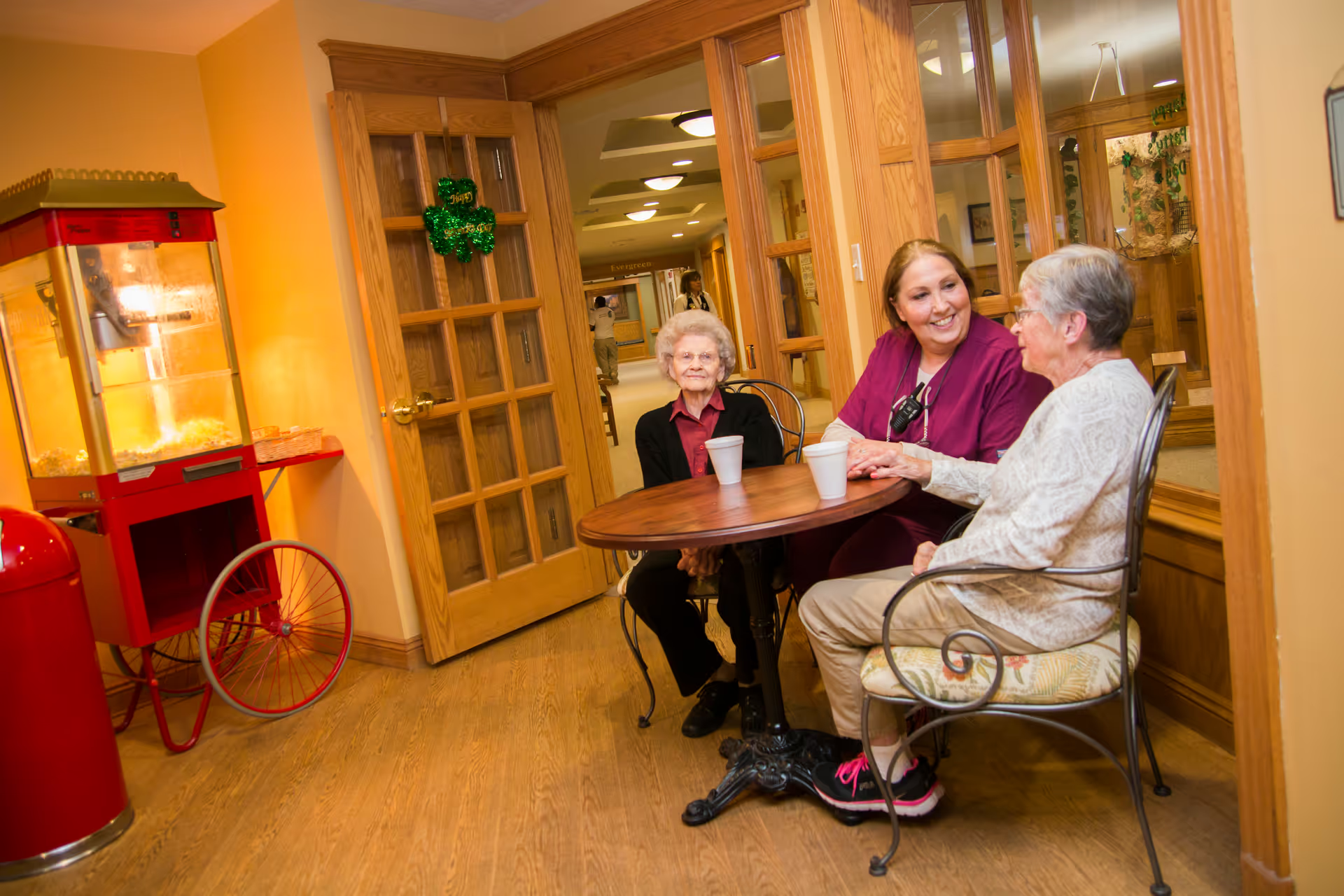
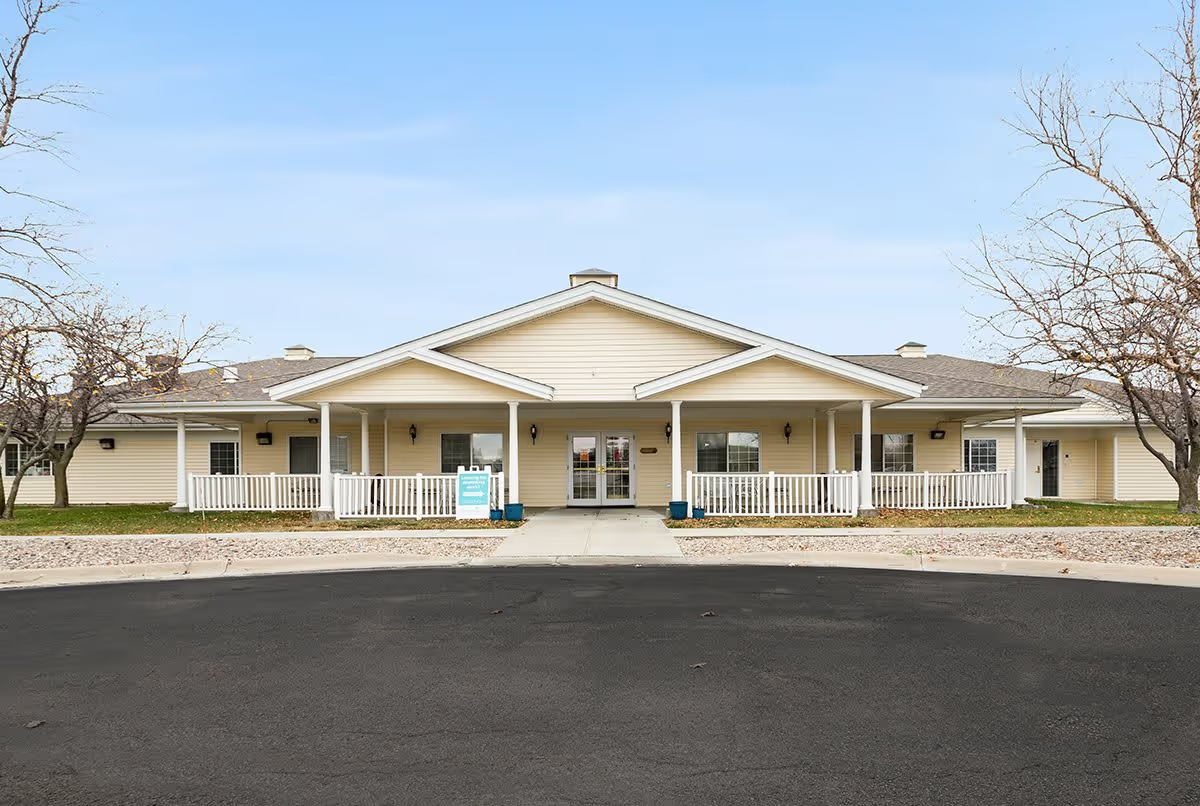
The reviews present a mixed but distinct pattern: many families and visitors describe strong clinical rehabilitation services, a comfortable physical environment, and an active daily program, while other accounts raise operational and management concerns that affect perceived reliability and safety. The facility is repeatedly praised for its therapy offerings — in-house PT/OT, daily rehab sessions for short-stay patients, and specialized programs such as LSVT for Parkinson’s — and several reviewers credited the therapy staff and transitional planning with successful returns home. Caregiving staff are frequently described as caring, attentive, and respectful, and the facility’s common areas, remodeled rooms, and on-site amenities (salon, exercise room, therapy room) contribute to a home-like atmosphere.
Dining and activities are another strong area for many reviewers: cooked-to-order meals, holiday-themed events, daily activity newsletters, Bible study groups, and small dining rooms with snack availability are commonly mentioned as positive contributors to resident quality of life. Families noted active social programming and visible efforts to keep residents engaged. At the same time, there is a clear discrepancy in dining experience: while many praise the food, isolated but significant concerns about meal sanitation and inconsistent food quality also appear in the record and warrant verification during a tour.
Operational weaknesses recur across reviews and describe facility-level patterns rather than single incidents. Staffing reliability and professionalism are unevenly described: several accounts cite staffing shortages, inconsistent attentiveness, and use of personal devices during shifts that some families felt affected care. There are also examples suggesting delays in clinical responsiveness and wound/dressing-change follow-up, and at least some reviewers indicated therapy schedules were not always delivered as expected. Management and family communication receive mixed marks — some families praised discharge planning and a helpful social worker, while others described difficulty getting timely responses, perceived favoritism, and limited transparency around placement or discharge decisions.
Taken together, these reviews suggest Southlake Village provides strong clinical rehabilitation capacity and a pleasant living environment for many residents, particularly those focused on short-term rehab goals. However, variability in day-to-day staffing, meal-consistency, clinical responsiveness, and management communication are recurring themes that prospective residents and families should assess directly. Recommended inquiries for touring families include staffing ratios and shift coverage, wound- and dressing-change protocols, meal-service and food-safety procedures, expectations for therapy scheduling, and clarity about discharge and case-management processes. This mixed pattern is especially important to consider when choosing between short-term rehab and long-term assisted-living placement.