The reviews present a mixed but informative picture of Preferred Care at Hamilton. Many families and residents praise the facility for its approachable caregiving staff, clean renovated rooms, and a well-equipped therapy area; these strengths are coupled with a convenient location and on-site parking. At the same time, a subset of experiences raises substantive operational concerns that prospective residents and their families should evaluate further with the facility and through regulatory records.
Care and staff: Positive comments emphasize attentive, friendly caregivers and staff who take pride in their work; several reviewers highlighted prompt responses to calls and staff who create a comfortable atmosphere for residents. Conversely, other accounts point to inconsistent responsiveness, particularly across different halls and shifts. Those accounts describe delays in attending to resident needs and instances where night-shift supervision did not meet family expectations. Taken together, the pattern suggests reasonably strong caregiving in many situations but variable performance depending on staffing and timing.
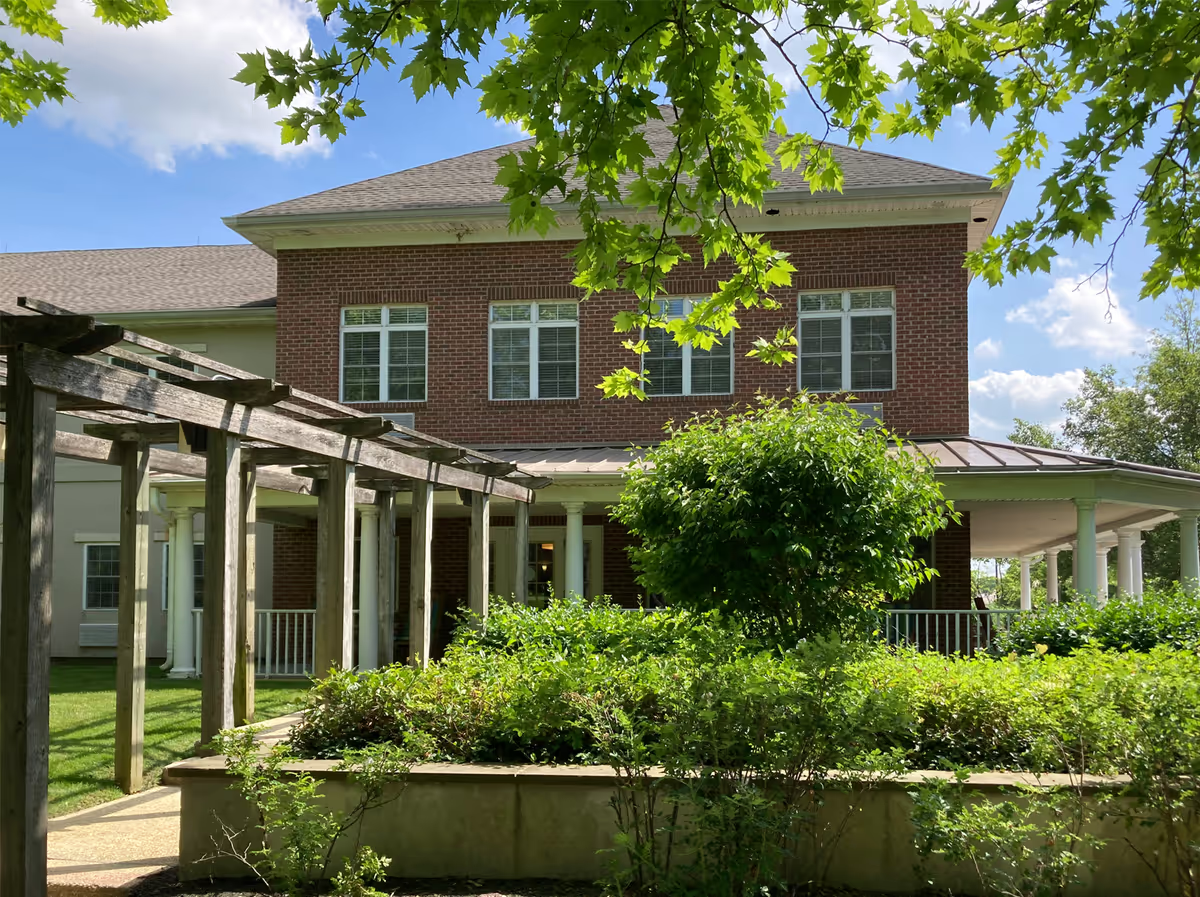
Dining and programming: Dining receives generally average marks. Some residents find the food acceptable, while others cite inconsistent temperature control and occasional dissatisfaction with menu options. The activity program is a relative strength: organized offerings such as bingo and movie nights, along with therapy-led programs and access to a functional gym, are appreciated. Several reviewers did request more outdoor activities and green space; the facility appears limited to a small courtyard without developed gardens.
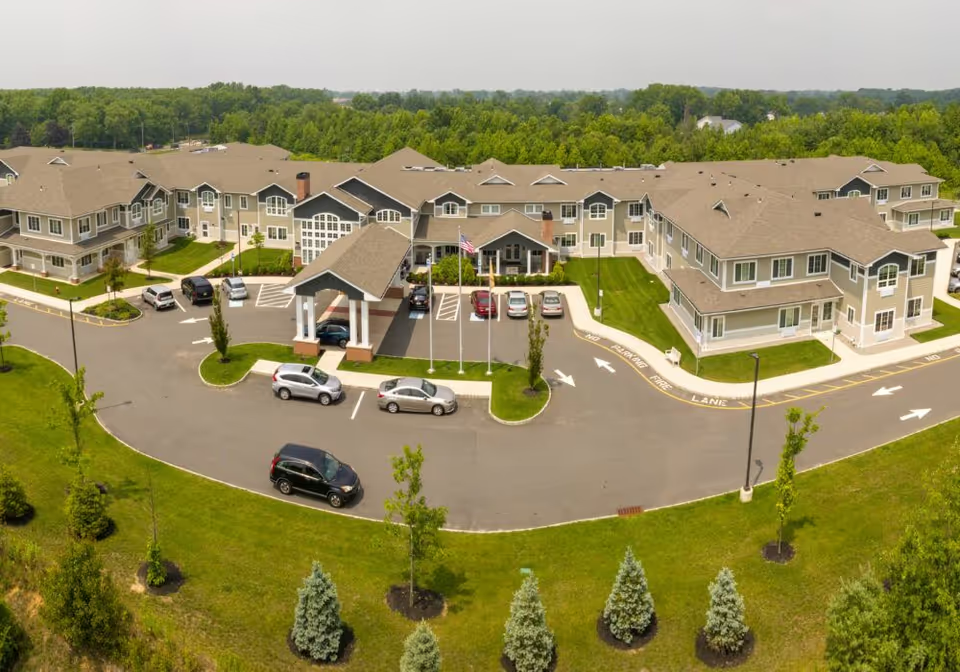
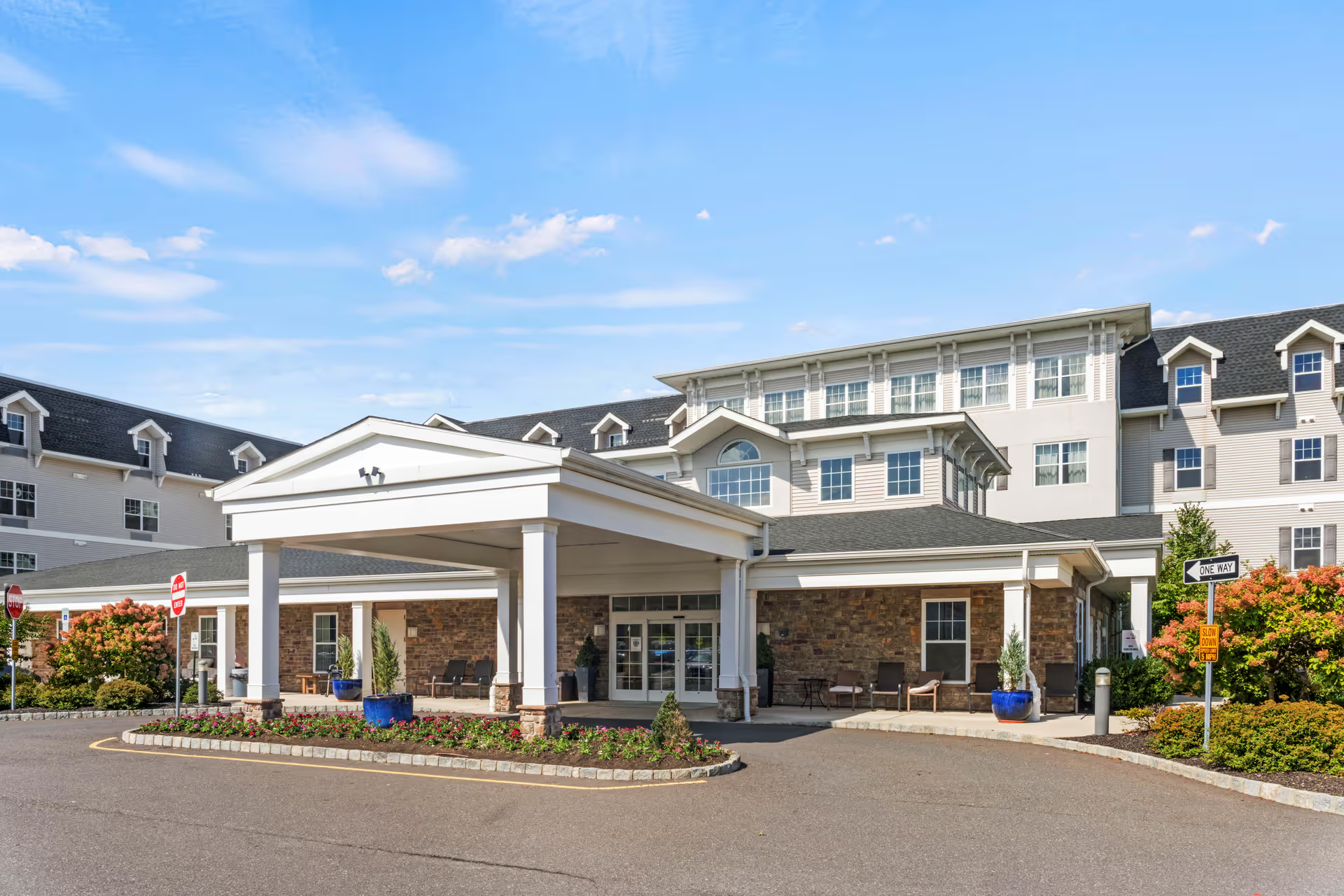
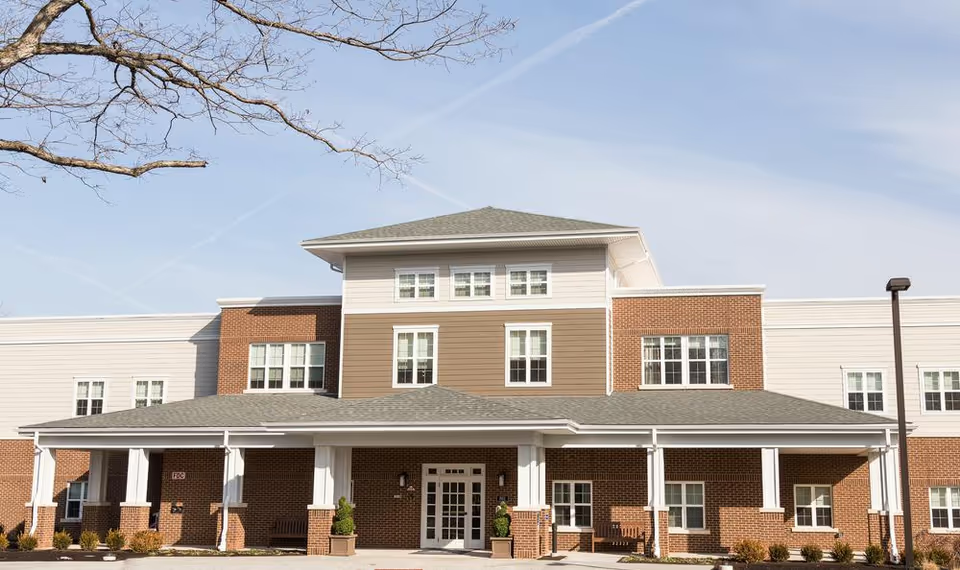
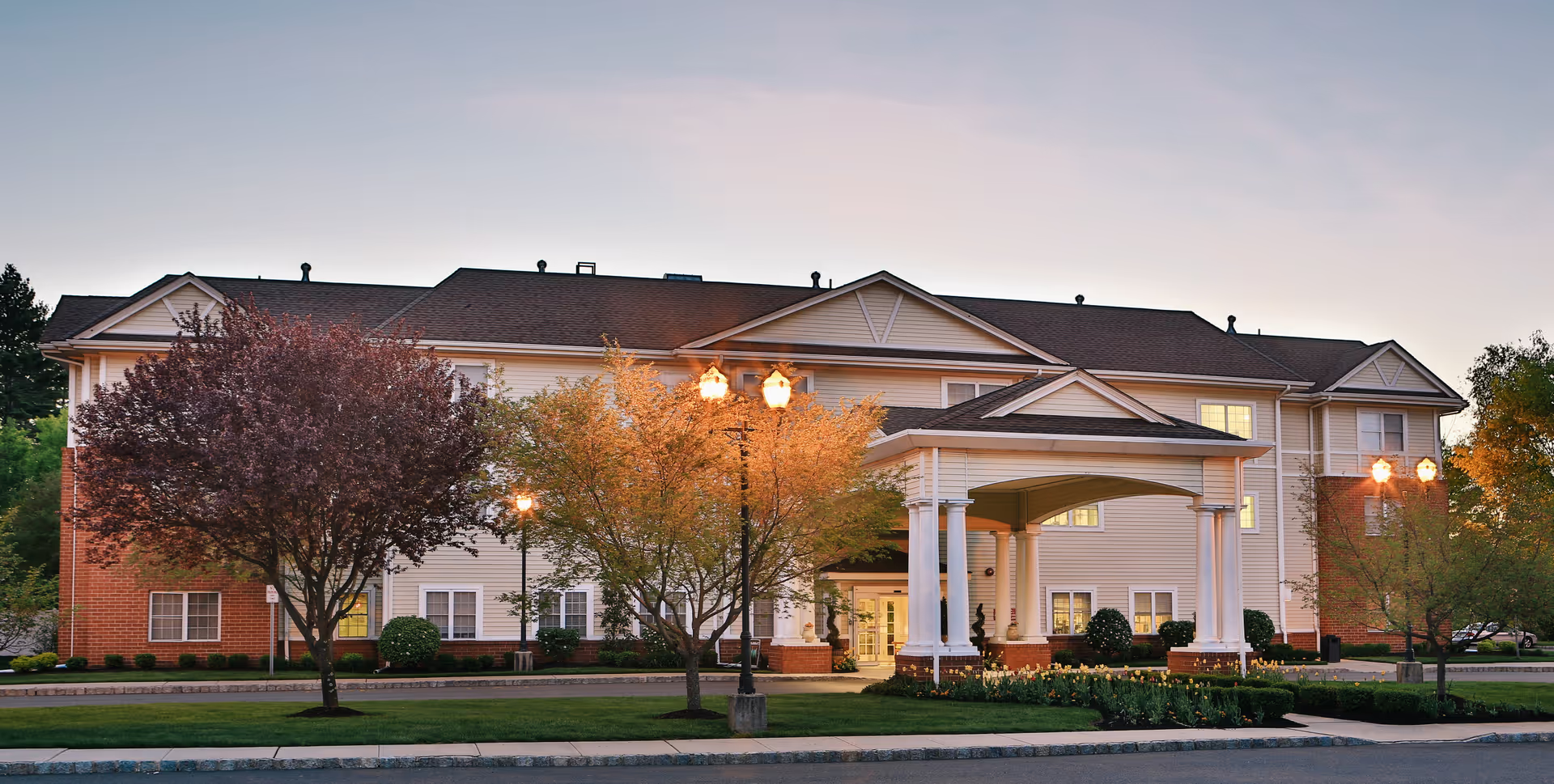
Facilities and amenities: Physical spaces are frequently described as clean and recently remodeled, with well-maintained resident rooms and an effective physical-therapy room. Parking and location are convenient for visitors. The outdoor footprint is limited, which constrains gardening and extended outdoor programming options. Overall maintenance and cleanliness are generally favorable in the feedback.
Management and notable patterns: Administrative and office staff are often described as helpful, but reviewers also identify gaps in communication between staff and families, especially after clinical incidents or when care expectations are unclear. Several accounts point to uneven care quality across units and shifts and to lapses in clinical-incident response that raise safety concerns; these suggest the need for clearer escalation protocols and improved night-shift oversight. Prospective families should consider asking the facility about staffing ratios by shift, recent incident-response procedures, dining temperature controls, and opportunities for outdoor programming. Reviewing state inspection history and speaking directly with current residents and families can help clarify whether the strengths or the operational inconsistencies are most representative of day-to-day experience.