Ashbrook Care & Rehabilitation Center presents a mixed but instructive profile for prospective residents and families. Strengths most consistently cited include compassionate nursing, strong rehabilitation and therapy services, and an activities program that engages many residents. Multiple accounts praise specific clinical staff, social-work support, and front‑desk personnel for clear communication and helpfulness. The facility’s grounds and certain interior spaces are well maintained, and many families note clean, comfortable rooms with daily housekeeping and attentive measures such as staff remembering resident preferences.
Clinical care and therapy are clear assets: nursing staff and therapists receive frequent positive comments for hands‑on care, encouragement in rehab, and effective coordination of therapy goals. That said, there is notable variability in caregiving at the aide level. Reviewers describe inconsistent delivery of routine personal care (bathing, clothing changes, bed/linen changes) and delays in attending to resident needs. Reviewers also raised incontinence‑care concerns and described isolated safety and monitoring issues; there are even allegations of missing personal items and instances that prompted family-level concern about resident safety. Medication timing and response to clinical issues have been described as occasionally delayed.
Staffing and communication patterns are mixed. Many families experience proactive, informative communication from nursing leadership and social workers, while others report difficulty reaching the nurses’ station, slow call‑bell responses, and less responsiveness on night shifts. Staffing instability—including use of temporary personnel and frequent shift changes—appears to contribute to uneven care continuity and occasional lapses in service quality.
Dining and nutrition show broad inconsistency. Some reviewers praise hot, well‑presented meals and generous portions; many others describe meals that are cold, repetitive, undercooked, or not tailored to individual or cultural dietary preferences (several accounts mentioned limited options for specific ethnic diets and vegetarian requests). Pureed meal practices and portion/timing variability were noted as concerns. Families frequently advise clarifying menu accommodations and meal‑service reliability prior to admission.
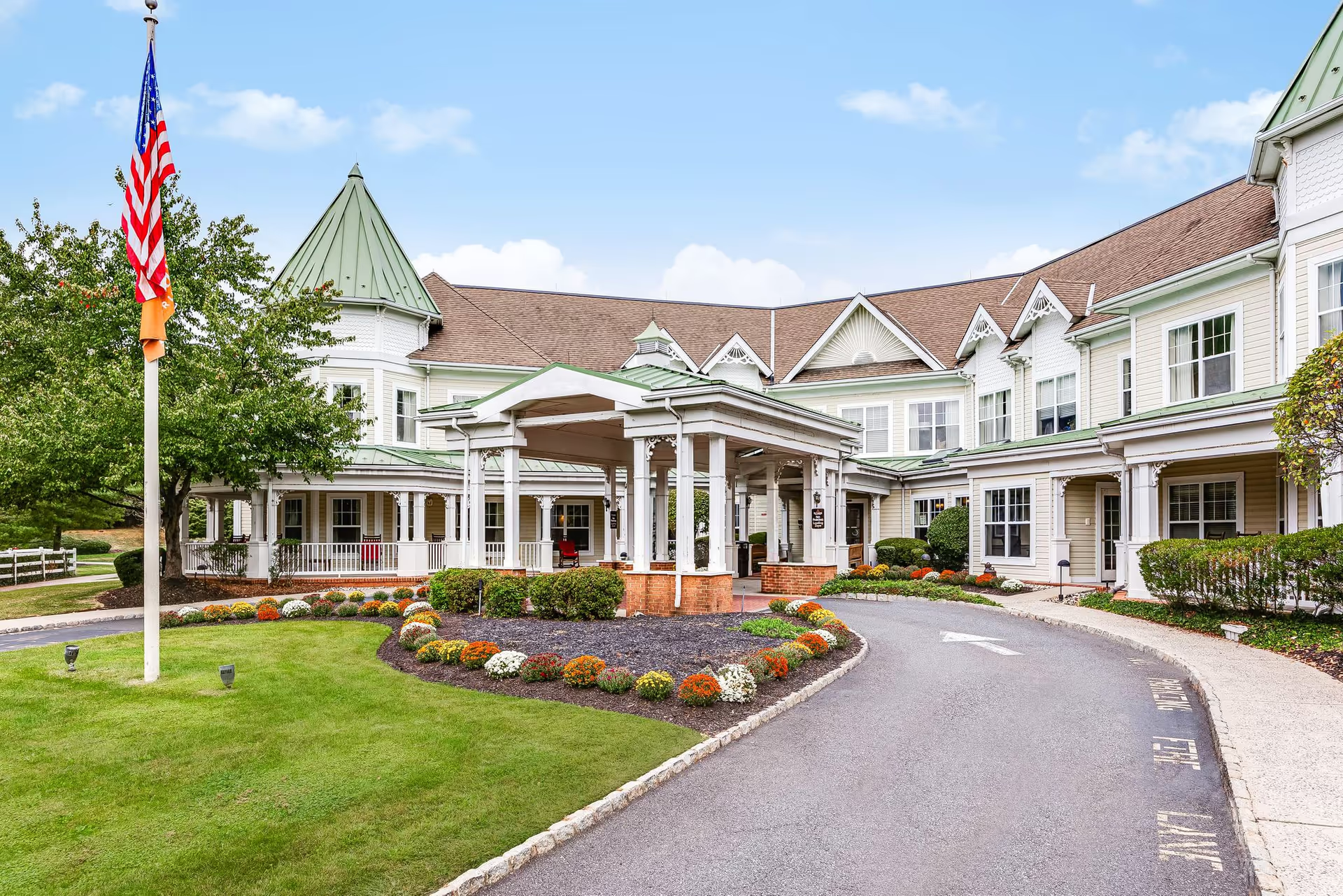
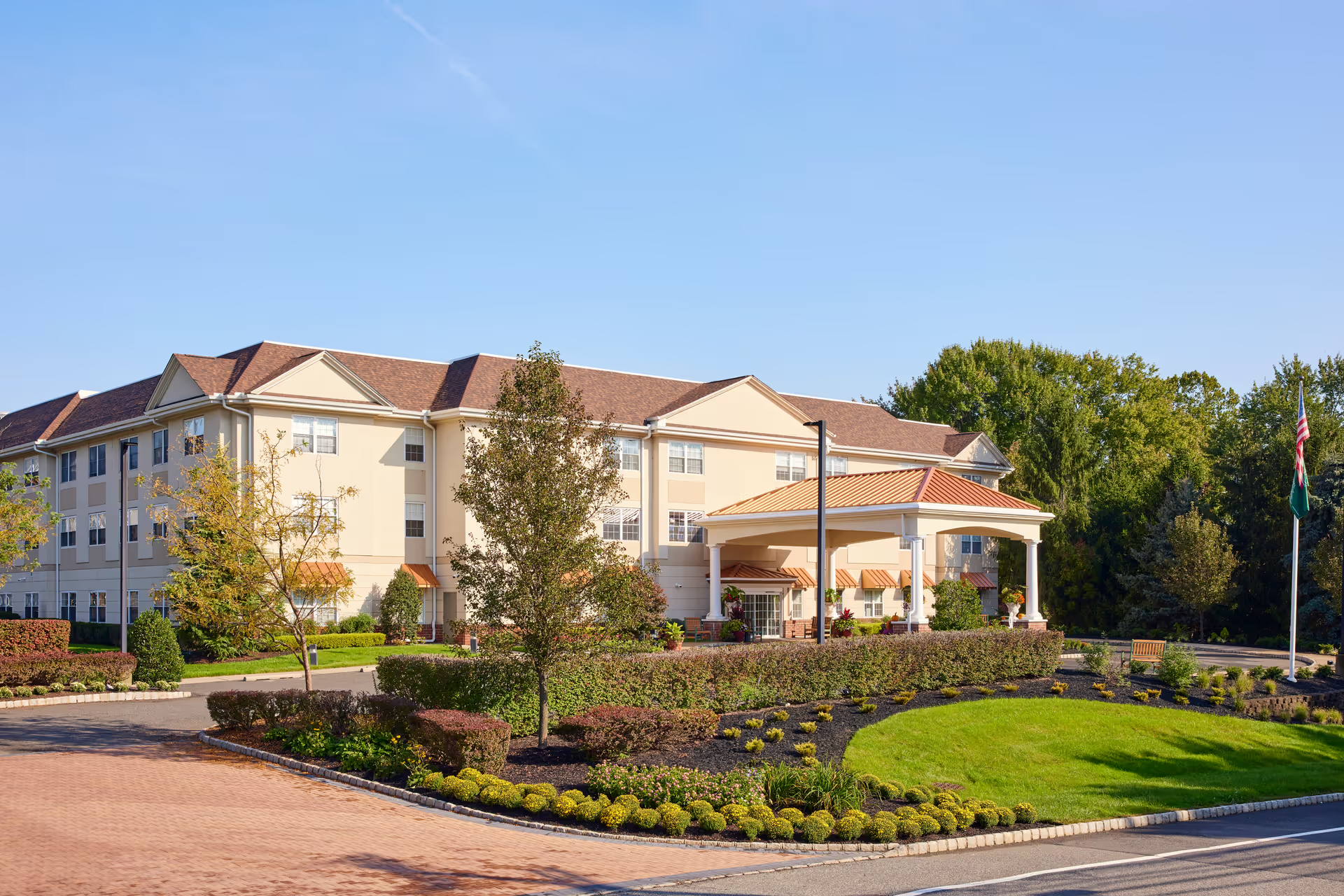
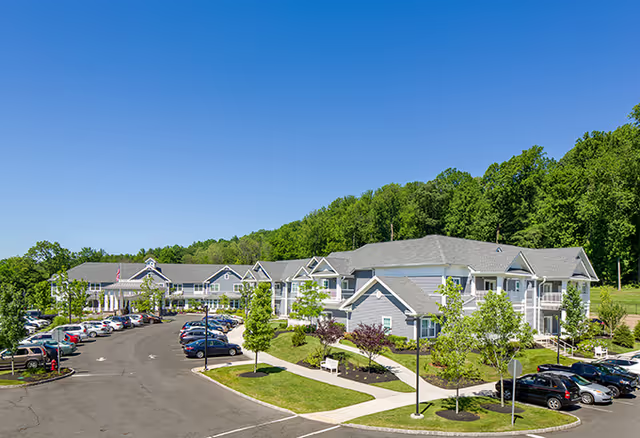
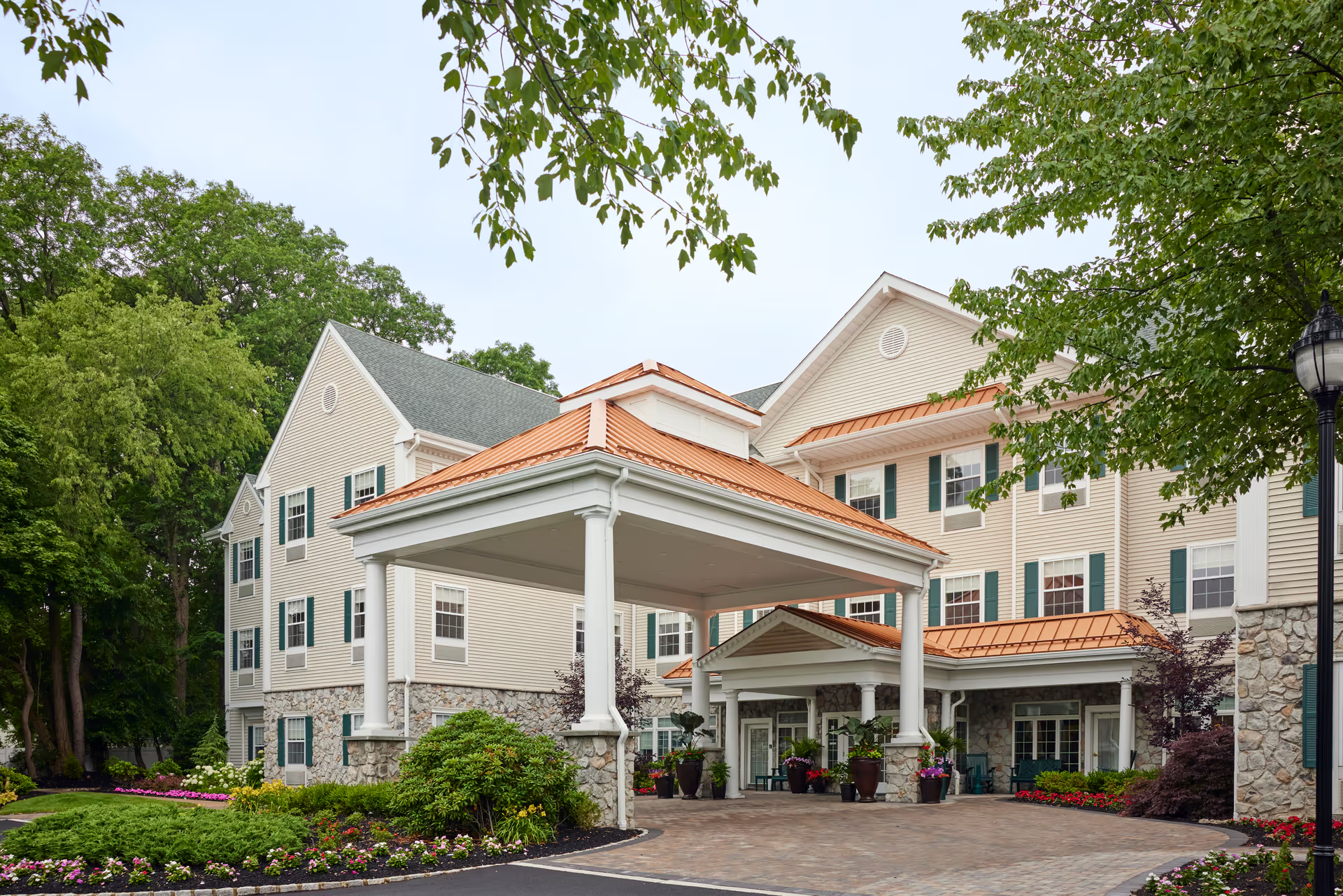
The built environment at Ashbrook is a recurrent theme. The facility is often described as clean in resident rooms and some communal areas, and renovations are actively underway in parts of the center. Nevertheless, the building is generally characterized as dated: worn hallways and finishes, older bathrooms with accessibility limitations, and intermittent odor concerns in common spaces. Renovation efforts have improved appearance in some areas but also contribute to intermittent disruption. Exterior features such as landscaping and parking are seen more positively.
Management and administrative performance receive both praise and critique. Several families commend the admissions process, case‑management help with Medicaid paperwork, and managerial responsiveness. Conversely, others describe rigid billing practices, limited willingness to negotiate rates, and occasional lapses in follow‑up. Operationally, recurring patterns emerge: reliable nursing and therapy services coexist with inconsistencies in aide performance, meal service, housekeeping detail in some areas, and facility aging.
Practical guidance for families considering Ashbrook: confirm current staffing levels and night‑shift responsiveness, ask for specifics about how dietary and cultural meal needs are accommodated, review therapy scheduling and expected frequency, inquire about the facility’s personal‑property procedures, and tour recently renovated versus older areas to assess accessibility and finishes. Overall, Ashbrook is often chosen for its clinical and rehabilitative strengths and its compassionate nursing teams, but it requires careful inquiry on operational details—particularly staffing consistency, meal service, and physical accessibility—before placement decisions are made.