Overall impression: Ditmas Park Care Center receives substantial praise for its rehabilitative services, nursing attention, and facility amenities. Many accounts emphasize effective, patient-centered physical and occupational therapy supported by modern equipment and a well-equipped dialysis center. Families frequently describe timely discharge planning, successful transitions home, and strong social-work involvement that contributes to individualized care plans. The facility's environment—clean, bright, and increasingly modern due to ongoing expansion—also draws positive comment, as do dining offerings, guest trays, and active recreation programs.
Care quality and clinical observations: Rehabilitation is the facility's most consistent strength: therapists are commonly described as patient, motivating, and effective at helping residents regain mobility and function. Nursing staff are often characterized as attentive and compassionate, and reviewers note thorough therapy-led progress toward goals. At the same time, a pattern of operational concerns emerges around clinical processes: medication-timing inconsistencies, occasional lapses in wound and incontinence care, and examples of delayed response or limited availability during some shifts. These issues point to variability in day-to-day clinical execution rather than a uniform standard of care.
Operations, staffing, and management: Administrative accessibility and responsiveness are highlighted in many accounts—staff make daily rounds, management often addresses concerns promptly, and the administrator and certain social-work staff receive specific commendation. Conversely, persistent staffing instability (including CNA reassignment and short staffing) appears to affect continuity of care and resident comfort. Families also describe long waits after offsite appointments and inefficiencies with escorts; this suggests opportunities for improved appointment coordination. There are mixed perceptions about leadership priorities, with some expressing a concern that financial considerations can at times appear to influence decisions.
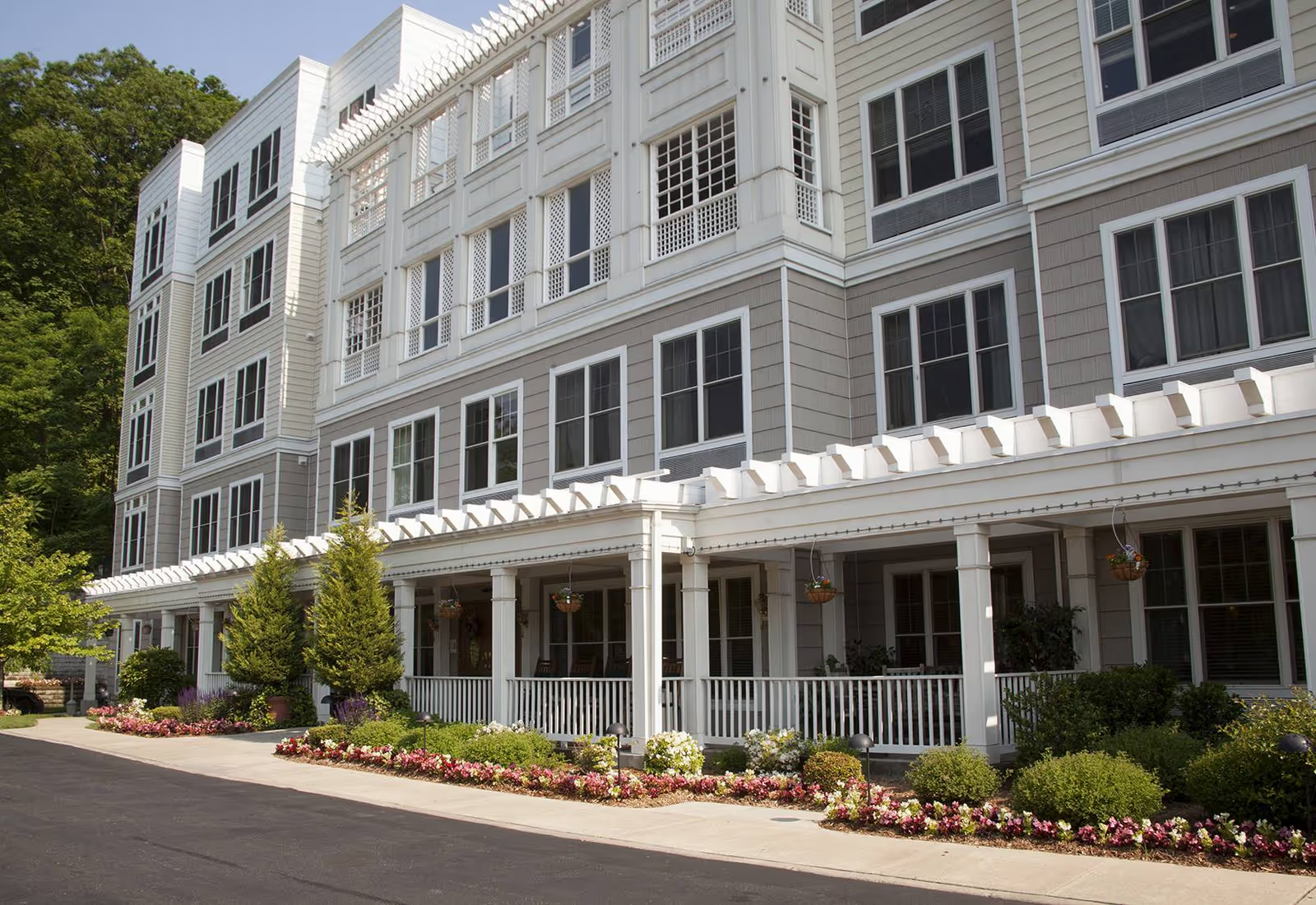
Facilities, dining, and activities: The physical plant is described as clean, thoughtfully designed, and increasingly modern as renovations progress; rooms are frequently described as spacious and sunny. Dining is generally viewed positively, with acceptable meals and options for guest trays. Recreational programming, arts, and social activities are well-represented and contribute to a lively atmosphere for residents. A noted strength is the facility's virtual visitation capability, which many families used successfully during restricted in-person access.
Notable patterns and guidance for families: Prospective residents and families will find a strong rehabilitation focus, supportive therapy staff, and active administrative engagement. At the same time, there are consistent operational themes to probe before placement: staffing stability and continuity of direct-care assignments, medication-administration protocols and timing safeguards, procedures for wound and incontinence care, escort and appointment logistics, and infection-control practices. Asking the facility for current staffing ratios, recent inspection results, medication-administration audits, and examples of how they handle escort coordination and shift coverage will help clarify whether the operational gaps described have been addressed.