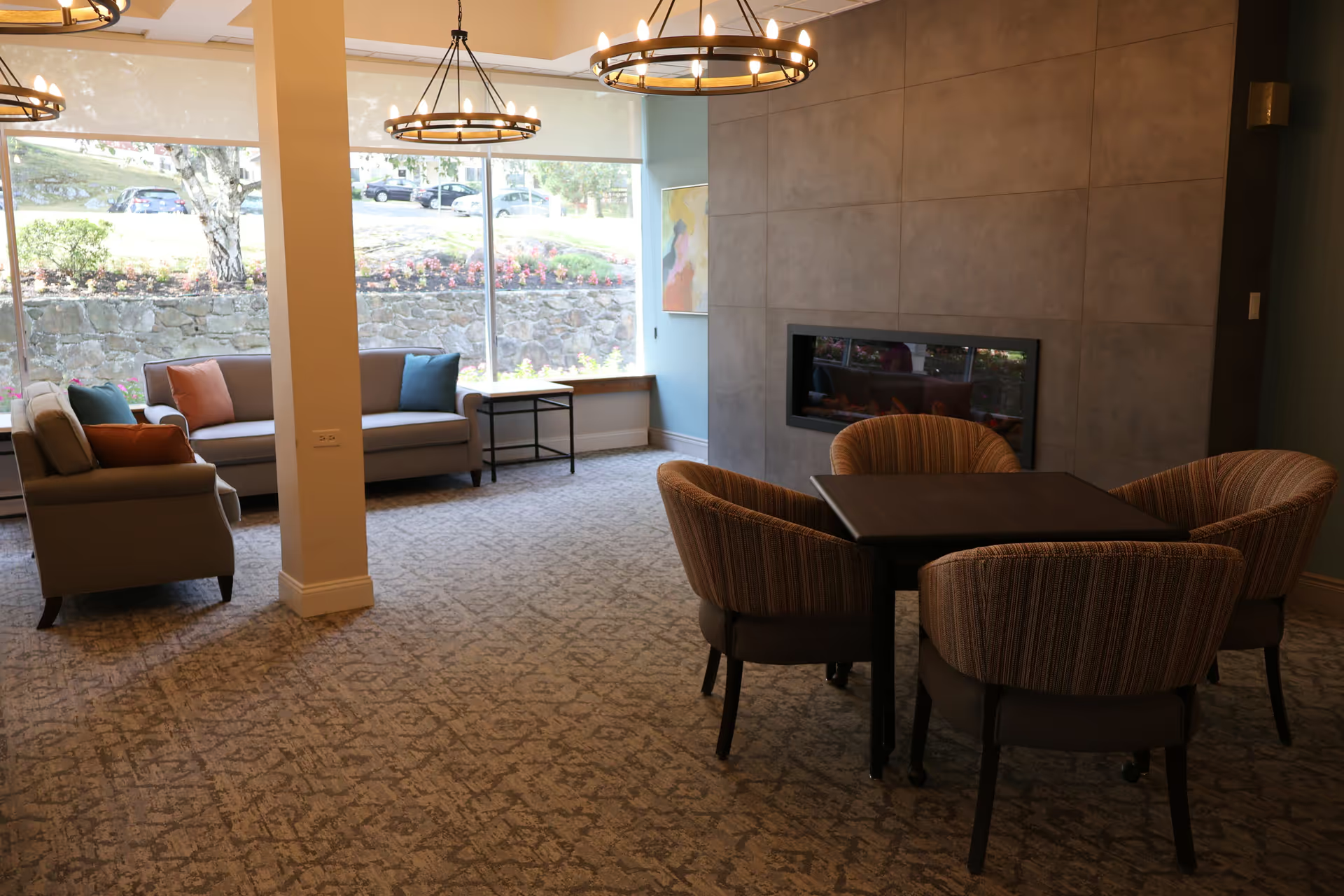
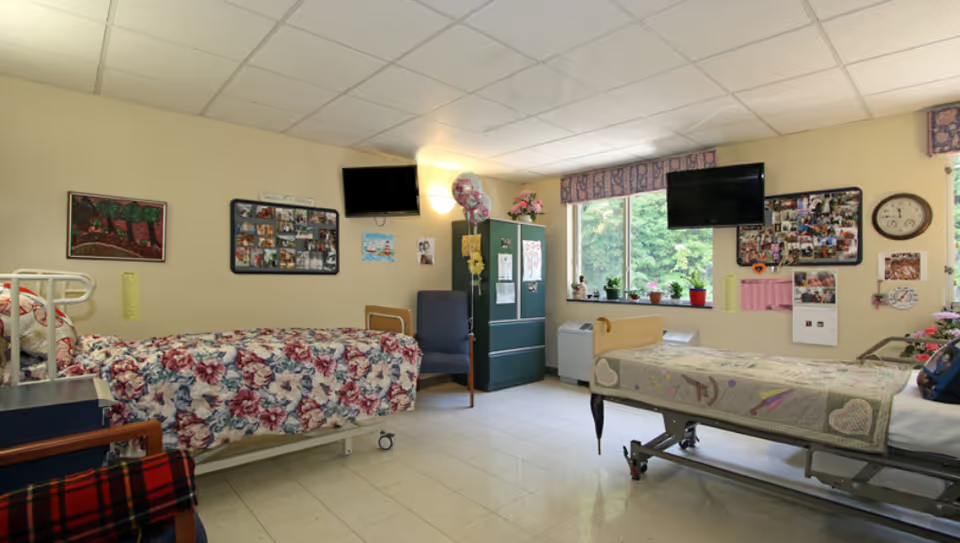
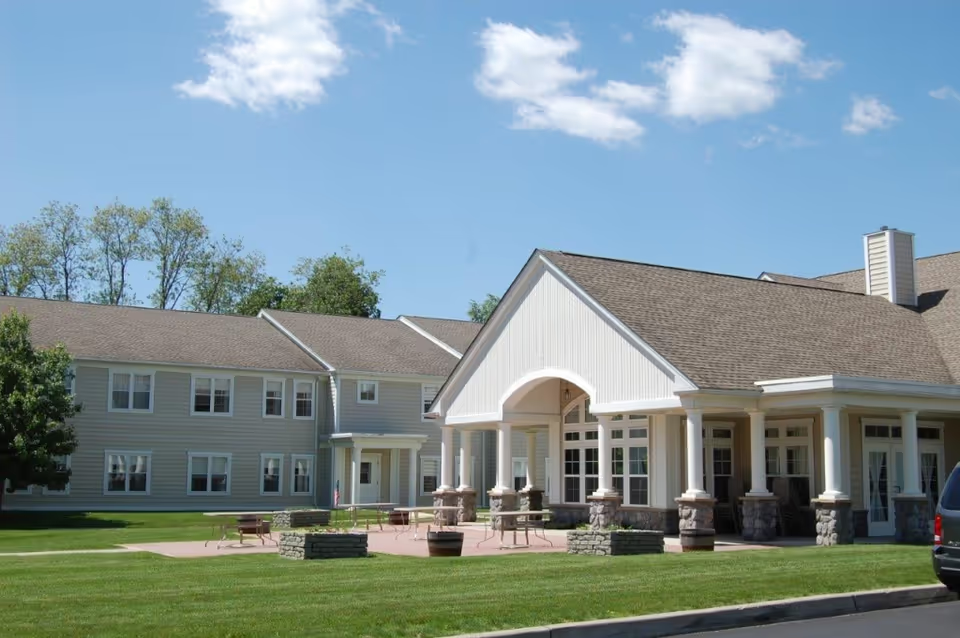
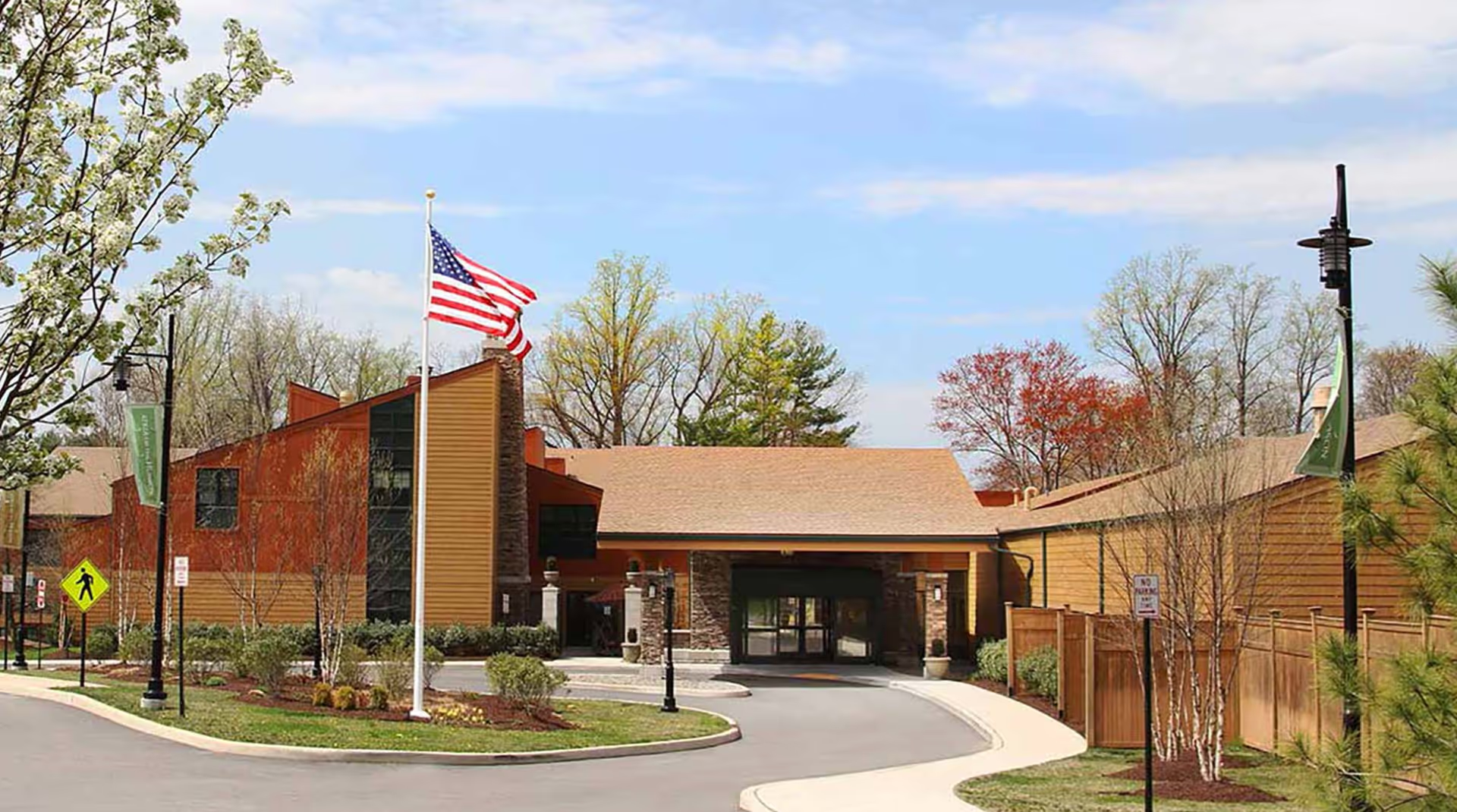
Reviews present a broadly mixed-to-positive picture with clear strengths in day-to-day caregiving alongside several operational concerns. Many families emphasize compassionate, attentive caregivers and clinicians who provide high-quality clinical support and make transitions into the home relatively smooth. The facility is frequently described as clean and well maintained, with a safe environment and amenities such as a decorative fish tank noted by visitors. Dementia-focused programming and staff knowledge of residents’ routines are highlighted as particular strengths, and several comments describe the home as veteran-friendly and comforting for families.
Staff performance is a prominent theme. Numerous accounts praise warm, respectful, and familiar interactions between staff and residents, including aides who are patient and attentive. At the same time, other comments raise concerns about staff conduct and inconsistencies in professionalism. These critiques are framed as variability in how individual staff members interact with residents and families, which reviewers link to perceived gaps in training, supervision, and accountability. Responsiveness to family concerns is often described positively, but some reviewers note uneven communication and dissatisfaction with how grievances are handled.
Clinical care is generally described as strong, particularly for residents with dementia, but there are indications of unevenness in rehabilitative and specialized services. A subset of comments identifies insufficiencies in rehabilitation offerings or unsatisfactory therapy outcomes. These should be interpreted as variability in service availability or effectiveness rather than a uniform characteristic; prospective families may wish to probe the facility’s specific rehab programs, therapy staffing, and expected timelines for functional goals.
Dining and activities show contrasting impressions. Dementia-focused activities and social programming receive favorable mentions for engaging residents. Meal quality, however, appears inconsistent: while some families express satisfaction, others characterize the food as substandard. This suggests meal-service variability that families should verify by requesting menus, tasting options, and observing dining routines.
Management and culture emerge as areas of concern for some reviewers. Comments cite challenges with complaint resolution, perceived lack of follow-through on family concerns, and occasional feelings that veteran recognition or individual acknowledgement is inconsistent. These observations point to systemic issues around oversight, internal communication, and formal grievance processes rather than isolated operational details.
Overall, the facility demonstrates clear caregiving strengths—especially in dementia care, cleanliness, and staff who form positive relationships with residents—coupled with identifiable operational weaknesses around training, consistency, rehab services, dining, and grievance handling. Prospective residents and families should consider on-site tours, speak directly with unit managers about staffing, training, and accountability mechanisms, review rehabilitation plans and staffing levels, and sample dining options to assess fit for their needs.