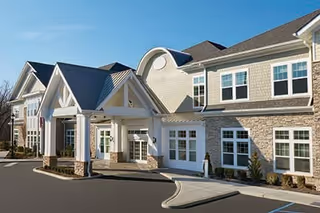
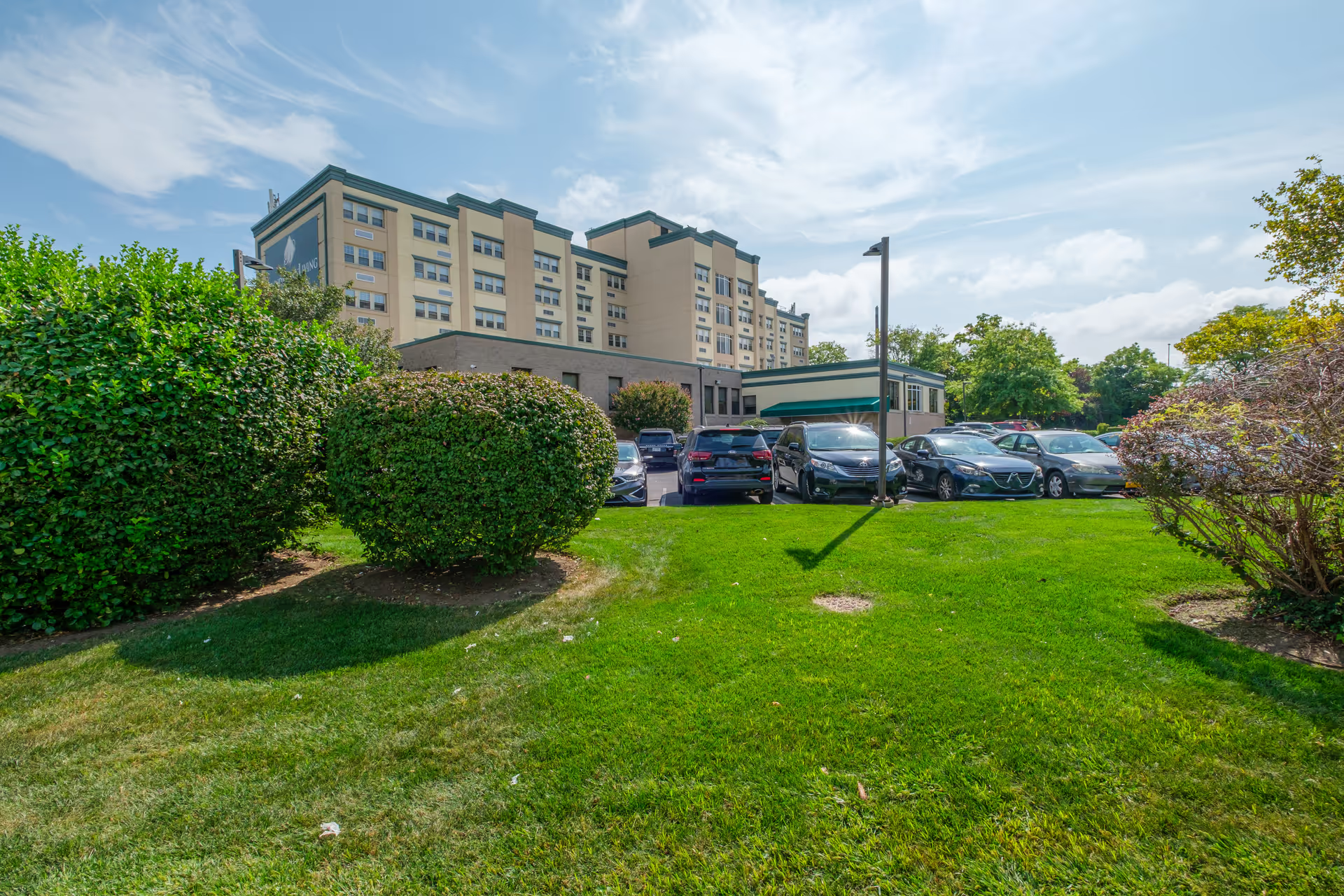
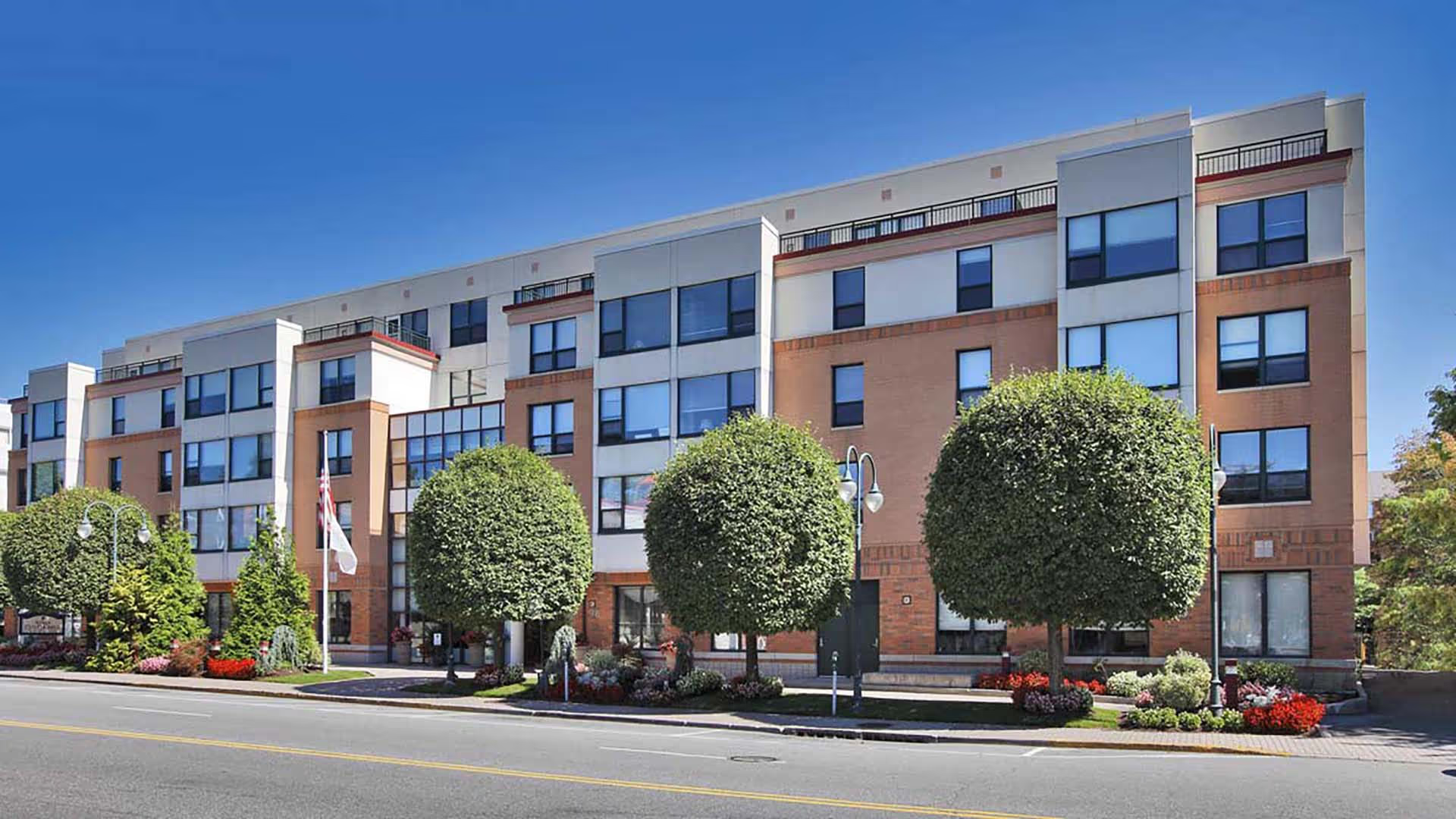
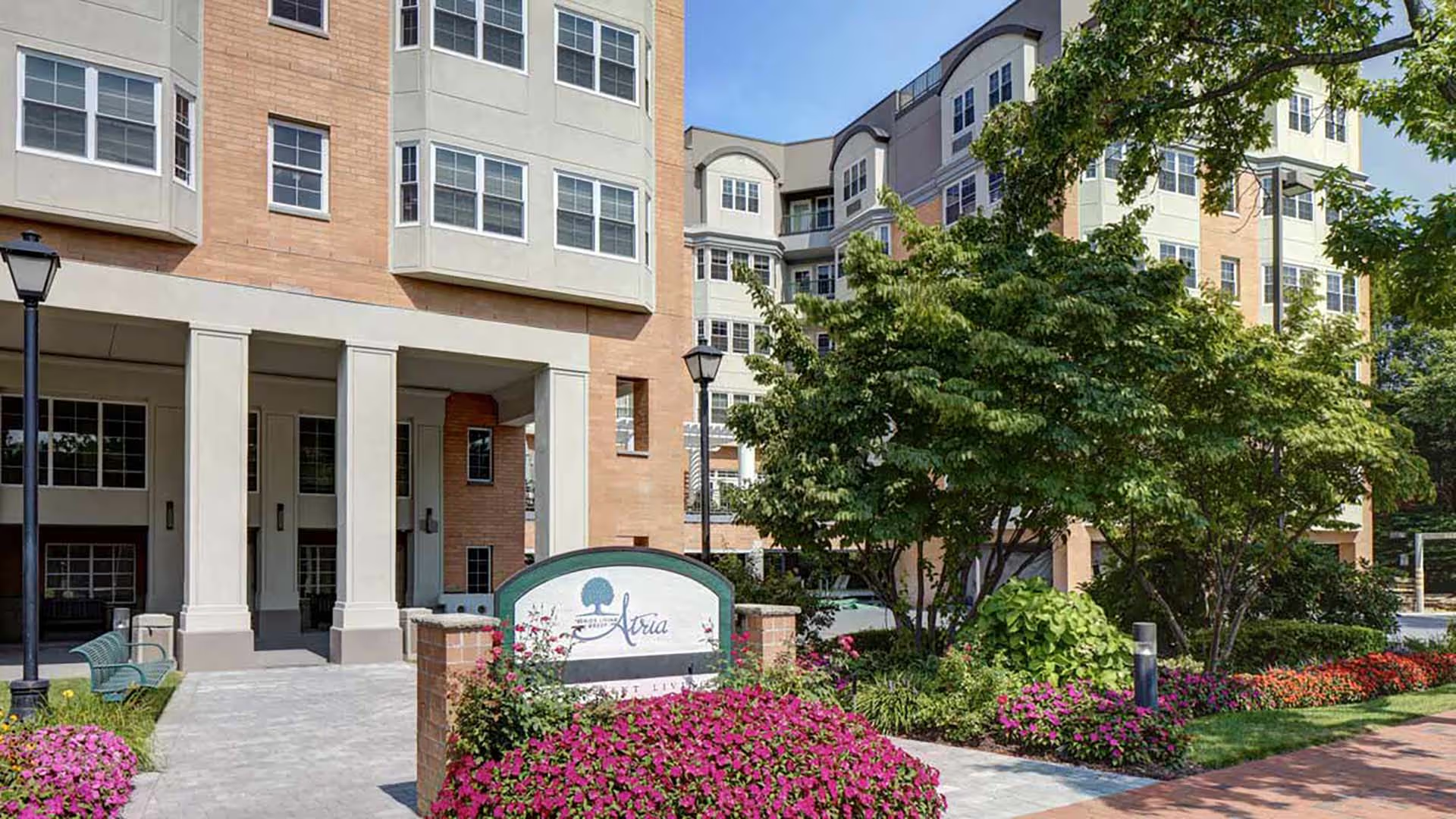
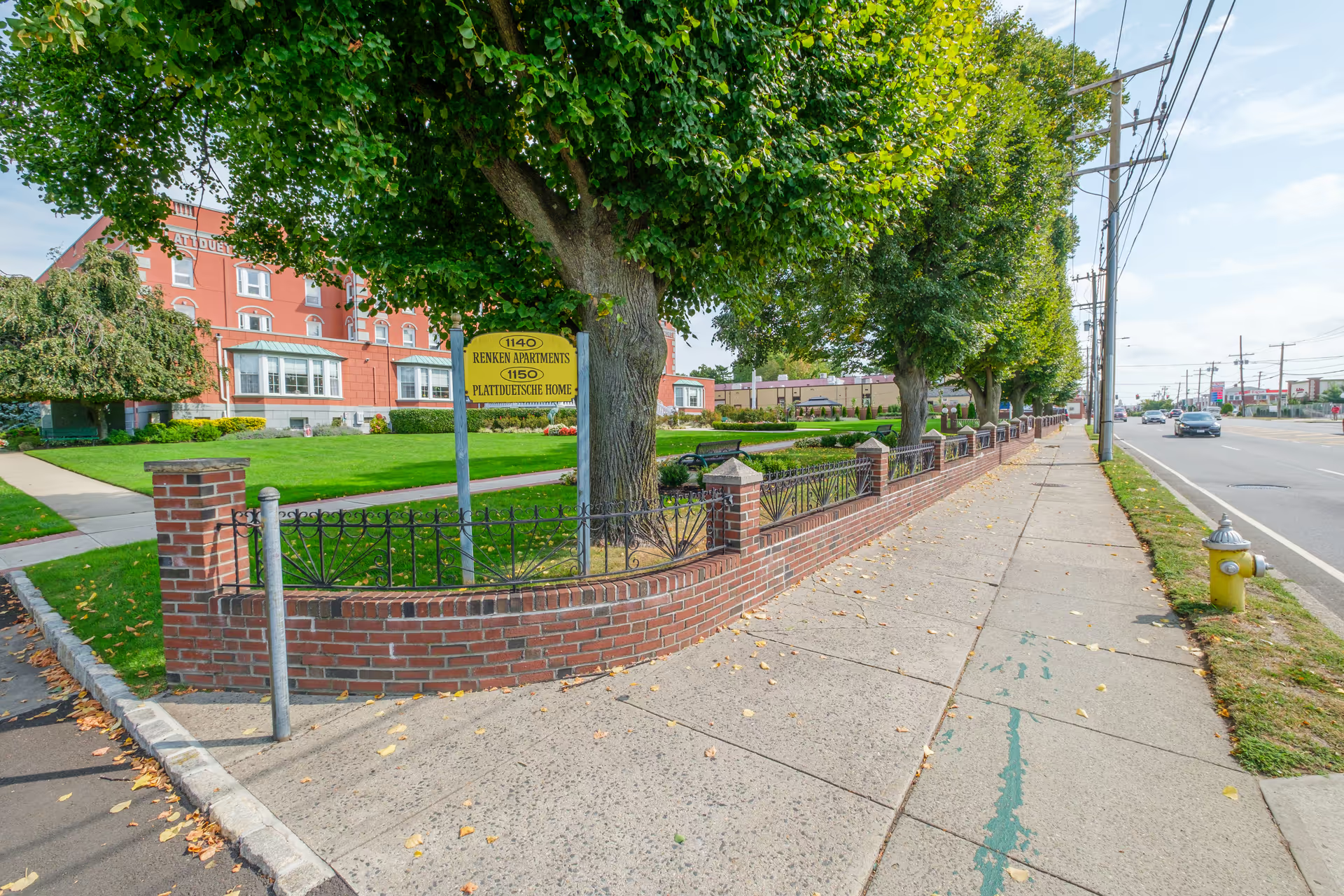
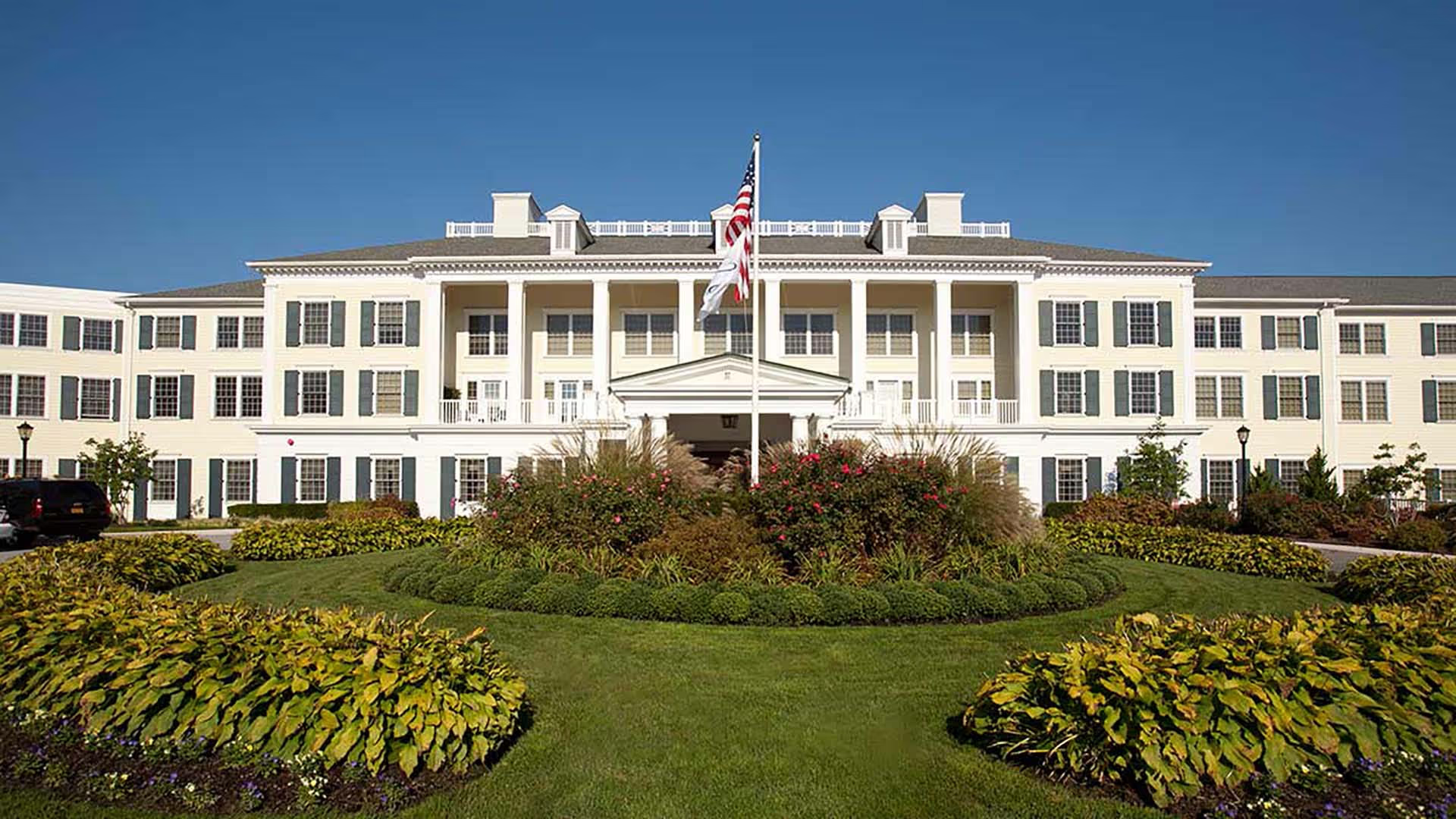
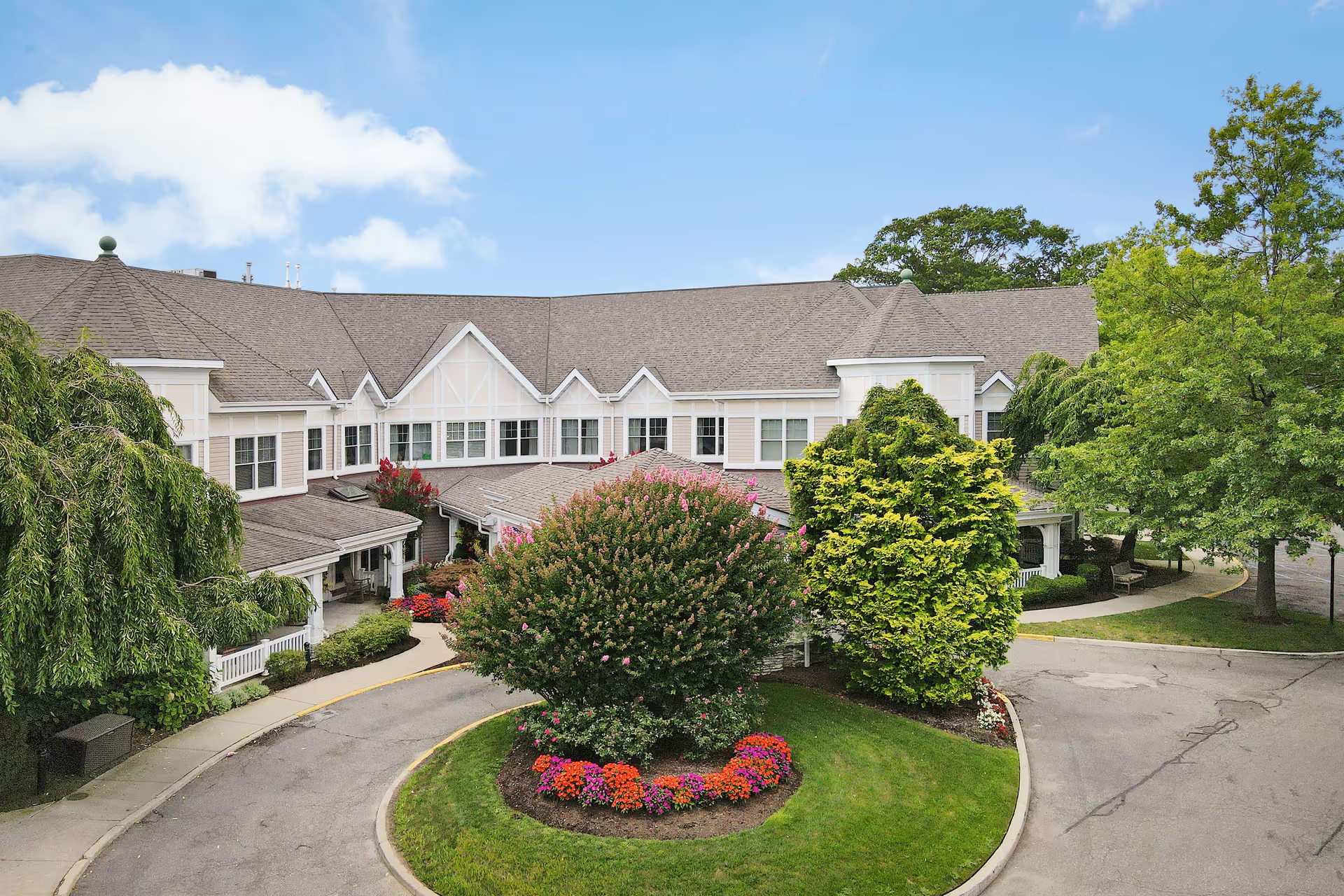
Reviews present a mixed but patternable picture. The facility is consistently praised for its rehabilitation services: physical, occupational and speech therapy teams are frequently described as skilled, motivating and central to residents’ functional gains. Many reviewers also highlight individual staff members—nurses, CNAs, therapists and case managers—who provide compassionate, attentive, and person-centered care. The building and many common areas are described as modern and well maintained, with recreational programming, outdoor areas and on-site amenities that families value.
At the same time, a clear pattern of variability emerges across clinical and operational domains. Staffing levels are uneven, with nights and weekends repeatedly identified as times when coverage is thin; that understaffing is associated with delays in responding to call bells and in providing timely personal assistance. Families described inconsistent performance across shifts and units: some nurses and aides are praised as excellent, while others are characterized as inattentive or overextended. These staffing pressures also contribute to inconsistent housekeeping and room maintenance between floors.
Dining and nutrition receive mixed feedback. Some residents and families find meals acceptable or good, and the facility accommodates dietary needs including kosher menus. Other comments identify limited menu variety, repetitive offerings, occasional cold or poorly seasoned meals, and communication gaps about menu expectations or special diets. Therapy scheduling is generally a strength but occasionally lacks intensity or continuity for patients who would benefit from more frequent sessions.
Management and communication are another recurrent theme. When case managers and social workers are engaged and responsive, families report clear, helpful updates. Conversely, reviewers also describe fragmented phone and voicemail reliability, slow callbacks, and inconsistent follow-through on complaints—issues that can amplify concerns about clinical matters, billing and visiting logistics. There are additionally a small number of serious concerns in reviews regarding infection-related events and post-discharge outcomes; these accounts prompted calls for external review or regulatory attention from some families.
Safety and operational items noted by reviewers include equipment and room-readiness issues (for example, older beds or missing safety features), variable incontinence-care timeliness, and occasional lapses in housekeeping details (bathroom and cabinet cleaning between residents). Financial and logistical matters—parking limitations, daily charges for services such as TV/phone, and unclear billing—were also raised as frustrations.
For prospective residents and families: Parker offers strong rehabilitative capacity, engaged therapists, and a generally pleasant physical environment, but experiences are heterogeneous by unit and shift. Visitors should ask about unit-specific staffing patterns (night/weekend coverage), nurse-manager contact and escalation processes, details of the meal program and dietary accommodations, therapy frequency and expected intensity, medication-administration protocols, infection-control policies and recent inspection history, and any ancillary charges or parking arrangements. Observing the assigned unit during daytime and evening hours, confirming a written care plan and primary contact, and checking how the facility handles urgent call-bell response and complaint follow-through will give a clearer sense of whether the operational variability aligns with a given family’s needs and expectations.