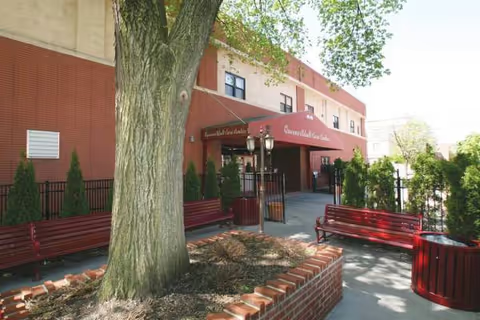
The Grand Rehabilitation and Nursing at Queens is consistently described as strong on rehabilitative services and compassionate front‑line caregiving, with physical and occupational therapy singled out repeatedly as a core strength. Reviewers frequently note measurable functional improvement, prompt initiation of therapy on admission, skilled speech therapy, and therapists who are attentive to mobility goals. Short‑term rehabilitation outcomes are a clear positive for families seeking intensive post‑acute recovery.
Staff strengths are common: many families praise warm, respectful nursing and aide interactions, an engaged social‑work team, welcoming front‑desk/concierge staff, and helpful financial/insurance support. Housekeeping and general cleanliness receive high marks across many accounts; common areas and rooms are often described as well maintained and free of institutional odors. Several reviews highlight individualized care planning, dietary accommodations, and an active calendar of recreational programming that contributes to a pleasant, home‑like atmosphere.
Dining and nutrition are mixed. There are positive comments about an executive chef, menu customization, and staff willingness to accommodate special diets, but an approximately equal volume of feedback points to inconsistent meal temperature, seasoning, and variety. Kosher service exists but is described as limited by some families. Dietary responsiveness (substitutions, special trays) is noted as a strength in many cases, while meal execution and variety are areas where expectations are not always met.
Operationally, the most recurrent concerns are variability in nursing quality and chronic staffing shortfalls that affect timeliness of personal care and call‑bell responses—issues that reviewers tie to slower assistance during nights and weekends. Several families described long waits for help, inconsistent bathing or toileting schedules, and lapses in laundry or belongings handling. Physician availability and administrative communication are other weak points: families report delays or inconsistency in clinical updates, difficulty reaching providers, and uneven discharge coordination. A small number of serious clinical‑event allegations (including medication‑timing concerns and questions about post‑event family communication) were raised; these items generated significant distress for those families and highlight gaps in incident response and follow‑up communication.
Facility amenities and maintenance are generally acceptable but uneven. Many reviewers praise the clean environment, outdoor spaces, and a country‑club feel in some areas, while others point out outdated interiors, occasional maintenance issues (broken equipment, worn fixtures), limited parking, and restricted guest bathroom access. A few reviewers mentioned pest‑control concerns in specific rooms and sporadic housekeeping lapses in some bathrooms, indicating room‑level variability rather than a universal facility condition.
In summary, The Grand at Queens appears to offer high‑quality rehabilitation services, a caring core of clinical and support staff, and strong cleanliness standards. Key operational risks for prospective residents and families are variability in nursing performance across shifts, persistent staffing shortages that can delay assistance, inconsistent meal execution and limited menu diversity for some diets, and occasional administrative and physician communication gaps. Families prioritizing intensive therapy and a clean, engaged environment are likely to find strengths here; those for whom consistent around‑the‑clock nursing responsiveness, guaranteed meal preferences, or seamless administrative communication are top priorities should probe these operational areas during tours and care planning meetings.