Overview Southpoint Rehabilitation and Healthcare Center elicits sharply mixed impressions. Many families and residents praise the facility's rehabilitation services, certain long‑tenured caregivers, and parts of the campus environment; at the same time, a consistent set of operational concerns appears across reviews. Prospective residents should weigh the facility's strong therapy program and several consistently noted caregiving strengths against persistent issues with staffing, responsiveness, and some aspects of day‑to‑day care.
Care and clinical safety Physical and occupational therapy are repeatedly identified as a major strength: reviewers describe knowledgeable, motivational therapists and measurable functional gains during short‑term stays. Certified nursing assistants (CNAs) are frequently described as compassionate and attentive. However, multiple comments point to variability in nursing performance, uneven medication administration, and delays in clinical follow‑up. There are also accounts of serious clinical-safety concerns (including delayed recognition of infection and pressure‑related skin issues); these have led some families to seek alternative care. Overall the pattern suggests pockets of strong clinical practice supported by experienced therapy staff, alongside inconsistent nursing coverage and gaps in medication and clinical‑incident follow‑through.
Staffing, responsiveness and conduct A dominant theme is staffing variability. Reviewers report chronic understaffing at certain shifts, long call‑bell response times, and missed or delayed personal‑care tasks such as assistance with toileting, bathing, or repositioning. Reports of brisk or defensive communication from some managers and nurses contrast with accounts of responsive, patient‑focused leadership and business‑office staff. This mixed picture indicates that resident experience may depend strongly on the unit, shift, or individual staff members on duty. Families are advised to clarify staffing levels for planned admissions and to establish preferred escalation contacts on arrival.
Dining, housekeeping and belongings Dining feedback is inconsistent. Several reviewers praised specific meals and dietitian involvement, but many describe poor meal variety, carbohydrate‑heavy menus, limited diabetic or specialized options, and instances where therapeutic diets were not consistently applied. Housekeeping and laundry performance is similarly inconsistent: some guests report clean rooms and attentive housekeeping, while others describe sanitation concerns, odor issues in some areas, mold or carpet problems, and missing or mixed personal items. Inventory control for personal belongings and timely laundry service appear to be recurring operational weaknesses.
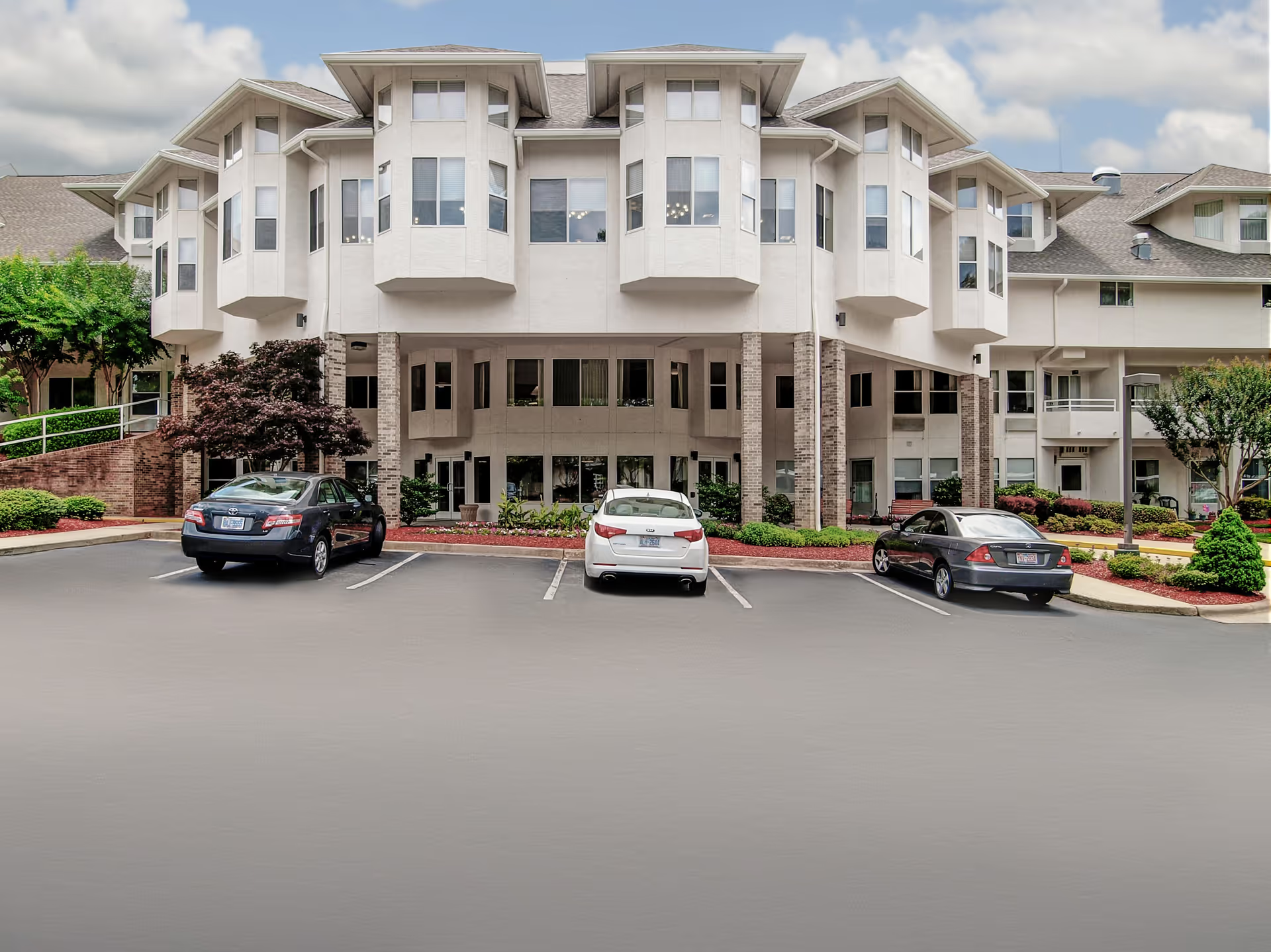
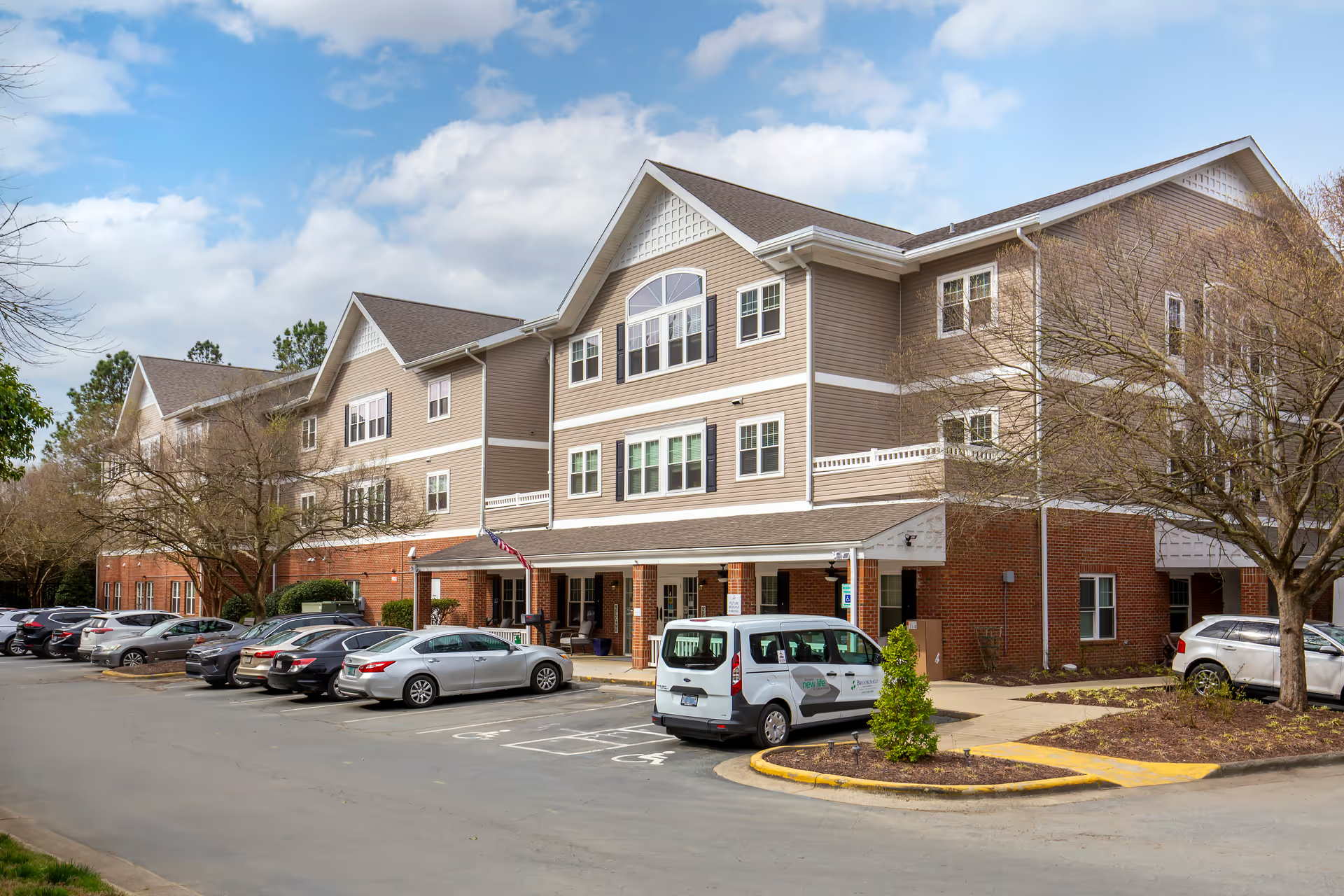
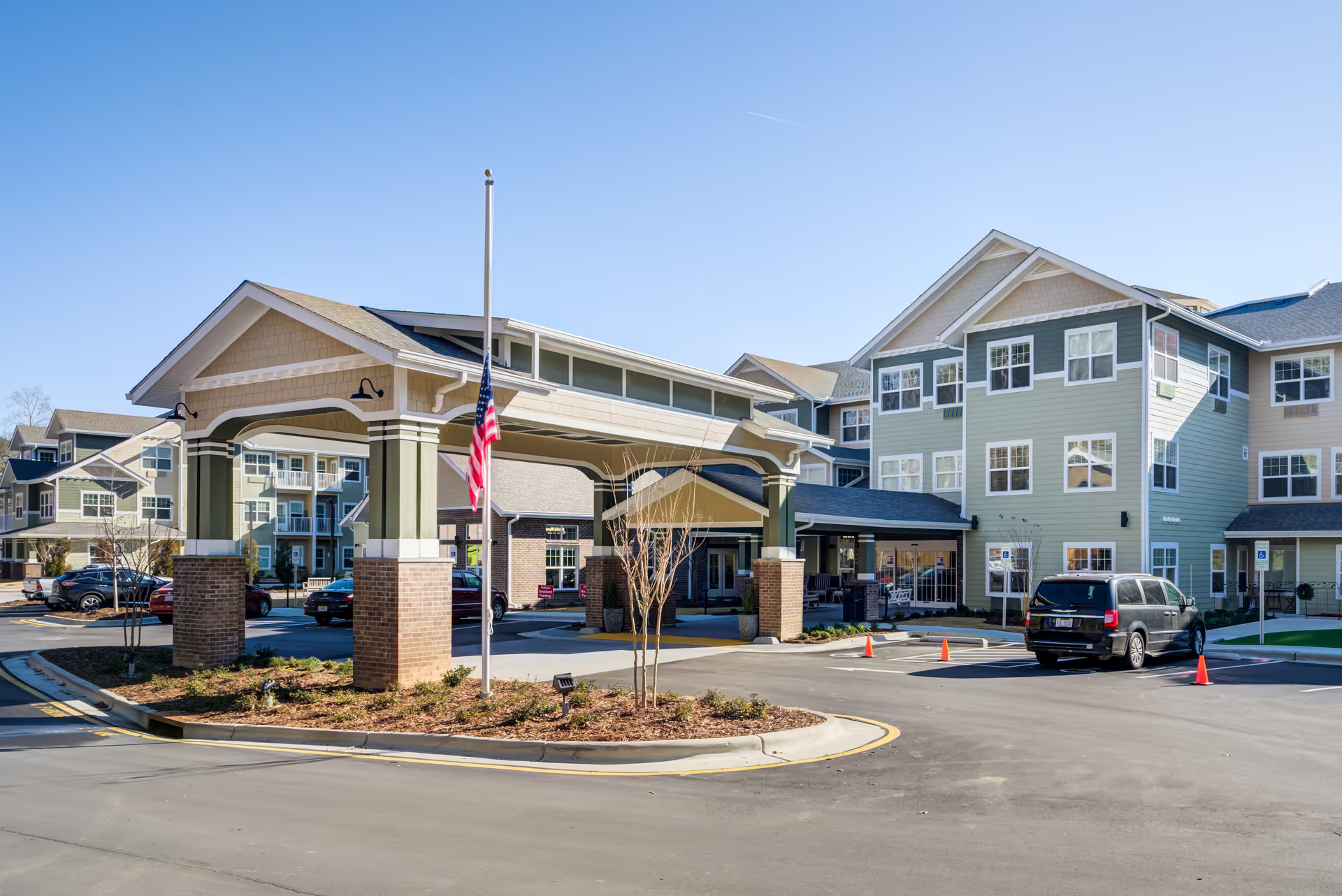
Facilities, accessibility and environment Facility amenities—private rooms with en‑suite bathrooms, TVs, Wi‑Fi, an on‑site gym, and outdoor areas—are positive features for rehabilitation stays. At the same time, some rooms were described as poorly configured for mobility equipment (tight bathrooms, sinks or fixtures that limit transfer access), worn furnishings, or carpets with odor concerns. Noise and environmental management also drew criticism; several reviewers mentioned frequent alarms, loud common‑area behavior, or staff conflicts audible to residents. Visitors should confirm room layout and ADA accessibility if mobility limitations are a concern.
Management, coordination and patterns to watch Management reputation is mixed: some reviewers describe responsive administrators who resolved concerns quickly, while others characterize leadership as defensive, inconsistent, or focused on admissions and appearance. There are recurring operational patterns to monitor: understaffing during nights and weekends, slow call‑light response, inconsistent nursing handoffs, variable dietary accommodation implementation, and occasional pressure to discharge. A limited number of serious allegations (including avoidable clinical deterioration and property‑loss claims) have prompted formal complaints or transfers; families should treat such claims seriously and seek documentation and rapid escalation when warranted.
Practical recommendations For families considering Southpoint, ask for current staffing ratios and typical weekend/night coverage, review the specific room proposed for ADA compatibility, confirm how therapeutic diets and medication administration are handled, and request names and contact information for unit supervisors. Observe a therapy session and speak with the PT/OT team about expected goals and scheduling. If you accept placement, establish a clear plan for escalation of clinical concerns and inventory of personal belongings on arrival.
Bottom line Southpoint offers a highly regarded therapy program and many dedicated frontline caregivers, which can support successful short‑term rehabilitation for motivated residents. At the same time, recurring operational weaknesses—most notably inconsistent nursing coverage, responsiveness, dietary and housekeeping reliability, and some leadership variability—introduce risk. Outcomes are often determined by unit, shift, and which individual staff are on duty; careful pre‑admission inquiry and ongoing family engagement are advisable to reduce the likelihood of adverse experiences.