Overall impression: Reviewers present a mixed but largely positive view of Malachi House’s caregiving environment. Many families emphasize compassionate, attentive care—particularly during end‑of‑life support—alongside a clean, well‑kept building and a warm, family‑oriented atmosphere. At the same time, several critiques point to operational weaknesses that merit attention from management, especially where resident safety, hygiene practices, and incident handling intersect with family expectations.
Care and staff: The dominant sentiment is that direct-care staff are caring, respectful, and present; families repeatedly describe staff who offer comfort, stay with residents during critical moments, and communicate effectively with loved ones. That said, there are also specific concerns about staff conduct and responsiveness in certain situations. These concerns suggest variability in how staff interactions and timely attention are delivered across shifts or individual caregivers. Management may need to reinforce training and supervision to reduce this variability and ensure consistent standards of interaction.
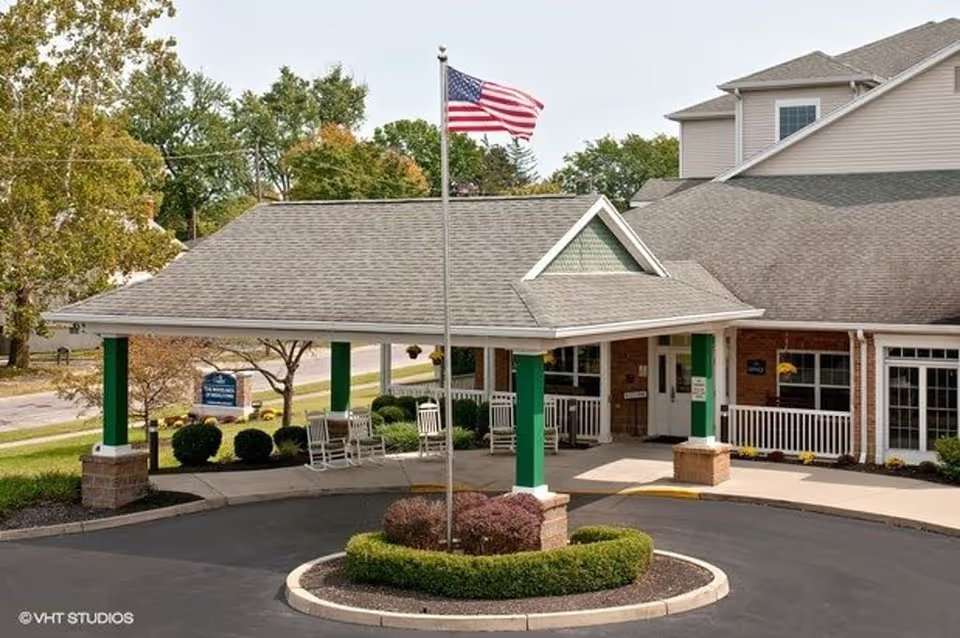
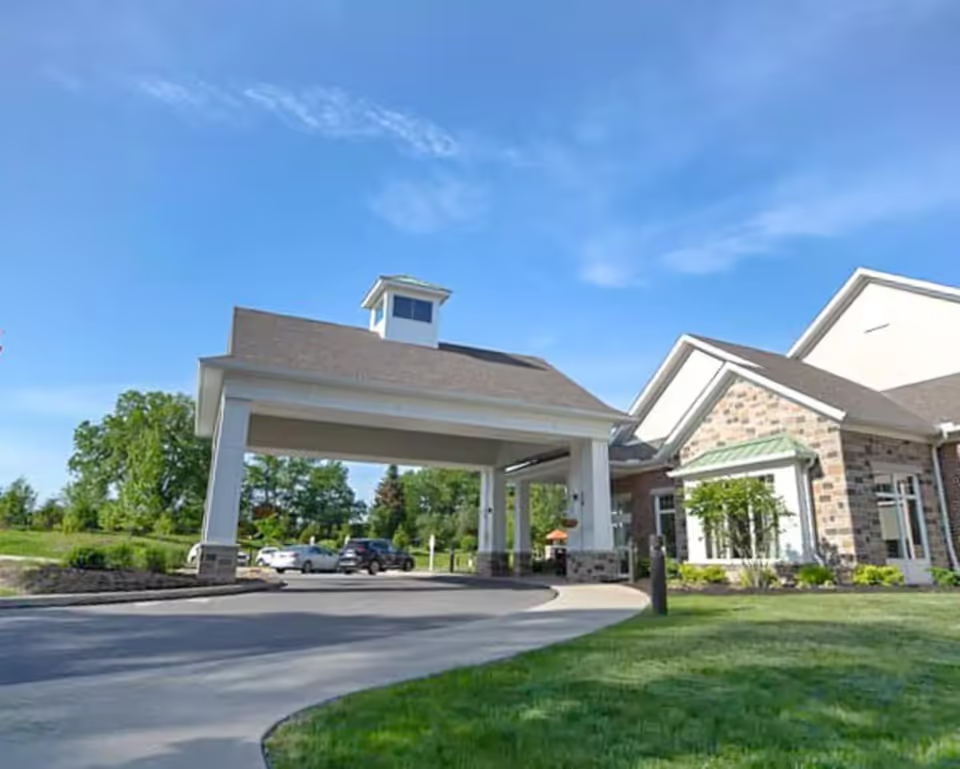
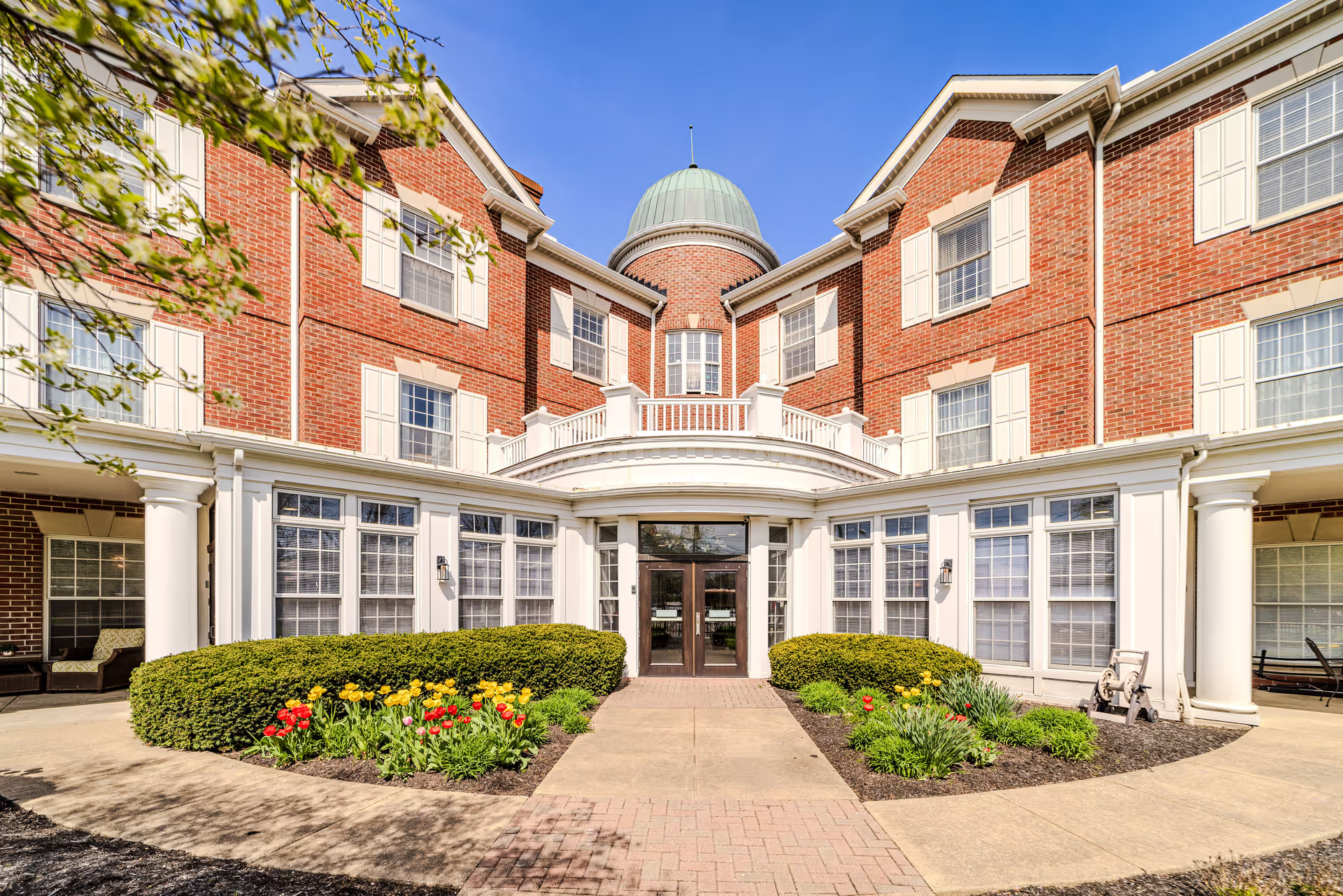
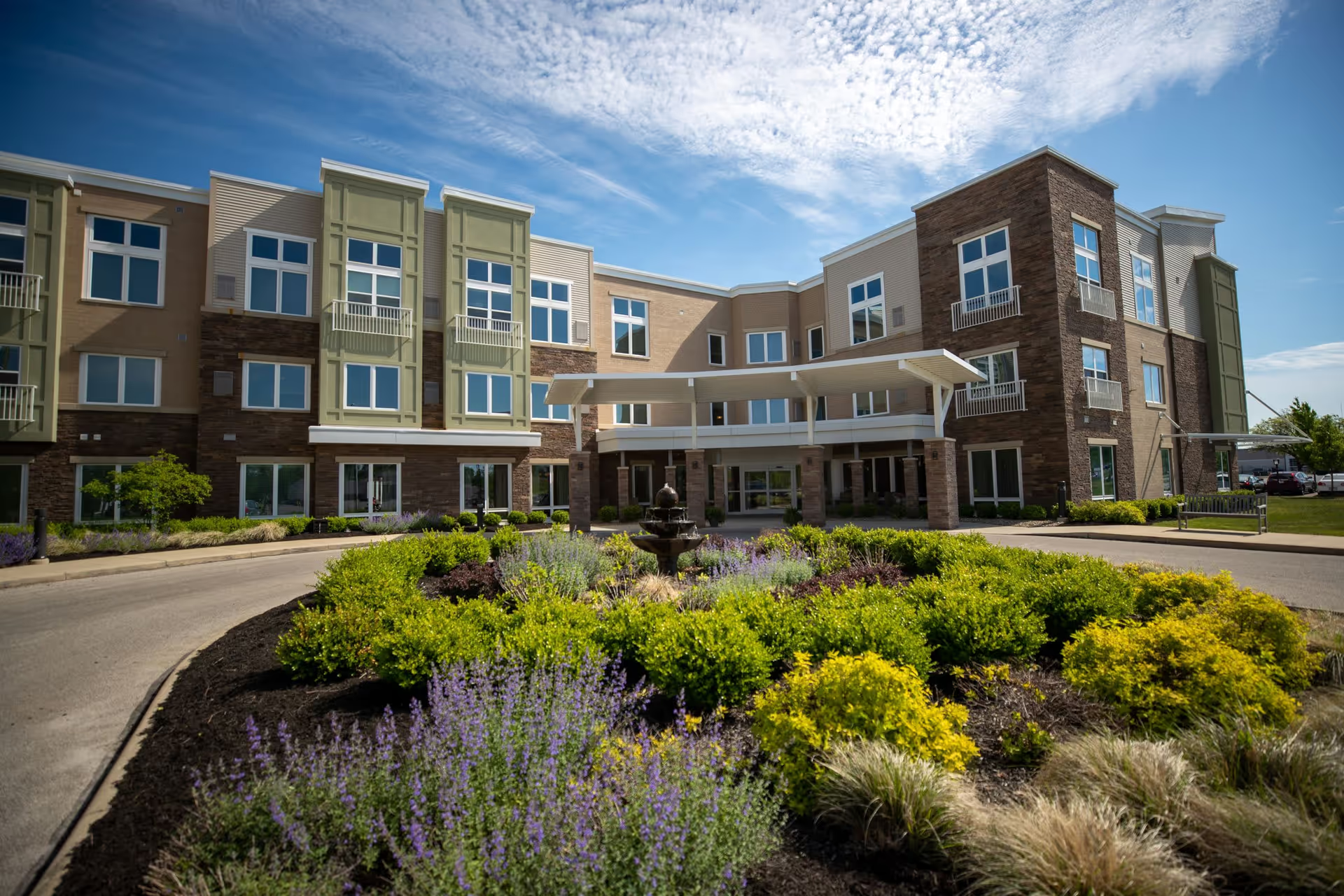
Facilities and cleanliness: Multiple comments praise the facility’s cleanliness and upkeep, describing the environment as spotless and welcoming. Ancillary spaces, such as storage areas, were noted as organized. However, cleanliness strengths coexist with hygiene‑related concerns; reviewers point to gaps in oral and personal hygiene care in some cases, indicating an operational area that requires clearer protocols and oversight to ensure consistent resident grooming and comfort.
Safety, management and policies: Several remarks raise questions about environmental safety controls and monitoring (for example, door/supervision issues) and about how incidents are handled and followed up. Families also reported frustrations with visitation limitations, indicating that current policies may feel unduly restrictive during sensitive times. Together these items suggest opportunities for management to review safety procedures, incident‑reporting workflows, and visitor policies to improve transparency, responsiveness, and family trust.
Dining and activities: Review summaries include little direct commentary about dining quality or structured activities. The absence of frequent remarks makes it difficult to assess programmatic offerings; prospective families should request current menus, activity calendars, and observation opportunities during tours to evaluate these dimensions.
Notable patterns and recommendations: The strongest, consistent strengths are the compassionate, family‑centered caregiving and a well‑maintained physical environment supported by engaged volunteers and donors. The primary patterns of concern are operational: inconsistencies in hygiene care, occasional lapses in conduct or responsiveness, safety/monitoring gaps, restrictive visitation practices, and uneven incident follow‑up. Prospective residents and family members should discuss staffing ratios, oral‑care and hygiene protocols, safety measures (including monitoring of exits/doors), incident‑reporting procedures, and the facility’s visitation policy during admissions conversations to clarify how these issues are managed in daily practice.