Reviews of Hudson Elms Nursing Home present a mixed picture with clear strengths around frontline caregiving and notable operational weaknesses. Many reviewers emphasize compassionate, attentive staff, knowledgeable nursing leadership, and warm interpersonal interactions. Several comments highlight an inviting atmosphere, friendly residents, faith-based support, and scenic grounds with a pond that residents and families appreciate. Multiple accounts mention the facility's experience in caring for residents with dementia and other high-acuity needs, and some families report effective hospice coordination and visible management improvements when administrators are engaged.
At the same time, recurring operational concerns appear across reviews. Meal quality and the dining experience are described as inconsistent, with some reviewers explicitly dissatisfied. Staffing stability is a theme — high turnover and staffing variability create challenges for continuity of care, particularly given a dementia-heavy resident population that increases day-to-day care demands. Reviewers also describe inconsistent clinical responsiveness, including delays in routine assistance and care tasks; these items suggest gaps in routine care processes and staffing allocation.
Communication and administration are another area of divergence. Several reviews praise specific administrators who were knowledgeable, attentive, and easy to work with, while others describe poor administrative responsiveness, difficulty reaching extensions, and limits on resident phone access. These mixed accounts indicate that administrative responsiveness may depend on individual staff or recent management changes. Families should verify current phone-and-communication protocols during a visit.
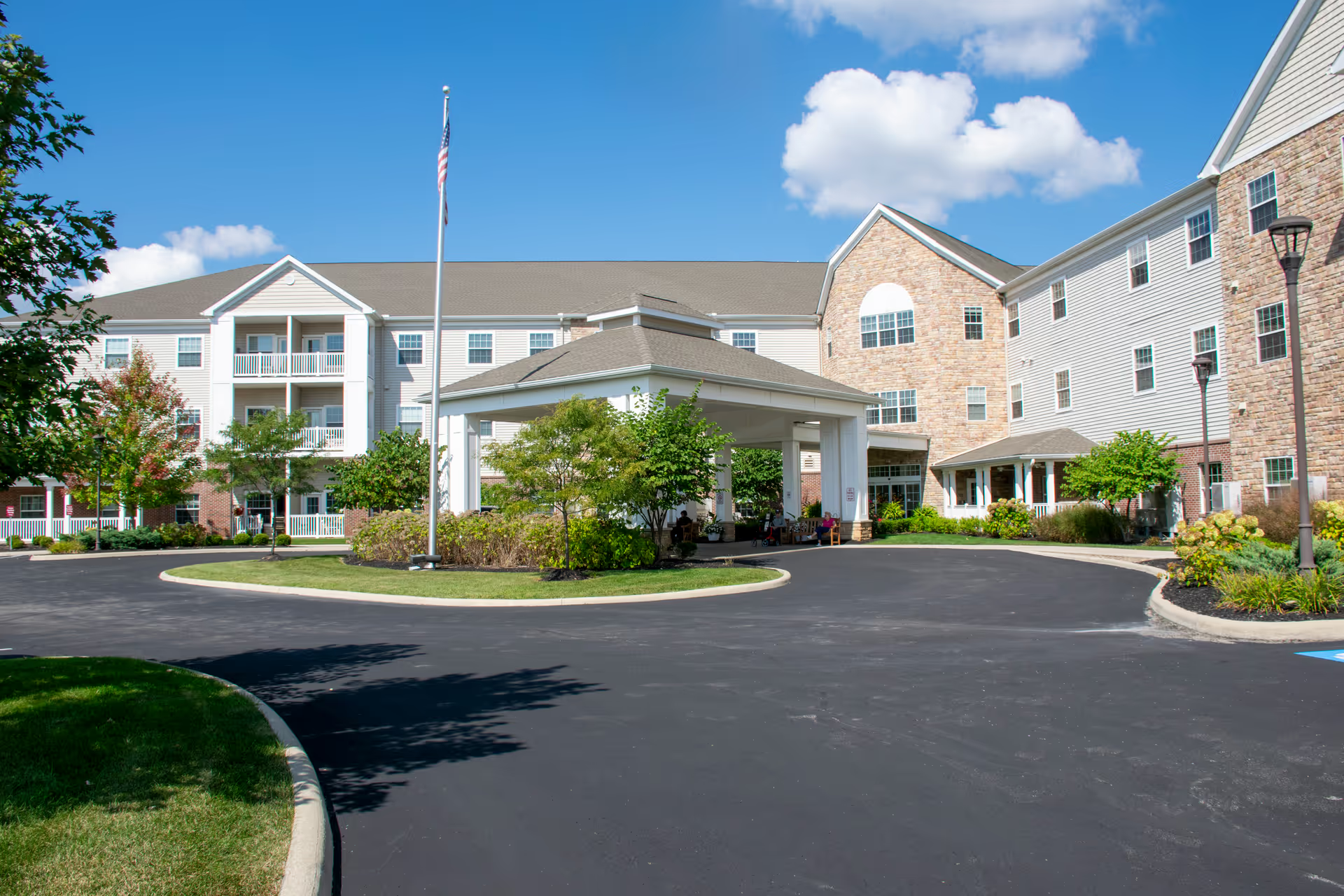
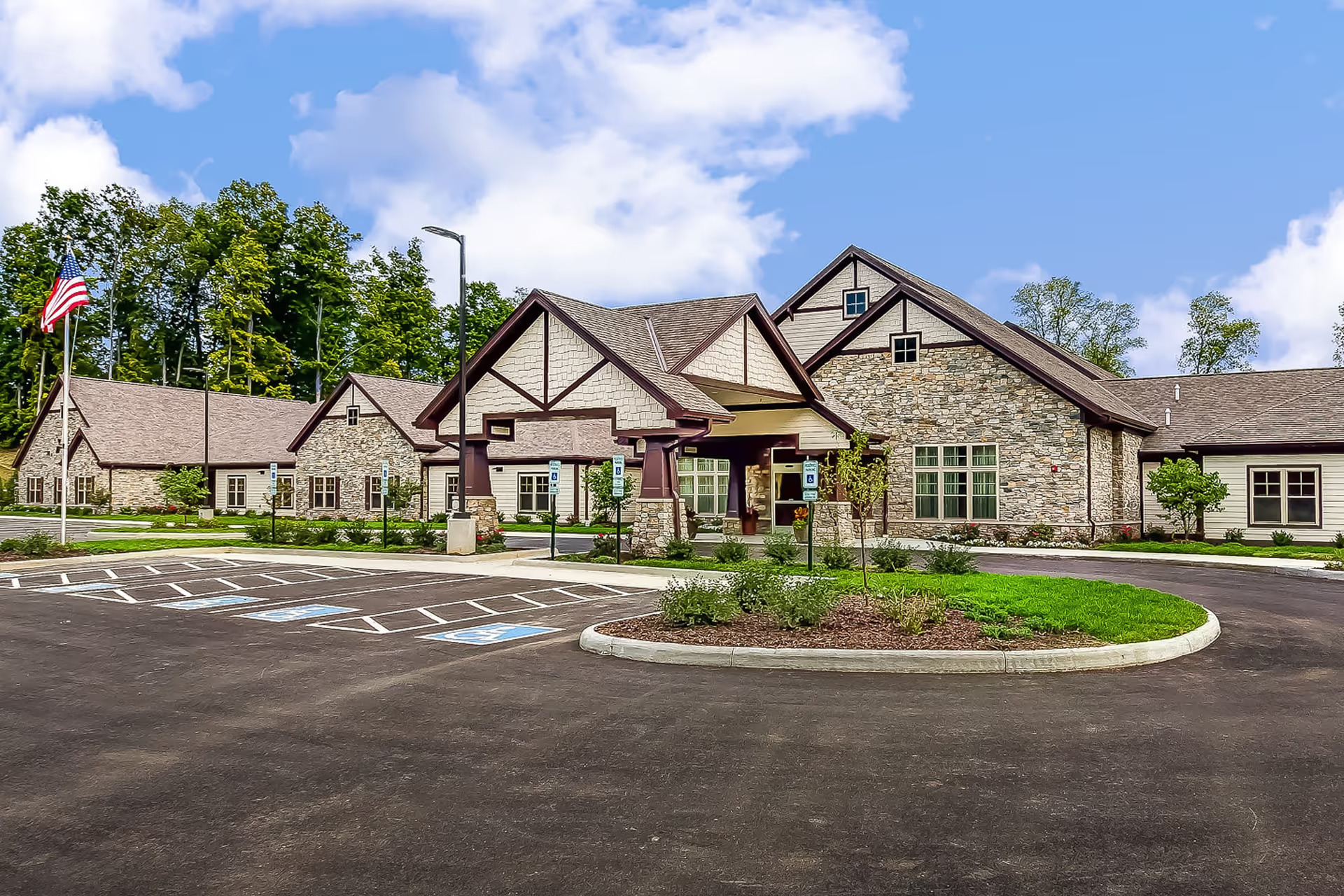
Facility and activity-related observations are similarly mixed. While some visitors note that the building is clean and well maintained, others reference sanitation and odor concerns in parts of the facility. Outdoor access is limited according to multiple comments — there are scenic grounds but little outdoor seating or picnic provision — which may matter for families who value outdoor time. Activity programming is less frequently described, though the pond and natural setting are seen as positive by residents and families who enjoy fishing and wildlife.
There are also more serious operational signals to consider: references to regulatory action and to emergency-service involvement suggest families should review state inspection reports and any recent citations before deciding. The facility's for-profit status was noted and may influence operational priorities for some families. Additionally, some reviewers raised concerns about end-of-life coordination and hospice communication; prospective residents with complex or palliative needs should ask specifically about hospice pathways and interdisciplinary care planning.
In summary, Hudson Elms appears to offer strong, compassionate bedside care in many cases and a pleasant natural setting, but it also shows patterns of inconsistent dining, administrative communication gaps, staffing instability, and variable facility sanitation in some areas. Prospective families should tour the unit, speak directly with current leadership about staffing ratios and turnover, review recent inspection and enforcement records, ask about hospice coordination and dementia-care staffing, and confirm phone and outdoor-access policies to match their expectations.